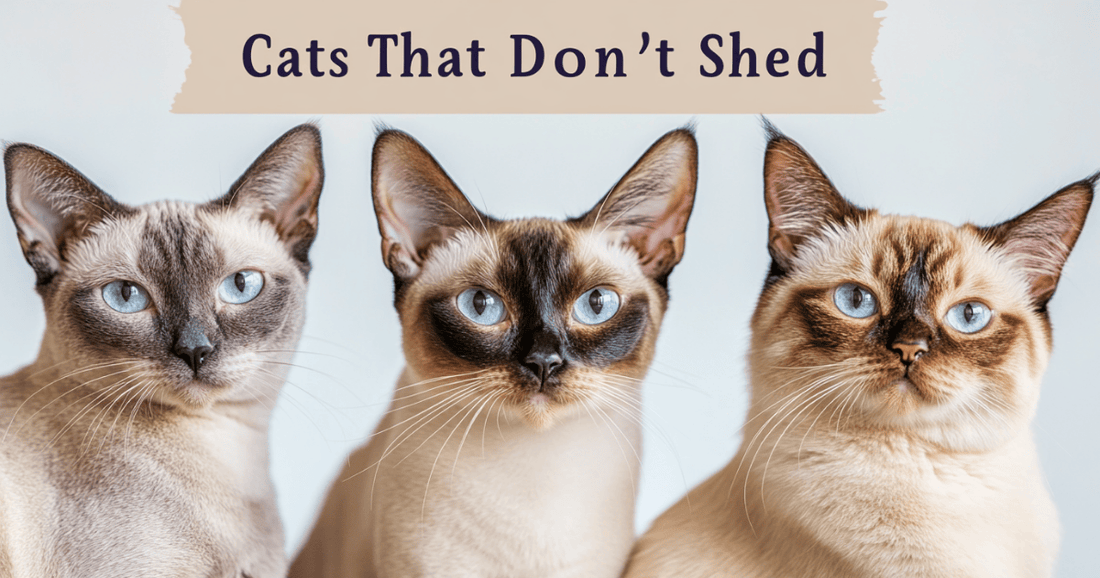
Are you tired of finding cat hair on your clothes, furniture, and everywhere in between? If shedding drives you crazy but you still want a furry friend, you’re not alone.
Luckily, some cat breeds shed very little or not at all, making them perfect for people like you who want all the joy of a cat without the mess. You’ll discover which breeds fit that description and learn how to enjoy a cleaner, hair-free home with your new feline companion.
Keep reading to find the perfect low-shedding cat for your lifestyle!
Cats And Shedding Basics
Cats shed their fur naturally. It is a normal part of their life cycle. Shedding helps cats get rid of old or damaged hair. It also helps them adjust to changing temperatures. Some cats shed more than others. Understanding shedding can help you manage it better.
Why Cats Shed
Cats shed to replace old fur with new fur. This process keeps their coat healthy. Shedding increases in spring and fall. These seasons bring changes in daylight and temperature. Cats grow thicker fur for winter. Then, they shed it for warmer months. Stress, diet, and health can also affect shedding. Regular grooming helps remove loose hair.
Impact Of Shedding On Allergies
Shedding can increase allergy symptoms. Cat hair carries dander, a common allergen. Dander is tiny flakes of skin. It sticks to hair and surfaces. When cats shed, they spread more dander. People with allergies may sneeze or itch more. Some cat breeds shed less and produce less dander. This can help reduce allergic reactions. Cleaning often lowers dander buildup at home.

Credit: www.thepioneerwoman.com
Traits Of Low-shedding Cats
Understanding the traits of low-shedding cats can help you choose a feline friend that fits your lifestyle, especially if you’re sensitive to pet hair or prefer a cleaner home. These cats often have unique coat types and behaviors that naturally reduce shedding. Knowing what to look for can save you time on cleaning and grooming while keeping your pet happy and healthy.
Coat Types That Shed Less
Cats with certain coat types tend to shed less than others. For instance, breeds with short, dense fur like the Russian Blue or the Burmese typically lose less hair around the house. Some breeds, such as the Sphynx, have almost no fur at all, which means shedding is minimal to none.
Woolly or curly coats, like those of the Cornish Rex and Devon Rex, trap loose hairs instead of letting them fall off. This natural feature keeps your furniture and clothes hair-free. Have you noticed how these cats almost seem to have a coat that holds onto their fur tightly?
- Short, dense fur
- Curly or wavy coats
- Hairless or nearly hairless breeds
Behavior And Grooming Habits
A cat’s behavior also influences how much they shed. Cats that groom themselves frequently tend to swallow loose fur, which reduces shedding around your home. However, this can sometimes cause hairballs, so regular brushing by you is helpful.
Some low-shedding cats enjoy grooming sessions and tolerate regular brushing, which helps remove loose hairs before they fall off. If your cat dislikes grooming, try short, gentle sessions to keep shedding under control without stressing them.
Have you ever noticed how consistent grooming can cut down the amount of hair you find on your clothes or furniture? This simple habit makes a big difference in managing shedding, especially with cats that naturally shed less.
Popular Hypoallergenic Cat Breeds
Are you dreaming of a feline companion but dreading the inevitable fur all over your house? Luckily, some cats are known for their minimal shedding and are often considered hypoallergenic. These breeds are perfect for cat lovers who want to enjoy the purrs without the fur. Let’s dive into some popular hypoallergenic cat breeds that could be perfect for your home.
Siberian Cat
Surprisingly, the Siberian cat is known for its low allergen levels despite its thick fur. This breed produces less of the Fel d 1 protein, which is the main allergen for cat-sensitive individuals. Their playful and affectionate nature makes them a delightful companion.
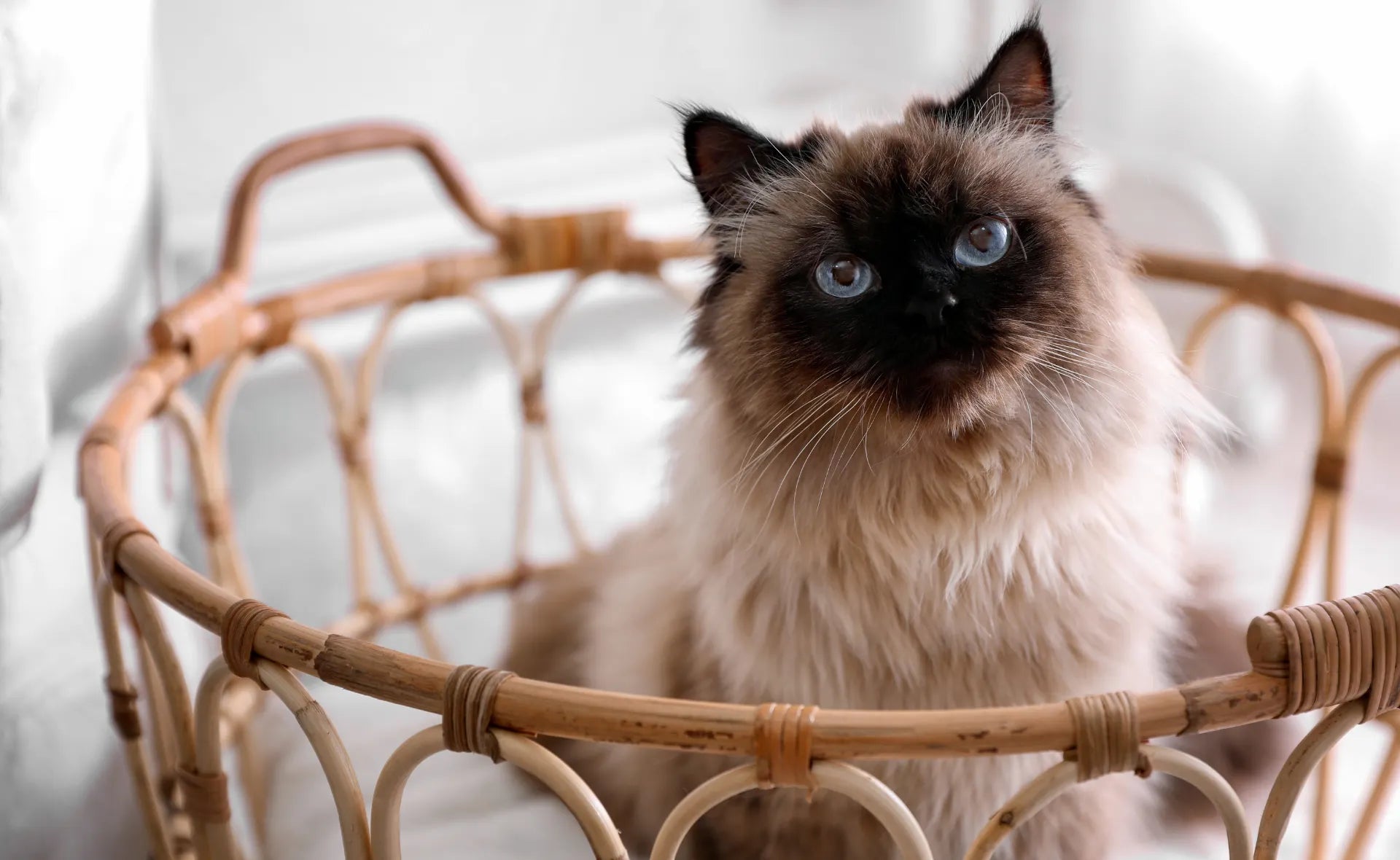
Balinese Cat
The Balinese cat, often called the “long-haired Siamese,” is not just beautiful but also low-shedding. Their single coat means fewer allergens in your home. Plus, their social and vocal personality ensures you’ll never feel lonely.
Bengal Cat
Bengals have a short, dense coat that requires minimal grooming. They shed less than many other breeds, making them a great choice for allergy sufferers. Their wild appearance and energetic nature make them an exciting addition to any family.
Devon Rex
With their unique appearance and short, wavy coat, Devon Rex cats are known for minimal shedding. They have large ears and a mischievous personality that will keep you entertained. This breed is perfect for those who want a low-maintenance but engaging pet.
Cornish Rex
The Cornish Rex is another breed with a unique coat, consisting of only down hair. This means less shedding and a softer touch when petting. They are curious and active, always ready for a game or a cuddle.
Sphynx Cat
Perhaps the most well-known hypoallergenic breed, the Sphynx is almost hairless. While they might lack fur, they have a warm, suede-like skin that requires regular cleaning. Their affectionate and friendly nature will quickly win you over.
Russian Blue
The Russian Blue is famed for its striking silver-blue coat and minimal shedding. This breed produces less of the allergenic protein, making them a good option for allergy sufferers. Their calm and gentle demeanor makes them a perfect choice for a quiet household.
Are you ready to welcome a hypoallergenic cat into your life? Each of these breeds offers a unique blend of beauty and personality, with the added benefit of less shedding. Which one will you choose?
Credit: shamelesspets.com
Choosing The Right Hypoallergenic Cat
Choosing the right hypoallergenic cat can make a big difference if you or someone in your home suffers from allergies. While no cat is completely allergen-free, some breeds shed less and produce fewer allergens. Finding a cat that fits your lifestyle and health needs means you can enjoy companionship without constant sneezing or discomfort.
Lifestyle Considerations
Think about your daily routine and living space before picking a hypoallergenic cat. Some breeds, like the Sphynx, need regular bathing to manage oils on their skin, while others, such as the Russian Blue, require less grooming but still enjoy playtime and attention.
If you live in a small apartment, a cat that is calm and less active might suit you better than a highly energetic breed. Also, consider if you have other pets or children, as some hypoallergenic cats are more tolerant and social than others.
Health And Maintenance
Hypoallergenic cats often need specific care to stay healthy and reduce allergen spread. Regular brushing and cleaning of your cat’s bedding can help manage dander, even if the cat sheds less.
Some breeds may have unique health concerns. For example, the Cornish Rex, known for its minimal shedding, can be prone to skin sensitivity. Knowing these details helps you prepare for a happy, healthy pet.
Allergy Testing Tips
Before bringing a hypoallergenic cat home, spend time around the breed to see how your allergies react. Visiting breeders, shelters, or friends who own these cats can give you a real sense of your comfort level.
Consider allergy testing by an allergist to identify specific triggers. You might be surprised to find which breed causes fewer symptoms, making your choice clearer and your home more comfortable.
Caring For Hypoallergenic Cats
Caring for hypoallergenic cats involves more than just choosing the right breed. These cats still produce allergens, so managing their environment and grooming routine is key to living comfortably with them. You might be surprised how small changes in care can make a big difference in reducing allergic reactions.
Grooming Techniques
Regular grooming helps control the amount of dander and loose hair your hypoallergenic cat spreads around. Brushing your cat a few times a week removes dead hair before it falls off naturally.
Use a damp cloth or pet-friendly wipes to gently clean your cat’s coat, which can reduce allergens on their fur. Bathing isn’t needed often but can help if your allergies flare up.
Pay attention to your cat’s ears and eyes; wiping these areas can prevent allergen buildup. Have you noticed how your cat reacts to grooming? Sometimes, a calm and consistent routine makes them more cooperative.
Home Cleaning To Reduce Allergens
Keeping your home clean lowers allergen levels significantly. Vacuum frequently with a HEPA filter vacuum to capture cat hair and dander from carpets and furniture.
Wash your cat’s bedding and your own linens regularly in hot water to remove allergens. Consider using air purifiers with HEPA filters to trap airborne particles.
Limiting your cat’s access to certain rooms, like bedrooms, can create safe zones with fewer allergens. Have you tried designating allergy-free spaces in your home? It can improve your comfort dramatically.

Credit: www.thepioneerwoman.com
Frequently Asked Questions
Which Cat Breeds Are Known For Minimal Shedding?
Breeds like the Sphynx, Devon Rex, and Cornish Rex shed very little. These cats have unique coats that reduce shedding. They are ideal for allergy sufferers and those wanting less pet hair in their homes.
Are Hypoallergenic Cats Truly Non-shedding?
Hypoallergenic cats produce fewer allergens but may still shed. Breeds like Siberians and Balinese are less likely to trigger allergies. However, no cat breed is completely non-shedding or allergen-free.
How Often Do Non-shedding Cats Need Grooming?
Non-shedding cats still require regular grooming to remove dead skin and oils. Weekly brushing keeps their coat healthy and reduces dander. Sphynx cats need occasional bathing due to their lack of fur.
Can Non-shedding Cats Cause Allergies?
Yes, non-shedding cats can still cause allergies. Allergens come from saliva and skin flakes, not just fur. People with allergies should spend time with the breed before adopting.
Conclusion
Choosing a cat that sheds little can make pet care easier. Some breeds naturally lose less fur, helping keep homes cleaner. These cats often suit people with mild allergies or busy lifestyles. Remember, every cat needs love and care, no matter the breed.
Think about your home and needs before deciding. A low-shedding cat can bring joy without extra mess. Enjoy the company of a furry friend who fits your life well.

Leave a Reply