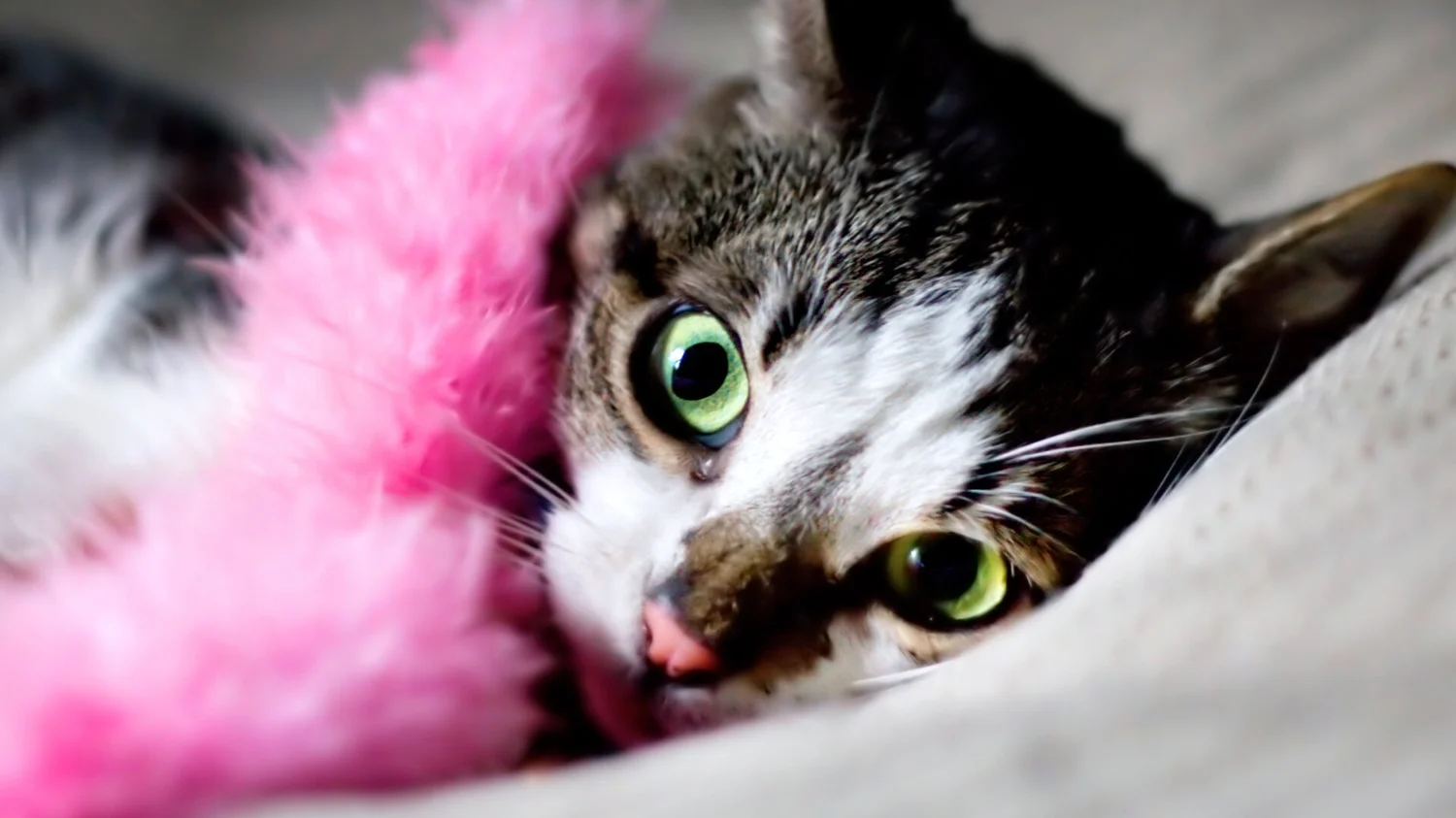
Have you ever watched your cat gently carry a toy in its mouth while letting out soft cries? It can be both curious and a little puzzling.
You might wonder why your furry friend does this and what those sounds really mean. Is your cat trying to tell you something? Understanding this behavior can deepen the bond between you and your pet. Keep reading to discover the surprising reasons behind your cat’s toy-carrying and crying, and learn what it means for your relationship.

Credit: www.reddit.com
Cat Behavior Basics
Understanding your cat’s behavior helps build a stronger bond. Cats use actions and sounds to express feelings and needs. Carrying a toy and crying is a unique behavior that has deep roots.
These behaviors often connect to instincts and communication styles. Knowing why your cat acts this way can make you a better pet owner.
Instincts Behind Toy Carrying
Cats carry toys to mimic hunting and caring for prey. This behavior comes from their wild ancestors. Female cats often carry their kittens this way.
Your cat may see the toy as a “baby” to protect. Carrying the toy around shows their natural caregiving instinct. It also satisfies their hunting drive in a safe way.
Communication Through Vocalization
Crying or meowing while carrying a toy is your cat’s way to talk. They may want your attention or feel unsure. Sometimes, it signals pride after a “successful hunt.”
Each cat’s cry sounds different and means something specific. Pay attention to tone and context to understand better. Your cat uses sounds to express emotions and needs clearly.

Credit: www.youtube.com
Hunting Instincts And Play
Cats have strong hunting instincts inherited from their wild ancestors. These instincts often show up in their play behavior. Carrying toys and vocalizing is part of this natural drive. Play helps cats practice skills they need to hunt and survive.
Toys As Prey Substitutes
Toys act like fake prey for cats. They mimic small animals such as mice or birds. Cats use toys to stalk, pounce, and carry as if hunting real prey. This play satisfies their need to chase and catch. It also keeps them active and sharp.
Why Cats Carry And Cry
Cats carry toys to bring their “catch” to a safe spot. Crying or meowing is common during this behavior. It may be a way to get attention or express excitement. Some cats also “call” to their owner as if sharing a prize. This shows deep connection to their natural instincts.
Seeking Attention
Cats carry toys and cry to get your attention and show they want to play or need comfort. This behavior mimics hunting and sharing. It’s their way of asking for interaction or care.
Cats are fascinating creatures, often full of quirks that leave us both amused and puzzled. One such behavior that can leave cat owners scratching their heads is when their feline friends carry toys around and cry. This behavior is not just a random act, but often a cat’s way of seeking attention. Understanding why your cat does this can help you respond appropriately and deepen your bond with your furry companion.Using Toys To Get Noticed
Cats are intelligent and resourceful. They quickly learn that certain actions grab your attention. Carrying a toy around is a strategic move by your cat to get noticed. Imagine your cat prancing around the house, toy in mouth, eyes fixated on you. This act is not just about play; it’s about ensuring you see them. By using toys as props, they create a scenario that demands your attention. Next time your cat carries a toy and drops it at your feet, consider it an invitation. They might want to play or simply be acknowledged. It’s their way of saying, “Look at me!”Crying As A Call For Interaction
The crying sound your cat makes while carrying a toy can be quite perplexing. But this vocalization is their way of communicating with you. Cats use crying to signal a desire for interaction. It might be a request for playtime, or they might just want some cuddles. This behavior is akin to a child calling out for their parent. Have you noticed your cat’s cries differ in pitch or intensity? This could indicate different needs or emotions. Pay attention to these nuances to better understand what your cat is asking for. By responding to their cries and engaging with them, you reinforce their trust and strengthen your relationship. So, next time your cat cries with a toy in tow, consider it an opportunity to connect.Stress And Anxiety Signals
Stress and anxiety in cats often show up in behaviors that might confuse you. One such behavior is carrying a toy around while crying. This can be a clear signal that your cat is trying to cope with emotional discomfort in a way that feels safe to them.
How Stress Affects Cat Behavior
Stress can change a cat’s behavior dramatically. You might notice increased vocalization, restlessness, or even changes in eating habits. Crying while carrying a toy can be your cat’s way of expressing unease or seeking comfort.
Think about your cat’s environment—have there been recent changes like new pets, visitors, or loud noises? These can all trigger anxiety, prompting your cat to find a familiar object to hold onto. This behavior is a form of self-soothing, much like how humans might fidget with something when nervous.
Toys As Comfort Objects
Your cat’s toy can act like a security blanket. It offers a sense of familiarity and safety in moments of stress. Carrying and crying over a toy may help your cat feel less alone and more in control.
Observe which toys your cat prefers and how they interact with them. Some cats favor soft toys they can carry in their mouths, while others might choose something that smells like you. Providing these comfort objects can reduce anxiety and improve your cat’s emotional well-being.
Have you noticed your cat’s crying intensify during stressful times? Offering a quiet space and their favorite toy might help ease their anxiety. Your attention to these subtle signals can make a big difference in their happiness.
Maternal Instincts In Adult Cats
Adult cats often carry toys around and cry due to deep-rooted maternal instincts. These behaviors reflect their natural caregiving urges, even if they are not mothers themselves. Understanding these instincts can help you better interpret your cat’s actions and respond with empathy.
Adopting Toys As Kittens
Many cats start their attachment to toys early in life, often during kittenhood. They treat soft toys like surrogate siblings or offspring, carrying them gently as they would a kitten. This behavior can continue into adulthood, especially if the cat didn’t have actual siblings or kittens to care for.
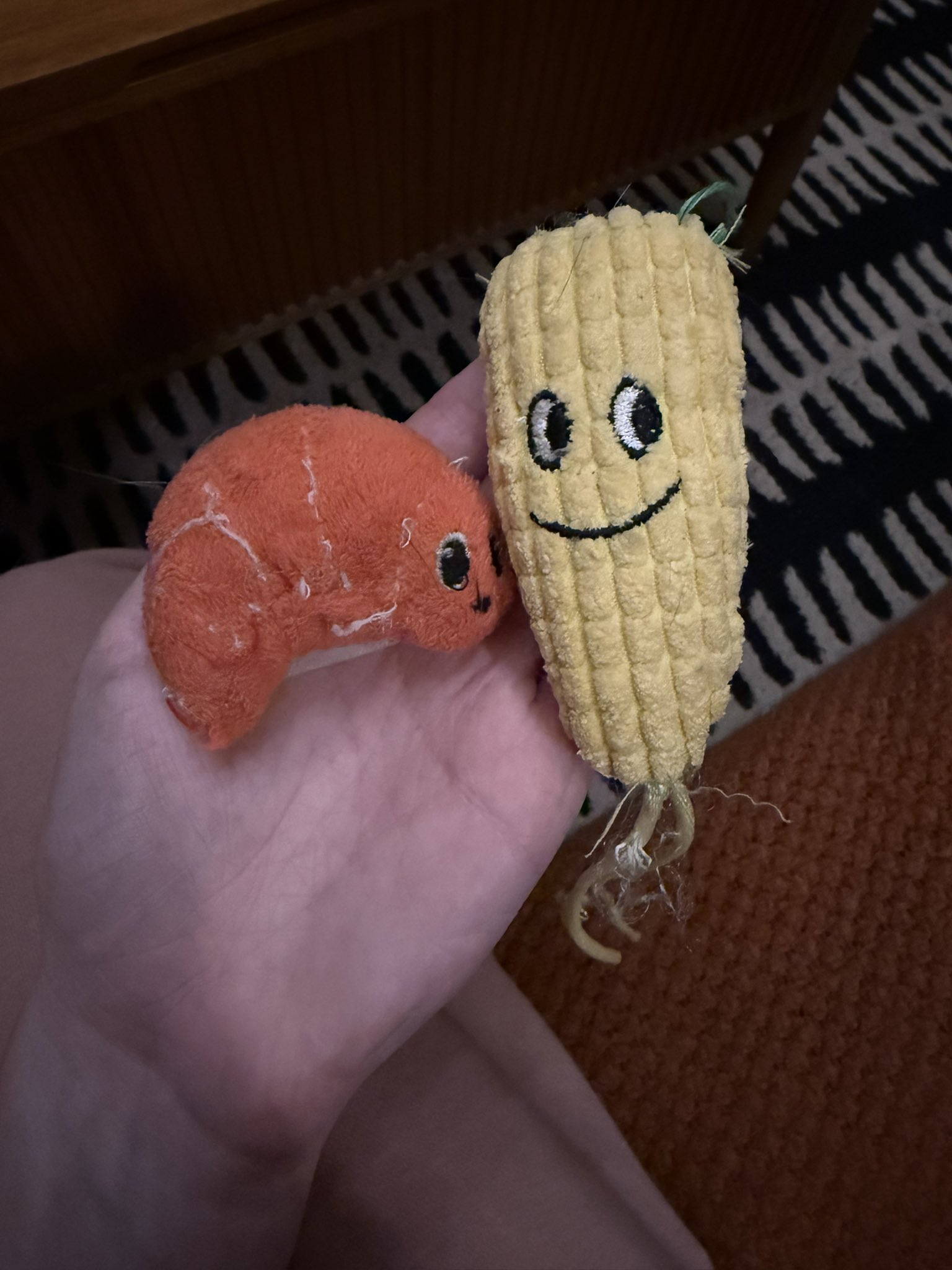
You might notice your cat carefully picking up a small toy mouse or a plush ball and walking around with it. This isn’t just play—it’s a sign they are practicing caregiving roles they instinctively understand. Have you ever seen your cat clean or nuzzle their toy? That’s a strong hint at their maternal side.
Crying Related To Caregiving Instincts
The crying sound your cat makes while carrying a toy isn’t random. It often mimics the calls of a mother cat communicating with her kittens. This vocalization can be a way your cat expresses concern or a desire to protect the “young” they carry.
Think about it: your cat might be trying to get your attention, asking for reassurance or help. This vocal cue is their way of saying, “I’m responsible for this little one.” If you respond with gentle talk or petting, it can calm their anxiety and strengthen your bond.
Next time your cat carries a toy and cries, watch closely. Are they grooming it or moving it to a safe spot? These actions show how strong their maternal drive is. How do you usually respond when your cat behaves this way? Adjusting your reaction could make a big difference in your cat’s emotional comfort.
Credit: x.com
Health Concerns To Consider
Cats carrying toys and crying might signal health issues. Watching their behavior closely helps spot problems early. Some health concerns cause discomfort, prompting this unusual action. Recognizing signs can protect your cat’s well-being.
Pain Or Discomfort Indicators
Carrying a toy and crying can mean pain or unease. Cats may use toys as comfort objects during stress or injury. Look for these signs:
- Changes in eating or drinking habits
- Less grooming or a messy coat
- Hiding or reluctance to move
- Excessive vocalization or restlessness
- Limping or sensitivity to touch
These behaviors suggest your cat feels unwell or hurt. The toy might be a way to cope with pain.
When To Consult A Vet
Contact a vet if your cat:
- Cries loudly or frequently while holding the toy
- Shows signs of pain or injury
- Stops eating or drinking
- Becomes withdrawn or aggressive
- Has trouble walking or using the litter box
Early vet visits help diagnose issues fast. Proper treatment can ease your cat’s discomfort. Don’t wait if symptoms worsen or last more than a day.
Tips To Manage Toy Carrying And Crying
Managing your cat’s habit of carrying toys and crying can improve both your pet’s and your peace. Understanding how to guide this behavior helps keep your cat happy and calm. Simple changes in playtime and environment make a big difference.
Encouraging Positive Play
Offer a variety of toys to keep your cat interested. Rotate toys often to maintain excitement. Play with your cat daily to satisfy its hunting instincts. Use interactive toys that mimic prey movements. Praise your cat when it plays quietly. Avoid encouraging crying by not reacting to it. Create a routine playtime to reduce stress and attention-seeking cries.
Reducing Anxiety Through Environment
Provide a safe, quiet space where your cat can relax. Use soft bedding and cozy hiding spots. Keep feeding and play areas consistent and calm. Minimize loud noises and sudden changes around your cat. Consider using calming sprays or diffusers designed for cats. Ensure your cat has access to vertical spaces like shelves or cat trees. A stable environment helps lower anxiety and crying related to toy carrying.
Frequently Asked Questions
Why Does My Cat Carry Toys And Cry?
Cats carry toys and cry to mimic hunting behavior. It’s a way to show pride in their catch. Crying may signal they want attention or feel stressed. This behavior is natural and reflects their instincts and emotions.
Is Toy-carrying A Sign Of Cat Stress?
Yes, toy-carrying combined with crying can indicate stress or anxiety. Cats may seek comfort by holding toys. It’s important to observe other signs and provide a calm environment to help your cat feel safe.
Do Cats Carry Toys To Seek Attention?
Cats often carry toys and vocalize to get your attention. They want interaction, playtime, or comfort. Responding with play or affection can strengthen your bond and reduce their need to cry for attention.
Can Carrying Toys Be A Motherly Instinct In Cats?
Yes, some cats carry toys like prey to their owners. This behavior mimics a mother cat bringing food to kittens. It reflects nurturing instincts and a desire to share their “catch” with you.
Conclusion
Your cat carries toys and cries to express natural instincts and feelings. This behavior shows care, play, or sometimes stress. Understanding your cat helps build trust and comfort. Watch closely and respond with gentle attention. Toys can be a way for cats to feel safe.
Every cat is different, so patience is key. Keep observing to learn what your cat needs. This small act means a lot in your cat’s world.

Leave a Reply