Are you curious about cats that stand out from the crowd? If you love discovering unique pets, you’ll want to know which cat breeds are rare and why they’re so special.
These cats aren’t just different—they have fascinating traits and stories that make them truly one of a kind. Keep reading to find out about these extraordinary feline friends that could capture your heart and maybe even become your next companion.
Rare Cat Breeds Overview
Rare cat breeds fascinate many cat lovers. These cats are not common and have unique traits. Some have special appearances, while others have unusual behaviors. They often come from specific regions or have a limited number of cats worldwide.
Many rare breeds have interesting histories. Some were almost lost but saved by breeders. Others are newly discovered or developed through careful breeding. Owning a rare cat can be special because of its uniqueness and charm.
Ashera Cat
The Ashera cat is very rare and large. It looks like a wild leopard but is a domestic cat. It has spotted fur and a tall, sleek body. This breed is known for being friendly and intelligent.
Peterbald Cat
Peterbald cats come from Russia. They have a slim, elegant body and can be hairless or have short fur. These cats are very social and enjoy being around people. Their unique look makes them stand out.
Kurilian Bobtail
The Kurilian Bobtail has a short, bobbed tail. It comes from the Kuril Islands between Russia and Japan. This breed is strong, active, and great at hunting. Their thick fur helps them live in cold climates.
Serengeti Cat
The Serengeti cat has long legs and large ears. It looks like a small wild cat from Africa. This breed is playful, energetic, and loves to climb. They have spotted coats that make them very striking.
Chausie Cat
Chausie cats are a mix of domestic cats and wild jungle cats. They have a muscular build and short fur. This breed is very active and enjoys exploring. Their wild appearance makes them unique pets.

Credit: www.yahoo.com
Exotic Coat Patterns
Exotic coat patterns in cats are more than just beautiful—they’re a glimpse into the unique genetics and history of rare breeds. These patterns can make a cat stand out in a crowd and spark curiosity about its origins. Understanding these distinctive markings can help you appreciate the diversity in feline appearances and maybe even inspire you to find a rare cat with a coat that truly captivates.
Spotted And Rosetted Cats
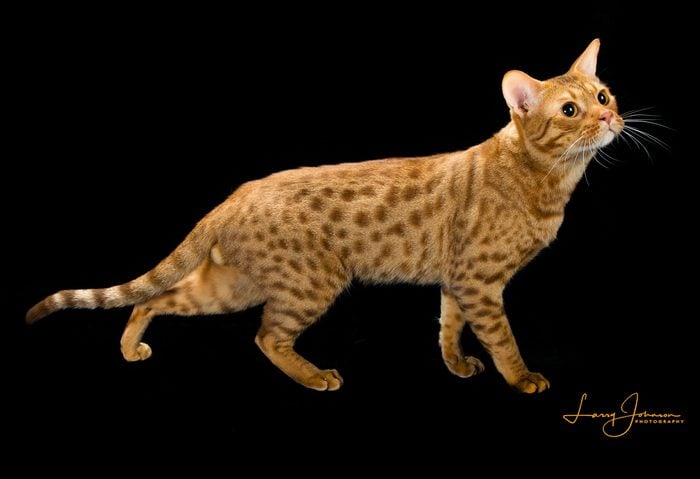
Spotted and rosetted patterns mimic the wild look of big cats, but on a much smaller scale. Breeds like the Bengal and Ocicat showcase these eye-catching spots, making each cat look like a tiny leopard or ocelot. The rosetted pattern, with its darker outlines around spots, adds depth and complexity that’s rare to find in domestic cats.
Have you ever noticed how these patterns seem almost artful? That’s because they are. Each spot or rosette varies in size and shape, ensuring no two cats look exactly the same. This uniqueness can make owning one feel like having a living piece of natural art.
Unique Fur Textures
Beyond patterns, some rare cat breeds boast unusual fur textures that surprise the touch. The Cornish Rex, for example, has soft, wavy fur that feels like velvet, while the LaPerm’s coat curls in tight ringlets. These textures don’t just add to their charm—they also affect grooming needs and how the cat feels to pet.
If you want a cat that offers more than just visual appeal, feeling its fur can be a delightful experience. But keep in mind, unique fur textures often require special care. Are you ready to adjust your grooming routine to suit your cat’s extraordinary coat?
Unusual Physical Traits
Unusual physical traits in rare cat breeds can make these feline friends truly stand out. These unique features often reflect specific genetic quirks passed down through generations. They don’t just add charm—they reveal fascinating stories about the breed’s history and adaptation.
Ear Shapes And Sizes
Have you ever noticed a cat with ears that look different from the typical pointy shape? Some rare breeds have ears that curl, fold, or are unusually large or small. These traits can make a cat instantly recognizable.
- Scottish Fold:Known for its folded ears that bend forward and down, giving the cat a cute, owl-like appearance.
- American Curl:This breed sports ears that curl backward in a smooth arc, creating an elegant look.
- Peterbald:Often has large, wide-set ears that give it a sleek, alert expression.
Does your cat’s ear shape affect how you interact with it? Some owners find that these unique ears add to their pet’s personality and charm. It’s a reminder that small physical differences can make a big emotional impact.
Tail Variations
Tails can vary widely among cat breeds, and rare ones often have distinctive tail shapes or lengths. These variations are not just cosmetic; they can hint at a breed’s origins or environment.
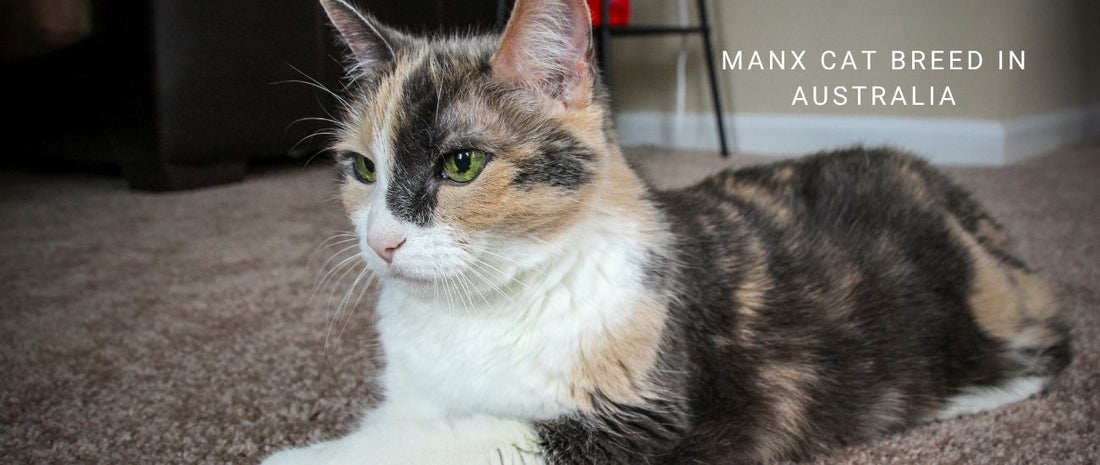
- Manx:Famous for its shortened or completely absent tail, a genetic trait that sets it apart instantly.
- Japanese Bobtail:Displays a short, pom-pom-like tail that moves expressively.
- Pixie-bob:Has a bobbed tail that can be kinked or straight but is always shorter than average.
Have you noticed how a cat’s tail communicates its mood? Rare tail variations can sometimes make these signals more noticeable or unique. Paying attention to these details can deepen your understanding of your cat’s emotions and behavior.
Geographic Origins
Geographic origins play a crucial role in defining the rarity and uniqueness of cat breeds. The environment where a breed developed influences its physical traits, behavior, and even health. Understanding where these rare cats come from helps you appreciate their distinct characteristics and the challenges they face in the wild or at home.
Cats From Remote Regions
Some rare cat breeds come from isolated, hard-to-reach areas. These regions often have harsh climates or limited human presence, which helps preserve unique traits in the local feline population.
Take the Kurilian Bobtail, for example. Native to the Kuril Islands between Russia and Japan, these cats have adapted to cold, rugged environments. Their strong, muscular build and short, bobbed tail make them excellent hunters and survivors in this remote setting.
Have you ever wondered how isolation affects a cat’s genetics? These remote origins often lead to limited gene pools, which can make the breeds rare but also vulnerable to genetic issues.
Island And Mountain Breeds
Islands and mountain regions create natural barriers that shape the evolution of unique cat breeds. The limited interaction with other populations often results in distinctive looks and behaviors.
The Turkish Van is a great example, hailing from the Lake Van region in Turkey. Known for its love of water and distinctive coat pattern, this breed evolved in a mountainous, lake-filled area that influenced its traits.
Similarly, the Nebelung breed has roots tied to colder, forested regions and features a thick, silky coat perfect for mountainous climates. These environments not only create physical differences but also impact the cats’ temperaments and lifestyles.
When considering adopting a rare breed, think about how its geographic origin might affect its care needs. Are you ready to meet those specific requirements?
Personality And Behavior
Rare cat breeds often show unique personalities and behaviors that differ from common cats. Some are shy and quiet, while others are playful and curious. Understanding these traits helps owners connect better with their special feline friends.
Understanding the personality and behavior of rare cat breeds can be a delightful discovery. Each breed comes with its own unique set of characteristics, making them intriguing companions. Whether you’re considering adopting a rare breed or simply curious, knowing their temperament can help you form a deeper bond with these fascinating felines.Distinctive Temperaments
Rare cat breeds often have distinctive temperaments that set them apart from more common breeds. For instance, the Lykoi, known as the “werewolf cat,” is not only unique in appearance but also in its curious and playful nature. It loves to explore every nook and cranny of the home, keeping you on your toes with its adventures. Another rare breed, the Khao Manee, is renowned for its affectionate and social demeanor. This breed thrives on interaction and enjoys being the center of attention. Its striking eyes and friendly disposition make it a favorite among those who seek a more engaging pet experience.Interaction With Owners
The way rare breeds interact with their owners can be quite special. Take the Turkish Van, for example. Known for its love of water, this breed often surprises its owners by joining them for a swim or playtime in the bathtub. This unexpected trait can lead to some memorable bonding moments. On the other hand, the Serengeti cat’s energetic and intelligent nature makes it an active participant in family life. It enjoys interactive play and puzzle games, often challenging its owners to keep up with its quick wit. Are you ready to match the Serengeti’s playful energy? If you’re looking for a cat that will form a deep connection with you, consider the Ashera. This breed is known for its dog-like loyalty, often following its owner from room to room. Its devotion can provide a comforting presence, making it an ideal companion for those who appreciate a close-knit relationship with their pet. Choosing a rare cat breed means embracing their unique personalities and behaviors. Each interaction is a chance to discover something new about your feline friend, making the journey all the more rewarding.
Credit: www.youtube.com
Care And Maintenance
Taking care of rare cat breeds requires a bit more attention and understanding than more common breeds. Their unique traits often come with specific needs that you should be ready to meet. Proper care ensures these special cats stay healthy, happy, and comfortable in your home.
Grooming Needs
Rare cat breeds often have distinct fur types that demand different grooming routines. For example, the Sphynx cat, known for its hairlessness, still needs regular baths to remove oils from its skin. On the other hand, the Norwegian Forest Cat has a thick double coat that benefits from frequent brushing to prevent mats and tangles.
If you have a rare long-haired breed, expect to spend time daily on grooming. Not only does this keep their coat shiny, but it also helps you bond with your cat. Have you noticed how a gentle brush can calm even the most active feline?
Health Considerations
Many rare cat breeds have genetic predispositions to certain health issues. The Scottish Fold, for instance, can suffer from cartilage problems affecting its ears and joints. Knowing these risks lets you watch for early signs and consult your vet promptly.
Regular vet checkups become even more important with rare breeds. Vaccinations, dental care, and parasite control should not be overlooked. Are you prepared to provide the extra medical attention your rare cat might need?
How To Find Rare Breeds
Finding rare cat breeds requires patience and a bit of detective work. These cats aren’t usually found in your local pet store or typical shelters. You need to know where to look and how to approach the search to increase your chances of welcoming a unique feline into your home.
Breeders And Rescue Centers
Specialized breeders often focus on rare breeds like the Sokoke or the Kurilian Bobtail. Connecting with reputable breeders is crucial to ensure the health and authenticity of the breed. Ask for health clearances and visit their facilities if possible to see how the cats are raised.
Rescue centers sometimes have rare breeds that owners couldn’t keep anymore. These rescues are hidden gems if you’re patient enough to monitor their listings or get in touch regularly. Keep an eye on breed-specific rescue groups online; they often update available cats quickly.
Adoption Tips
Adopting a rare breed means being flexible with timing. You might have to wait months before a rare cat is available. Use social media groups and forums dedicated to rare cats to stay in the loop about upcoming adoptions.
Prepare your home to meet the needs of the specific breed you want. Some rare cats have unique grooming or activity requirements. Research thoroughly and ask current owners about daily care to avoid surprises.
Would you consider a rare breed that needs special care, or do you prefer one with a more typical routine? Your lifestyle matters as much as the cat’s rarity.
Credit: www.rd.com
Frequently Asked Questions
What Are The Rarest Cat Breeds In The World?
The rarest cat breeds include the Sokoke, Peterbald, and Kurilian Bobtail. These breeds have limited populations and unique traits. They are often hard to find and highly prized by cat enthusiasts worldwide.
Why Are Some Cat Breeds Considered Rare?
Cat breeds are rare due to low population numbers, geographic limitations, and selective breeding. Some breeds have unique physical traits that make them less common. Preservation efforts help maintain their genetic diversity.
How Can I Identify A Rare Cat Breed?
Rare cat breeds often have distinctive features like unusual coat patterns, body shapes, or ear types. Research breed standards and consult breeders to confirm identification. Knowledge of breed history also helps distinguish rare cats.
Are Rare Cat Breeds More Expensive To Buy?
Yes, rare cat breeds usually cost more due to their scarcity and breeding challenges. High demand and limited availability drive prices up. Proper care and responsible breeding also add to the cost.
Conclusion
Rare cat breeds offer unique beauty and charm. They can brighten any home with their special traits. Learning about these cats helps us appreciate their rarity. Each breed has its own story and character. These cats need love and care like any pet.
Choosing a rare breed means welcoming something truly special. Enjoy the journey of discovering and caring for rare cats. They bring joy and wonder to many cat lovers.

Leave a Reply