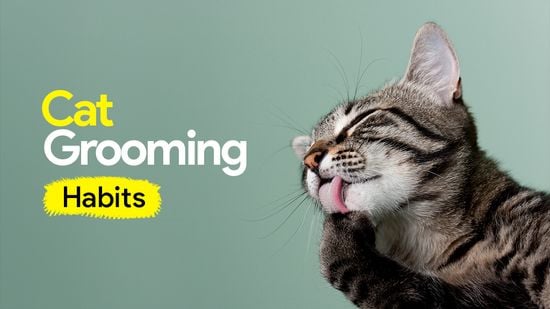
Have you ever watched your cat spending so much time licking its fur and wondered, “How many hours do cats groom each day?” It’s not just a quirky habit—grooming plays a huge role in your cat’s health and happiness. Understanding this daily ritual can help you spot when something might be wrong or simply appreciate the care your feline friend takes in keeping clean.
Keep reading to uncover surprising facts about your cat’s grooming routine that will change the way you see those long, peaceful grooming sessions.
Daily Grooming Habits
Cats spend a good part of their day grooming themselves. This habit keeps their fur clean and healthy. Grooming also helps cats relax and feel safe. It is an important part of their daily routine.
Typical Grooming Duration
Most cats groom for about 30 to 50 minutes daily. Some cats may spend even more time. Grooming sessions often happen in short bursts. Cats lick their fur, clean their face, and smooth their coat. This keeps dirt and loose hair away.
Factors Influencing Grooming Time
- Age:Younger cats groom more often than older cats.
- Health:Healthy cats spend more time grooming.
- Breed:Long-haired cats need extra grooming time.
- Stress:Stressed cats may groom less or more.
- Environment:Dirty or dusty areas increase grooming needs.
Reasons Cats Groom So Much
Cats spend a big part of their day grooming. This is not just about looking clean. Grooming has many important reasons behind it. Understanding these reasons helps us care for cats better.
Maintaining Fur Health
Grooming removes dirt and loose fur from a cat’s coat. It stops mats and tangles from forming. Clean fur helps keep skin healthy. Cats spread natural oils that protect their fur. This makes their coat shiny and soft.
Temperature Regulation
Cats use grooming to cool down or warm up. Licking their fur spreads saliva that cools them when it evaporates. In cold weather, grooming fluffs their fur. This traps heat close to the skin. Grooming helps cats stay comfortable in different temperatures.
Stress Relief And Comfort
Grooming calms cats when they feel anxious or scared. It is a soothing activity that lowers stress. Cats also groom to feel safe and secure. Sometimes grooming is a way to avoid boredom. It gives them comfort and peace of mind.
Grooming Differences Among Breeds
Understanding how different cat breeds groom themselves can offer insights into their unique behaviors and needs. While grooming is a universal trait among felines, the time and effort put into it can vary significantly from breed to breed. Knowing these differences can help you better care for your cat and ensure they are healthy and happy.
Short-haired Cats
Short-haired cats, such as the American Shorthair, typically spend less time grooming compared to their long-haired counterparts. Their shorter fur makes the grooming process quicker and more efficient. If you have a short-haired cat, you might notice they spend around 30 to 50 minutes a day maintaining their sleek coats.
Despite their efficient grooming habits, they still require occasional help from you. Regular brushing can remove loose hairs and reduce shedding. Have you considered how a simple grooming session can strengthen the bond between you and your pet?
Long-haired Cats
Long-haired breeds like Persians or Maine Coons often dedicate more time to grooming. Their luscious locks can take them anywhere from one to three hours each day to manage. This extensive grooming helps them prevent tangles and mats, which can become uncomfortable or even painful.
Your assistance is crucial for these breeds. Regular brushing not only helps maintain their coat but also minimizes hairballs. How often do you find yourself reaching for the grooming brush to help your long-haired friend?
Hairless Breeds
Hairless breeds, such as the Sphynx, present a unique grooming scenario. Although they lack fur, they still need regular cleaning to remove oils that accumulate on their skin. Surprisingly, these cats can spend a significant amount of time grooming, focusing on cleaning their skin and paws.
Bathing your hairless cat is essential, usually once a week, to keep their skin healthy. Have you ever thought about the different grooming needs of a hairless cat compared to their fur-covered counterparts?

Credit: www.brandcrowd.com
Signs Of Excessive Grooming
Cats usually groom themselves several times a day. Grooming helps keep their fur clean and healthy. But sometimes, cats groom too much. Excessive grooming can cause problems. It may lead to sore spots or hair loss. Watch for signs that your cat is over-grooming. These signs show your cat might need help.
Causes Of Over-grooming
- Stress or anxiety from changes at home
- Skin allergies caused by food or environment
- Parasites like fleas or mites
- Pain from injuries or arthritis
- Boredom due to lack of play or attention
Potential Health Issues
- Open wounds or irritated skin
- Hair loss in patches or thinning fur
- Infections from constant licking or scratching
- Behavior changes like hiding or aggression
- Digestive problems if swallowed fur causes hairballs
How Owners Can Support Grooming
Supporting your cat’s grooming helps keep their coat clean and healthy. Cats groom themselves for several hours each day, but owners can assist to reduce hairballs and matting. Gentle care strengthens your bond and makes grooming a positive experience for your pet.
Brushing Techniques
Choose a brush suited to your cat’s fur type. Use soft, slow strokes following the fur’s natural direction. Focus on areas prone to tangles like the neck and belly. Brush regularly to remove loose hair and reduce shedding. Stop if your cat seems uncomfortable and try again later.
Creating A Comfortable Environment
Pick a quiet, calm spot for grooming sessions. Keep the room warm and free from distractions. Speak softly and offer gentle pets before brushing. Use treats to reward your cat’s cooperation. Short sessions work better than long, stressful ones.
When To Consult A Vet
Seek veterinary advice if your cat shows signs of skin irritation or hair loss. Persistent scratching or redness could mean allergies or infections. A vet can recommend special shampoos or treatments. Regular health checks help catch grooming-related problems early.

Credit: furmily.co.uk
Interesting Grooming Facts
Cats spend a surprising amount of their day grooming themselves, and this behavior is packed with interesting facts that reveal much about their nature. Grooming isn’t just about staying clean; it connects deeply with their social habits and survival instincts. Understanding these facts can help you see your feline friend in a whole new light.
Grooming And Social Behavior
Grooming plays a key role in how cats interact with each other. When cats lick or groom one another, it’s a way to build trust and strengthen bonds. You might notice your cat licking you sometimes—that’s their way of showing affection and including you in their social circle.
Interestingly, cats often groom more when they feel safe and relaxed. If your cat suddenly stops grooming, it could be a sign of stress or illness. Paying attention to grooming habits can give you clues about your cat’s emotional state.
Comparisons With Other Animals
Cats aren’t the only animals that groom, but their approach is quite unique. Unlike dogs, who rely more on their owners for cleanliness, cats are meticulous self-cleaners, spending up to half of their waking hours grooming. This is much more than many other pets.
Even wild animals groom, but their grooming serves different purposes. For example:
- Monkeys groom to remove dirt and parasites while also reinforcing social ties.
- Birds preen their feathers to maintain flight ability and waterproofing.
- Rabbits use grooming mainly to keep their fur clean and free from mats.
Thinking about how your cat’s grooming compares with these animals might change how you view their behavior. Could your cat’s grooming be a way to cope with its environment, just like wild animals? Observing your cat closely can reveal these subtle connections.

Credit: services.petsmart.com
Frequently Asked Questions
How Many Hours Do Cats Groom Daily?
Cats groom themselves for about 2 to 4 hours each day. Grooming helps keep their fur clean, reduces stress, and regulates body temperature.
Why Do Cats Spend So Much Time Grooming?
Cats groom to remove dirt, parasites, and loose fur. It also strengthens their immune system and keeps their skin healthy.
Can Excessive Grooming Harm My Cat?
Yes, excessive grooming can cause skin irritation or hair loss. It may indicate stress, allergies, or medical issues needing veterinary care.
Do All Cats Groom The Same Amount?
Grooming time varies by age, breed, and health. Older or long-haired cats may groom more to maintain cleanliness and comfort.
Conclusion
Cats spend several hours each day cleaning themselves. Grooming keeps their fur clean and healthy. It also helps them feel calm and relaxed. Watching cats groom shows their natural care habits. Every cat has its own grooming routine and time.
Understanding this helps owners support their pets better. Healthy grooming means a happy cat overall. Keep an eye on changes in grooming habits. They can signal health or stress issues. Simple care and attention make a big difference. Cats truly enjoy their daily grooming time.


Leave a Reply