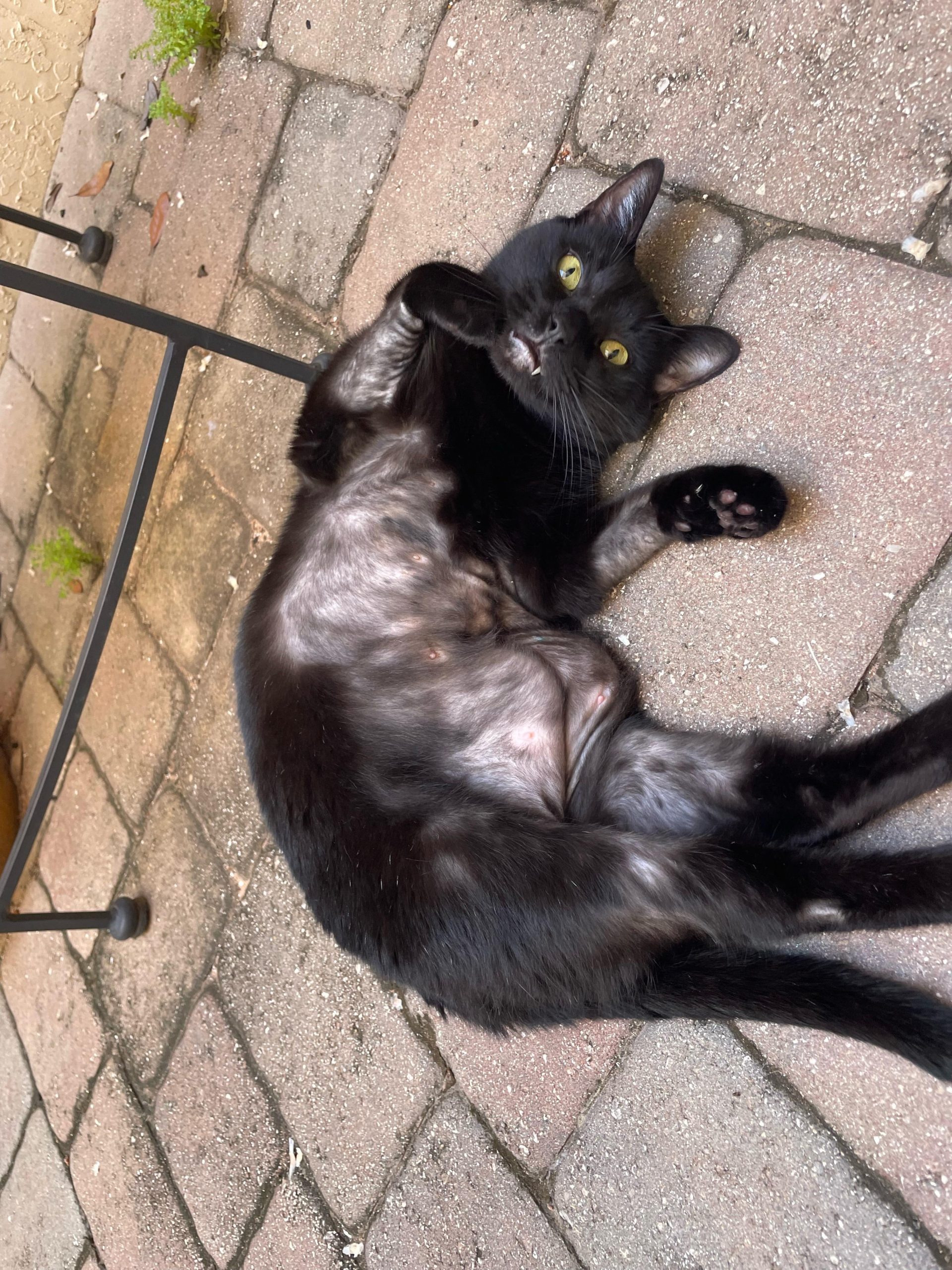
Have you noticed that your cat isn’t grooming like before? It might seem like a small change, but when your furry friend stops cleaning themselves, it could be a sign that something is wrong.
Grooming is a natural habit for cats, and when it suddenly stops, it can affect their health and happiness. You’ll discover the common reasons why your cat has stopped grooming and what you can do to help. Keep reading to learn how to keep your cat comfortable and healthy every day.

Credit: pennypaws.com
Common Reasons Cats Stop Grooming
Noticing your cat suddenly stop grooming can be puzzling and concerning. Grooming is more than just keeping clean; it’s a key part of your cat’s daily routine and well-being. Understanding why your cat might skip this important activity helps you respond quickly and support your furry friend better.
Health Issues
Illnesses can disrupt your cat’s grooming habits. Conditions like kidney disease, diabetes, or arthritis might sap their energy or focus. If your cat seems lethargic or loses interest in cleaning themselves, a vet visit is crucial to rule out underlying health problems.
Pain And Discomfort
Pain is a common reason cats stop grooming. If your cat has an injury or joint pain, reaching certain areas becomes difficult. Watch for signs like limping or sensitivity when touched—these clues suggest your cat might be avoiding grooming due to discomfort.
Stress And Anxiety
Changes in environment or routine can stress your cat, causing grooming habits to decline. Have you recently moved, added a new pet, or changed your schedule? Anxiety can make cats withdraw and neglect self-care, so providing a calm space might encourage them to groom again.
Aging Effects
Older cats often groom less due to reduced flexibility or cognitive decline. Just like people, aging affects their ability to perform daily tasks smoothly. If your senior cat looks scruffy, consider gentle grooming help to keep their coat healthy and comfort them.
Skin Problems
Skin issues like allergies, infections, or parasites can make grooming painful or irritating. Notice if your cat scratches a lot or has bald patches—these could indicate a skin problem. Treating these conditions often helps restore your cat’s desire to groom.
Signs Your Cat Needs Help
Noticing that your cat has stopped grooming can be alarming. Grooming is a key part of a cat’s daily routine and health. When this behavior changes, it often signals that your cat might need help.
Changes In Coat Condition
Look closely at your cat’s fur. Is it dull, greasy, or matted? Cats that stop grooming often develop patches of tangled or dirty fur.
Sometimes, you might see excessive shedding or bald spots. These changes can mean your cat is in pain or feeling unwell. Have you noticed your cat’s coat losing its usual shine?
Behavioral Shifts
Your cat’s attitude can tell you a lot. If your usually affectionate cat becomes withdrawn or irritable, it’s a red flag. Grooming often declines when cats feel stressed or anxious.
Watch for changes like hiding more, avoiding interaction, or becoming aggressive. These shifts often point to underlying issues that need attention. How has your cat’s mood been lately?
Lethargy And Appetite Loss
Energy levels and eating habits are closely tied to grooming. A cat that is tired or eating less may neglect self-care. Lethargy combined with a poor appetite is a sign your cat could be ill.
Have you noticed your cat sleeping more than usual or skipping meals? These signs demand a prompt visit to the vet. Taking action early can make all the difference for your cat’s health.
Medical Conditions Affecting Grooming
Cats are known for their grooming habits. It helps them stay clean and healthy. Sometimes, cats stop grooming due to medical reasons. These conditions can affect their ability to groom.
Arthritis And Mobility Problems
Arthritis is common in older cats. It causes joint pain and stiffness. This discomfort makes grooming difficult. Cats may avoid grooming parts they can’t reach easily. Limited mobility can also hinder grooming. If your cat struggles to move, grooming becomes less frequent.
Dental Issues
Dental problems can prevent cats from grooming. Tooth pain makes it hard to groom their fur. Cats with sore gums may also avoid grooming. Bad breath or drooling might indicate dental issues. Regular dental check-ups help maintain oral health.
Allergies And Parasites
Allergies cause skin irritation and discomfort. Cats may stop grooming to avoid aggravating the itch. Parasites like fleas or mites can also affect grooming. They cause itchiness and skin inflammation. Regular vet visits ensure your cat stays parasite-free.
Stress Factors Impacting Grooming
Stress can deeply affect a cat’s daily habits, including grooming. Cats rely on routine and calm surroundings to feel safe. When stress hits, grooming often drops. Stress disrupts their sense of security and comfort. This can cause a cat to stop cleaning itself properly. Understanding stress factors helps in caring for your cat better.
Environmental Changes
Changes in a cat’s environment can cause stress quickly. Moving to a new home, loud noises, or new furniture can unsettle them. Cats feel safer in familiar places. Sudden changes make them anxious, reducing their grooming habits. Keeping a quiet, stable environment helps them stay calm.
New Pets Or Family Members
Introducing a new pet or family member can stress a cat. They might feel threatened or ignored. This can lead to less self-care and grooming. Cats need time to adjust to newcomers. Giving your cat extra attention can ease their stress and encourage grooming.
Lack Of Stimulation
A bored or lonely cat may stop grooming. Without enough play or mental challenges, cats can feel depressed. Stress from boredom lowers their grooming activity. Providing toys, playtime, and interaction keeps cats happy and clean. Mental and physical stimulation supports healthy grooming habits.
Quick Solutions To Encourage Grooming
Seeing your cat stop grooming can be worrying. Grooming is key to a cat’s health and happiness. Quick actions can help bring back this healthy habit. Focus on clear and easy steps to support your cat’s grooming again.
Regular Vet Checkups
Regular vet visits catch health problems early. Many grooming issues stem from pain or illness. The vet checks skin, teeth, and joints for issues. Early treatment prevents worsening problems. Schedule checkups every six months or as advised.
Pain Management Strategies
Pain often stops cats from grooming. Arthritis, dental pain, or injuries cause discomfort. Your vet can suggest pain relief options. Use medications or topical treatments safely. Helping your cat feel better encourages grooming again.
Stress Reduction Techniques
Stress makes cats stop grooming. Changes in environment or routine cause stress. Create a calm space with quiet and comfort. Use calming sprays or diffusers designed for cats. Spend extra time playing and cuddling your cat.
Proper Nutrition And Hydration
A balanced diet supports healthy skin and coat. Offer high-quality cat food with essential nutrients. Keep fresh water available at all times. Dehydration and poor diet can lead to grooming problems. Monitor your cat’s eating and drinking habits closely.
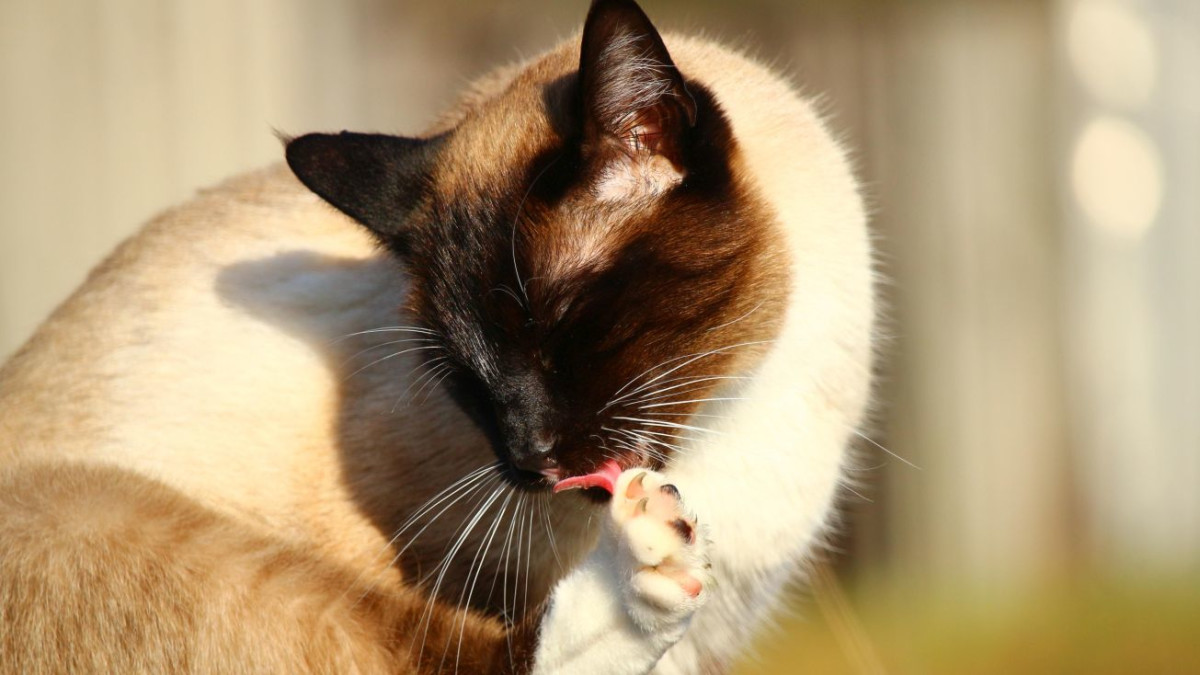
Credit: pethelpful.com
Grooming Assistance Tips
Helping a cat that stopped grooming needs patience and care. Cats may stop cleaning themselves due to health or stress issues. Providing grooming assistance keeps your cat clean and comfortable. It also strengthens your bond.
Brushing Techniques
Use a soft brush suited for your cat’s fur type. Brush gently in the direction of hair growth. Short sessions work better than long ones. Watch for signs of discomfort and stop if your cat resists. Regular brushing removes loose hair and dirt. It also prevents mats and tangles.
Bathing Guidelines
Bathing is rarely needed but helps if your cat is very dirty. Use warm water and cat-friendly shampoo only. Avoid the eyes and ears during washing. Keep the bath short and calm your cat with a soothing voice. Dry your cat with a soft towel quickly to avoid chills. Limit baths to a few times a year unless your vet advises otherwise.
Using Grooming Tools
Select tools based on your cat’s coat and skin sensitivity. Slicker brushes work well for thick fur. Combs help remove tangles and dirt. Nail clippers keep claws safe and neat. Use grooming wipes for quick cleanups. Clean tools regularly to avoid infections. Introduce tools slowly to build your cat’s trust.

Credit: www.youtube.com
Frequently Asked Questions
Why Did My Cat Suddenly Stop Grooming Itself?
Cats may stop grooming due to illness, pain, or stress. Dental problems, arthritis, or skin issues can also affect grooming habits. Observe your cat and consult a vet if grooming stops abruptly.
Can Stress Cause A Cat To Stop Grooming?
Yes, stress can cause cats to stop grooming. Changes in environment, new pets, or loud noises can trigger stress. Reducing stress and providing comfort helps restore normal grooming behavior.
Does Aging Affect A Cat’s Grooming Habits?
Aging can reduce a cat’s grooming ability. Older cats may have arthritis or reduced flexibility, making grooming difficult. Regular vet checkups help manage age-related grooming challenges.
How Can I Encourage My Cat To Groom Again?
Encourage grooming by keeping your cat comfortable and stress-free. Regular brushing can stimulate grooming instincts. If issues persist, seek veterinary advice to address underlying health problems.
Conclusion
A cat stopping grooming can signal health or stress issues. Watch your cat closely for changes in behavior or appearance. Regular grooming is key to your cat’s well-being. Visit a vet if grooming stops for several days. Early care helps prevent serious problems.
Your cat depends on you for comfort and health. Keep their environment calm and safe to encourage grooming. Small steps can make a big difference. Stay patient and observant to support your furry friend.

Leave a Reply