Have you ever noticed your cat lying right on top of his toys and wondered why? It might seem strange at first, but there’s a simple reason behind this quirky behavior.
Understanding why your cat does this can help you connect with him better and even improve his happiness. Keep reading, and you’ll discover surprising insights about your furry friend’s habits that will make you see his toys—and him—in a whole new light.
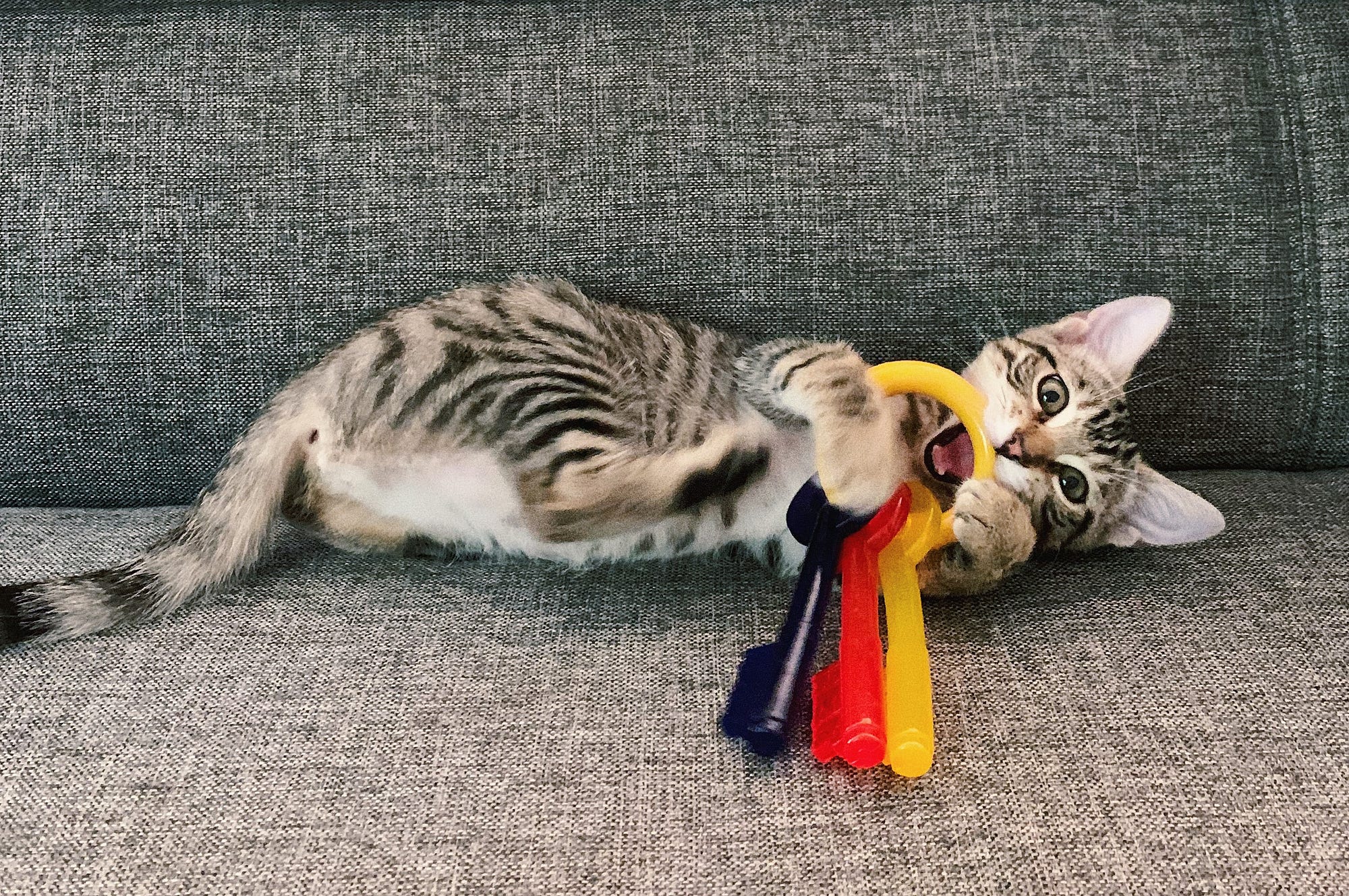
Credit: tenderly.medium.com
Comfort And Security
Comfort and security are fundamental reasons why your cat might choose to lay on his toys. These objects often become more than just playthings—they turn into safe havens where your feline feels protected and at ease. Understanding this behavior can help you create a more comforting environment for your cat.
Toys As A Safe Spot
Your cat’s toys can act like a personal safe spot. Cats often seek out small, familiar places where they feel shielded from potential threats. When your cat lies on his toys, it’s a way of claiming a secure area that belongs entirely to him.
Think about how your cat might behave when he’s anxious or stressed. He may retreat to these toy-laden spots to regain calmness. Have you noticed your cat cuddling with a specific toy during thunderstorms or when visitors come over? This shows how toys provide a reliable sense of protection.
Scent And Familiarity
Scent plays a huge role in your cat’s sense of comfort. Toys carry your cat’s unique smell, which can be incredibly reassuring. When your cat lays on his toys, he surrounds himself with familiar scents that reduce anxiety and create a feeling of belonging.
Consider how you might feel surrounded by familiar smells from home after a long trip. Your cat experiences this too, but even more intensely. You can help by keeping some toys clean but unchanged in scent, so they remain a constant source of comfort.
Territorial Behavior
Cats are naturally territorial animals. When your cat lays on his toys, he might be expressing his need to claim and control his environment. This behavior shows how deeply your cat values his personal space and belongings.
Marking Their Space
By lying on his toys, your cat is marking the area as his own. Cats have scent glands in their paws and skin, so when they rest on something, they leave a subtle but clear scent message. This helps your cat feel secure, knowing his territory is marked and less likely to be challenged.
Have you noticed your cat prefers certain toys or spots more than others? This preference often ties to their desire to maintain control over familiar items and spaces. It’s their way of saying, “This is mine.”
Protecting Valuables
Your cat’s toys are more than just playthings; they are prized possessions. When he lays on them, he is actively guarding these valuable items from other pets or perceived threats. This behavior is a natural instinct to protect what he treasures.
Think about how you might keep important items close and safe. Your cat does something similar by physically positioning himself on his toys. This simple act ensures his treasures remain within reach and under his watchful eye.
Play And Hunting Instincts
Cats lay on their toys to show ownership and feel safe. This behavior taps into their natural hunting instincts and love for play. It helps them stay close to their “prey” and feel relaxed.
Cats are fascinating creatures with strong instincts. Their play and hunting instincts are deeply rooted in their nature. These instincts manifest in various ways, including how they interact with their toys. Understanding these behaviors can help us appreciate our feline friends even more.Simulating Prey Capture
Cats often view toys as prey. This is why they pounce on them with enthusiasm. When a cat lays on a toy, it might be simulating the capture of prey. This behavior is a part of their natural hunting instincts. It provides mental stimulation and satisfies their predatory nature. A cat’s playtime mimics the chase, capture, and kill sequence. This keeps their instincts sharp and engages their mind. Toys that mimic movement can enhance this experience. Feather toys or those with bells can be particularly enticing.Keeping Toys Close For Quick Play
Cats enjoy having their toys nearby. They might lay on them to keep them within reach. This ensures they can play whenever the mood strikes. Having toys close by provides comfort and security. It’s also a way for them to mark their territory. Cats may use their scent to claim ownership over their toys. This behavior shows their playful nature and territorial instincts. It also highlights their need for engagement and activity. Keeping a variety of toys available can satisfy their playful urges.
Credit: www.kinship.com
Attention Seeking
Cats often lay on their toys to get your attention. This behavior shows their desire to interact with you. Cats are smart and know how to catch your eye. Laying on toys can be their way of saying, “Look at me!”
Gaining Your Focus
When a cat lies on a toy, it draws your eyes to that spot. You might notice and come closer to see what’s happening. This is their way to start playtime or seek petting. Cats want you to spend time with them. Toys become a tool to get your attention quickly.
Showing Possession
By laying on toys, cats show these items belong to them. They mark their favorite toys with their scent and body. This signals to you and other pets that the toy is theirs. Possession gives cats a sense of security and pride. It also makes you aware of what they like most.
Physical Warmth
Cats often seek out warmth, and your feline friend lying on his toys might be more than just a quirky habit. Toys can provide a cozy barrier between your cat and cold surfaces, helping him stay warm and comfortable. Understanding this behavior can help you create a more inviting space for your pet.
Using Toys As Insulation
Your cat’s toys act like mini cushions that trap body heat. When he lies on them, the toys create a small layer of insulation, preventing heat from escaping into the cold floor or furniture.
This is especially true if your home has tile or hardwood floors that feel chilly. You might notice your cat circling a spot with his toys before settling down—he’s finding the warmest place to rest.
Comfort During Rest
Toys don’t just provide warmth; they also offer a sense of security and comfort. Lying on something familiar can make your cat feel safe and calm, which encourages longer, more restful naps.
Have you ever noticed your cat clutching a favorite toy while dozing? That toy might be his personal comfort zone, combining warmth and emotional reassurance in one spot.

Credit: tenderly.medium.com
Health And Behavioral Clues
Understanding why your cat lies on his toys can reveal important health and behavioral clues. Cats use body language to express feelings and comfort. Toys often carry their scent and provide a sense of security.
This habit may show emotional states or physical needs. Watching your cat’s behavior helps spot possible issues early. Some actions may hint at stress or discomfort that require attention.
Possible Stress Indicators
Lying on toys can sometimes mean your cat feels anxious. Stress signs include:
- Excessive grooming or scratching
- Hiding or avoiding people
- Changes in eating or sleeping habits
- Increased vocalization or restlessness
Your cat may use toys as a comfort tool. This behavior calms them during uneasy moments. Recognizing these signs helps you act quickly.
When To Consult A Vet
Contact a vet if your cat’s behavior changes suddenly. Look for symptoms like:
- Loss of appetite
- Frequent vomiting or diarrhea
- Lethargy or weakness
- Persistent hiding or aggression
These issues may indicate health problems. Early vet visits can prevent serious conditions. Always trust your instincts about your cat’s wellbeing.
Frequently Asked Questions
Why Does My Cat Prefer Laying On Toys?
Cats lay on toys because they provide comfort and security. Toys often carry their scent, making the spot familiar. This behavior also helps cats claim ownership and feel relaxed in their environment.
Is It Normal For Cats To Lay On Toys?
Yes, it is normal. Cats use toys as soft, cozy spots to rest. They may also lay on toys to keep them close for play or comfort.
Do Cats Lay On Toys To Mark Territory?
Yes, cats lay on toys to mark territory. They transfer their scent from paws and fur onto the toys. This marks the toy as theirs and deters other pets.
Can Laying On Toys Indicate My Cat’s Mood?
Yes, it can. A cat laying on toys often feels safe and content. It shows trust and comfort in their surroundings and with their belongings.
Conclusion
Cats lay on their toys to feel safe and comfortable. Toys carry their scent, making a cozy spot. This behavior shows trust and relaxation. It also helps them guard their favorite things. Watching your cat do this can be quite charming.
Understanding these little habits helps you bond better. Enjoy these moments; they reveal your cat’s personality. Every cat is unique, with special ways to show love. Let your furry friend relax and feel at home.

Leave a Reply