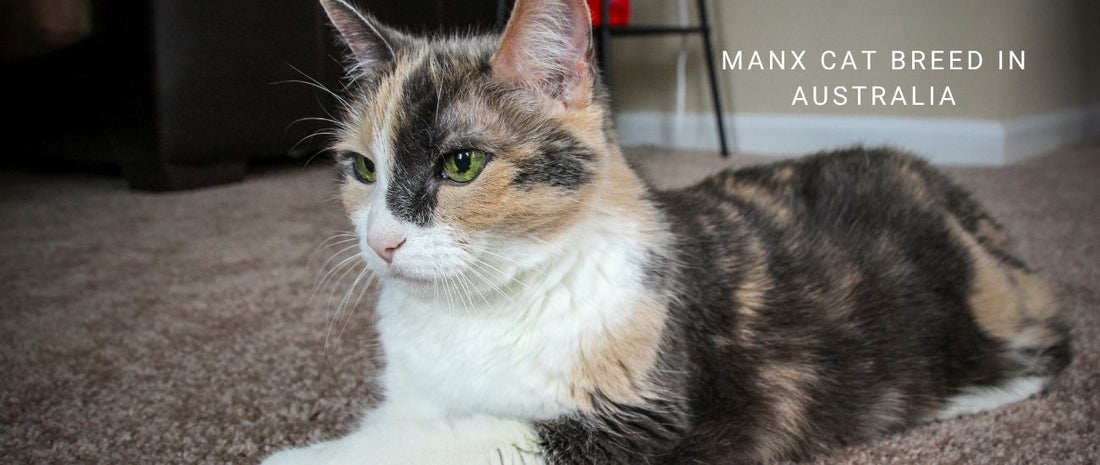
Have you ever wondered why Manx cats, with their unique tailless look, seem to face more health problems than other cats? If you own one or are thinking about bringing a Manx into your home, understanding these health issues is crucial.
Knowing what makes this breed special—and sometimes vulnerable—can help you keep your furry friend happy and healthy. Keep reading to discover the surprising reasons behind their health challenges and what you can do to support your Manx cat’s well-being.
Manx Cat Origins
The origins of Manx cats are as fascinating as the breed itself. These cats hail from the Isle of Man, a small island with a rich history. Understanding where they come from helps explain why they often face health challenges.
Unique Tail Mutation
The most striking feature of Manx cats is their lack of a tail or a very short one. This trait comes from a natural genetic mutation that occurred centuries ago. It’s not just about appearance; this mutation affects their spine and nervous system.
Because the gene responsible for the tail length is dominant but also linked to certain health risks, Manx cats can inherit spinal problems. Have you ever wondered why some Manx cats move differently or seem less agile? That’s often tied to this unique mutation.
Breed Development
Manx cats were bred selectively to maintain their distinctive tail trait. Breeders focused on preserving this characteristic, sometimes at the expense of genetic diversity. This selective breeding increased the chances of passing down health issues related to the mutation.
Unlike many other breeds, Manx cats have a smaller gene pool because of their island origins and selective breeding. This can lead to inherited problems like spinal deformities and digestive issues. If you’re considering a Manx cat, knowing their background can prepare you to watch for these signs early on.
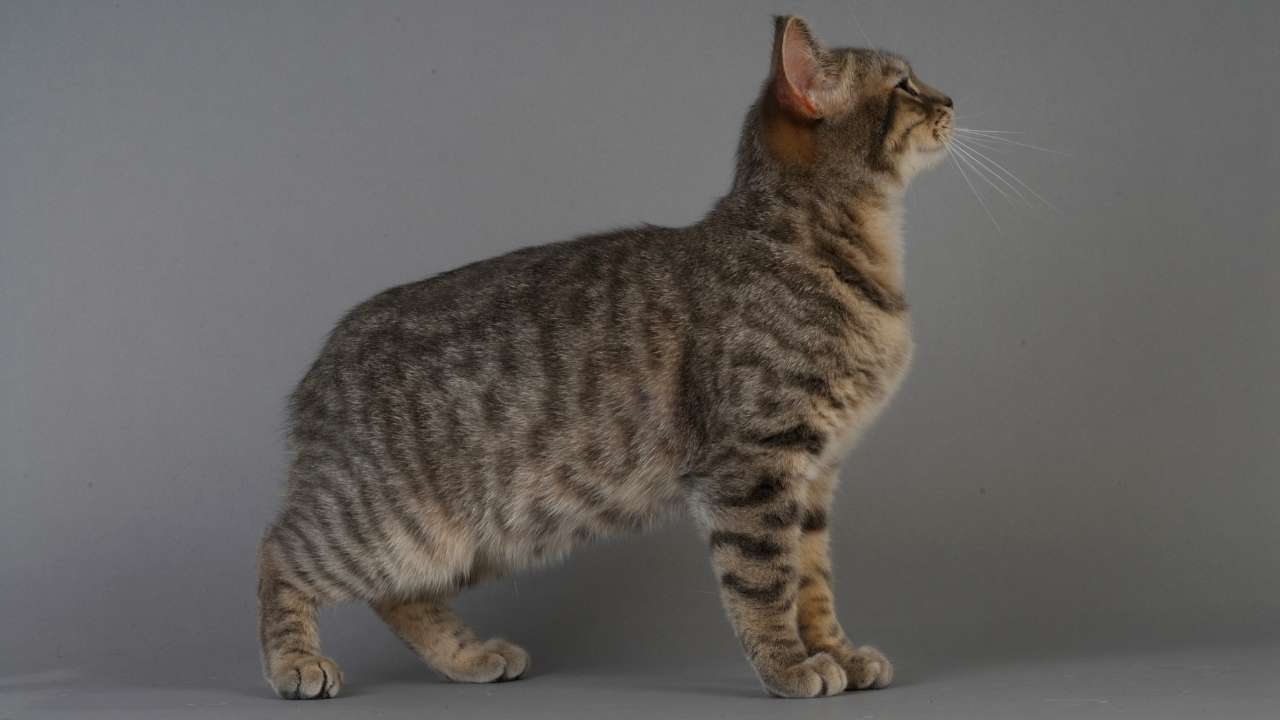
Credit: worldanimalfoundation.org
Common Health Problems
Manx cats are unique for their tailless appearance. This trait comes with specific health concerns. Many Manx cats face common problems linked to their genetic makeup and body structure. Understanding these health issues helps owners provide better care and support.
Spinal Disorders
Manx cats often suffer from spinal problems. Their shortened tails mean their spine is shorter or curved. This can cause serious nerve issues. Some cats have spina bifida, where the spine does not close properly. This condition can lead to pain and difficulty moving.
Digestive Issues
Digestive problems occur frequently in Manx cats. Their unique body shape may affect the intestines. They might experience constipation or bowel blockages. These issues need careful monitoring and diet adjustments. Regular vet checks can catch problems early.
Joint And Mobility Challenges
Manx cats can have joint problems due to spine and bone structure. Arthritis and hip dysplasia appear more often in this breed. These conditions cause stiffness and trouble walking. Exercise and proper weight management help maintain mobility.
Genetic Factors
Manx cats, with their distinctive taillessness, often captivate feline enthusiasts. However, beneath their charming appearance lies a genetic story that influences their health. Understanding these genetic factors is crucial for anyone considering adopting a Manx cat.
Role Of The Manx Gene
The Manx gene, responsible for their unique tailless feature, plays a pivotal role in their health. This gene is a dominant mutation that affects the spine. While it gives them their iconic look, it can also lead to spinal deformities.
Have you ever wondered why some Manx cats are born with short tails or even normal tails? It’s the same gene at work, showing varied expressions. This variability can sometimes mask underlying health issues, making regular check-ups essential.
Inheritance Patterns
Understanding how the Manx gene is inherited is key to grasping their health challenges. The gene follows an autosomal dominant pattern. This means that only one copy of the mutated gene is needed for the tailless trait to appear.
However, if both parents carry the gene, the likelihood of severe health issues increases. Breeding two tailless Manx cats can result in kittens with serious spinal problems. As a responsible pet owner, you should be aware of these patterns when choosing a Manx kitten.
It’s fascinating to think how a single gene can shape both the appearance and health of a cat. If you’re considering a Manx as a pet, are you prepared to manage these potential health challenges? Being informed can help you provide the best care for your feline friend.
Impact Of Breeding Practices
The health problems seen in Manx cats link closely to how breeders select and mate them. Breeding choices shape the breed’s future and its vulnerability to diseases. Understanding these impacts helps explain why Manx cats face many health challenges.
Selective Breeding Risks
Selective breeding focuses on specific traits, like the Manx’s taillessness. This narrows the gene pool and raises chances of passing harmful genes. Breeders often choose cats with the strongest or most visible traits, ignoring hidden health issues. Such selection can increase birth defects and chronic illnesses. The drive for perfect appearance sometimes outweighs the need for healthy genetics.
Inbreeding Concerns
Inbreeding occurs when close relatives mate to keep breed traits pure. This practice reduces genetic diversity, making cats more prone to inherited diseases. Inbreeding can cause weakened immune systems and developmental problems. For Manx cats, it raises risks of spinal and bone defects linked to their unique body shape. Breeders must balance preserving traits and keeping genetic variety to avoid serious health problems.
Preventive Care Tips
Preventive care is key to keeping Manx cats healthy. These cats face unique health challenges due to their distinct genetics. Taking proactive steps helps reduce risks and improves their quality of life. Simple routines and keen observation can make a big difference.
Regular Vet Checkups
Schedule vet visits at least twice a year. These visits help catch health issues early. Vets can monitor spine and joint problems common in Manx cats. Vaccinations and parasite control keep infections away. Regular dental checks prevent oral diseases.
Diet And Exercise
Provide a balanced diet rich in proteins and nutrients. Avoid overfeeding to prevent obesity, which strains joints. Encourage daily play to keep muscles strong. Use toys and climbing structures to stimulate activity. Healthy weight reduces risks of heart and bone problems.
Early Detection Of Symptoms
Watch for signs of discomfort or unusual behavior. Limping, difficulty jumping, or stiffness may indicate spine issues. Changes in appetite or grooming can signal illness. Act quickly if you notice swelling or pain. Early treatment often leads to better outcomes.
Credit: www.purina.com
Living With A Manx Cat
Living with a Manx cat can be a rewarding experience, but it also requires a thoughtful approach to their unique health challenges. These cats are known for their distinct tailless appearance, but this trait often comes with spinal issues and other complications. Understanding how to care for your Manx daily can help you provide the best life possible for your feline friend.
Managing Health Issues
Manx cats are prone to a condition called Manx Syndrome, which affects their spine and nerves. Regular vet check-ups are essential to catch any early signs of discomfort or mobility problems. You should watch for symptoms like difficulty jumping, constipation, or unusual walking patterns.
Diet plays a crucial role in managing their health. High-fiber foods can help prevent constipation, a common problem due to nerve issues in their lower spine. You might also consider supplements recommended by your vet to support joint health.
Keeping a health journal for your Manx can be surprisingly helpful. Note any changes in behavior, appetite, or movement. This record can make discussions with your vet more productive and ensure timely interventions.
Creating A Safe Environment
Your home setup can significantly impact your Manx cat’s well-being. Because they may have balance or mobility issues, avoid high shelves or places where falls are possible. Instead, provide sturdy ramps or low platforms for climbing and resting.
Think about flooring too. Slippery surfaces can increase the risk of injury, so adding rugs or mats can give your cat better grip. This small change can reduce stress on their joints and spine.
Consider your Manx’s mental health as well. These cats are curious but cautious. Creating quiet spaces where they can retreat helps reduce anxiety and supports their overall health. Have you observed how your cat reacts to different areas in your home? Adjusting their environment based on their comfort can make a big difference.

Credit: www.petsradar.com
Frequently Asked Questions
Why Do Manx Cats Suffer From Spinal Problems?
Manx cats often have spinal issues due to a genetic mutation affecting their tail development. This mutation can cause spinal deformities, leading to nerve damage and mobility challenges. These health problems are common because the gene responsible impacts the spine’s structure and function.
What Genetic Factors Cause Manx Cat Health Issues?
Manx cats inherit a dominant gene mutation that shortens or eliminates their tail. This mutation also affects their spine and nervous system. As a result, many Manx cats face complications like spina bifida and digestive problems linked to this genetic change.
Are Manx Cats Prone To Digestive Problems?
Yes, Manx cats can have digestive issues related to their spinal abnormalities. Nerve damage from spinal defects often affects bowel and bladder control. This condition may lead to constipation or urinary problems, requiring special care and veterinary attention.
How Does The Manx Gene Affect Cat Mobility?
The Manx gene can cause tail absence and spine malformations. These defects may impair leg movement and balance. Some Manx cats experience partial paralysis or difficulty walking, making mobility a common concern among the breed.
Conclusion
Manx cats have unique health challenges due to their genetics. Their tail-less trait can lead to spine problems. Breeders must be careful to reduce these health risks. Regular vet check-ups help catch issues early. Understanding their needs keeps Manx cats happy and healthy.
These cats bring joy despite their challenges. Caring owners make a big difference in their lives. Watching for symptoms helps protect their well-being. Manx cats deserve love and proper care every day.


Leave a Reply