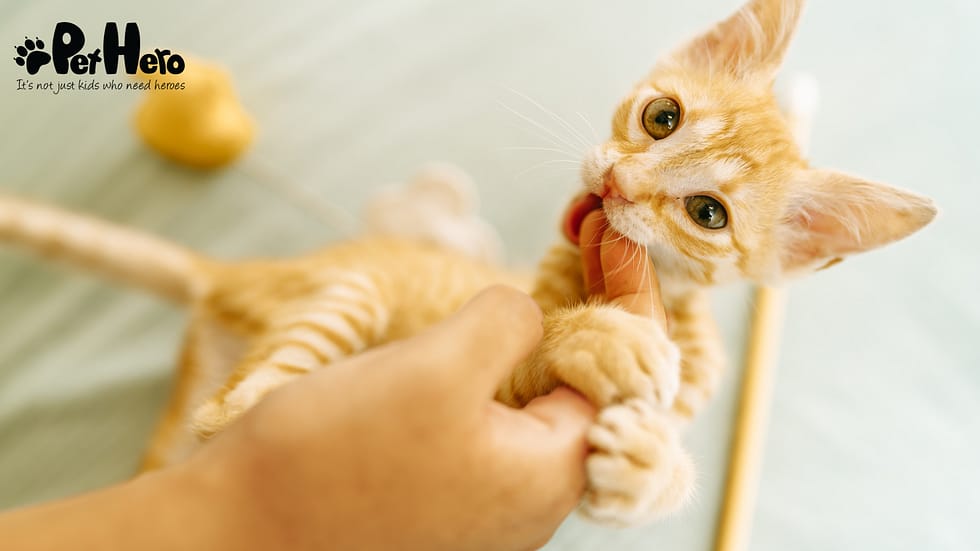
Have you ever wondered why cats seem to instinctively know where to do their business, without any training from you? Unlike dogs, cats don’t need to be taught to use the litter box.
This natural behavior can save you time, stress, and frustration. But what makes cats so good at this on their own? If you want to understand the secret behind your cat’s potty habits and how this affects your life as a pet owner, keep reading.
You’ll discover surprising facts that will change the way you think about your feline friend’s bathroom routine.
Cat Litter Habits
Cats have an impressive natural instinct when it comes to their bathroom habits. Unlike many pets, they don’t require formal potty training because their litter habits are deeply rooted in their behavior. Understanding these habits can help you provide the best environment for your feline friend and avoid common litter box issues.
How Cats Choose Their Bathroom Spot
Cats are very particular about where they do their business. They prefer a quiet, private area that feels safe and allows them to remain undisturbed. A noisy or high-traffic location can make them avoid the litter box entirely.
Many cat owners find that placing the litter box in a low-traffic corner works wonders. Your cat’s choice is influenced by their need to avoid predators and feel secure while vulnerable. Have you noticed your cat avoiding a certain spot? It might be too exposed or noisy for their liking.
The Role Of Scent In Litter Use
Scent plays a huge role in a cat’s litter box preferences. Cats have a strong sense of smell and use scent marking to communicate. A clean litter box with familiar scents encourages consistent use.
If your cat suddenly stops using the box, consider whether the litter or cleaning products have changed. Strong-smelling cleaners or scented litter can deter them. Keeping the litter box fresh but not overpoweringly scented helps your cat feel comfortable and willing to use it.
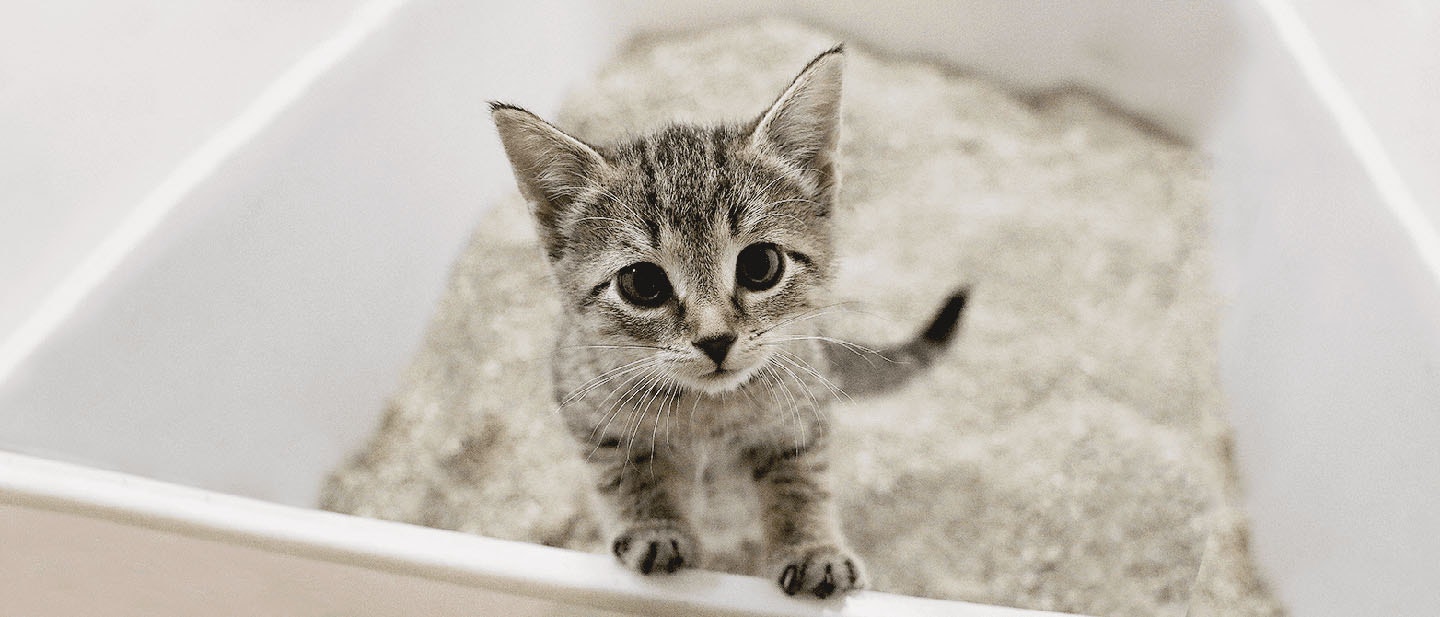
Credit: www.whiskas.com.ph
Instinctual Behavior
Cats are born with natural behaviors that guide their bathroom habits. They do not need potty training like dogs. Their instincts help them manage waste properly from a young age. This instinctual behavior makes them clean and easy to care for.
Digging And Covering Waste
Cats instinctively dig small holes to bury their waste. This behavior starts when they are kittens. Burying waste hides their scent from predators and rivals. It also keeps their living area clean and free from strong odors. Cats use their paws to scoop litter and cover their mess quickly and efficiently.
Survival Benefits Of Cleanliness
Keeping their environment clean helps cats stay safe in the wild. Covering waste reduces the chance of attracting predators. It also lowers the risk of disease and infection. These habits improve their chances of survival. Domestic cats keep these instincts even though they live indoors.
Comparison With Dogs
Cats naturally bury their waste, so they instinctively use a litter box. Dogs need training because they don’t have this instinct. This difference means cats rarely require potty training like dogs do.
Cats and dogs, two of the most popular pets, have vastly different training needs. This is especially evident when it comes to potty training. While dogs often require significant effort and patience to learn where to relieve themselves, cats seem to naturally know how to use a litter box. But why is there such a stark contrast between these two beloved animals?Differences In Training Needs
Dogs often need structured potty training. They rely on their owners to guide them to the right spot. Consistent schedules and positive reinforcement play a significant role in this process. Cats, on the other hand, are typically more independent. They are instinctively drawn to the litter box. This difference in behavior can be surprising to new pet owners expecting a similar training process for both animals. Dogs may require multiple reminders and incentives. Cats usually don’t need much encouragement to use their litter box. This independence is one reason many people find cats to be low-maintenance pets.Evolutionary Background
Cats have evolved as solitary hunters. Their instinct drives them to cover their waste to hide their scent from predators. This behavior makes the transition to using a litter box almost seamless. Dogs have a pack mentality. Their evolutionary background involves marking territory, making them less inclined to cover their waste. This instinct influences their need for more structured potty training. You might wonder how these evolutionary traits affect your daily life as a pet owner. Understanding these differences can help you tailor your approach to training and caring for your pet. Wouldn’t it be fascinating to see if these instincts influence other aspects of their behavior as well?Role Of Mother Cats
The role of mother cats in teaching their kittens essential behaviors is crucial to understanding why cats don’t need formal potty training. From the moment kittens are born, mother cats guide them in instinctive habits that set the foundation for their independence. This natural education shapes how kittens learn to use the litter area effectively without human intervention.
Early Lessons For Kittens
Mother cats start teaching their kittens about cleanliness almost immediately. They instinctively clean their kittens and encourage them to eliminate waste in specific spots, usually away from their sleeping area.
This early guidance helps kittens understand where it’s appropriate to go. The mother’s behavior creates a clear model that kittens follow without needing additional training from you.
Imitation And Learning
Kittens learn a lot by watching their mother’s actions. When they see her using certain places to relieve herself, they imitate this behavior naturally.
Have you ever noticed how quickly kittens pick up on litter habits just by observing? This imitation reduces the need for you to teach them since their mother’s example is enough to guide their actions.
Environmental Factors
Environmental factors play a huge role in why cats don’t need traditional potty training like dogs do. Their natural instincts guide them to use a specific spot for elimination, which is often influenced by their surroundings. Understanding these factors can help you create the perfect environment for your cat’s bathroom needs.
Importance Of A Suitable Litter Box
Your cat’s litter box is more than just a container; it’s their designated bathroom spot. If the box is dirty, too small, or placed in a noisy area, your cat might avoid it altogether.
Think about your own comfort—would you want to use a cramped, smelly restroom in the middle of a busy hallway? Cats feel the same way. Choosing the right size, type of litter, and a quiet, private location can make a big difference.
Sometimes, I noticed my cat would stop using her litter box after I switched to a different brand of litter. Changing it back immediately solved the issue. This shows how sensitive cats are to their environment.
Effects Of Stress And Changes
Cats are creatures of habit, and sudden changes can upset their routine. Moving furniture, introducing new pets, or loud noises can cause stress that makes them avoid their litter box.
Have you ever felt uneasy using a public restroom when there’s a lot of noise or unfamiliar people? Cats experience similar discomfort. Stress can lead to accidents outside the litter box, but it’s not about lack of training—it’s about their environment feeling unsafe.
To help your cat feel secure, keep their litter box area consistent and calm. If you’re moving or adding new pets, give your cat extra attention and consider adding a second litter box to reduce anxiety.
Credit: www.rd.com
Common Misconceptions
Many people believe cats need formal potty training like dogs do. This is a common misconception that often leads to frustration for new cat owners. Understanding why cats naturally use litter boxes can save you time and improve your relationship with your feline friend.
Why Cats Sometimes Avoid Litter Boxes
When your cat avoids the litter box, it’s not because they refuse to be trained. Often, the problem lies in the litter box environment or health issues. Cats are very particular about cleanliness, box location, and litter type.
If the box is dirty, placed near loud noises, or in a high-traffic area, your cat might look for a quieter spot. Health problems like urinary tract infections can also make using the box painful, causing your cat to avoid it. Paying attention to these details can help you address the real cause.
Distinguishing Between Training And Instinct
Cats don’t need training to use a litter box because it’s an instinctive behavior. From a young age, kittens naturally bury their waste, which keeps their environment clean and helps avoid predators.
Unlike dogs, who require consistent teaching to eliminate in specific areas, cats just need a suitable place that meets their preferences. Providing a clean, accessible litter box taps into their instincts and encourages the behavior you want.
Have you ever noticed how quickly a kitten adapts to a litter box without any instruction? This natural ability shows that cats rely more on instinct than on training when it comes to their bathroom habits.
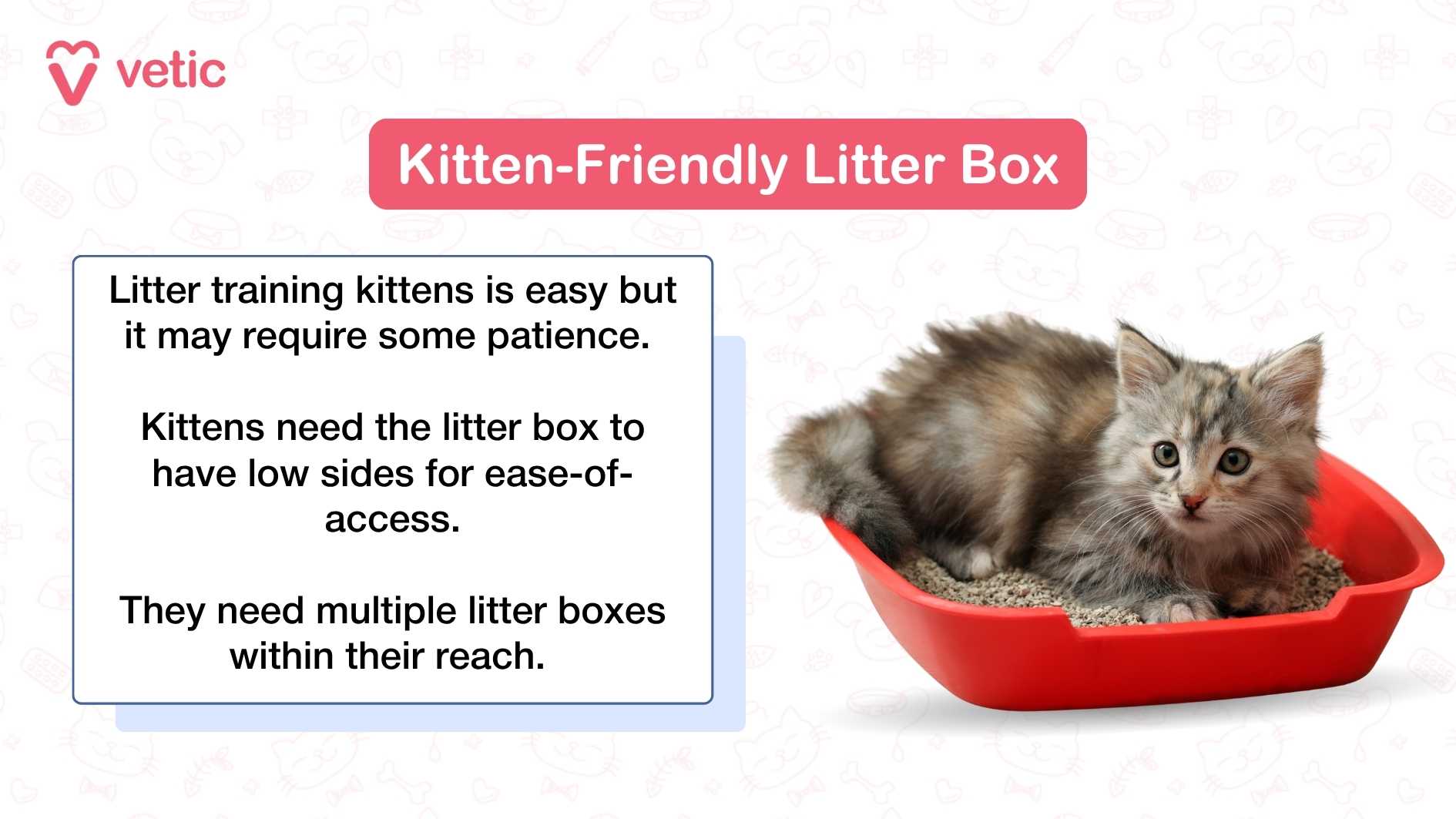
Credit: vetic.in
Frequently Asked Questions
Why Don’t Cats Need Potty Training?
Cats naturally use litter-like areas to eliminate. Their instincts guide them to bury waste, making potty training unnecessary.
How Do Cats Instinctively Use A Litter Box?
Cats instinctively dig and bury waste to hide scent. This behavior aligns with their survival instincts in the wild.
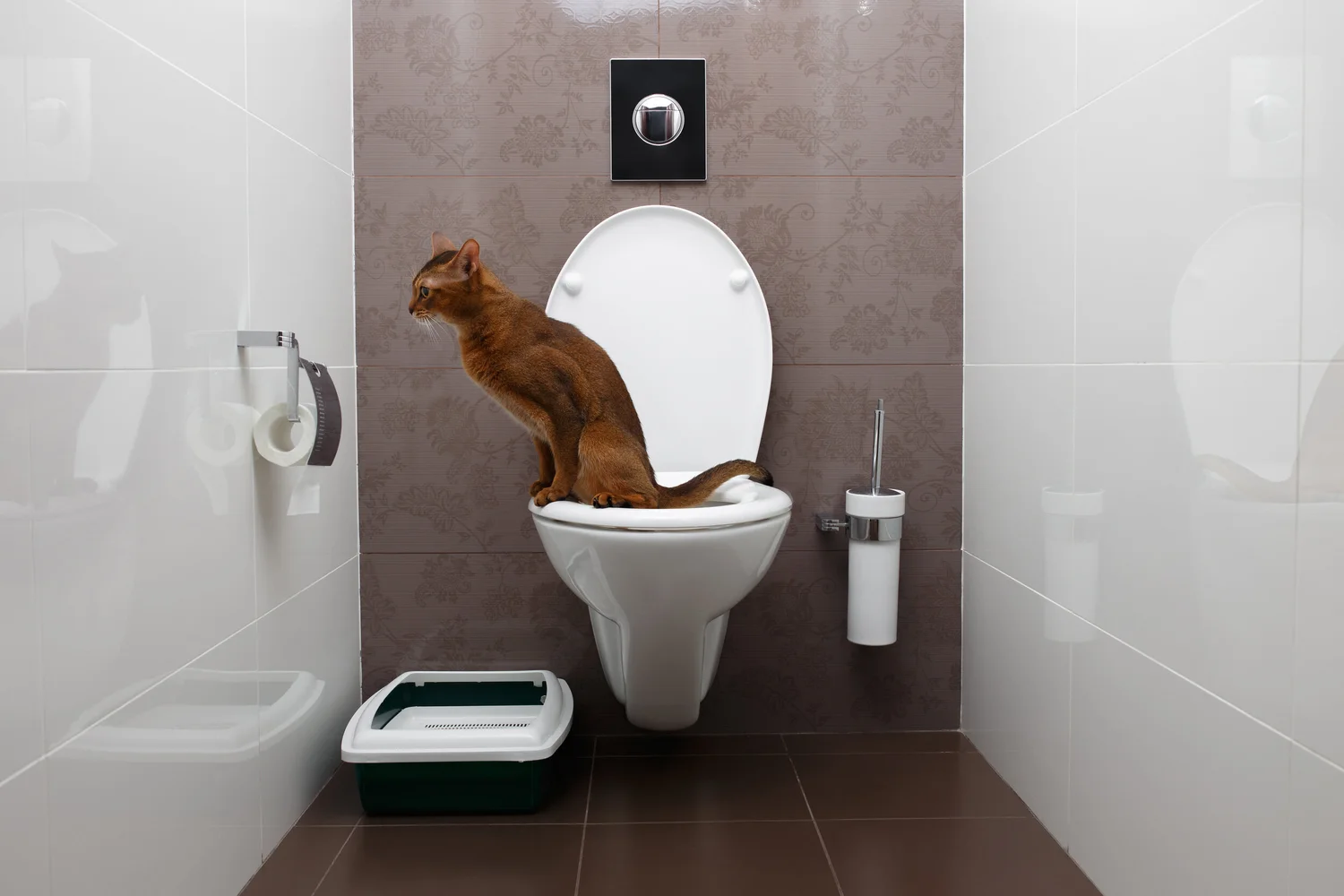
Can Cats Be Trained To Use A Toilet?
While possible, toilet training cats is difficult and unnatural. Most cats prefer litter boxes due to their instincts.
What Makes Cats Different From Dogs In Potty Habits?
Cats self-clean and use litter instinctively. Dogs require more training to manage elimination habits.
Conclusion
Cats naturally use litter boxes without training. Their instincts guide them to stay clean. This makes caring for cats easier than many pets. Owners save time and effort on potty training. Understanding this helps new cat owners feel confident. Cats keep their space tidy on their own.
Trust their nature, and enjoy a clean home. This natural habit adds to their charm. No special training needed, just a good litter box. Cats make great pets with simple needs.

Leave a Reply