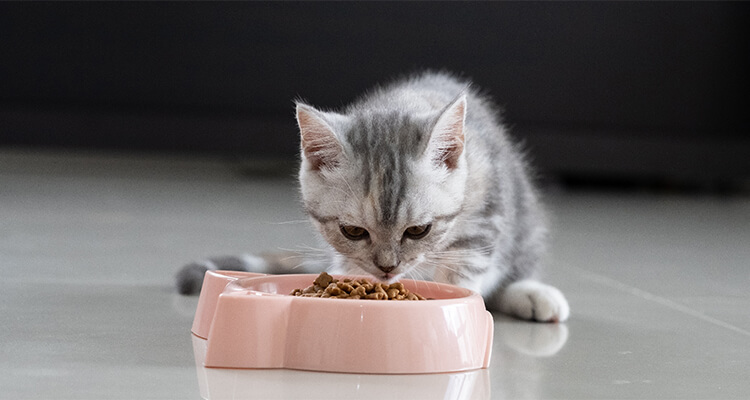
Are you wondering when you can start giving your cat adult food? It’s a question every cat owner faces, and getting it right is important for your furry friend’s health.
Feeding your cat the right food at the right time can make a big difference in their growth and happiness. You’ll discover exactly when to switch to adult food and what signs to look for. Keep reading to make sure you give your cat the best care possible.
Credit: www.whiskas.co.uk
Cat Growth Stages
Understanding the different stages of your cat’s growth is key to knowing when to switch their diet. Cats don’t just jump from kitten food to adult food overnight. Their nutritional needs shift gradually as they grow, and feeding them appropriately at each stage supports their health and energy levels.
Kitten Phase
Kittens are bundles of energy and growth. During this stage, which lasts from birth to about 12 months, they need food rich in protein and fat to support rapid development.
Kitten food is specially formulated to meet these needs. Feeding adult food too early can leave them lacking important nutrients.
Have you noticed how your playful kitten seems to burn energy nonstop? That’s why their food needs to fuel that growth and activity.
Transition To Adult
The transition period usually begins around 9 to 12 months. This is when your cat’s growth slows down, and their dietary needs start changing.
You can begin mixing adult food with kitten food to ease the switch. Doing this gradually helps prevent digestive upset and ensures your cat adjusts well.
Watch your cat’s weight and energy during this time. Are they maintaining a healthy body condition? That’s a good sign your food switch is on track.
Full Maturity
By about 12 months for most cats, they reach full maturity. At this point, their metabolism stabilizes, and adult cat food becomes the best choice.
Adult food supports maintenance rather than growth. It usually contains fewer calories but keeps your cat healthy and active.
Have you thought about how your cat’s lifestyle affects their diet now? Indoor cats often need fewer calories than outdoor cats who burn more energy.
Signs To Switch Food
Knowing the right time to switch your cat to adult food is important for their health. Cats show clear signs when they need a change in diet. These signs help you decide the best moment to make the switch. Paying attention to your cat’s behavior, growth, and nutritional needs guides you well.
Behavioral Changes
Cats often act differently as they grow. They might eat more or less than before. Watch for changes in energy levels. A kitten turning into an adult may become less playful. Notice if your cat is more independent or calm. These behaviors suggest a new diet might be needed.
Physical Development
Physical growth is a clear sign to switch food. When your cat reaches about one year old, growth slows down. Adult cats need fewer calories than kittens. Look for changes in weight and size. Healthy adult cats have a steady weight and muscle tone. Adjusting food helps maintain their body condition.
Nutritional Needs
Kittens need food rich in protein and fat to grow. Adult cats require balanced nutrition for maintenance. Their food should support a healthy immune system and coat. Adult formulas contain fewer calories and more fiber. Switching food ensures your cat gets the right nutrients for this stage.
Choosing Adult Cat Food
Choosing the right adult cat food is a crucial step in ensuring your feline friend stays healthy and happy after their kitten stage. Transitioning to adult food means providing the right balance of nutrients tailored to their changing needs. Understanding what to look for can make this process smoother for both you and your cat.
Key Nutrients
Adult cats need a diet rich in protein to maintain muscle mass and support overall health. Look for foods where high-quality animal protein is the first ingredient listed. Taurine, an essential amino acid, must be included because cats cannot produce it themselves.
Fatty acids like omega-3 and omega-6 promote shiny coats and healthy skin. Vitamins and minerals such as vitamin E, zinc, and calcium contribute to immune function and strong bones. When choosing food, check the label to ensure these nutrients are present in balanced amounts.
Wet Vs Dry Food
Deciding between wet and dry adult cat food depends on your cat’s preferences and health needs. Wet food contains more moisture, which helps keep your cat hydrated, especially if they don’t drink much water.
Dry food is convenient, less messy, and can help with dental health by reducing plaque buildup. Some cat owners mix both types to offer variety and ensure hydration. Have you noticed your cat’s preference for either, or are you open to experimenting?
Special Dietary Needs
Some adult cats require special diets due to health conditions like kidney disease, allergies, or obesity. If your cat has any health issues, consult your vet before switching foods.
There are formulas specifically designed for weight control, sensitive stomachs, or urinary tract health. Paying attention to these needs can improve your cat’s quality of life significantly. Have you observed any symptoms that might suggest a special dietary requirement?
How To Transition Safely
Transitioning your cat to adult food requires care and patience. Sudden changes can upset their stomach and cause refusal to eat. A smooth switch helps your cat accept new food and stay healthy. Follow these simple steps for a safe transition.
Gradual Food Mixing
Start by mixing a small amount of adult food with your cat’s current food. Increase the adult food portion slowly over 7 to 10 days. This lets your cat adjust to the new taste and texture. Mixing food also reduces the risk of digestive issues.
Monitoring Reactions
Watch your cat’s behavior and stool quality during the transition. Check for vomiting, diarrhea, or loss of appetite. If problems appear, slow down the food change. Healthy cats usually adapt well when changes happen gradually.
Adjusting Portions
Adjust food portions based on your cat’s age, weight, and activity level. Adult cats need balanced nutrients but not extra calories. Feed the right amount to keep your cat at a healthy weight. Overfeeding can lead to obesity and health problems.
Common Feeding Mistakes
Feeding adult cat food too early can cause digestive problems and poor growth. Many owners switch food before their kitten reaches one year old, which can lead to nutrient gaps. Waiting until your cat is fully grown ensures proper nutrition and health.
Common feeding mistakes can lead to health issues in cats. Many cat owners unintentionally make errors in their pet’s diet. These mistakes can affect a cat’s weight, nutrition, and overall health. Understanding these common pitfalls helps in providing a balanced diet.Overfeeding Risks
Overfeeding can make cats overweight. An overweight cat faces many health problems. Diabetes and joint issues are common. Cats need specific portions to maintain a healthy weight. Monitor their weight regularly. Adjust food amounts to suit their size and activity level.Ignoring Food Quality
Food quality matters for a cat’s health. Not all cat foods are equal. Some contain fillers with little nutrition. Choose foods with real meat listed as the first ingredient. Look for vitamins and minerals essential for cats. High-quality foods support better health and energy levels.Sudden Diet Changes
Sudden diet changes can upset a cat’s stomach. Cats have sensitive digestive systems. Gradually introduce new foods over a week. Mix the new food with the old. Increase the new food portion slowly. This helps prevent digestive issues and ensures a smooth transition.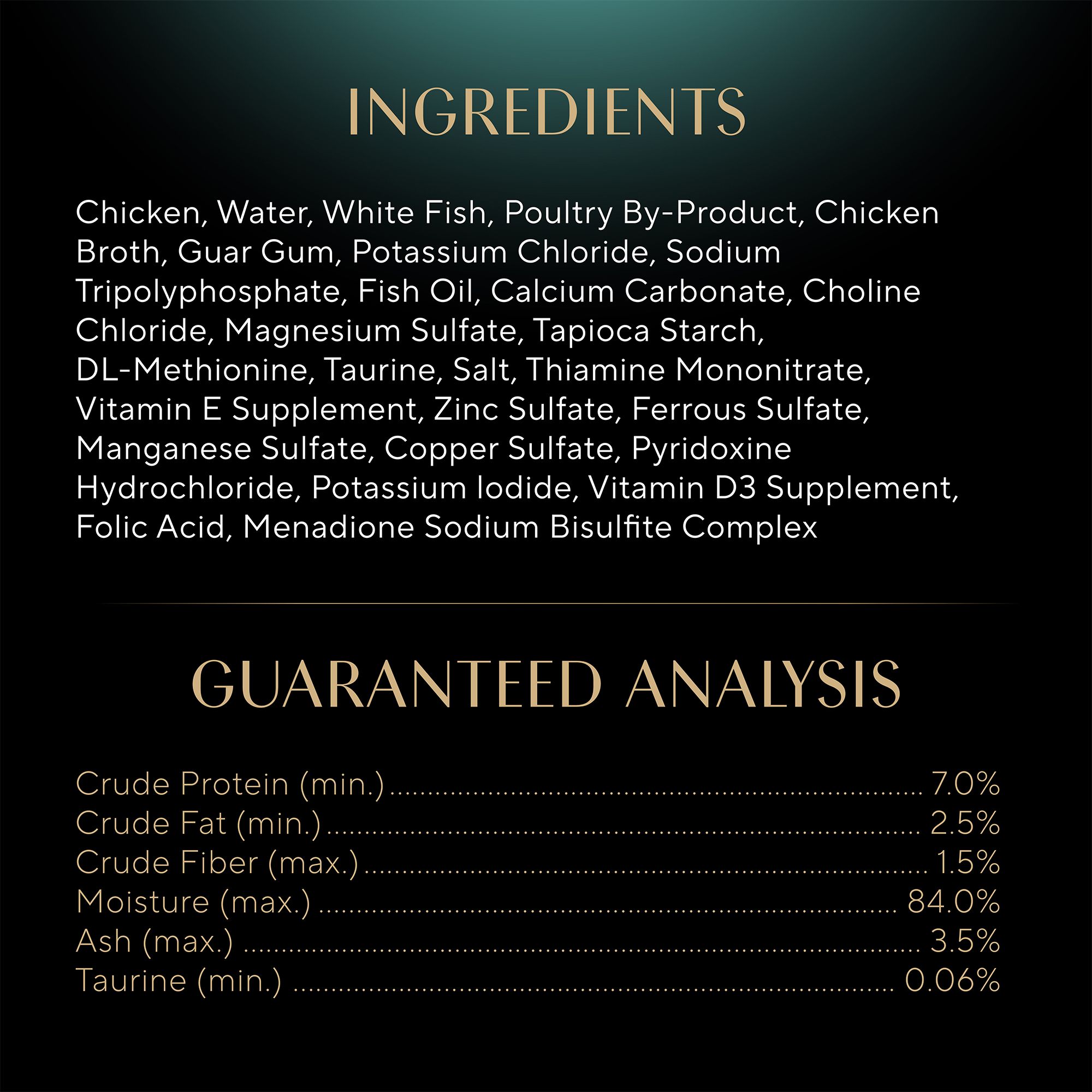
Credit: www.petsmart.com
Feeding Frequency And Amount
Feeding your adult cat the right amount of food at the right times is key for its health. Cats need a steady routine to keep energy levels stable and avoid overeating. Understanding feeding frequency and portion sizes helps maintain a healthy weight and supports overall well-being.
Daily Meal Plans
Adult cats usually eat two meals a day. Offer food once in the morning and once in the evening. This schedule mimics their natural hunting habits. Some cats prefer smaller, more frequent meals. In such cases, divide the daily amount into three or four servings. Consistency in feeding times helps regulate digestion and appetite.
Portion Control Tips
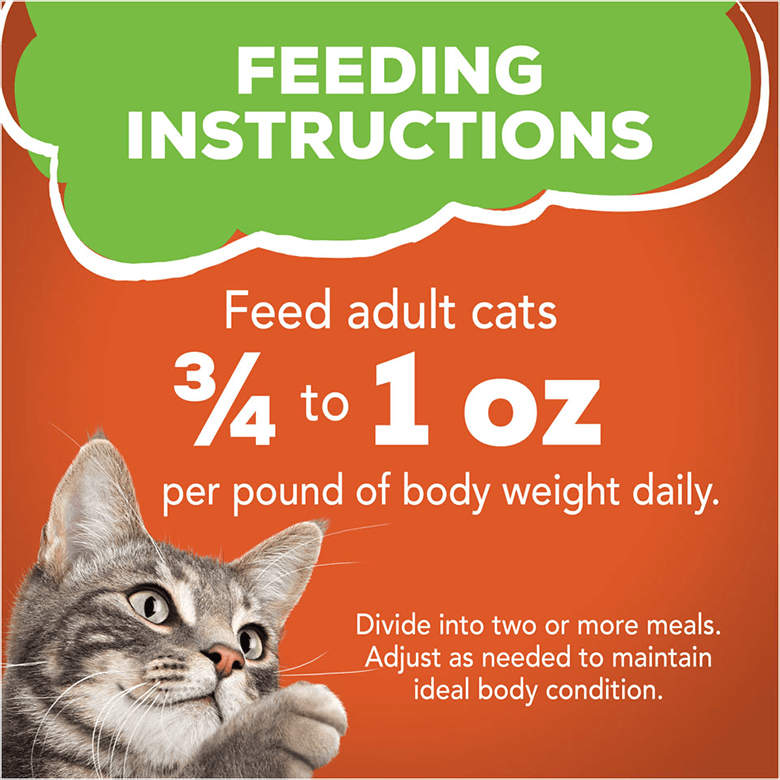
- Follow the feeding guidelines on the cat food package.
- Measure food with a standard cup or scale for accuracy.
- Avoid free-feeding to prevent overeating and obesity.
- Watch your cat’s body condition and adjust portions accordingly.
- Use wet and dry food in balanced amounts to control calories.
Adjusting For Activity Level
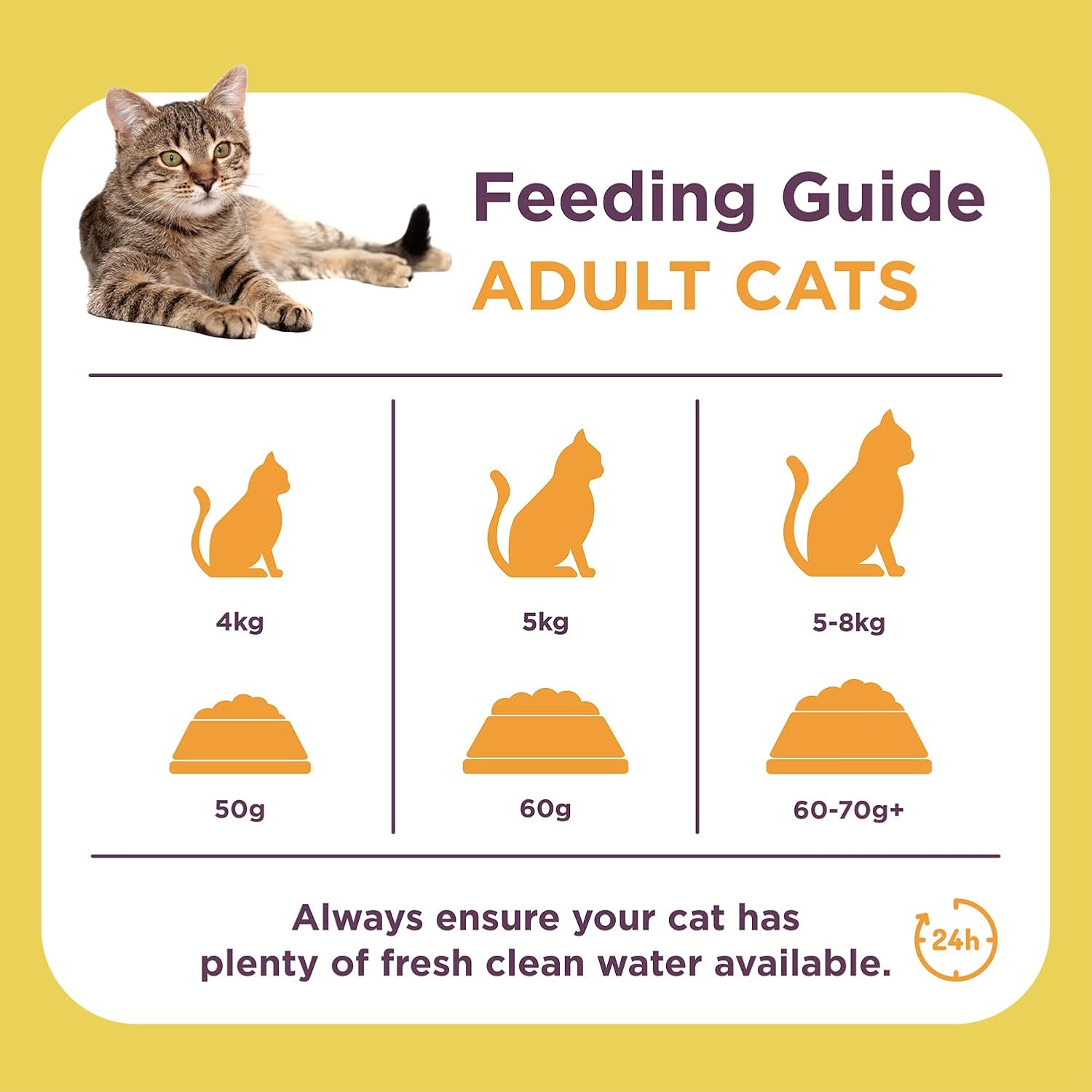
Active cats need more calories than less active ones. Indoor cats usually require fewer calories. Outdoor or very playful cats burn more energy and need larger portions. Observe your cat’s weight and energy to find the right balance. Adjust food amounts gradually to avoid sudden changes.
Special Considerations
Feeding adult food to cats requires special attention to their unique needs. Not all cats thrive on the same diet, especially during different life stages or health situations. Understanding these factors helps ensure your cat stays healthy and happy.
Health Conditions
Some cats have health issues that affect their diet. Conditions like kidney disease or diabetes need specific nutrition. Adult food may not suit cats with these problems. Consult a vet to find the best food. Avoid sudden diet changes that can upset their stomach.
Pregnant Or Nursing Cats
Pregnant and nursing cats need extra nutrients. Their energy and protein needs increase. Adult food might lack these vital nutrients. Choose food made for kittens or pregnant cats. This supports both mother and kittens’ growth and health.
Senior Cat Diets
Older cats have different dietary needs. They may need fewer calories but more fiber. Some senior cats require food to support joint health. Adult food may not meet these needs. Look for diets specially made for senior cats to keep them active and comfortable.
Credit: pet-supermarket.co.uk
Frequently Asked Questions
When Is The Right Age To Give Adult Cat Food?
Adult cat food is suitable after your kitten turns one year old. At this age, kittens have different nutritional needs. Transition gradually to avoid digestive upset. Consult your vet for the best timing based on your cat’s growth and health.
Can I Feed Adult Cat Food To Kittens Early?
Feeding adult cat food to kittens too early is not advisable. Kittens require higher protein and calorie content for growth. Early introduction might cause nutritional deficiencies. Always use kitten-specific food until they reach one year for optimal development.
How To Transition From Kitten To Adult Cat Food?
Switch gradually over 7-10 days to prevent digestive issues. Mix increasing amounts of adult food with kitten food daily. Monitor your cat’s response. If any digestive problems occur, slow the transition. This helps your cat adapt smoothly to new nutrition.
What Are The Risks Of Early Adult Cat Food Feeding?
Early feeding of adult cat food can cause nutrient imbalance. Kittens might not get enough protein and calories. This can lead to poor growth and health issues. Always follow age-appropriate feeding guidelines to ensure your kitten’s well-being.
Conclusion
Adult cat food suits cats after they turn one year old. Growing kittens need special nutrients that adult food lacks. Gradually switch from kitten to adult food to avoid stomach upset. Watch your cat’s health during the change for any issues.
Proper food supports your cat’s energy and overall well-being. Feeding the right food at the right time keeps cats happy and healthy. Remember, a good diet helps your cat live a long, active life. Choose food made for adult cats to meet their needs best.


Leave a Reply