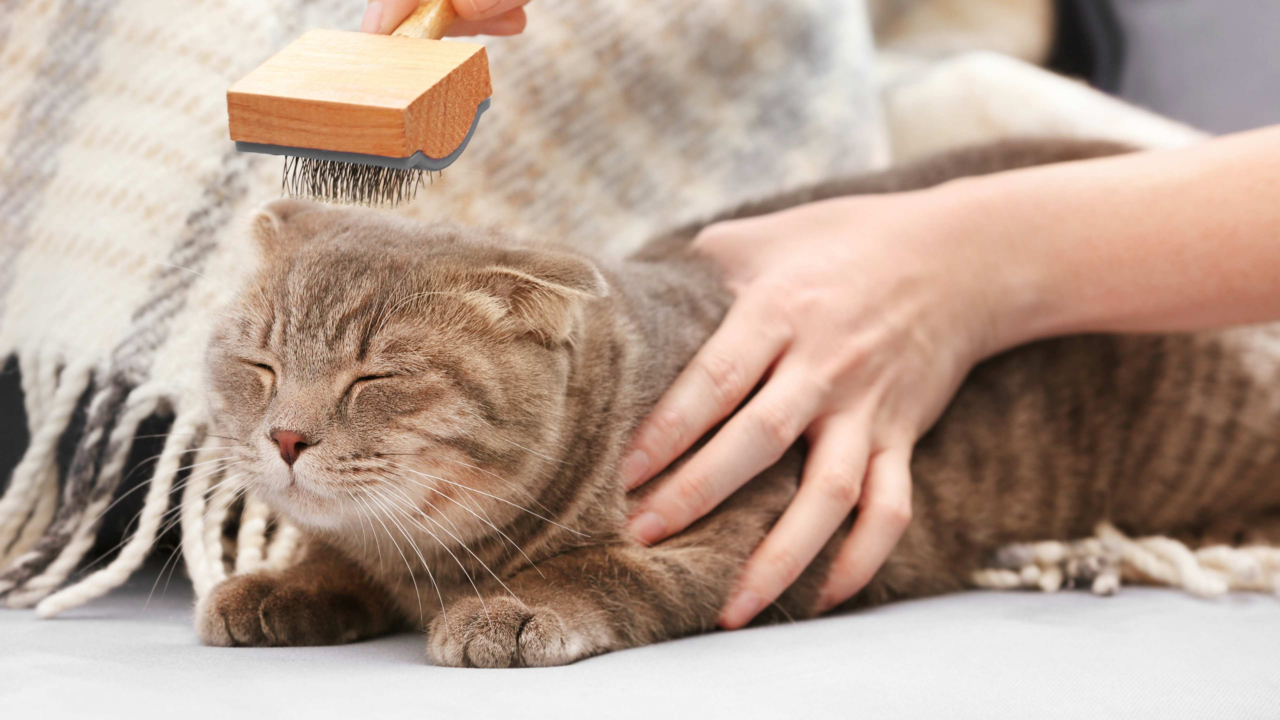
Grooming your cat might seem like a simple task, but doing it the right way can make a huge difference in your cat’s health and happiness. You want your furry friend to feel comfortable, look great, and avoid common problems like mats, hairballs, or skin issues.
If you’re unsure where to start or how to improve your grooming routine, this guide is made just for you. Keep reading to discover easy and effective tips that will make grooming a stress-free and enjoyable experience for both you and your cat.

Credit: www.viovet.co.uk
Benefits Of Regular Grooming
Regular grooming offers more than just a clean cat. It plays a vital role in keeping your feline friend healthy and happy. Understanding the benefits can motivate you to make grooming a consistent part of your routine.
Improved Coat Health
Brushing your cat regularly removes dirt, loose hair, and dead skin cells. This helps prevent matting and tangles, which can be painful for your cat.
It also distributes natural oils evenly across the coat, making it shiny and soft. Have you noticed how your cat’s fur looks more vibrant after a good brushing?
Reduced Shedding
Shedding can be a major concern, especially during seasonal changes. Regular grooming catches loose fur before it falls all over your furniture and clothes.
Less shedding means less cleaning for you and a more comfortable environment for your cat. Imagine how much easier it is to keep your home tidy with a simple daily brush.
Early Detection Of Health Issues
Grooming time is also a great chance to check your cat’s skin for lumps, bumps, or signs of parasites. Spotting these early can save you from costly vet visits later.
Have you ever found a small bump or irritation during grooming that led to early treatment? This simple step can make a big difference in your cat’s well-being.
Strengthened Bond With Your Cat
Grooming isn’t just about hygiene—it’s a special time to connect with your cat. Many cats enjoy the gentle touch and attention, which builds trust and deepens your relationship.
Do you feel closer to your cat after a grooming session? This shared experience can improve your cat’s comfort with handling and reduce stress during vet visits.

Credit: smart.dhgate.com
Essential Grooming Tools
Proper grooming keeps your cat healthy and happy. Essential grooming tools help make this task easier and safer. Using the right tools prevents discomfort and improves your cat’s coat and hygiene. Below are the main tools every cat owner should have.
Brushes And Combs
Brushes and combs remove loose hair and prevent mats. Choose brushes based on your cat’s fur type.
- Slicker brushes work well for long-haired cats.
- Bristle brushes suit short-haired cats.
- Wide-tooth combs help detangle knots gently.
- Regular brushing reduces shedding and hairballs.
Nail Clippers
Trim your cat’s nails regularly to avoid scratches and injuries. Use clippers designed for small pets.
- Guillotine clippers cut nails cleanly.
- Scissor-style clippers offer more control.
- Trim only the sharp tips, avoiding the pink quick.
- Keep styptic powder nearby to stop bleeding if needed.
Ear Cleaners
Clean ears prevent infections and discomfort. Use gentle ear cleaners made for cats.
- Choose a liquid cleaner recommended by veterinarians.
- Use cotton balls or pads to wipe dirt.
- Avoid cotton swabs, which can harm the ear canal.
- Check ears often for redness or odor.
Shampoo And Wipes
Bathing your cat keeps skin clean and healthy. Use shampoos made especially for cats.
- Choose mild, hypoallergenic shampoos.
- Use waterless wipes for quick clean-ups.
- Never use human shampoo—it can irritate their skin.
- Bathing frequency depends on your cat’s needs.
Brushing Techniques
Gentle strokes with a soft brush help remove loose fur and dirt. Brush in the direction of hair growth to keep your cat comfortable and calm. Regular brushing prevents mats and keeps the coat shiny and healthy.
Brushing your cat isn’t just about keeping their fur neat and tidy. It’s an essential part of their health and well-being. Regular brushing helps reduce shedding, prevents mats, and can even create a bonding experience between you and your feline friend. But how do you ensure you’re brushing your cat the right way? Let’s dive into some effective brushing techniques.Choosing The Right Brush
Selecting the perfect brush for your cat’s coat is crucial. Different breeds and fur types require different tools. A slicker brush works well for long-haired cats, while a bristle brush is ideal for short-haired felines. If you’re unsure, try visiting a pet store and ask for recommendations based on your cat’s specific needs.Brushing Frequency
How often should you brush your cat? It depends on their coat type. Long-haired cats may need daily brushing to prevent mats, while short-haired cats might only require a session once a week. Observe your cat’s shedding patterns and adjust accordingly. Regular brushing not only keeps their coat healthy but also reduces the amount of hair they ingest while grooming themselves.Handling Different Coat Types
Cats come in all shapes and sizes, and so do their coats. For cats with dense undercoats, such as Persians, using a comb in addition to a brush can help. Short-haired cats, like the Siamese, benefit from a rubber brush to remove loose fur. It’s important to be gentle and patient, especially with sensitive areas like the belly and tail.Dealing With Mats And Tangles
Mats and tangles can be a real nuisance for both you and your cat. When you encounter a mat, don’t pull or tug, as this can hurt your cat. Instead, gently work through it with your fingers or a mat-splitting tool. If mats are severe, consider seeking help from a professional groomer. Remember, a calm and relaxed environment makes the process easier for your cat.Bathing Your Cat
Bathing your cat can seem like a daunting task, but it’s an important part of grooming that keeps your feline friend clean and healthy. Unlike dogs, cats usually groom themselves, so bathing is only necessary in specific situations. Understanding when and how to bathe your cat properly will make the experience less stressful for both of you.
When To Bathe
Most cats don’t need frequent baths since they groom themselves well. However, you should consider bathing your cat if they get into something sticky, dirty, or harmful, like oil or paint. Older cats or those with medical conditions might also benefit from occasional baths to keep their coat clean.
Does your cat have a strong odor or visible dirt that won’t come off with brushing? That’s a clear sign it’s time for a bath. Avoid over-bathing, as it can dry out your cat’s skin and remove natural oils.
Preparing The Bath Area
Choose a quiet, warm room to bathe your cat. A sink or a small tub works well for most cats. Gather everything you need beforehand: cat-friendly shampoo, a cup for rinsing, towels, and a non-slip mat.
Remove any distractions and close doors to prevent your cat from escaping mid-bath. Having someone to assist you can make the process smoother and safer.
Step-by-step Bathing Process
- Start by brushing your cat to remove loose fur and mats.
- Fill the tub or sink with a few inches of lukewarm water—too hot or cold can upset your cat.
- Gently place your cat into the water, speaking calmly to keep them relaxed.
- Use a cup or your hand to wet your cat’s fur thoroughly, avoiding the eyes, ears, and nose.
- Apply a small amount of cat-safe shampoo and lather gently, focusing on dirty areas.
- Rinse thoroughly to remove all soap residue, as leftover shampoo can irritate their skin.
- Lift your cat out carefully and wrap them in a towel immediately.
Have you noticed how your cat reacts to water? Some tolerate it better when you move slowly and speak softly. Patience is key.
Drying Tips
After the bath, use a soft towel to absorb as much water as possible. Avoid rubbing vigorously, which can stress your cat and tangle their fur.
If your cat tolerates it, you can use a hairdryer on the lowest and coolest setting. Keep the dryer moving and never hold it too close to their skin. Otherwise, let your cat air dry in a warm, draft-free room.
Make drying time a calm experience. Have you tried offering treats or gentle petting to help your cat stay relaxed? It can make a big difference.
Nail Care Tips
Nail care is an important part of grooming your cat. Keeping nails trimmed prevents damage to furniture and reduces the risk of injury. Regular nail care also helps your cat stay comfortable and healthy. Learn how to trim nails safely, recognize signs for a trim, and explore alternatives to clipping.
How To Trim Nails Safely
Choose a quiet spot and hold your cat gently. Use a sharp nail clipper made for cats. Avoid cutting too close to the pink area, called the quick. Cutting the quick causes pain and bleeding. Trim only the sharp tip of each nail. Reward your cat with praise or treats after trimming.
Signs Your Cat Needs A Trim
- Scratching furniture more than usual
- Nails clicking on hard floors
- Visible sharp or curled nails
- Cat seems uncomfortable when walking
- Nails catching on fabrics or carpets
Check your cat’s nails weekly to spot these signs early.
Alternatives To Nail Trimming
If your cat dislikes nail clipping, try these options:
- Soft nail caps to cover sharp nails
- Regular scratching posts to wear down nails naturally
- Professional grooming services for nail care
Choose the method that suits your cat’s comfort and lifestyle best.

Credit: www.purina.com
Cleaning Ears And Eyes
Cleaning your cat’s ears and eyes is a key part of grooming. Dirt and wax can build up, causing discomfort or infection. Gentle and regular cleaning keeps your cat healthy and happy. This care should be calm and careful to avoid hurting your pet.
Ear Cleaning Routine
Check your cat’s ears weekly for dirt or wax. Use a soft cloth or cotton ball dampened with a vet-approved ear cleaner. Avoid using cotton swabs inside the ear canal. Wipe only the visible parts gently. Stop if your cat shows signs of pain or irritation.
Removing Eye Discharge
Eye discharge is normal in small amounts. Use a warm, damp cloth to wipe away crust or tears. Wipe from the inside corner outward. Use a clean section of the cloth for each eye to prevent spreading infection. Never use harsh chemicals or soaps near the eyes.
When To Consult A Vet
- Red or swollen ears or eyes
- Strong odor from ears
- Excessive scratching or shaking of the head
- Thick, colored, or smelly eye discharge
- Signs of pain during cleaning
These signs may show infection or other health issues. A vet can provide proper diagnosis and treatment.
Handling Grooming Challenges
Handling grooming challenges with your cat requires patience and understanding. Some cats feel nervous or scared during grooming sessions. Others may show signs of aggression to protect themselves. Knowing how to manage these behaviors helps create a calm and safe environment for both you and your cat.
Managing Anxious Cats
Start grooming in a quiet, comfortable space. Use soft voices to soothe your cat. Keep sessions short and gentle. Watch for signs of stress like trembling or hiding. Take breaks if your cat seems overwhelmed. Slowly increase grooming time as your cat gets used to it.
Dealing With Aggression
Recognize early signs of aggression, such as hissing or swatting. Avoid forcing grooming if your cat resists strongly. Use protective gloves for safety. Try grooming after playtime when your cat is calmer. If aggression continues, consult a vet or a cat behaviorist for advice.
Using Positive Reinforcement
Reward your cat with treats or praise during and after grooming. Use favorite toys to distract and relax your cat. Praise helps your cat link grooming to good experiences. Keep a calm tone and gentle touch throughout. Positive reinforcement builds trust and makes grooming easier over time.
Maintaining Grooming Habits
Maintaining grooming habits is key to keeping your cat healthy and happy. Consistency helps your cat get used to the routine, reducing stress during grooming sessions. Establishing clear habits makes it easier for you to spot any changes in your cat’s coat or skin early on.
Creating A Grooming Schedule
Set specific days and times for grooming to build a routine your cat can anticipate. Short, frequent sessions often work better than long, rare ones. For example, brushing your cat for 5-10 minutes every other day can prevent mats and reduce shedding effectively.
Think about your cat’s coat type and lifestyle when planning the schedule. Long-haired cats need more frequent grooming than short-haired ones. Adjust the routine as needed to keep your cat comfortable and clean.
Involving Family Members
Sharing grooming duties with family members helps keep the routine consistent, even on busy days. Teach each person simple grooming tasks like brushing or checking for fleas. This teamwork strengthens your cat’s trust and makes grooming less of a chore for everyone.
Have you noticed how your cat reacts differently to each family member? Use those observations to assign tasks that suit individual strengths and your cat’s preferences. It turns grooming into a positive experience rather than a struggle.
Tracking Progress And Adjustments
Keep a grooming log to record what works and what doesn’t. Note changes in your cat’s coat condition, behavior during grooming, and any skin issues. This record helps you spot patterns and decide when to adjust the schedule or techniques.
Ask yourself: Is your cat becoming more relaxed over time? Are certain tools or methods causing discomfort? Use your notes to tweak the routine, ensuring grooming stays effective and enjoyable for both of you.
Frequently Asked Questions
How Often Should I Groom My Cat?
Groom your cat at least once a week to remove loose fur. Long-haired cats need grooming more frequently, around 3-4 times weekly. Regular grooming reduces hairballs and keeps their coat healthy and shiny.
What Tools Are Best For Cat Grooming?
Use a soft-bristle brush for short hair and a wide-tooth comb for long hair. Nail clippers and grooming wipes are also helpful. Choose tools that suit your cat’s coat type and comfort level.
How Do I Prevent My Cat From Shedding?
Regular grooming reduces shedding by removing loose fur. A balanced diet with omega-3 fatty acids also supports coat health. Keep your home clean and vacuum often to manage shed hair.
Can Grooming Help With My Cat’s Health Issues?
Yes, grooming can spot skin problems, parasites, or infections early. It improves blood circulation and reduces stress. Regular grooming supports overall wellness and strengthens your bond with your cat.
Conclusion
Grooming your cat keeps them healthy and happy. Regular brushing stops mats and reduces hairballs. Check their ears, eyes, and nails often. Use gentle tools and speak softly during grooming. Make it a calm and positive time. A well-groomed cat feels comfortable and loved.
Small daily steps lead to big benefits. Enjoy the bonding moments with your pet. Keep grooming simple and steady for best results. Your cat will thank you with purrs and trust.


Leave a Reply