Have you ever wondered if your cat’s breed affects their risk of getting chronic kidney disease? If you love your feline friend, understanding this can help you protect their health better.
Some cat breeds might be more prone to kidney problems, and knowing this early can make a big difference in how you care for them. Keep reading to discover which breeds are at higher risk and what you can do to keep your cat healthy and happy for years to come.
Your cat’s well-being could depend on it.
Cat Breeds Prone To Ckd
Chronic Kidney Disease (CKD) affects cats of all breeds, but some breeds show a higher tendency to develop this condition. Understanding which breeds are more prone to CKD can help you watch for early signs and take preventive steps. Let’s look at which cats are at increased risk and why genetics play a crucial role.
Common High-risk Breeds
Certain cat breeds have a greater chance of developing CKD due to inherited traits or breed-specific health issues. These breeds include:
- Persian Cats:Known for their long coats, Persians often face kidney issues linked to polycystic kidney disease (PKD).
- British Shorthairs:This breed can have a genetic predisposition to kidney problems.
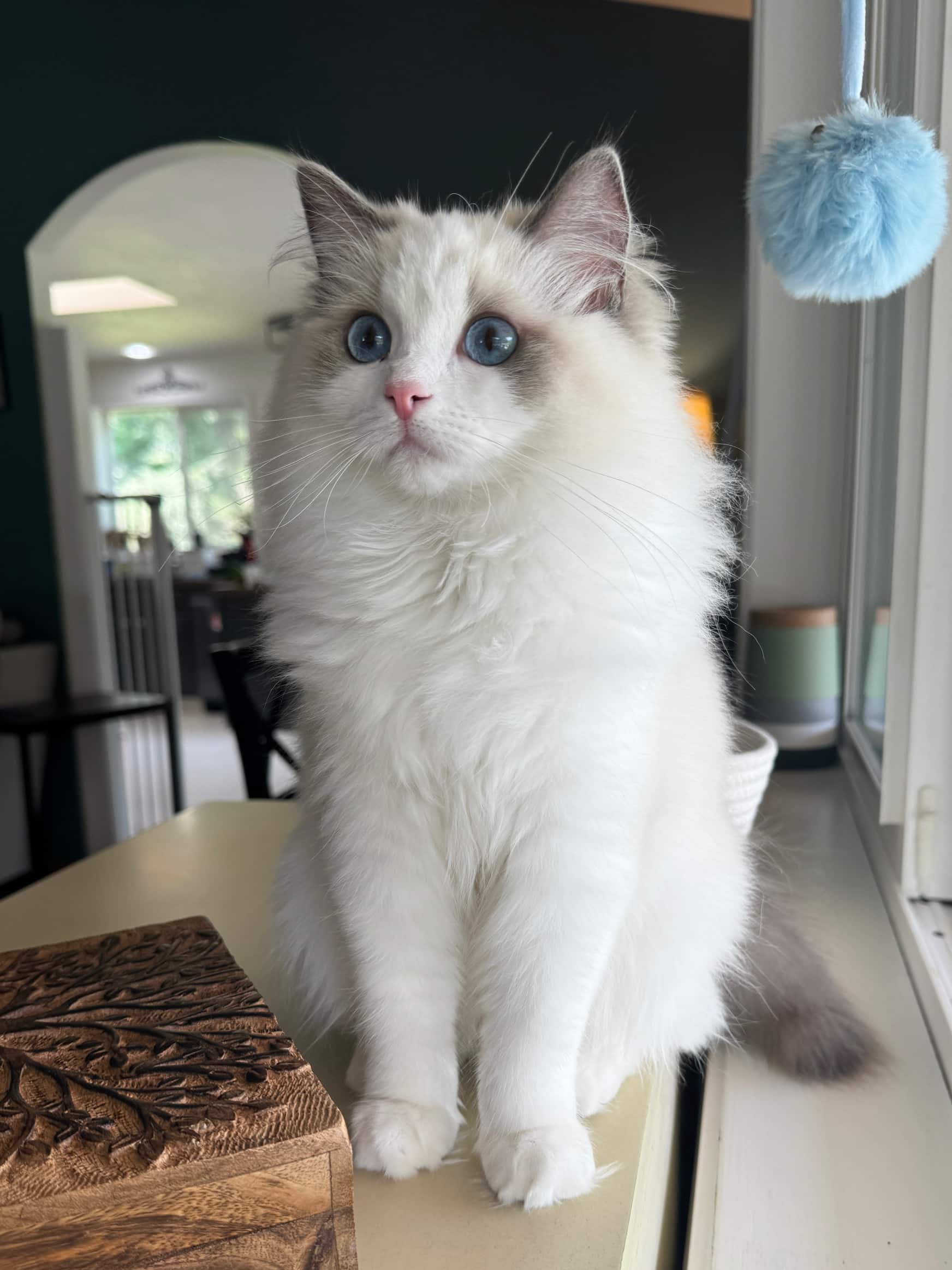
- Ragdolls:Ragdolls sometimes suffer from hereditary kidney diseases that increase CKD risk.
- Maine Coons:Though generally healthy, they may develop kidney issues as they age.
If you own one of these breeds, regular vet check-ups focusing on kidney health can make a huge difference. Have you noticed any unusual behavior in your cat that could hint at kidney trouble?
Genetic Factors In Susceptibility
Genes play a significant role in how susceptible a cat is to CKD. Some kidney diseases are inherited, meaning your cat’s DNA might carry mutations that increase risk.
For instance, polycystic kidney disease (PKD) is a genetic disorder common in Persians and related breeds. It causes cysts to form in the kidneys, leading to gradual loss of function.
Genetic testing is available for certain breeds, allowing you to identify risk early. Asking your vet about testing options can help you plan the best care for your feline friend.

Credit: kimvet.co.za
Causes Of Ckd In Cats
Chronic Kidney Disease (CKD) in cats develops due to various underlying causes. Understanding these causes helps you recognize risk factors and take preventive actions early. Many cat owners don’t realize how environment and health play critical roles in kidney health.
Environmental Triggers
Exposure to toxins in your cat’s environment can damage their kidneys over time. Household chemicals, certain plants, and contaminated water are common culprits. Even flea and tick treatments might contain substances harmful to sensitive cats.
Think about where your cat spends most of its time. Is there access to harmful substances, like antifreeze or pesticides? These toxins can accumulate silently and lead to CKD.
Also, consider the quality of your cat’s diet and water. Poor nutrition or contaminated water can strain the kidneys. Do you check ingredient lists and water sources regularly?
Age And Health Influences
Age is a major factor in CKD risk. Older cats naturally have reduced kidney function, making them more vulnerable. But age alone doesn’t explain everything.
Underlying health problems like high blood pressure, urinary tract infections, or diabetes can accelerate kidney damage. If your cat has any chronic illness, close monitoring is essential.
Notice if your cat shows subtle signs like increased thirst or weight loss. Early symptoms often go unnoticed but can signal declining kidney health. How often do you schedule health check-ups to catch these changes?
Symptoms Of Ckd In Cats
Recognizing the symptoms of Chronic Kidney Disease (CKD) in cats early can make a significant difference in managing the condition. CKD develops gradually, so the signs might be subtle at first. Paying close attention to your cat’s behavior and physical changes helps you catch problems before they worsen.
Early Warning Signs
At the beginning stages of CKD, your cat might seem a bit off but not seriously ill. You may notice increased thirst and more frequent urination. These changes happen because the kidneys struggle to balance fluids.
Other early symptoms include:
- Loss of appetite or picky eating habits
- Weight loss without a clear cause
- Lethargy or less interest in play and activity
- Bad breath with a chemical or ammonia-like smell
Have you observed your cat drinking more water or using the litter box more often? These signs might seem small but are important clues.
Advanced Disease Indicators
As CKD progresses, symptoms become more obvious and severe. Your cat may vomit frequently or develop diarrhea. Mouth ulcers and pale gums can also appear due to anemia caused by kidney failure.
Other advanced signs include:
- Severe weight loss and muscle wasting
- Weakness and difficulty moving
- Swelling or fluid buildup in the abdomen or limbs
- Difficulty breathing or coughing
At this stage, your cat’s quality of life can decline quickly without proper treatment. If you notice any of these symptoms, contact your vet immediately. Early action can slow down kidney damage and help your cat feel more comfortable.

Credit: basepaws.com
Diagnosis Methods
Understanding the diagnosis methods for Chronic Kidney Disease (CKD) in cats can be vital for early detection and effective management. If you suspect your furry friend might be at risk, knowing how veterinarians diagnose this condition is crucial. Let’s explore some of the common techniques used to identify CKD in cats, from blood and urine tests to advanced imaging techniques.
Blood And Urine Tests
Blood and urine tests are often the first steps in diagnosing CKD in cats. These tests help assess kidney function by measuring levels of certain substances in the blood and urine. Elevated levels of creatinine and blood urea nitrogen (BUN) can indicate kidney dysfunction.
Regular blood work can also reveal electrolyte imbalances, which are often associated with kidney issues. Urine tests provide additional insights by evaluating protein levels, specific gravity, and the presence of blood or infection. Have you considered how routine check-ups could catch these changes early?
Imaging Techniques
Imaging techniques such as ultrasound and X-rays provide a visual assessment of the kidneys. Ultrasounds can show changes in kidney size, shape, and structure, offering a clearer picture of potential damage or abnormalities. X-rays, while less detailed, can still be helpful in identifying significant changes or masses.
These imaging methods can be particularly useful when blood and urine tests indicate a problem but don’t provide enough detail. Are you aware of how these tools might catch what other tests miss? They are essential components in a comprehensive diagnostic approach to CKD.
Preventive Measures
Preventing chronic kidney disease (CKD) in cats, especially those breeds more prone to it, requires a proactive approach. You have the power to influence your cat’s kidney health through simple daily habits. Small changes in diet and regular health checks can make a big difference over time.
Dietary Adjustments
Your cat’s diet plays a crucial role in kidney health. Feeding foods low in phosphorus and protein can ease the kidneys’ workload. Many vets recommend specially formulated kidney diets that help manage CKD risk.
Think about your cat’s hydration too. Wet food or adding water to dry kibble encourages more drinking, which supports kidney function. Have you noticed if your cat prefers wet or dry food? Adjusting this can be a game-changer.
Supplements like omega-3 fatty acids may also help reduce kidney inflammation. Always check with your vet before adding anything new to your cat’s diet.
Regular Veterinary Checkups
Scheduling regular vet visits is essential, especially for breeds prone to CKD like Persians and Abyssinians. Early detection through blood tests and urine analysis can catch problems before they become severe.
During checkups, vets can monitor your cat’s weight, blood pressure, and overall health. These factors often hint at kidney stress before symptoms appear.
Don’t wait for visible signs like lethargy or excessive thirst—by then, kidney damage might already be advanced. How often do you bring your cat for a health check? Increasing the frequency could save your cat’s life.

Credit: kimvet.co.za
Treatment Options
Treating chronic kidney disease (CKD) in cats involves a combination of medical approaches and supportive care tailored to your cat’s specific needs. Understanding these options can help you make informed decisions and improve your cat’s quality of life. Let’s look at the key treatment paths that can slow disease progression and keep your feline friend comfortable.
Medical Management
Medical management focuses on controlling symptoms and slowing kidney damage. Your vet may prescribe medications to manage high blood pressure, control protein loss in urine, or reduce nausea. Phosphorus binders are commonly used to lower phosphorus levels, which can harm kidneys if left unchecked.
Diet also plays a crucial role. Prescription kidney diets with lower protein and phosphorus content can ease the workload on your cat’s kidneys. Have you noticed how even small changes in diet can impact your cat’s energy levels? That’s the power of targeted nutrition.
Supportive Care Strategies
Supportive care includes steps you take at home to keep your cat comfortable and hydrated. Encouraging your cat to drink more water is vital. You might try adding water to their food or providing a cat water fountain to entice them to drink more.
Regular monitoring is essential too. Keeping track of your cat’s weight, appetite, and behavior can help you catch any worsening symptoms early. You might find that a calm, stress-free environment also supports their wellbeing, reducing the risk of flare-ups.
- Offer smaller, more frequent meals to encourage eating
- Maintain a clean, quiet space for resting
- Discuss with your vet about supplements like omega-3 fatty acids
Have you explored these supportive steps with your vet? Sometimes, small adjustments in daily care can make a big difference for cats living with CKD.
Prognosis And Life Expectancy
Chronic Kidney Disease (CKD) in cats can feel overwhelming, especially when considering prognosis and life expectancy. While the diagnosis is serious, many cats live comfortably for months or even years with proper care. Understanding what influences outcomes helps you make informed decisions for your feline friend.
Factors Affecting Outcomes
Several elements shape how well your cat manages CKD. Early diagnosis plays a key role; catching the disease sooner often means better control and longer life. The stage of CKD at diagnosis also impacts prognosis—cats in earlier stages typically have a better outlook.
Breed and genetics can influence susceptibility and progression. For example, breeds like Siamese and Persian cats may be more prone to kidney issues. However, individual health, diet, and the presence of other conditions can be even more significant than breed alone.
- Age:Younger cats may respond better to treatment.
- Overall health:Cats without other illnesses tend to have a more stable course.
- Treatment adherence:Consistent medication and diet management improve outcomes.
Have you noticed subtle changes in your cat’s behavior or appetite? These can be early signs worth discussing with your vet to possibly catch CKD earlier.
Improving Quality Of Life
Quality of life often matters more than the length of life. Adjusting your cat’s diet to include kidney-friendly foods helps reduce strain on the kidneys. Providing fresh water at all times encourages hydration, which supports kidney function.
Regular vet visits allow for monitoring and timely adjustments in treatment. You can also make your cat’s environment comfortable with quiet resting spots and gentle play to keep them engaged without stress.
- Offer smaller, more frequent meals to encourage eating.
- Use supplements recommended by your vet to support kidney health.
- Watch for signs of pain or discomfort and seek veterinary advice promptly.
What small changes can you make at home today to ease your cat’s daily routine? Sometimes, the smallest efforts have the biggest impact on your cat’s happiness and wellbeing.
Frequently Asked Questions
Which Cat Breeds Are Prone To Chronic Kidney Disease?
Certain breeds like Persians, Siamese, and Abyssinians show higher CKD risk. Genetic factors may contribute to this predisposition.
How Does Breed Affect Kidney Disease Risk In Cats?
Breed influences genetic susceptibility, which can raise chronic kidney disease chances. Early screening helps manage breed-specific risks effectively.
Can Mixed Breed Cats Develop Chronic Kidney Disease?
Yes, mixed breed cats can develop CKD. Genetics and environmental factors both play roles in disease development.
What Are Common Signs Of Ckd In Cats?
Signs include increased thirst, urination, weight loss, and poor coat condition. Early detection improves treatment outcomes significantly.
Conclusion
Certain cat breeds may face higher risks of chronic kidney disease. Early detection helps protect your cat’s health. Regular vet visits and proper care make a big difference. Diet and hydration also support kidney function. Know your cat’s breed risks to stay prepared.
Healthy habits can slow disease progress. Stay alert to changes in your cat’s behavior. Small steps lead to longer, happier lives. Always seek advice from your veterinarian for best care.

Leave a Reply