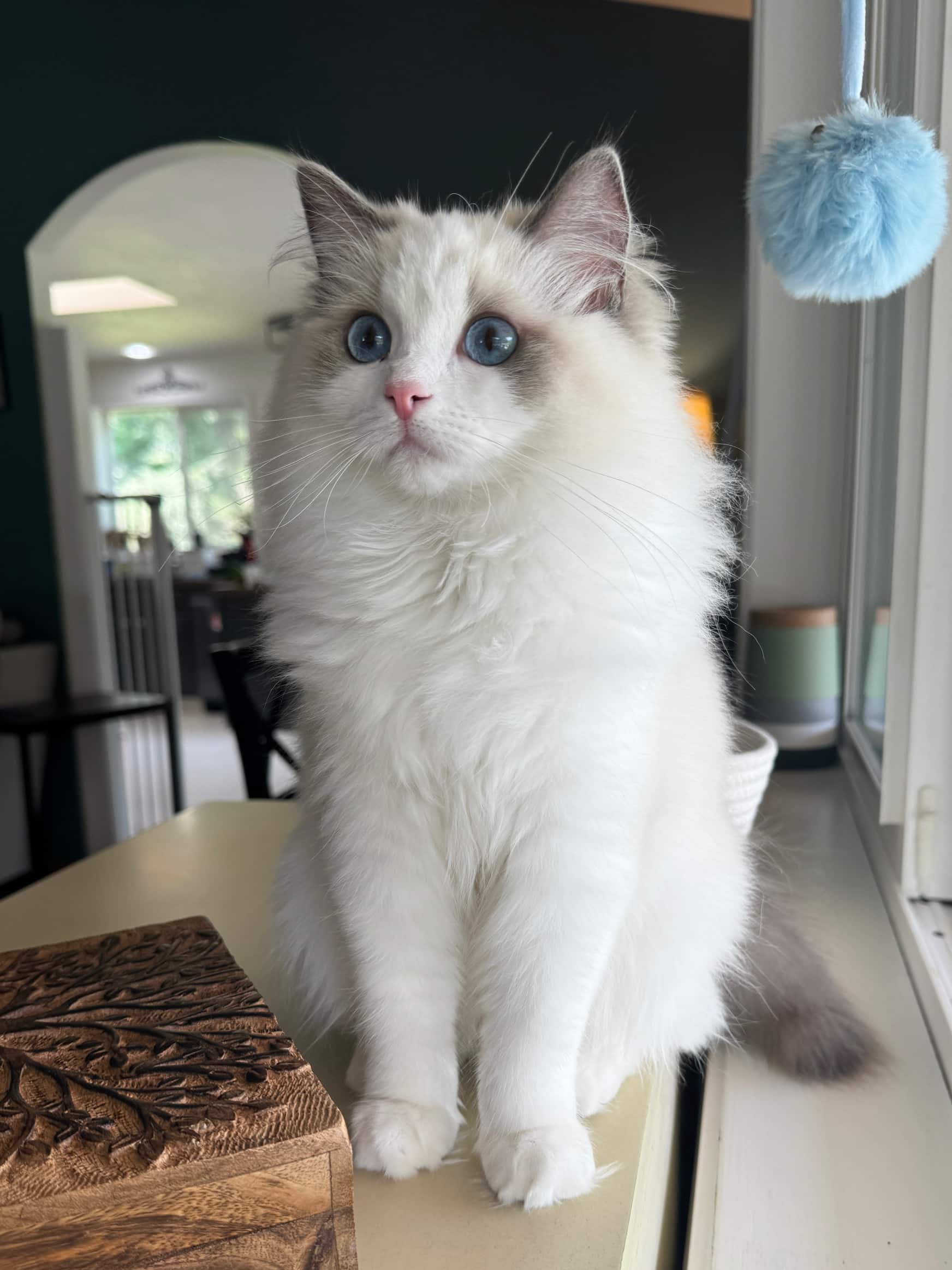
Are you thinking about starting to breed Ragdoll cats? It’s an exciting choice that can bring joy, but it also comes with important responsibilities.
Breeding these beautiful, gentle cats isn’t just about having kittens—it’s about caring for their health, temperament, and future. If you want to do it right and avoid common mistakes, you need clear, simple guidance. Keep reading, and you’ll discover everything you need to know to begin breeding Ragdoll cats with confidence and care.
Your journey starts here.
Choosing The Right Ragdolls
Choosing the right Ragdolls is crucial for a successful breeding journey. The cats you select will shape the health, temperament, and overall quality of your future litters. You need to be thorough and deliberate, focusing on key aspects that ensure strong foundations.
Selecting Healthy Cats
Health is the cornerstone of good breeding. Always choose Ragdolls that have undergone thorough veterinary checks, including screenings for common genetic conditions like hypertrophic cardiomyopathy (HCM) and kidney disease.
Ask for health certificates and vaccination records. Avoid cats with visible signs of illness or poor coat condition. Remember, a healthy cat is more likely to produce healthy kittens.
Evaluating Temperament
Ragdolls are famous for their gentle and affectionate nature. Observe how the cat interacts with people and other animals before making a choice.
Does it stay calm when handled? Is it curious but not overly shy? Temperament influences not only your experience but also the personality of your kittens.
Considering Pedigree
Look into the cat’s lineage to understand its genetic background. A strong pedigree can help avoid inbreeding and maintain breed standards.
Check for titles or awards in cat shows, which often indicate desirable traits. How well do you know the parents and grandparents? This information can guide your breeding decisions effectively.

Credit: vetslovepets.com.au
Preparing Your Home
Preparing your home is essential before starting to breed Ragdoll cats. A safe and comfortable space helps cats feel secure and healthy. It also supports their well-being during pregnancy and kitten care.
Every detail matters. From safety to nutrition and cozy resting spots, your home must be ready to meet their needs. This foundation helps create a smooth breeding experience.
Setting Up A Safe Environment
Remove any sharp objects and toxic plants from your home. Keep small items that cats might swallow out of reach. Check windows and balconies for secure screens to prevent falls. Provide quiet areas where cats can relax without noise or disturbance. Use non-toxic cleaning products to keep the space safe for kittens.
Providing Proper Nutrition
Feed your cats high-quality food designed for breeding and nursing. Include a balanced mix of proteins, fats, and essential vitamins. Fresh water must always be available. Consider supplements recommended by your vet to support pregnancy and kitten growth. Keep feeding areas clean and separate from litter boxes.
Creating Comfortable Spaces
Set up soft bedding in quiet corners for resting and nursing. Use washable blankets or pet beds to keep the area clean. Provide warm spots since kittens need extra heat. Arrange nesting boxes where mother cats can give birth safely. Ensure enough space for cats to move and stretch freely.
Breeding Basics
Breeding Ragdoll cats requires a solid understanding of the basics before you dive into the process. Knowing the right timing, recognizing natural behaviors, and managing your cats properly can make a big difference in success. Let’s break down these key points to help you get started confidently.
Timing The Breeding Cycle
The female Ragdoll’s heat cycle happens roughly every two to three weeks during breeding season. You need to watch for signs like increased vocalization, restlessness, and affectionate behavior to know when she’s ready. Missing this window can delay your plans by weeks, so stay alert.
Keep a calendar specifically for tracking heat cycles. It helps you predict the next fertile period and plan the breeding accordingly. Have you noticed how some cats show subtle signs that only attentive owners pick up on?
Understanding Mating Behavior
Mating in cats is quick but can be intense. The male may bite the female’s neck to hold her, which is normal but can look aggressive to first-timers. Knowing this helps you avoid unnecessary worry.
Ragdolls are generally gentle, but each cat’s personality affects how they behave during mating. Observe their interactions closely and step in only if there’s real distress or injury. Do you feel comfortable reading these natural behaviors, or will you need guidance from a vet or breeder?
Managing Breeding Pairs
Pair compatibility matters as much as timing. Before breeding, spend time letting your cats meet and get used to each other in a calm space. Forced introductions can cause stress and reduce the chances of successful mating.
- Keep the environment quiet and free from distractions.
- Offer separate resting spots so they don’t feel trapped.
- Watch body language for signs of acceptance or rejection.
Remember, your role is to facilitate a smooth process, not to rush it. Have you thought about how you will handle disagreements between the pair or the stress it might cause?
Pregnancy And Kitten Care
Starting Ragdoll cat breeding requires understanding pregnancy signs and kitten care basics. Ensure the female cat is healthy and prepare a quiet, clean space for her and her kittens. Monitor her closely throughout pregnancy for any health changes.
Pregnancy and kitten care in Ragdoll cats is a delicate phase that requires your keen attention and preparation. This period is crucial for the health of the mother and the well-being of the newborn kittens. Let’s dive into some practical steps to ensure a smooth journey from pregnancy to kitten care.Monitoring Health During Pregnancy
Keep a close eye on your Ragdoll’s health during pregnancy. Regular vet visits are essential to track the progress and detect any potential issues early. Ensure she maintains a balanced diet enriched with vitamins and minerals to support her and her kittens. Notice any changes in behavior or appetite? These could be signs that warrant a vet check-up. A healthy mom is key to having healthy kittens.Preparing For Birth
Preparation is the key to a stress-free birthing process. Set up a quiet, comfortable area in your home where the mother can give birth. This space should be warm and secluded, providing her with privacy and safety. Gather essential supplies like clean towels, a heating pad, and a scale. Are you ready to assist if needed, but also prepared to give her space?Caring For Newborn Kittens
Once the kittens arrive, ensure they are warm and nursing properly. Their environment should be kept at a consistent, warm temperature. Monitor their growth closely by weighing them regularly to ensure they are gaining weight. Watch for any signs of distress or illness. Is there a kitten that seems weaker or isn’t nursing well? It may require extra attention or a vet visit. Your vigilance will ensure a healthy start for these adorable furballs.Health And Genetics
Health and genetics are the foundation of a successful Ragdoll cat breeding journey. Understanding the genetic background and focusing on your cats’ overall well-being will help you produce strong, healthy kittens with the best traits. Paying close attention to these areas can save you from many future challenges and ensure your breeding program thrives.
Screening For Genetic Disorders
Ragdolls are prone to specific genetic conditions, such as hypertrophic cardiomyopathy (HCM) and polycystic kidney disease (PKD). You must screen your breeding cats for these disorders before pairing them. Genetic testing and regular heart ultrasounds are essential tools.
Ask yourself: have you thoroughly checked your cats’ lineage and health records? Breeders who ignore genetic screening risk passing on serious health problems. Using reputable labs and consulting with a vet geneticist can give you peace of mind.
Vaccination And Vet Visits
Keeping your cats up-to-date on vaccinations protects them from common feline diseases. Schedule regular vet visits to monitor your cats’ health and catch any issues early. Vaccines for feline herpesvirus, calicivirus, and panleukopenia are critical in Ragdolls.
Consider setting a vaccination calendar tailored to your cats’ ages and lifestyles. Regular vet checkups also help maintain proper nutrition and dental health. How often do you review your cats’ health status with your vet?
Maintaining Long-term Health
Good genetics alone don’t guarantee a healthy cat; daily care matters just as much. Provide a balanced diet rich in proteins and essential nutrients to support their unique physiology. Keep their environment clean and stress-free to avoid illness.
Exercise and mental stimulation help maintain strong muscles and prevent obesity. Groom your Ragdoll regularly to prevent matting and skin issues. Have you noticed how consistent care improves your cats’ vitality over time?

Credit: pearlsragdolls.com
Legal And Ethical Considerations
Starting a Ragdoll cat breeding journey involves more than just care and passion. Legal and ethical considerations are key. They protect the cats and ensure you follow the law. Understanding these rules helps you breed responsibly. It also builds trust with future cat owners.
Understanding Breeding Regulations
Breeding Ragdoll cats requires following local and national laws. These laws cover animal welfare and breeding standards. Check rules about:
- Licensing for breeders
- Health checks and vaccinations
- Limits on the number of litters
- Registration of kittens
Ignoring these rules can lead to fines or losing breeding rights. Stay updated with changes in regulations to avoid legal issues.
Promoting Ethical Breeding Practices
Ethical breeding means putting cat health first. Avoid breeding cats with genetic problems. Always perform health tests before mating. Provide clean, safe, and loving environments for cats.
- Do not overbreed your cats
- Keep detailed health records
- Socialize kittens to prepare them for homes
- Work with veterinarians regularly
Ethical breeders improve the breed and help reduce pet abandonment.
Finding Responsible Homes
Finding good homes for Ragdoll kittens is part of ethical breeding. Screen potential owners carefully. Ask about their experience and lifestyle. Explain the needs of Ragdoll cats clearly.
- Provide care guides and support
- Offer contracts to protect kittens
- Encourage spaying or neutering when needed
- Stay in touch with new owners
Responsible homes keep kittens safe and happy for life.
Marketing And Selling Kittens
Marketing and selling Ragdoll kittens requires care and smart planning. Selling kittens is not just about finding buyers. It involves building trust and showing the value of your cats. A good marketing plan helps reach the right people and makes the selling process smooth and successful.
Building A Reputation
Reputation is key in the Ragdoll breeding community. Share photos and stories of your cats on social media and websites. Join cat breeding groups and forums to connect with other breeders and buyers. Always be honest about the health and personality of your kittens. Positive reviews and word of mouth bring more serious buyers to you. Quality care and good communication build a strong, trustworthy name.
Setting Prices
Set prices based on kitten quality, pedigree, and local demand. Research prices from other breeders to stay competitive. Include costs like vaccinations, vet visits, and microchipping in the price. Avoid pricing too low, as it may suggest poor quality. Clear pricing helps buyers understand the value they get. Offer payment plans or deposits to make buying easier for customers.
Communicating With Buyers
Respond to inquiries quickly and politely. Provide detailed answers about the kitten’s health, behavior, and care needs. Share photos and videos to help buyers feel connected. Be clear about your selling terms and any contract details. Encourage questions to build buyer confidence. Good communication leads to happy buyers and smooth transactions.

Credit: www.masterpieceragdolls.com
Frequently Asked Questions
What Are The Basics Of Breeding Ragdoll Cats?
Breeding Ragdolls requires knowledge of genetics, health, and temperament. Start with healthy, registered parents. Ensure proper care, vaccinations, and a safe environment. Understand breed standards and ethical breeding practices to produce healthy kittens with desirable traits.
How Do I Choose The Right Ragdoll Breeding Pair?
Select cats with strong health, temperament, and breed-standard traits. Avoid close relatives to prevent genetic issues. Evaluate coat color, pattern, and eye color. Prioritize temperament for friendly, calm kittens. Health testing is essential before breeding.
What Health Checks Are Needed Before Breeding Ragdolls?
Test for genetic diseases like hypertrophic cardiomyopathy (HCM). Conduct regular veterinary exams and vaccinations. Screen for parasites and infections. Only breed cats free from hereditary health problems to ensure healthy offspring and reduce risks.
How Often Can Ragdoll Cats Be Bred Safely?
Breed female Ragdolls no more than once per heat cycle. Limit to two to three litters per cat’s lifetime. Allow recovery time between litters to maintain health. Overbreeding can cause stress and health issues in cats.
Conclusion
Starting to breed Ragdoll cats takes care and patience. Learn about their needs and health first. Choose healthy cats with good traits for breeding. Keep their environment clean and safe. Watch the cats closely during pregnancy and birth. Feeding them well helps kittens grow strong.
Always be ready to learn and adapt your care. Breeding cats is a big responsibility but rewarding. Your love and attention make a big difference. Keep these tips in mind to begin your journey.

Leave a Reply