
Are you wondering if you’re feeding your adult cat the right amount of food each day? It’s a common question that many cat owners face.
Giving too little can leave your furry friend hungry and weak, while too much can lead to unwanted weight gain and health issues. Finding the perfect balance isn’t always easy, but it’s crucial for your cat’s happiness and well-being. Keep reading, and you’ll discover simple, clear guidelines to help you feed your cat just the right amount every day.
Your cat will thank you for it!
Daily Calorie Needs
Understanding the daily calorie needs of adult cats helps maintain their health. Calories provide energy for activities and body functions. Feeding the right amount supports a healthy weight and prevents illness.
Factors Affecting Calorie Requirements
Calorie needs vary by several factors. Age influences energy use; younger adults burn more calories. Activity level plays a big role—active cats need more calories. Body size and breed also change calorie demands. Neutered cats often require fewer calories due to lower activity. Health conditions can increase or decrease calorie needs. Always observe your cat’s body condition and adjust food accordingly.
Calories For Indoor Vs Outdoor Cats
Indoor cats usually burn fewer calories. They have less space to run and play. Outdoor cats move more and explore, using more energy. Outdoor cats need extra calories to stay warm in cold weather. Feeding indoor cats too many calories can cause weight gain. Outdoor cats need food that meets their higher energy demands. Adjust portions based on your cat’s lifestyle for best health.

Credit: www.purina.com
Portion Sizes By Weight
Understanding portion sizes by weight helps keep your cat healthy. Cats need the right amount of food based on their body weight. Overfeeding can lead to obesity. Underfeeding may cause malnutrition. Measuring food by weight ensures accuracy. It also matches your cat’s energy needs closely.
Calculating Food Amounts
Start by knowing your cat’s ideal weight in pounds or kilograms. Use feeding guidelines on the cat food label. These usually suggest daily amounts per weight unit.
For example, a cat weighing 10 pounds might need about 200 calories daily. Dry food often shows calories per cup. Wet food lists calories per can or pouch.
Calculate the daily food amount by dividing total calories needed by calories in the food. Measure food with a kitchen scale for precision. Avoid guessing with cups or spoons.
Adjusting Portions For Activity Level
Activity level changes your cat’s calorie needs. Active cats burn more energy and need more food. Sedentary cats require less food to avoid weight gain.
Watch your cat’s behavior and weight regularly. Increase portions slightly if your cat plays a lot or goes outside. Reduce portions if your cat rests most of the day.
Keep portions balanced to maintain a healthy weight. Consult your vet for personalized portion advice. Changes in activity or health may require portion adjustments.
Types Of Cat Food
Adult cats need a balanced diet that matches their energy levels. Dry, wet, and raw foods offer different nutrients and calories. Feeding amounts depend on the food type and your cat’s size.
Understanding the types of cat food available is crucial to ensuring your feline friend gets the right amount of nutrition every day. Cats, like humans, have different dietary needs that can be fulfilled with a variety of food types. Whether you choose wet or dry food, or a combination of both, knowing their benefits can help you make informed decisions for your cat’s diet.Wet Vs Dry Food Benefits
Wet food often mimics the natural moisture content found in a cat’s prey in the wild. This makes it a great option for ensuring your cat stays hydrated, especially if they aren’t big water drinkers. The high moisture content can also aid in digestion and help prevent urinary tract issues. Dry food, on the other hand, is convenient and can be left out for your cat to graze on throughout the day. It often helps maintain dental health by reducing plaque buildup. Plus, it’s easier to store and usually more cost-effective. Both wet and dry foods have their perks. It’s worth considering a mix to enjoy the benefits of both worlds. How do you decide what’s best for your cat’s routine?Balancing Nutrients In Meals
Cats require a balanced diet rich in proteins, fats, and essential vitamins and minerals. Protein is crucial as it supports their muscle health and energy levels. Look for food high in animal-based proteins like chicken or fish. Don’t overlook fats, which are vital for a shiny coat and healthy skin. Essential fatty acids like Omega-3 and Omega-6 can be found in many quality cat foods. Vitamins and minerals are the final piece of the puzzle. Taurine, for example, is essential for heart health and vision. Always check the labels to ensure the food meets your cat’s complete nutritional needs. Have you considered consulting your vet to tailor a diet plan that suits your cat’s specific health requirements? Ensuring a balanced meal can lead to a happier, healthier life for your furry companion.
Credit: www.purina.com
Feeding Frequency Tips
Feeding frequency plays a crucial role in maintaining your adult cat’s health and happiness. How often and when you feed your cat can affect their digestion, energy levels, and even behavior. Understanding the best feeding frequency helps you tailor your cat’s diet to their unique needs.
Meal Timing Options
You can choose to feed your cat multiple small meals or fewer larger ones. Many cat owners find that offering two to three meals a day works well. This schedule mimics natural hunting patterns and keeps your cat satisfied throughout the day.
Some cats thrive on a strict feeding schedule, while others enjoy more flexibility. You might notice your cat is more active or calmer depending on when they eat. Observing these patterns can help you adjust meal timing to fit their lifestyle.
- Morning and evening meals create a predictable routine.
- Small, frequent meals can help with cats prone to overeating.
- Adjust timing if your cat has special health needs or medication schedules.
Free Feeding Vs Scheduled Meals
Free feeding means leaving food out all day for your cat to eat whenever they want. Scheduled meals involve offering food at set times and removing leftovers after a certain period. Each method has pros and cons depending on your cat’s habits.
If your cat tends to overeat or gain weight easily, scheduled meals give you control over portion sizes. Free feeding might suit cats with high energy or those that graze naturally. But watch out—free feeding can lead to food going stale or attracting pests.
| Free Feeding | Scheduled Meals |
|---|---|
| Food is always available | Food is offered at specific times |
| Good for cats who self-regulate | Helps control portion size and weight |
| Can lead to overeating if not monitored | Requires more effort and routine |
| Less waste if cat eats slowly | Reduces risk of stale food |
Consider your cat’s personality and your daily schedule when deciding. How does your cat respond to meal times? Does leaving food out encourage healthy eating or cause snacking all day? Your answers will guide you to the best feeding frequency for your furry friend.
Signs Of Overfeeding And Underfeeding
Knowing the signs of overfeeding and underfeeding helps keep your cat healthy. Cats need the right amount of food to maintain a good weight and energy. Both too much and too little food can cause problems. Watch your cat closely for changes that might mean a feeding issue.
Weight Changes To Watch
Weight is a clear sign of feeding problems. Sudden gain or loss can show if your cat eats too much or too little.
- Rapid weight gain may mean overfeeding or lack of exercise.
- Steady weight gain over weeks can lead to obesity and health risks.
- Weight loss without illness points to underfeeding or poor diet.
- Thin body, visible ribs, or sunken flanks show underfeeding.
Behavioral Clues
Behavior often changes with feeding problems. Watch how your cat acts around mealtime and throughout the day.
- Begging or meowing more can mean hunger from underfeeding.
- Refusing food or eating less may suggest overfeeding or illness.
- Restlessness or irritability often happens with hunger.
- Sleeping more than usual may result from overeating and low energy.
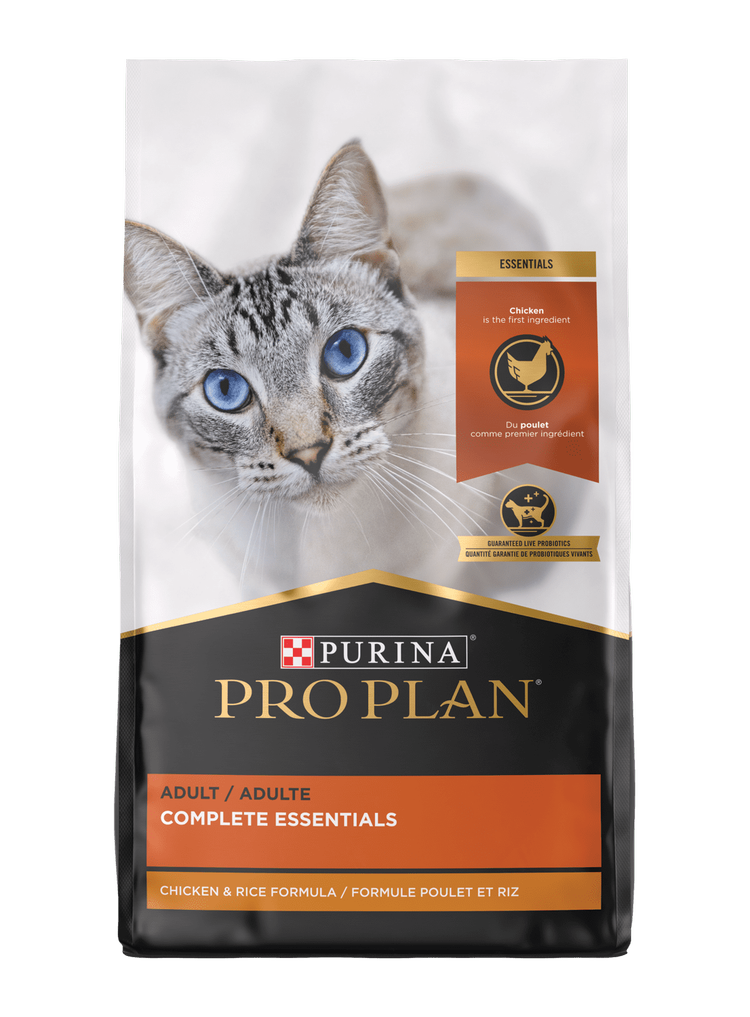
Credit: www.purina.com
Special Considerations
Feeding adult cats isn’t a one-size-fits-all situation. Some cats need more attention because of their age or health. Understanding these special considerations helps you give the right amount and type of food to keep your cat healthy and happy.
Senior Cats’ Dietary Needs
Older cats often have slower metabolisms and less active lifestyles. This means they usually need fewer calories to avoid gaining weight. But they also need high-quality protein to maintain muscle strength.
Have you noticed your senior cat eating less or losing weight? This can signal a need for a diet adjustment. Foods rich in omega-3 fatty acids can support joint health and brain function in elderly cats.
Switching to specially formulated senior cat food can make a big difference. These foods often have added vitamins and minerals to support aging bodies. Talk to your vet about the best options for your cat’s age and lifestyle.
Cats With Health Conditions
Health problems like kidney disease, diabetes, or allergies change how much and what your cat should eat. For example, cats with kidney issues usually need diets lower in protein and phosphorus.
Diabetic cats often require consistent meal times and controlled carbohydrate intake. Allergies might mean avoiding certain ingredients or feeding hypoallergenic diets.
If your cat has a health condition, do you regularly check the food label and vet recommendations? Never guess their dietary needs, as the wrong food can worsen their condition. Adjustments might include:
- Special prescription diets
- Smaller, more frequent meals
- Supplements to support specific health issues
Managing these special diets takes patience but can greatly improve your cat’s quality of life. Always consult your vet before making changes to their diet.
Frequently Asked Questions
How Many Calories Should Adult Cats Eat Daily?
Adult cats need about 20 calories per pound of body weight each day. This varies by activity and health. Always adjust based on your cat’s needs and consult your vet for precise guidance.
How Much Dry Food Should Adult Cats Eat?
Typically, adult cats eat 1/4 to 1/3 cup of dry food twice daily. This depends on the food’s calorie content. Check packaging instructions and adjust portions to maintain a healthy weight.
Can Adult Cats Eat Wet Food Daily?
Yes, adult cats can eat wet food daily. Wet food provides hydration and balanced nutrition. Feed about 3 to 5 ounces per meal, twice a day, depending on your cat’s size and appetite.
How Often Should I Feed My Adult Cat?
Most adult cats do well with two meals per day. Feeding twice helps maintain energy and weight. Some cats prefer free feeding, but scheduled meals prevent overeating and obesity.
Conclusion
Feeding adult cats the right amount keeps them healthy and happy. Too little food can cause weakness. Too much food may lead to weight gain. Watch your cat’s weight and energy daily. Adjust food portions based on activity and age.
Quality food matters as much as quantity. Talk to your vet for specific advice. Simple steps help your cat live a long life. Healthy eating supports strong muscles and a shiny coat. Careful feeding shows your love and keeps cats safe.



Leave a Reply