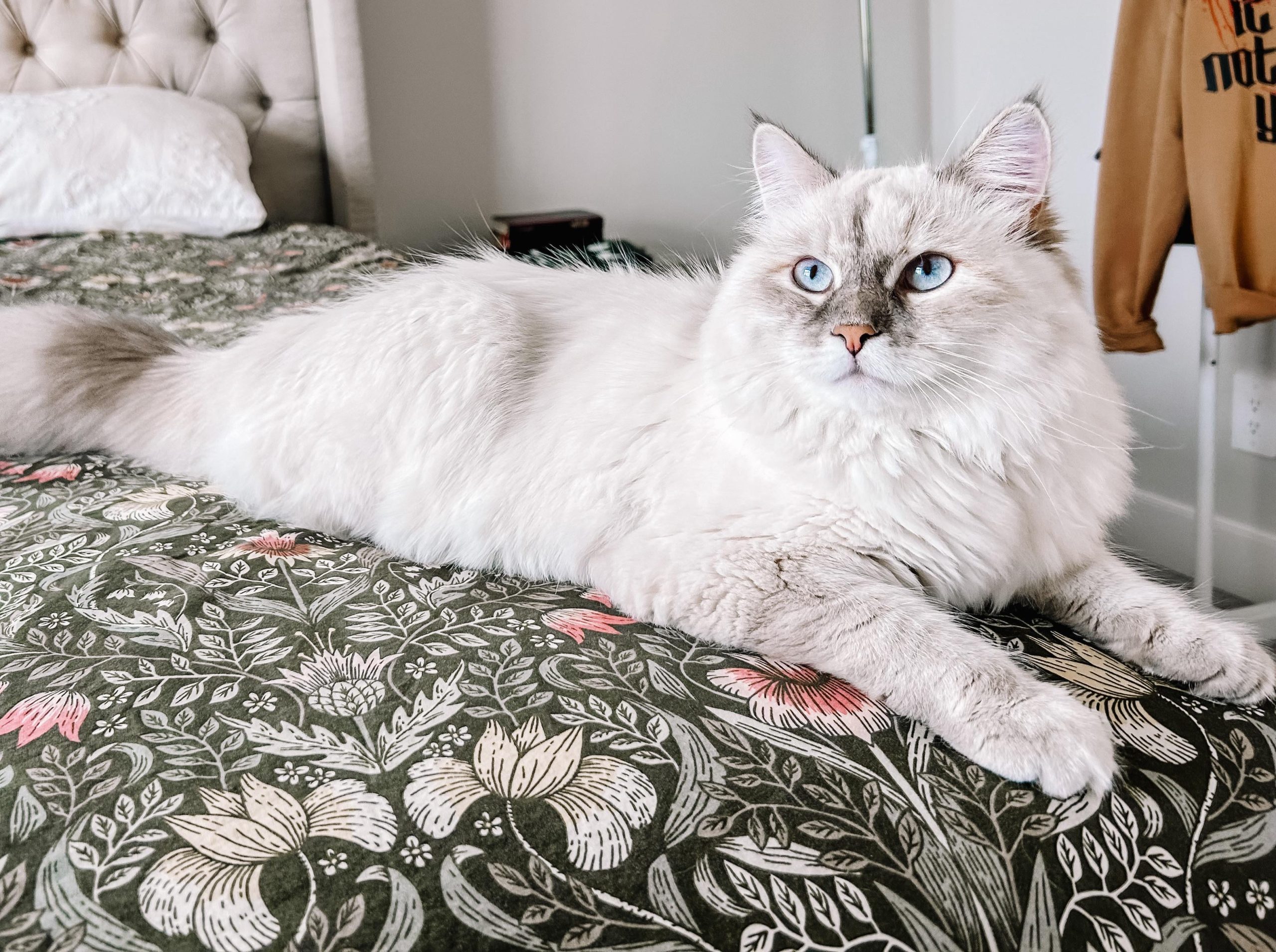
If you have a Siberian cat, you know how beautiful and fluffy they are. But keeping that gorgeous coat in top shape takes some care.
You might wonder how to groom your Siberian cat without stress or mess. This guide will show you simple, effective ways to keep your cat’s fur soft, shiny, and healthy. By the end, you’ll feel confident giving your furry friend the grooming they deserve—making your bond even stronger.
Ready to make grooming easy and enjoyable for both you and your cat? Let’s dive in!
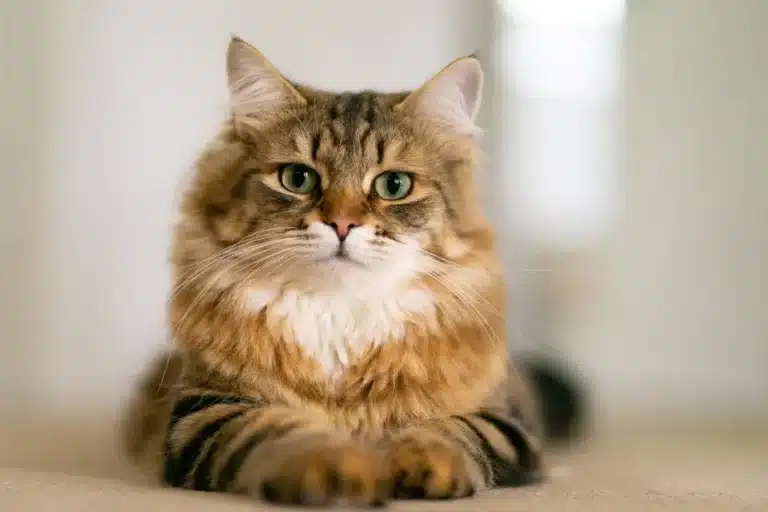
Credit: vogdog.com
Siberian Cat Coat Basics
The Siberian cat’s coat is one of its most striking features. It is thick, dense, and designed to protect the cat in cold climates. Understanding the basics of this coat helps in proper grooming and care. Knowing the fur type and how it changes with seasons makes grooming easier and keeps your cat comfortable.
Fur Type And Texture
Siberian cats have a triple-layered coat. The outer layer is long and water-resistant. It protects against rain and snow. The middle layer is dense and soft. This layer keeps the cat warm. The undercoat is thick and woolly. It helps in insulation during cold weather. The fur feels silky but strong. It rarely mats if brushed regularly. The texture allows dirt to brush off easily.
Seasonal Coat Changes
The Siberian cat’s coat changes with the seasons. It grows thick and heavy in winter. This helps the cat stay warm. In spring, the coat sheds heavily. The undercoat thins to prepare for warmer weather. This shedding can last several weeks. Regular brushing reduces loose fur and hairballs. In summer, the coat is shorter and lighter. The cat stays cool but still has some insulation.
Essential Grooming Tools
Proper grooming keeps your Siberian cat healthy and happy. Having the right tools makes the process smooth and stress-free. These tools help manage their thick fur and maintain cleanliness. Below are the essential grooming tools every Siberian cat owner should have.
Brushes And Combs
A good brush removes loose fur and prevents mats. A slicker brush works well on dense fur. Use a wide-toothed comb to detangle knots gently. Regular brushing reduces shedding and keeps the coat shiny. Choose tools with soft, rounded tips to avoid scratching.
Nail Clippers And Scissors
Keep claws trimmed to avoid injury or damage. Use sharp nail clippers designed for cats. Scissors with rounded ends help trim fur around paws safely. Trim nails every two to three weeks. Handle your cat’s paws gently to keep it calm during clipping.
Cleaning Supplies
Clean eyes and ears to prevent infections. Use pet-safe wipes or cotton balls. Avoid using harsh chemicals near sensitive areas. A damp cloth helps wipe the face and paws. Keep a small towel handy to dry your cat after grooming.
Daily Grooming Routine
Grooming your Siberian cat daily keeps their coat healthy. It also strengthens your bond. Siberians have thick fur that can easily tangle. A consistent grooming routine prevents mats and tangles. It also helps to keep shedding under control.
Brushing Techniques
Use a wide-toothed comb for daily brushing. Start at the head and move towards the tail. Be gentle to avoid hurting your cat. Follow up with a slicker brush. It removes loose hair and dander.
Brush in the direction of hair growth. This minimizes stress for your cat. Spend extra time on the belly and underarms. These areas mat easily.
Checking For Mats And Tangles
Examine your cat’s fur for mats daily. Pay attention to areas behind the ears and near the tail. Use your fingers to gently separate small tangles. For larger mats, use a mat splitter or scissors.
Be cautious when cutting mats. Avoid cutting too close to the skin. If unsure, seek professional help. Regular checks prevent severe matting. This reduces discomfort for your furry friend.

Credit: www.petscare.com
Bathing Your Siberian
Bathing your Siberian cat is an important part of grooming. It helps keep their thick fur clean and free from dirt. Siberians have water-resistant coats, so they do not need frequent baths. Bathing too often can dry out their skin. A gentle bath refreshes their coat and removes excess oils and debris. Use mild products and a calm approach to make the experience smooth.
When To Bathe
Only bathe your Siberian when necessary. Signs include:
- Visible dirt or mud on the fur
- Sticky or oily patches
- Strong odors
- After exposure to harmful substances
Bathing every 6 to 8 weeks is usually enough. Too frequent baths can cause skin problems.
Safe Shampoo Choices
Choose shampoos made for cats. Avoid human or dog shampoos. They may irritate your Siberian’s skin. Look for:
- Hypoallergenic formulas
- No harsh chemicals
- Moisturizing ingredients like oatmeal or aloe vera
- Free from strong fragrances
Test a small skin area first to check for reactions.
Bathing Steps
- Brush your cat to remove loose fur and knots.
- Fill a basin with lukewarm water, not too hot or cold.
- Gently wet your Siberian’s fur, avoiding the face.
- Apply a small amount of shampoo and lather softly.
- Rinse thoroughly to remove all shampoo residues.
- Use a soft towel to dry your cat carefully.
- Keep your Siberian in a warm room until fully dry.
Be patient and calm throughout the bath. Reward your cat afterward with treats or gentle petting.
Nail And Ear Care
Proper nail and ear care is essential for keeping your Siberian cat comfortable and healthy. Neglecting these areas can lead to discomfort and infections. With some patience and the right approach, you can easily manage these grooming tasks at home.
Trimming Nails Safely
Trimming your Siberian cat’s nails can feel tricky, but it doesn’t have to be stressful for either of you. Use a sharp, cat-specific nail clipper to avoid crushing the nail. Hold your cat’s paw gently and press the pad to extend the nails for a clear view.
Focus on trimming just the sharp tip. Avoid cutting into the pink part, called the quick, as it can cause pain and bleeding. If your cat’s nails are very dark, trim small bits at a time to stay safe.
- Use treats and praise to keep your cat calm.
- Trim nails every 1-2 weeks to prevent overgrowth.
- Keep styptic powder nearby in case of accidental cuts.
Cleaning Ears Properly
Regular ear cleaning helps prevent wax buildup and infections in your Siberian cat. Use a vet-approved ear cleaner and a soft cotton ball or gauze; never insert cotton swabs deep into the ear canal.
Gently wipe the visible part of the ear and check for redness, odor, or excessive wax. If you notice any of these signs, it might be time to visit your vet.
- Clean ears once a month or as needed based on your cat’s activity.
- Keep your cat calm by talking softly and moving slowly.
- Stop if your cat shows signs of pain or distress during cleaning.
Have you noticed your cat’s behavior change after ear cleaning? Sometimes, they might shake their head or scratch more, which can mean irritation or infection that needs attention. How do you ensure your cat stays comfortable during these grooming moments?
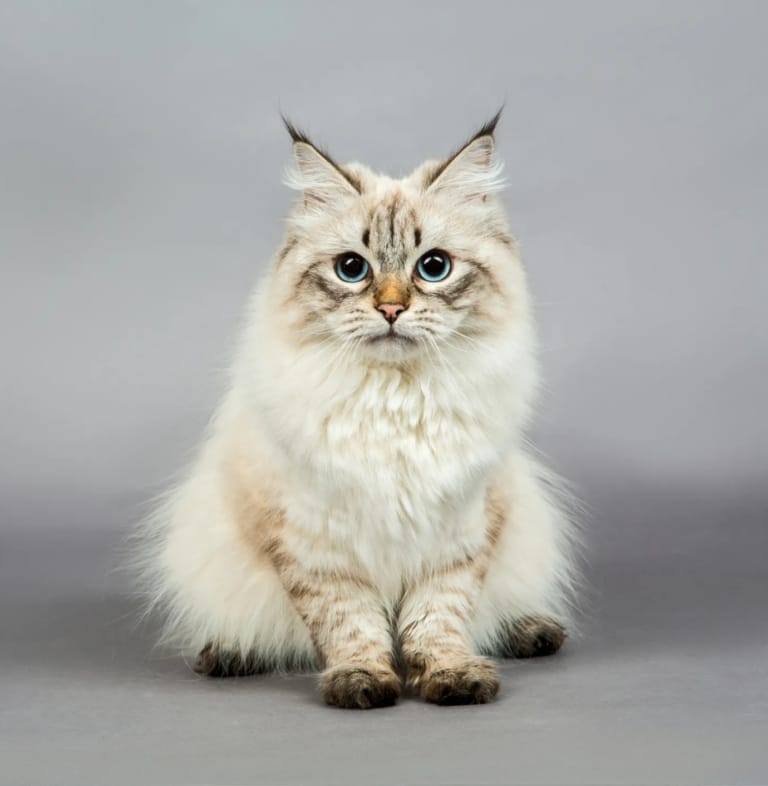
Credit: vogdog.com
Managing Shedding
Siberian cats have thick, beautiful coats that shed regularly. Managing this shedding keeps your home cleaner and your cat more comfortable. Regular grooming helps control loose fur and reduces hair on your furniture. It also keeps your cat’s skin healthy and less itchy. Here are some tips to handle shedding effectively.
Seasonal Shedding Tips
Siberian cats shed the most during spring and fall. Their bodies adjust to changing temperatures by shedding old fur. Brush your cat daily during these times to remove loose hair. Use a slicker brush or a comb designed for thick coats. Bathing your cat occasionally helps remove dead hair from the skin. Keep your cat’s diet rich in omega-3 and omega-6 fatty acids. These nutrients improve coat health and reduce shedding.
Reducing Hairballs
Shedding fur can lead to hairballs when your cat grooms itself. Hairballs may cause discomfort or digestive issues. Regular brushing lowers the amount of loose fur your cat swallows. Provide hairball control treats or supplements to help move fur through the digestive tract. Ensure your cat drinks enough water to aid digestion. Monitor your cat for frequent coughing or vomiting, signs of hairball problems.
Health And Diet Impact
Understanding the impact of health and diet on your Siberian cat’s grooming routine can transform how their coat looks and feels. A well-nourished cat shows off a shiny, soft, and tangle-free fur, making your grooming sessions easier and more enjoyable. Let’s look at how nutrition and hydration play key roles in maintaining your cat’s luxurious coat.
Nutrition For Coat Health
Your Siberian cat’s diet directly affects the quality of their fur. Foods rich in omega-3 and omega-6 fatty acids help keep the coat smooth and reduce shedding. I noticed a big difference when I switched to a high-protein diet that included fish oil supplements—my cat’s fur became visibly shinier within weeks.
Pay attention to these essential nutrients for coat health:
- Omega fatty acids:Found in fish oils and flaxseed, these promote healthy skin and reduce dryness.
- Protein:Vital for fur growth, so choose diets with high-quality meat sources.
- Vitamins A and E:Support skin repair and coat strength.
Are you feeding your cat enough of these nutrients? Sometimes, even premium cat foods lack the right balance, so supplementing might be necessary.
Hydration Importance
Hydration often gets overlooked but is essential for your Siberian’s skin and coat health. Dehydrated skin becomes dry and flaky, which leads to brittle fur and more tangles. I’ve found that cats who drink more water have fewer grooming issues and less dandruff.
Encourage your cat to drink more by:
- Providing fresh water daily in multiple bowls.
- Using a cat water fountain to entice drinking.
- Adding wet food to their diet for extra moisture.
Have you noticed how your cat’s coat changes after a period of better hydration? Keeping your feline well-hydrated is a simple step that yields impressive grooming results.
Common Grooming Challenges
Grooming a Siberian cat can be a rewarding experience, but it also comes with its own set of challenges. These cats have a thick, triple-layered coat that requires regular attention. Understanding common grooming hurdles can help you keep your furry friend comfortable and healthy.
Dealing With Resistant Cats
Not every Siberian cat will enjoy being groomed. Some may squirm, scratch, or even try to escape. To make grooming smoother, start slowly by letting your cat sniff the brush and get used to your touch.
Try breaking grooming into short sessions instead of one long one. Offering treats or gentle praise during and after can build a positive association. Have you noticed your cat calming down after a few minutes? Patience often pays off.
If your cat is especially resistant, using a grooming glove instead of a brush might help. It feels more like petting and less like a chore. This small change can turn grooming into bonding time.
Preventing Skin Issues
Siberians have dense fur that can trap dirt and moisture, which sometimes leads to skin problems. Regular brushing helps remove dead hair and keeps the coat breathable. Check for redness, bumps, or flaky skin during grooming sessions.
Bathing your cat occasionally can also prevent skin issues, but avoid overdoing it as it may dry out their skin. Use a gentle, cat-specific shampoo and make sure to rinse thoroughly. Dry your cat well afterward to avoid dampness that breeds irritation.
Does your Siberian scratch more than usual? It might be time to consult a vet. Early attention can prevent minor irritations from becoming serious problems.
Frequently Asked Questions
How Often Should I Groom A Siberian Cat?
Siberian cats need grooming 2-3 times a week. Regular brushing prevents matting and reduces shedding. Frequent grooming keeps their coat healthy and shiny.
What Tools Are Best For Grooming Siberian Cats?
Use a wide-toothed comb and a slicker brush. These tools help remove loose hair and tangles gently. Avoid harsh brushes that can irritate their skin.
How Do I Prevent Matting In A Siberian Cat?
Regular brushing is key to preventing mats. Focus on thick areas like the neck and tail. Detangle knots promptly using a comb or fingers.
Can Grooming Help Reduce Siberian Cat Shedding?
Yes, grooming removes loose fur and reduces shedding. It also distributes natural oils for a healthier coat. Grooming sessions keep your home cleaner.
Conclusion
Grooming a Siberian cat keeps their coat healthy and shiny. Regular brushing stops mats and reduces shedding. It also helps you spot any skin problems early. Use gentle tools and be patient during grooming sessions. Your cat will feel more comfortable and happy.
Remember, a clean cat is a happy cat. Keep grooming simple and consistent to enjoy a strong bond. Caring for your Siberian this way shows love and attention every day.



Leave a Reply