Are you worried about your cat’s health but unsure what problems to watch out for? Knowing the most common health conditions for cats can help you spot signs early and keep your furry friend happy and strong.
You’ll discover the key issues that affect many cats and learn simple ways to protect your pet. By understanding these health risks, you can take action before small problems turn into big ones. Keep reading to make sure you’re giving your cat the best care possible.
Credit: www.pethealthclub.com
Common Feline Health Issues
Cats face many health challenges as they grow older. Knowing common feline health issues helps owners keep cats healthy. Early detection can prevent serious problems and improve life quality. This guide covers some frequent health conditions seen in cats.
Upper Respiratory Infections
Upper respiratory infections are common in cats. They cause sneezing, coughing, and nasal discharge. Cats may lose appetite and become tired. These infections spread quickly in places with many cats. Treatment includes rest, fluids, and sometimes antibiotics.
Dental Disease
Dental problems affect many cats. Symptoms include bad breath, red gums, and difficulty eating. Plaque and tartar buildup lead to pain and infection. Regular teeth cleaning and vet checkups help prevent dental disease.
Kidney Problems
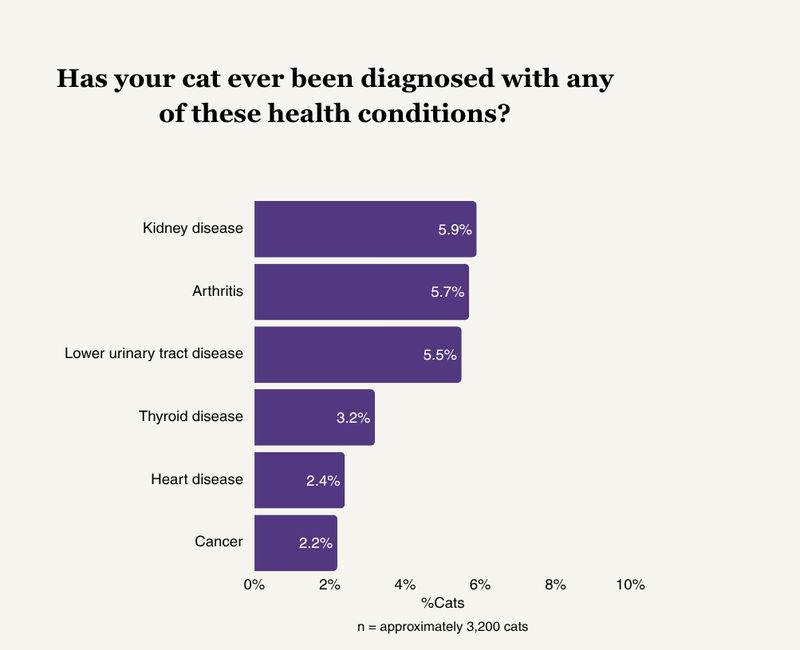
Kidney disease is common in older cats. It causes increased thirst and urination. Cats may lose weight and seem weak. Early diagnosis and special diets can slow kidney damage.
Diabetes In Cats
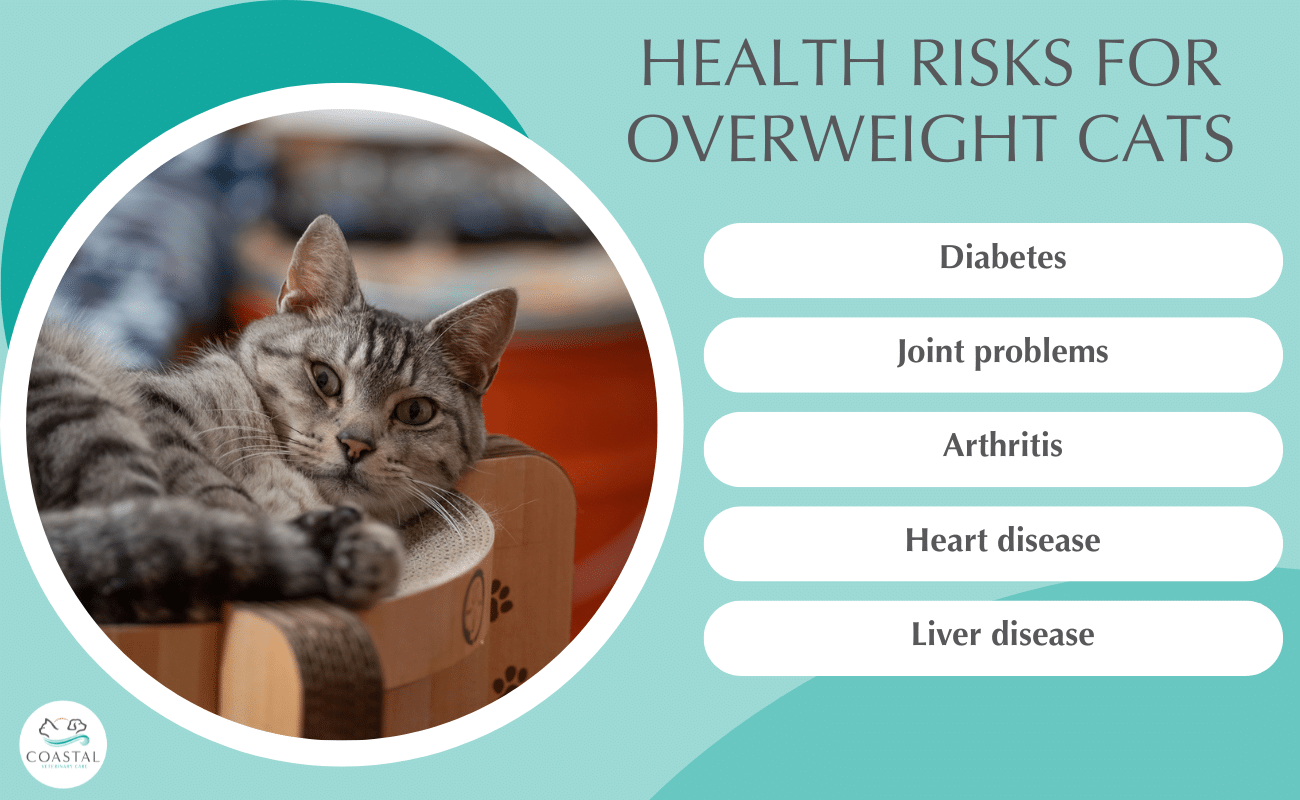
Diabetes occurs when a cat’s body cannot control blood sugar. Signs include weight loss, increased thirst, and urination. Treatment involves insulin injections and diet management. Monitoring is essential for a good outcome.
Hyperthyroidism
Hyperthyroidism happens when the thyroid gland produces too much hormone. Cats may lose weight but eat more. They often become restless and have a fast heartbeat. Medication or surgery can manage this condition.
Arthritis And Joint Pain
Arthritis affects many older cats. Joints become stiff and painful. Cats may move less or avoid jumping. Pain relief and joint supplements can improve comfort and mobility.
Credit: coastalveterinarycare.vet
Symptoms To Watch For
Cats cannot tell us when they feel unwell. Watching for symptoms helps catch health issues early. Noticing small changes in behavior or habits can protect your cat’s health. These signs often point to common health problems.
Changes In Appetite
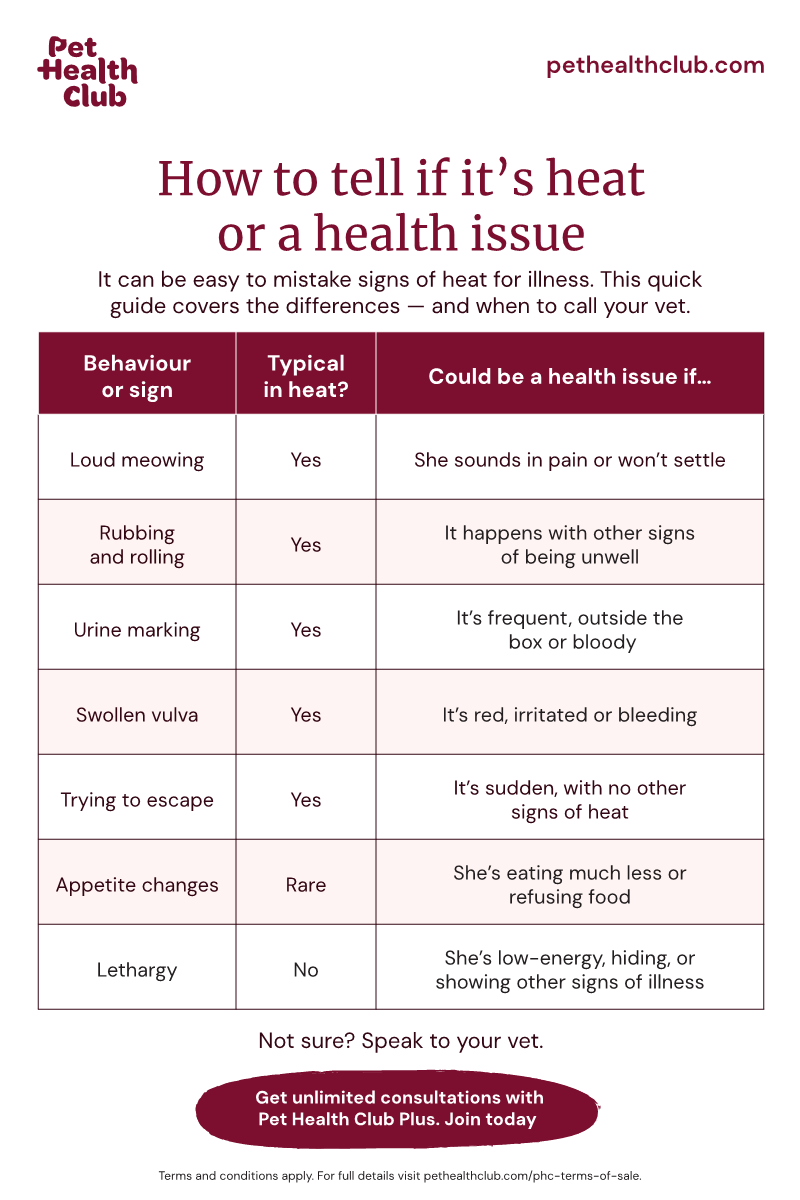
A sudden drop or increase in eating can signal illness. Cats may stop eating due to pain, nausea, or dental problems. Eating more might indicate diabetes or thyroid issues. Track your cat’s food intake daily to notice shifts.
Lethargy And Behavior Changes
A tired or less active cat may be sick. Look for hiding, irritability, or less interest in play. These changes might mean infections, pain, or chronic diseases. A normally social cat becoming withdrawn needs attention.
Weight Loss Or Gain
Unexplained weight changes are a clear warning sign. Weight loss can result from parasites, kidney disease, or cancer. Weight gain might come from poor diet or hormonal problems. Regularly weigh your cat to spot trends early.
Respiratory Signs
Coughing, sneezing, or difficulty breathing should never be ignored. These symptoms can indicate infections, asthma, or heart problems. Notice if your cat breathes rapidly or makes unusual sounds. Early care can prevent serious complications.
Changes In Litter Box Habits
Frequent urination, straining, or accidents outside the box are red flags. These may signal urinary tract infections, bladder stones, or kidney issues. Changes in stool consistency or frequency also need watching. Clean litter boxes encourage normal use.
Risk Factors For Cat Health
Cats are beloved companions, but they face various health risks. Knowing these risks helps in maintaining their well-being. Let’s explore key factors impacting your cat’s health.
Age And Breed Considerations
Different cat breeds have unique health challenges. Siamese cats may develop respiratory issues. Persians often face eye problems. Age also plays a role. Older cats are prone to arthritis and kidney disease. Regular vet visits ensure early detection.
Diet And Nutrition
A cat’s diet affects its health significantly. Poor nutrition leads to obesity or malnutrition. Cats need a protein-rich diet. Avoid feeding them dog food or table scraps. Fresh water is essential to prevent urinary issues. Consult a vet for dietary advice.
Environmental Hazards
Indoor and outdoor environments pose different threats. Outdoor cats face traffic and predators. Indoor cats may encounter toxic plants or household chemicals. Keep harmful items out of reach. Create a safe space for your cat.
Genetic Predispositions
Certain health problems are genetic. Maine Coons often have heart conditions. Some breeds are prone to dental issues. Understanding your cat’s genetic risks aids in prevention. Discuss genetic testing with your vet for personalized care.
Credit: darwinsark.org
Preventive Care Tips
Preventive care plays a crucial role in keeping your cat healthy and avoiding common health problems. Small daily actions and regular attention can make a big difference in your cat’s well-being. Have you ever noticed how a simple vet visit or a change in diet can prevent serious issues down the road?
Regular Vet Checkups
Taking your cat to the vet regularly helps catch health problems early. Many conditions develop slowly, and early detection can save your cat from pain and expensive treatments. Schedule checkups at least once a year, or more often for senior cats or those with chronic issues.
During visits, vets check your cat’s weight, eyes, ears, and overall behavior. They can spot signs of diseases like diabetes or kidney problems before you notice anything unusual at home.
Vaccinations And Parasite Control
Vaccines protect your cat from dangerous diseases such as feline leukemia and rabies. Make sure your cat’s vaccination schedule is up to date, especially if they spend time outdoors or around other animals.
Parasites like fleas, ticks, and worms cause discomfort and serious illnesses. Using appropriate parasite control products regularly prevents infestations. Ask your vet which options suit your cat’s lifestyle best.
Proper Diet And Exercise
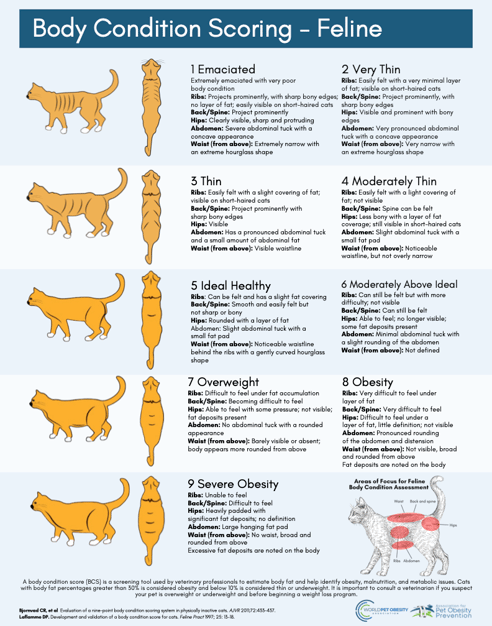
A balanced diet fuels your cat’s body and supports its immune system. Avoid overfeeding or giving too many treats to prevent obesity, a common health risk. Choose high-quality cat food based on your cat’s age, weight, and health needs.
Exercise keeps your cat active and helps maintain a healthy weight. Try interactive toys, climbing trees, or simple play sessions to keep your cat moving. How often do you spend playtime with your cat each day?
Dental Care Practices
Dental health often gets overlooked but affects your cat’s overall health. Regular brushing and dental checkups reduce the risk of gum disease and tooth loss. Start brushing your cat’s teeth early to get them used to the routine.
If brushing isn’t an option, dental treats and toys can help reduce plaque buildup. Keep an eye on signs like bad breath or difficulty eating, and consult your vet if you notice any problems.
When To See A Vet
Knowing when to see a vet is vital for your cat’s health. Cats often hide signs of illness. Early vet visits can catch problems before they worsen.
Regular check-ups and paying attention to changes in behavior help keep cats healthy. Some signs need urgent care, while others require routine monitoring. Managing chronic conditions also needs vet guidance.
Emergency Signs
- Sudden difficulty breathing or choking
- Severe bleeding or wounds
- Unconsciousness or collapse
- Repeated vomiting or diarrhea
- Seizures or severe shaking
- Inability to urinate or defecate
- Extreme weakness or inability to stand
- Swollen or painful abdomen
These signs need immediate veterinary attention. Do not wait or delay treatment.
Routine Health Monitoring
- Changes in appetite or water intake
- Weight loss or gain
- Frequent scratching or hair loss
- Changes in litter box habits
- Unusual coughing or sneezing
- Lethargy or hiding more than usual
- Bad breath or dental issues
These signs should prompt a vet visit for evaluation. Early detection improves treatment success.
Chronic Condition Management
Conditions like diabetes, kidney disease, or arthritis need regular vet care. Follow the vet’s advice on medication and diet. Monitor your cat’s symptoms closely. Report any worsening or new signs quickly.
Consistent vet visits help maintain your cat’s quality of life. Adjust treatments based on health changes over time.
Frequently Asked Questions
What Are The Most Common Health Issues In Cats?
Common cat health issues include dental disease, obesity, kidney disease, diabetes, and respiratory infections. Early detection and treatment improve outcomes and quality of life.
How Can I Identify Cat Kidney Disease Symptoms?
Symptoms of cat kidney disease include increased thirst, frequent urination, weight loss, and lethargy. Regular vet check-ups help detect these signs early.
Why Is Dental Care Important For Cats?
Dental disease affects many cats and can cause pain, tooth loss, and infections. Regular brushing and vet cleanings maintain oral health and prevent complications.
What Causes Obesity In Cats And How To Prevent It?
Obesity in cats often results from overeating and lack of exercise. Balanced diet and regular playtime keep cats fit and healthy.
Conclusion
Cats can face many common health problems as they age. Knowing these issues helps you spot signs early. Regular vet visits keep cats healthy and happy. Watch your cat’s behavior and appetite closely. Quick action can prevent serious health trouble.
Care and attention make a big difference. Keeping your cat safe and well is a loving choice. Stay informed and give your cat the best life.



Leave a Reply