Have you ever wondered why calico cats have such unique and striking colors? If you’re curious about whether these beautiful cats are the result of selective breeding, you’re not alone.
Understanding how calico cats get their patterns can reveal surprising facts about genetics and breeding practices. Keep reading to discover the truth behind calico cats and what it means for you as a cat lover or potential pet owner. This knowledge might change the way you see these charming felines forever.

Credit: www.reddit.com
Calico Cats And Their Colors
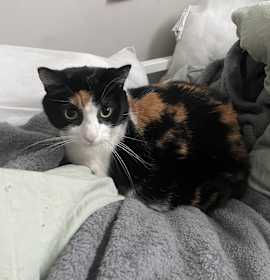
Calico cats stand out with their unique mix of colors. Their coats feature patches of white, orange, and black. These colors create a striking and charming appearance. Each calico cat has a different pattern, making every one special. Understanding their colors helps us learn if selective breeding plays a role in their looks.
Distinctive Coat Patterns
Calico cats have three main colors on their fur. The white parts are often the base color. Orange and black patches appear in irregular shapes. No two calico cats have the exact same pattern. The size and placement of the colors vary widely. This randomness adds to their charm and appeal.
- White covers large areas of the body.
- Orange patches are bright and bold.
- Black spots contrast sharply with the orange.
- Patterns can be spotted or blotchy.
Genetics Behind Calico Colors
The coat colors come from a special gene on the X chromosome. Female cats have two X chromosomes, which allows three colors. Male cats usually have one X and one Y chromosome, so they rarely show calico colors. This is why most calico cats are female.
Genetic activity causes some cells to express orange color and others black. This mix results in the patchy coat pattern. The white color comes from a separate gene that limits pigment. This genetic combination creates the beautiful calico look naturally.
What Selective Breeding Means
Selective breeding is a way humans guide animal traits. It involves choosing parents with specific qualities to produce desired offspring. This method helps enhance certain features like color, size, or behavior in animals. For cats, it means controlling which cats mate to create distinct breeds.
This practice is common in many animals, including cats, dogs, and livestock. Selective breeding shapes the appearance and nature of pets over generations. It is a careful and patient process that requires knowledge and care.
Purpose And Process
The purpose of selective breeding is to keep or improve traits in animals. Breeders pick cats with preferred qualities and mate them. These qualities can be coat color, pattern, temperament, or health.
The process starts by identifying desired traits. Breeders then select parent cats that show these traits clearly. After mating, the offspring are observed for these traits. The best offspring may be chosen for further breeding. This cycle repeats over several generations to strengthen traits.
Common Breeds Bred Selectively
Many popular cat breeds result from selective breeding. Some well-known breeds include:
- Siamese – bred for their striking blue eyes and slender bodies
- Persian – selected for long, luxurious fur and flat faces
- Maine Coon – chosen for large size and tufted ears
- Bengal – bred to look like wild cats with spotted coats
Selective breeding helps maintain breed standards and unique traits. It also supports healthy populations by reducing genetic issues.
Selective Breeding And Calico Cats
Selective breeding has long fascinated both scientists and animal enthusiasts. When it comes to calico cats, the vibrant and unique patterns they display often lead to questions about their origin. Are these striking creatures a result of deliberate human intervention, or do they occur naturally? Understanding the dynamics of selective breeding in calico cats opens a window into the broader world of feline genetics and human influence.
Are Calicos Bred On Purpose?
Calico cats are not typically bred on purpose. Their unique tri-color pattern is a result of a genetic lottery, where the X chromosome plays a critical role. Most calicos are female due to the presence of two X chromosomes, which allows for the combination of black, orange, and white fur.
Breeders may attempt to influence the appearance of kittens, but the specific calico pattern is not something that can be easily controlled. Unlike breeding for specific traits like size or temperament, the calico pattern is more about chance than choice. Have you ever wondered why you rarely see male calicos? It’s due to the rare genetic anomaly required for a male to carry the same traits.
Natural Occurrence Vs. Human Intervention
Calico cats predominantly arise from natural genetic variations rather than human-directed breeding. They serve as a delightful reminder of nature’s unpredictability and beauty. While humans can influence many aspects of a cat’s appearance, the calico pattern is largely left to nature’s whim.
Human intervention in the breeding of calico cats is minimal. Breeders may focus on other traits like coat length or eye color, but the calico pattern itself remains a beautiful accident of genetics. Isn’t it fascinating how something so intricate can occur without human manipulation?
Understanding these dynamics can deepen your appreciation for the wonder of genetic diversity in the feline world. So, next time you see a calico cat, remember you’re witnessing a piece of nature’s artwork, not a product of human design.
Genetic Factors Affecting Calico Cats
Calico cats are famous for their unique tri-color coats. Their colors are not chosen by breeders. Instead, genetics play a major role in their appearance. Understanding the genetic factors helps explain why calico patterns occur.
These cats show a special genetic trait linked to their coat colors. The colors depend on specific genes carried on the X chromosome. This makes calico cats quite special in the feline world.
Role Of X Chromosome
The X chromosome carries the genes for orange and black fur. Female cats have two X chromosomes, while males have one X and one Y chromosome. This difference is key to calico coloring.
In females, one X chromosome randomly turns off in each cell. This process is called X-inactivation. It causes patches of orange and black fur to appear on their bodies. White fur comes from other genes not on the X chromosome.
This random inactivation creates the classic calico pattern. Each cat’s pattern is unique due to this genetic process.
Male Vs. Female Calicos
Most calico cats are female. This happens because males usually have only one X chromosome. Without two X chromosomes, males cannot show both orange and black colors.
Male calicos are rare and often sterile. They have a genetic anomaly where they carry two X chromosomes and one Y chromosome (XXY). This condition is called Klinefelter syndrome.
Because of this, male calicos are uncommon and not typically bred for color. Female calicos appear naturally due to normal genetic processes.
Breeding Challenges With Calico Cats
Breeding calico cats presents unique challenges that many breeders and enthusiasts must carefully consider. Unlike many other coat patterns, calicos are not just a result of simple genetics but a complex interplay of chromosomes. This complexity makes breeding for specific calico traits both unpredictable and demanding.
Unpredictable Coat Patterns
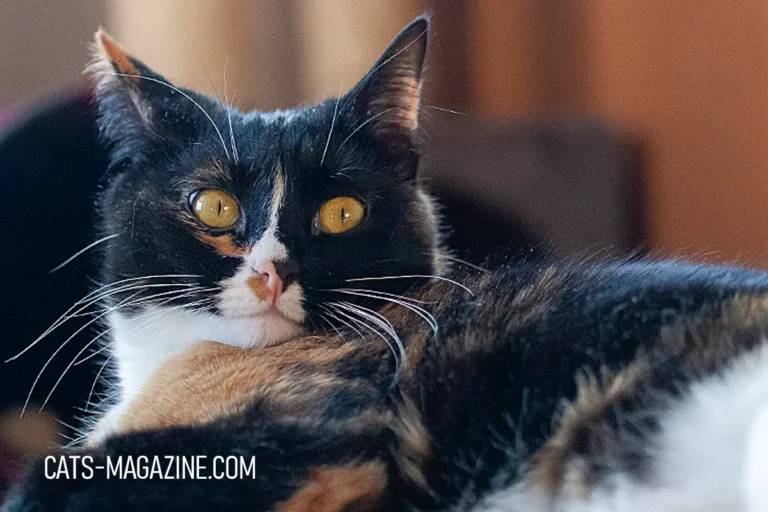
Calico cats show a wide variety of coat patterns that are nearly impossible to predict. Their distinctive tri-color fur results from X-chromosome inactivation, which means each cat’s markings are unique. Even if you breed two calicos, the kittens may have vastly different patterns or colors.
This unpredictability can be frustrating if you aim for a particular look. Have you ever wondered why no two calico cats look alike? It’s because their coat pattern is a natural genetic lottery, and selective breeding can’t guarantee specific results.
Health Considerations
Calico cats are almost always female due to their genetic makeup, which carries important health implications. Male calicos are rare and often sterile, which limits their role in breeding programs. This gender bias reduces the pool of potential breeding cats, making the process more challenging.
Additionally, breeding for specific traits can sometimes increase the risk of inherited health problems. Responsible breeders must monitor genetic health closely to avoid passing on issues such as kidney disease or heart conditions common in some cat lines. Are you prepared to invest in health testing and careful pairing to keep your calico kittens healthy?
Credit: cats-magazine.com
Why Calico Cats Are Popular
Calico cats capture attention wherever they go. Their popularity isn’t just about looks; it’s also about what they represent and how they make people feel. Understanding why calicos are so beloved helps you see why they hold a special place in the world of cats and among cat lovers.
Unique Appearance
Calico cats stand out because of their striking, patchy coat of three colors—white, black, and orange. No two calicos look exactly the same, which makes each one feel like a living work of art. This variety in their patterns means you get a truly unique pet, one that’s easy to recognize and hard to forget.
Have you ever noticed how many people pause just to admire a calico’s coat? Their appearance sparks curiosity and often invites compliments, making them natural conversation starters. This distinctive look adds to their charm and keeps them popular among cat owners and enthusiasts.
Cultural Significance
Calico cats are often seen as symbols of good luck and fortune in many cultures. In Japan, for example, the “Maneki-neko” or beckoning cat is frequently depicted with calico colors and is believed to bring prosperity. This cultural connection boosts their appeal beyond just their looks.
People who own calicos sometimes feel a deeper bond because their cat carries these positive meanings. Have you thought about how owning a pet that symbolizes luck might change your daily outlook? For many, the calico isn’t just a cat; it’s a good omen and a source of joy.
Ethical Aspects Of Cat Breeding
Ethical aspects of cat breeding raise important questions about the care and treatment of animals. Breeders must balance the desire for specific traits with the health and happiness of cats. This is especially true for calico cats, whose unique coloring often attracts attention. Considering ethics helps protect cat welfare and maintain healthy populations.
Breeding For Traits Vs. Welfare
Selective breeding focuses on traits like color, pattern, or size. Calico cats are popular for their tri-color coats. Breeding only for looks can cause health problems. Some traits may lead to genetic disorders or weakened immune systems. Welfare means putting the cat’s health and comfort first. Responsible breeders avoid sacrificing welfare for appearance. They ensure cats live happy, healthy lives.
Impact On Cat Populations
Selective breeding can reduce genetic diversity in cat populations. Limited gene pools increase risks of inherited diseases. Overbreeding certain traits may create unhealthy lineages. It can also lead to fewer cats with natural variations. Maintaining diverse cat populations supports resilience and health. Ethical breeding practices protect the long-term well-being of all cats.
Credit: www.adoptapet.com
Frequently Asked Questions
Are Calico Cats A Result Of Selective Breeding?
Calico cats are not specifically bred for their coat colors. Their unique patterns occur naturally due to genetics. Breeders may select for other traits but not for calico coloring alone. This makes calico cats more of a genetic phenomenon than a product of selective breeding.
Why Are Calico Cats Mostly Female?
Calico coloring depends on two X chromosomes, which females have. Males have one X and one Y chromosome, making calico males very rare. This genetic trait explains why almost all calico cats are female, not due to breeding practices.
Can Selective Breeding Influence Calico Patterns?
Selective breeding does not control calico patterns directly. The patterns depend on random X chromosome inactivation. Breeders might select healthy cats but cannot predict exact calico designs. Therefore, selective breeding influences health but not calico coat patterns.
Are There Male Calico Cats Through Breeding?
Male calico cats are rare and usually sterile due to genetic anomalies. Breeding cannot reliably produce male calicos. Most male calicos have an extra X chromosome, a condition called Klinefelter syndrome, not linked to selective breeding.
Conclusion
Calico cats have unique and natural color patterns. Breeders do not create these colors on purpose. Their patterns come from genetics, not selective breeding. People love calicos for their rare and beautiful looks. Understanding their genetics helps us appreciate these cats more.
Whether you own one or just admire them, calicos are special. Their charm is natural, not made in a lab. This makes calico cats a true wonder of nature.



Leave a Reply