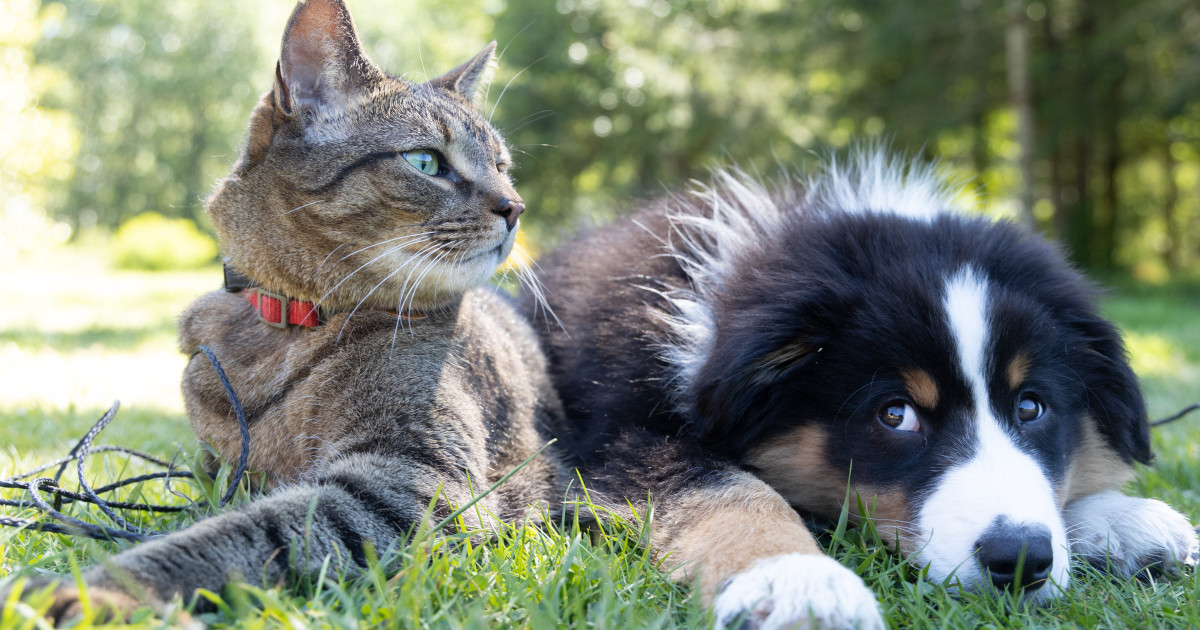
If you have both a dog and a cat or you’re thinking about adding one to your home, you probably want to make sure they get along well. Not all dog breeds are naturally friendly with cats, and choosing the right one can save you a lot of stress.
Imagine a peaceful home where your furry friends play together without any tension. Sounds great, right? Keep reading to discover which dog breeds are most likely to become your cat’s best buddy—and how you can create a happy, harmonious household for both.
Traits That Help Dogs Bond With Cats
Dogs and cats can form strong bonds when certain traits are present. These traits make their interactions calm and friendly. Understanding these traits helps in choosing a dog that fits well with cats.
Some traits make dogs more likely to get along with cats. These include how calm or social the dog is, its size and energy level, and how early it was socialized with other animals.
Temperament And Social Behavior
A gentle and patient temperament helps dogs live peacefully with cats.
Dogs that are friendly and not aggressive tend to accept cats easily.
Social dogs enjoy the company of other animals, including cats.
Dogs that are calm and not easily excited reduce stress for cats.
Size And Energy Levels
Medium to small-sized dogs usually match well with cats.
High-energy dogs may scare or overwhelm cats with their activity.
Dogs with moderate energy levels can play without stressing cats.
Size matters because large dogs can unintentionally hurt smaller cats.
Early Socialization Importance
Dogs exposed to cats early learn to behave properly around them.
Socializing dogs with cats from a young age builds trust.
Early positive experiences reduce fear and aggression in dogs.
Socialized dogs understand cat body language better, avoiding conflicts.

Credit: worldanimalfoundation.org
Small Dog Breeds Friendly With Cats
Small dog breeds often make excellent companions for cats. Their size and temperament can create a harmonious home where both pets feel safe and loved. Choosing the right small dog breed can make a big difference in how well your dog and cat get along.
Cavalier King Charles Spaniel
The Cavalier King Charles Spaniel is known for its gentle and affectionate nature. These dogs usually have a calm demeanor that helps them get along well with cats. If you want a dog that enjoys quiet cuddles and peaceful coexistence, this breed might be a perfect fit.
Have you noticed how some dogs seem to instinctively respect a cat’s space? Cavaliers often do, making introductions smoother and less stressful for both animals.
Bichon Frise
The Bichon Frise is playful and friendly, with a cheerful attitude that cats often respond to positively. Their small size means they’re less likely to intimidate your feline friend. This breed’s social nature helps build a bond through shared playtime and curiosity.
Think about how a playful pup can bring energy without overwhelming a cat’s need for calm. Bichons strike that balance well, offering both companionship and respect.
Pug
Pugs are known for their sociable and easy-going personalities. They tend to be less aggressive and more tolerant, which suits households with cats. Their affectionate nature encourages gentle interactions that help build trust between pets.
Would your cat appreciate a dog that’s always up for a relaxed hangout? Pugs often enjoy lounging alongside cats, creating a peaceful and friendly environment.
Medium Dog Breeds That Get Along
Medium dog breeds like Beagles and Cocker Spaniels often get along well with cats. These dogs tend to be friendly and gentle, making them great companions for feline friends. Choosing the right breed helps create a peaceful home for both pets.
In the quest to create a harmonious household where dogs and cats coexist peacefully, choosing the right dog breed is essential. Medium dog breeds offer a balanced size that often suits multi-pet homes. These breeds tend to possess temperaments that are more likely to blend well with feline companions. Whether you are a dog lover who recently adopted a cat or vice versa, understanding which medium breeds have a higher success rate with cats can make all the difference.Golden Retriever
Golden Retrievers are known for their friendly and tolerant nature. Their easy-going personality makes them one of the best choices for families with cats. Golden Retrievers have an innate patience and a gentle demeanor, which means they are less likely to chase or intimidate a cat. A friend of mine had a Golden Retriever named Max who would often share his bed with the family cat. This breed’s love for companionship means they are usually more accepting of other animals in the home. Have you considered how a dog’s temperament could affect your pet dynamics?Beagle
Beagles are another medium-sized breed that often gets along well with cats. Their playful nature and social disposition enable them to enjoy the company of other animals. Beagles are pack animals and usually feel comfortable sharing their space with a feline friend. However, Beagles are also curious explorers with a strong scent drive. This means they might need a bit of training to ensure they don’t become too pesky for your cat. It’s always a good idea to supervise initial interactions to ensure harmony. Have you ever introduced a Beagle to a cat?Collie
Collies are intelligent and highly trainable, making them a great choice for cat owners. Known for their protective nature, Collies often display a nurturing attitude towards other animals, including cats. They are not only smart but also sensitive, which helps them read situations and act accordingly. One Collie owner I know mentioned how their Collie, Lassie, would gently nudge their cat away from potential dangers, almost like a furry guardian. This breed’s ability to bond and empathize with other pets can lead to a peaceful coexistence. Could a Collie’s protective instincts be the key to a happy pet household?
Credit: www.rd.com
Large Dog Breeds Known For Cat Compatibility
Large dog breeds can live peacefully with cats. Many big dogs have gentle and calm temperaments. This makes them good companions for feline friends. They often show patience and kindness toward smaller animals. These breeds can form strong bonds with cats, creating a happy home for all.
Labrador Retriever
Labrador Retrievers are friendly and easygoing dogs. They rarely show aggression to cats or other pets. Labs enjoy socializing and adapting to new family members. Their playful nature matches well with curious cats. Training helps Labs understand boundaries around cats.
Newfoundland
Newfoundlands are known as gentle giants. They have a calm and patient personality. These dogs are protective but never harsh with cats. Newfoundlands often accept cats as part of their family. Their quiet nature helps keep the household peaceful.
Bernese Mountain Dog
Bernese Mountain Dogs are calm and affectionate. They show great tolerance toward smaller animals like cats. These dogs enjoy company and rarely act aggressively. Berners often become close friends with cats in the home. Their easygoing attitude makes them good pets for families with cats.
Tips For Introducing Dogs To Cats
Introducing a dog to a cat can be a delicate process that needs patience and careful planning. Your goal is to help both pets feel safe and comfortable around each other. Here are some practical tips to make that introduction smooth and less stressful for everyone involved.
Controlled First Meetings
Start with short, controlled meetings where the dog is on a leash. This helps you manage their behavior and keeps the cat from feeling threatened. Choose a quiet room with no distractions to keep both animals focused.
Keep the interactions brief and positive. If either pet shows signs of stress, separate them calmly and try again later. Gradually increase the time they spend together as they get used to each other.
Observing Body Language
Watch both your dog and cat closely for signs of discomfort or aggression. A wagging tail doesn’t always mean a dog is happy; it can also show excitement or nervousness. Similarly, a cat’s flicking tail or flattened ears indicate stress.
Learning to read these signals helps you intervene before things escalate. Ask yourself: Is your dog too focused or overly excited? Is your cat hiding or hissing? These clues will guide you on when to pause or proceed with the introduction.
Creating Safe Spaces
Make sure your cat has places to retreat to where the dog cannot reach. High shelves, cat trees, or gated rooms offer a refuge that lets the cat feel in control. This reduces anxiety and encourages positive interactions over time.
Also, provide your dog with a comfortable spot away from the cat’s safe zones. Balancing their territories helps avoid unnecessary confrontations. Have you thought about how your home layout can support peaceful coexistence?

Credit: paradepets.com
Training Techniques To Encourage Harmony
Getting dogs and cats to live together peacefully takes more than just hope—it requires clear, thoughtful training. The right techniques can help your dog understand boundaries and build positive feelings toward your cat. You can create a calm, safe space where both pets feel comfortable and respected.
Positive Reinforcement
Reward your dog immediately when it behaves calmly around your cat. Use treats, praise, or playtime to encourage gentle interactions. This helps your dog associate your cat with positive experiences rather than excitement or fear.
Try to catch your dog in moments of quiet curiosity rather than chasing or barking. This subtle shift in attention can change their whole attitude. What rewards does your dog respond to best? Tailor your approach to keep them motivated.
Consistency In Commands
Use the same words and tone every time you give commands near your cat. Commands like “sit,” “stay,” or “leave it” become clear signals your dog understands. Consistency helps your dog know what behavior you expect, reducing confusion and frustration.
Practice these commands regularly during calm times and during interactions with your cat. This steady reinforcement builds trust and control. Are you consistent enough to make your dog feel secure around your feline friend?
Managing Prey Drive
Some dog breeds have a strong prey drive, which can make living with cats challenging. Redirect this energy with toys, exercise, and training to focus their instincts away from chasing. Teaching impulse control is essential for harmony.
Introduce your dog to your cat in controlled settings using leashes or barriers. Gradually increase their time together as your dog learns to stay calm. Have you noticed what triggers your dog’s chase instinct? Understanding this helps you manage it better.
Common Challenges And Solutions
Introducing a dog and cat into the same home can bring unexpected challenges. Understanding common issues and practical solutions can help you create a peaceful environment where both pets thrive. Every pet has its own personality, so patience and consistency are key as you guide them toward harmony.
Dealing With Chase Behavior
Chasing is a natural instinct for many dogs, but it can stress your cat and disrupt peace. To manage this, teach your dog the “leave it” and “stay” commands early on. Use positive reinforcement when your dog ignores the cat instead of chasing.
Provide your cat with safe spaces where the dog cannot reach. High perches or separate rooms give your cat control and a break when needed. Have you noticed how a simple barrier can instantly reduce tension between your pets?
Handling Fear Or Anxiety
Fear or anxiety often shows as hiding, growling, or avoidance from either pet. Gradual introductions help both animals feel more secure. Try short, supervised meetings with treats to build positive associations.
Using calming aids like pheromone diffusers or anxiety wraps can also soothe nervous pets. Watch for signs of stress, such as pacing or excessive grooming, and give your pets space to decompress. How might your patience change if you viewed their fear as a call for help rather than misbehavior?
Adjusting To Different Energy Levels
Dogs and cats often have varying energy levels, which can cause friction. A high-energy dog may overwhelm a more laid-back cat, leading to stress on both sides. Balance playtime by matching activities to each pet’s energy.
Regular exercise for your dog helps reduce hyperactivity around the cat. Meanwhile, quiet time and gentle interaction can calm a shy cat. Have you tried observing your pets’ natural rhythms to plan their interactions?
Frequently Asked Questions
Which Dog Breeds Are Best With Cats?
Breeds like Golden Retrievers, Beagles, and Cavalier King Charles Spaniels often get along well with cats. They have gentle, social temperaments that reduce conflicts. Early socialization with cats also improves their compatibility, making these breeds great companions in multi-pet homes.
How To Introduce A Dog To A Cat Safely?
Introduce them slowly in a controlled environment. Keep the dog on a leash initially. Allow the cat to approach at its own pace. Reward calm behavior from both pets. This method reduces stress and builds a positive relationship between them.
Can Small Dog Breeds Live Peacefully With Cats?
Yes, many small breeds like Pugs and Shih Tzus coexist peacefully with cats. Their calm nature and low prey drive help them avoid chasing cats. Proper training and gradual introductions further ensure a harmonious household.
Do Some Dog Breeds Have A High Prey Drive Against Cats?
Yes, breeds like Greyhounds and Terriers often have a high prey drive. They may see cats as prey and chase them. Careful management and training are essential if these breeds live with cats to prevent conflicts.
Conclusion
Dogs and cats can live happily together. Some dog breeds are friendlier to cats. Gentle and calm dogs often get along best. Training and patience help them become friends. Always watch their first meetings closely. Respect their space and give time to adjust.
A peaceful home is possible with the right pets. Choose breeds known for being kind to cats. Enjoy the joy both pets bring to life. Friendship between dogs and cats is real and rewarding.



Leave a Reply