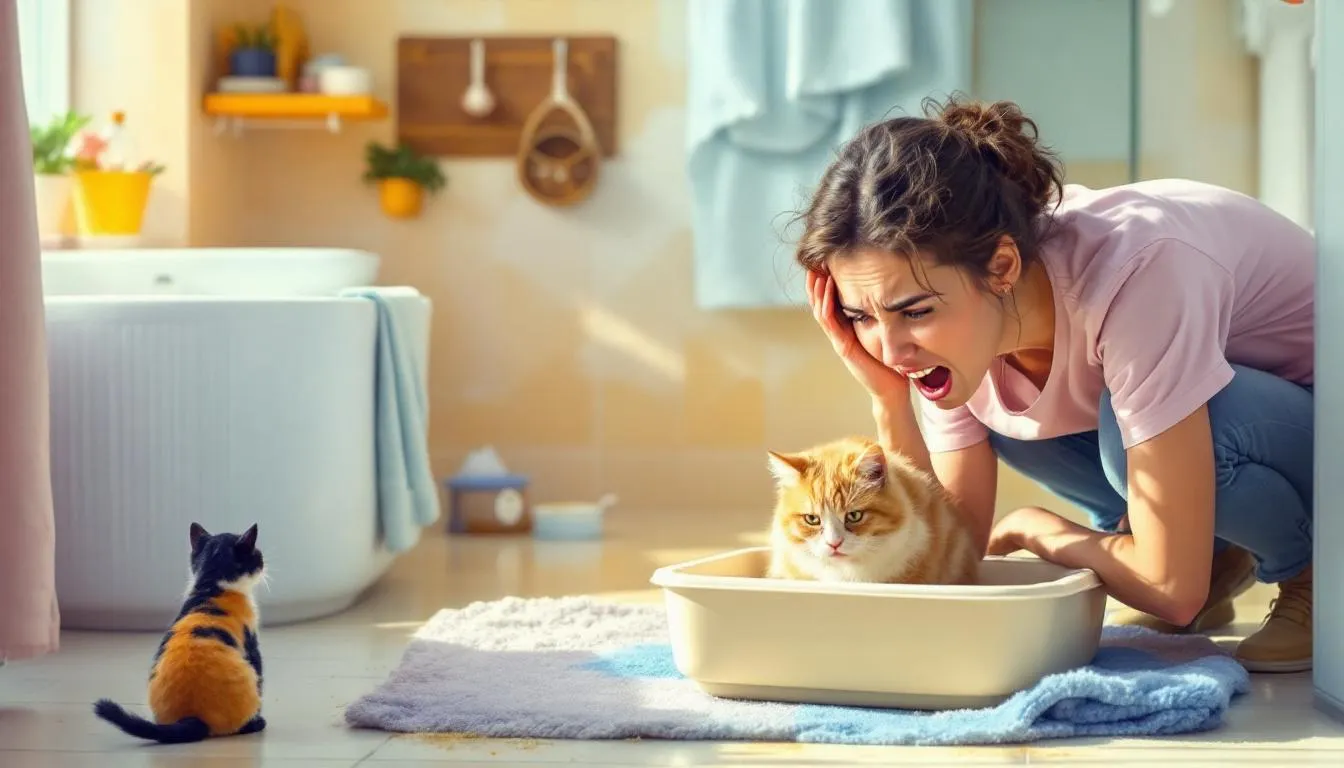
Have you noticed a strong, unpleasant smell coming from your cat’s urine? If so, you might be wondering what this foul odor says about your furry friend’s health.
The smell of cat pee isn’t just annoying—it can be a clear sign that something isn’t right inside your cat’s body. Understanding what causes this bad smell can help you spot health problems early and keep your cat happy and comfortable.
Keep reading to discover what your cat’s smelly pee really means and what steps you should take next.
Causes Of Strong Cat Urine Odor
Strong cat urine odor can be more than just a nuisance; it often signals underlying issues with your cat’s health or habits. Understanding what causes this intense smell helps you address the root problem effectively. Let’s look at some common reasons why your cat’s urine might have that strong, unpleasant odor.
Diet And Hydration Effects
Your cat’s diet plays a big role in how their urine smells. Foods high in protein or certain minerals can make urine more pungent. If your cat isn’t drinking enough water, their urine becomes concentrated, which intensifies the odor.
Have you noticed a change in your cat’s food or water intake? Sometimes switching to a wet food diet or encouraging more water drinking can reduce that strong smell quickly.
Infections And Medical Conditions
Strong-smelling urine might be a sign of infections like urinary tract infections (UTIs) or kidney problems. These conditions can cause changes in the urine’s composition, making the smell sharper or even unpleasantly foul.
If your cat’s urine smell suddenly worsens or is accompanied by other symptoms like frequent urination or blood, it’s time to visit the vet. Ignoring these signs can lead to serious health issues.
Behavioral Factors
Stress and anxiety can affect your cat’s urination habits and the smell of their urine. Cats under stress might urinate outside the litter box or produce stronger-smelling urine due to hormonal changes.
Think about any recent changes in your cat’s environment—new pets, moving houses, or loud noises can trigger stress. Helping your cat feel secure can reduce these behavioral causes of strong urine odor.

Credit: www.youtube.com
Health Issues Linked To Smelly Cat Pee
Smelly cat pee often signals health problems in cats. Strong, foul odors can mean your cat is unwell. These odors come from changes in urine caused by illness.
Early detection of these issues can improve your cat’s health. Watch for changes in pee smell as a warning sign. Understanding common health problems linked to smelly urine helps you act fast.
Urinary Tract Infections
Urinary tract infections (UTIs) cause a strong, unpleasant smell in cat urine. Bacteria grow in the urinary tract, leading to infection. Cats with UTIs may urinate more often or strain while peeing.
UTIs can cause pain and discomfort. Treatment usually involves antibiotics prescribed by a vet. Ignoring UTIs can lead to more serious kidney problems.
Kidney Problems
Kidney issues change the smell and color of cat urine. Damaged kidneys cannot filter waste properly. This causes a stronger, ammonia-like odor in urine.
Other signs include increased thirst and frequent urination. Kidney disease can be serious if not treated early. Regular vet check-ups help catch kidney problems sooner.
Diabetes Indicators
Diabetes in cats can make urine smell sweet or fruity. High sugar levels in the blood spill into the urine. This change causes a distinct odor in cat pee.
Other symptoms include weight loss and increased thirst. Diabetes requires veterinary care and proper management. Detecting diabetes early helps prevent complications.
When To Seek Immediate Vet Care
Cat urine odor can tell a lot about their health. Sometimes, it signals a serious issue. Knowing when to seek immediate vet care is crucial. Cats are masters at hiding discomfort. But certain signs can’t be ignored. Here’s when to act fast.
Signs Of Pain Or Discomfort
Cats may pace or seem restless. They might also avoid certain activities. Watch for unusual hiding or aggression. These can be subtle signs of pain. If they vocalize more or less, take note. Any sudden behavior change is a red flag.
Changes In Urination Habits
Frequent trips to the litter box? That’s not normal. Straining or crying during urination is concerning. If your cat starts urinating outside the box, that signals distress. A decrease or increase in urine volume also matters. These changes warrant a vet visit.
Presence Of Blood Or Cloudiness
Blood in urine is never normal. It’s a sign of infection or stones. Cloudy urine can mean infection too. Both need immediate attention. Check the litter box for any discoloration. Early detection can prevent complications.
Preventing Strong Urine Odor
Strong urine odor in cats can signal health issues or diet problems. Controlling this smell improves your cat’s comfort and your home’s freshness. Preventing strong cat urine odor requires simple daily habits and attention to your cat’s needs.
Proper Diet Choices
Feeding your cat a balanced diet reduces urine odor. Avoid foods with high protein or artificial additives. Choose wet food or mix wet and dry food to support digestion. A good diet helps the kidneys work well and prevents strong-smelling urine.
Maintaining Hydration
Water intake is key to dilute cat urine and lower odor. Provide fresh water daily in clean bowls. Some cats prefer running water, so consider a pet fountain. Proper hydration supports kidney health and reduces urine concentration.
Regular Vet Check-ups
Regular vet visits catch health problems early. Conditions like urinary tract infections cause strong urine smells. Your vet can test urine and suggest treatments if needed. Early care keeps your cat healthy and urine odor under control.
Home Remedies And Care Tips
Dealing with the unpleasant smell of cat pee can be frustrating, but it often signals that your feline friend needs some extra care. Addressing this issue at home can improve your cat’s comfort and health. Simple changes in your daily routine and environment may reduce odors and help prevent health problems.
Litter Box Maintenance
Your cat’s litter box plays a huge role in controlling odors. Clean the box at least once a day to keep it fresh and inviting. Use unscented, clumping litter to absorb moisture and reduce smell effectively.
Consider having one more litter box than the number of cats in your home. This prevents overcrowding and encourages proper use. Also, wash the litter box with mild soap and warm water weekly to remove lingering bacteria.
Stress Reduction Techniques
Stress can cause your cat to urinate outside the litter box or produce stronger-smelling urine. Pay attention to changes in your cat’s environment that might cause anxiety, such as new pets or loud noises.
Provide cozy hiding spots and interactive toys to keep your cat relaxed and engaged. Have you noticed how your cat behaves when you’re away? Sometimes, just spending a few extra minutes playing can make a big difference in their stress levels.
Natural Supplements
Some natural supplements can support your cat’s urinary tract health and reduce unpleasant odors. Cranberry extract is known to promote a healthy urinary system and may decrease infections.
Omega-3 fatty acids, found in fish oil, help reduce inflammation and support overall health. Always consult your veterinarian before adding supplements to your cat’s diet to ensure safety and proper dosage.

Credit: www.outdoorbengal.com

Credit: smart.dhgate.com
Frequently Asked Questions
Why Does Cat Pee Smell So Bad Sometimes?
Cat pee smells bad due to high ammonia levels. It can indicate dehydration, urinary tract infections, or kidney problems. Strong odor often means health issues or diet changes. Regular vet checks help identify causes and prevent serious health risks in cats.
Can Smelly Cat Urine Signal A Health Problem?
Yes, smelly cat urine can signal health problems. It often points to infections, kidney disease, or bladder issues. Early detection helps treat conditions quickly. Always consult a vet if your cat’s urine smell changes suddenly or worsens.
How Can Diet Affect Cat Urine Smell?
Diet affects urine odor by altering urine composition. High-protein diets can increase ammonia smell. Poor-quality food or dehydration also worsens odor. Balanced nutrition and fresh water reduce strong smells and support urinary health in cats.
When Should I Worry About Cat Urine Smell?
Worry if the smell is strong, persistent, or changes suddenly. It might indicate infections, kidney issues, or dehydration. Consult a vet promptly to diagnose and treat any underlying health problems. Early action ensures better health outcomes for your cat.
Conclusion
Cat pee that smells bad can signal health issues. It might mean your cat has an infection or kidney problems. Pay attention to changes in smell or behavior. Clean the litter box regularly to avoid strong odors. Visit a vet if the smell worsens or lasts long.
Early care helps keep your cat healthy and happy. Don’t ignore unusual smells—they often tell an important story. Taking action quickly can prevent serious health problems. Keep your cat safe with simple, timely steps.



Leave a Reply