Is your once perfectly potty-trained cat suddenly pooping everywhere? You’re not alone, and it’s more common than you might think.
This frustrating problem can feel like a mystery—especially when you’ve done everything right. But don’t worry. Understanding why your cat is acting this way is the first step to fixing it. Keep reading, because inside this article, you’ll discover the surprising reasons behind this behavior and simple solutions you can try today to bring peace back to your home.
Credit: www.petmd.com
Common Reasons For Litter Box Issues
Having a potty trained cat suddenly pooping everywhere can be frustrating and confusing. Understanding the common reasons behind litter box issues can help you tackle the problem effectively. Let’s look at some key factors that might be causing your feline friend to avoid their litter box.
Health Problems
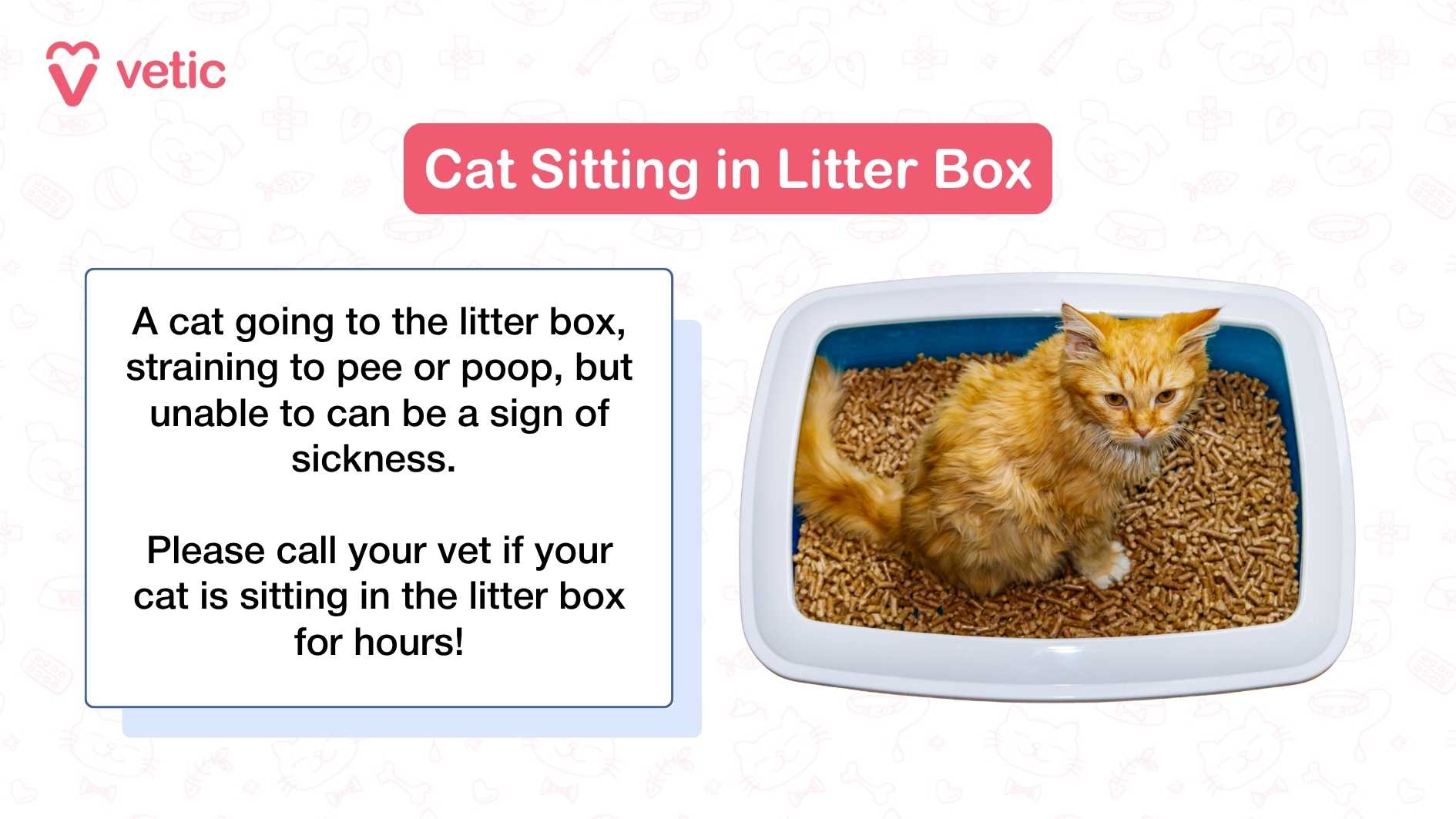
Sometimes, your cat’s behavior signals an underlying health issue. Urinary tract infections, digestive problems, or arthritis can make using the litter box painful or difficult.
If your cat is straining or seems uncomfortable, a vet visit is crucial. Ignoring health problems can worsen the behavior and cause more stress for your pet.
Stress And Anxiety
Cats are sensitive creatures that react strongly to stress. Changes in your home, like new pets, loud noises, or even rearranged furniture, can upset their routine.
Have you noticed your cat hiding or acting withdrawn? These signs often accompany litter box avoidance caused by anxiety. Providing a calm, secure space can help ease their worries.
Litter Box Cleanliness
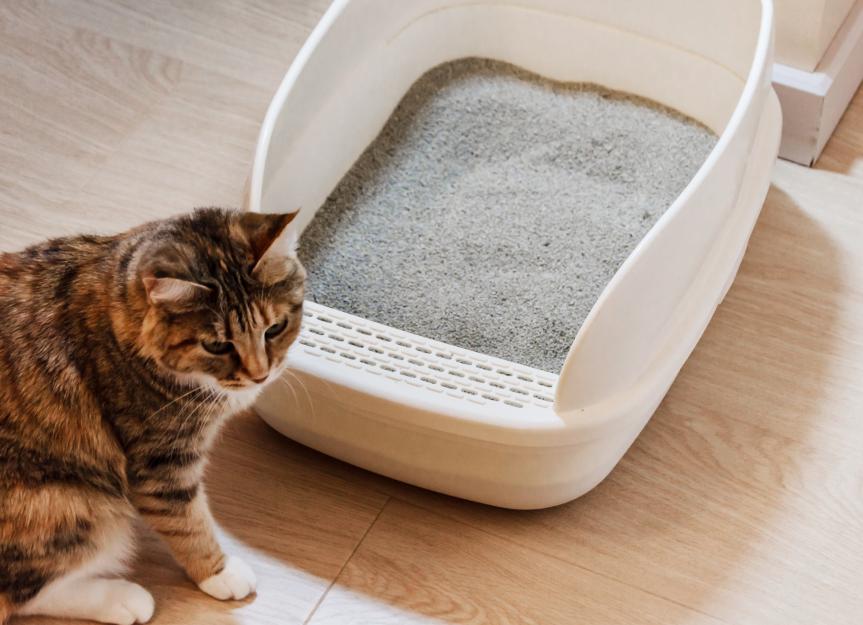
A dirty litter box is a common reason cats refuse to use it. Cats prefer a clean environment for their bathroom needs, and neglecting this can lead to accidents around the house.
How often do you clean your cat’s litter box? Daily scooping and regular full changes can make a big difference in encouraging proper use.
Changes In Environment
Moving to a new home or changing the litter box type can confuse your cat. Even small adjustments like switching litter brands or the box’s location can cause them to stop using it.
Have you recently made any changes around your cat’s bathroom setup? Gradual transitions and familiar scents can help your cat adjust without stress.
Credit: vetic.in
Behavioral Causes
Behavioral reasons often cause a potty trained cat to poop outside the litter box. These actions are ways cats communicate or react to their environment. Understanding these behaviors helps address the issue effectively.
Marking Territory
Cats use poop or urine to mark their territory. This behavior signals ownership to other cats. Even a trained cat may feel the need to mark if it senses a threat. New pets, visitors, or changes in the home can trigger this. The cat feels safer when its scent is present.
Boredom And Attention Seeking
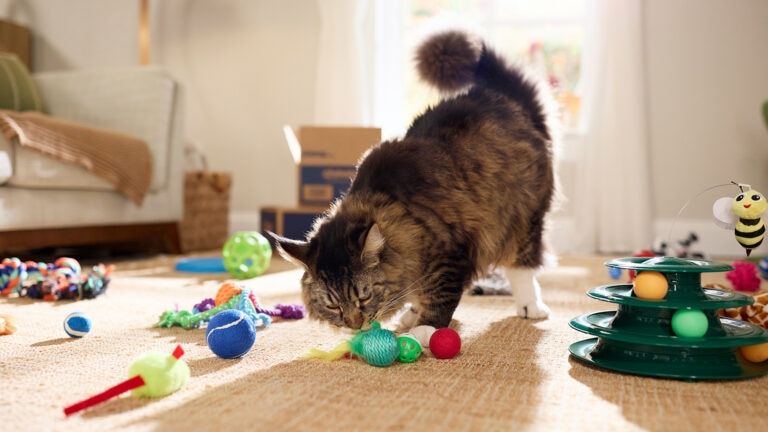
Bored cats may act out by pooping in unusual places. Lack of play or interaction causes frustration. Pooping outside the box can grab your attention quickly. The cat learns this behavior gets a reaction. Providing toys and regular playtime can help reduce this behavior.
Negative Associations With Litter Box
A cat may avoid the litter box due to bad experiences. Loud noises or sudden disturbances near the box can cause fear. Dirty litter or uncomfortable substrate can also deter use. The cat links the litter box with negative feelings. Finding and removing these triggers encourages proper use again.
Environmental Factors
Changes in your cat’s environment can confuse them and cause accidents outside the litter box. Loud noises, new pets, or moving furniture might stress your cat, leading to pooping everywhere. Cats need a calm and consistent space to feel safe and use their litter box properly.
Environmental factors can significantly affect a cat’s bathroom habits. When a previously potty-trained cat starts pooping outside the litter box, examining the environment is crucial. Changes in the environment might lead to stress or discomfort for your cat. Understanding these factors can help address and resolve the issue.Location Of Litter Box
Cats value privacy when doing their business. A litter box placed in a noisy or busy area might discourage use. Ideally, place the box in a quiet, accessible spot. Avoid locations near loud appliances or high-traffic areas. A peaceful setting encourages consistent litter box use.Type Of Litter Used
Cats can be picky about their litter. Switching brands or types might upset them. Some cats prefer unscented, clumping litter, while others might like different textures. Experiment with various litters to find the one your cat prefers. Their comfort can lead to better bathroom habits.Number Of Litter Boxes
The rule of thumb is one box per cat, plus one extra. If you have multiple cats, ensure enough boxes to prevent territorial issues. Cats don’t like sharing their bathroom space. More boxes reduce competition and stress. This encourages proper use and keeps your home clean. Addressing these environmental factors can improve your cat’s litter habits. A comfortable environment leads to a happier, well-behaved cat.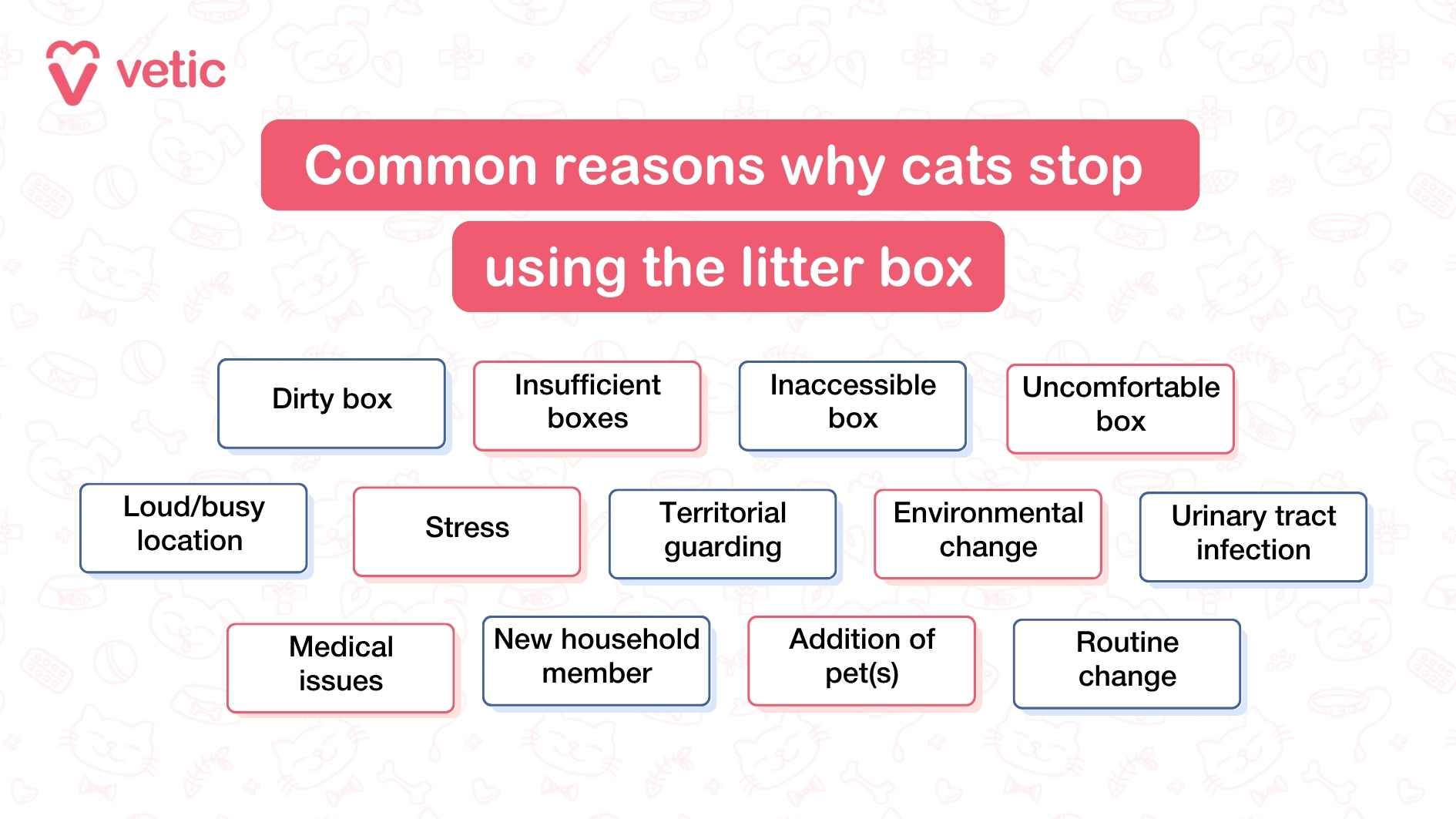
Credit: vetic.in
How To Address The Problem
Dealing with a potty trained cat that suddenly starts pooping everywhere can be frustrating. You want to fix the problem quickly and gently, without causing more stress to your furry friend. Addressing this issue requires a mix of understanding your cat’s health, environment, and behavior.
Veterinary Checkup
Before making any changes at home, it’s crucial to rule out medical issues. Cats often avoid the litter box due to pain or discomfort from urinary tract infections, constipation, or other health problems.
Visiting the vet helps identify if your cat is in pain or has a condition that needs treatment. Have your vet check for infections, digestive problems, or arthritis that might make using the litter box difficult.
Improving Litter Box Setup
Sometimes, small changes in the litter box can make a huge difference. Is your box clean and in a quiet, accessible spot? Cats hate dirty boxes and may refuse to use them.
Try these adjustments:
- Clean the box daily and change the litter regularly.
- Provide multiple boxes if you have more than one cat or a large home.
- Use unscented, clumping litter to keep things fresh and soft on paws.
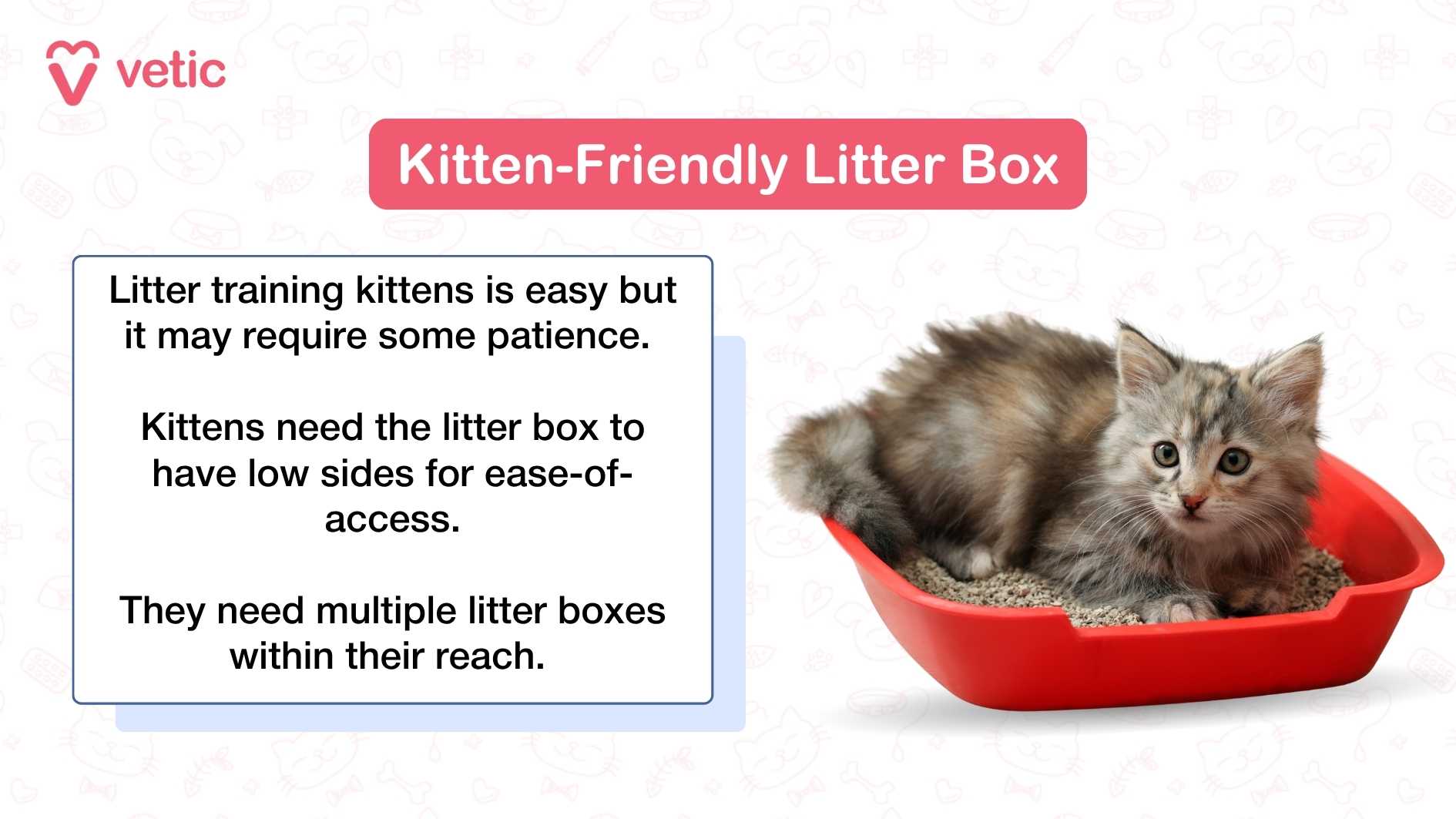
- Consider a larger or uncovered box if your cat prefers more space.
Reducing Stress For Your Cat
Stress can cause sudden litter box avoidance. Changes in your household, such as new pets, visitors, or loud noises, might upset your cat.
Ask yourself what’s changed recently. Has your cat lost a companion or been moved to a different room? Small adjustments like a quiet retreat or pheromone diffusers can help calm your cat.
Behavioral Training Tips
Sometimes your cat needs a little guidance to get back on track. Reward your cat with treats and praise when it uses the litter box correctly.
If your cat poops outside the box, clean the area thoroughly with an enzyme cleaner to remove smells that encourage repeat offenses.
Try confining your cat to a smaller space with a litter box for a few days to rebuild the habit. Patience and consistency are key here—your cat will respond to gentle encouragement over time.
When To Seek Professional Help
Sometimes, your cat’s sudden habit of pooping outside the litter box signals more than just a behavioral hiccup. Knowing when to seek professional help can save you stress and your cat discomfort. Ignoring the problem might let it worsen or hide underlying health or emotional issues.
Signs A Veterinarian Is Needed
If your cat suddenly stops using the litter box, look for other symptoms like changes in appetite, vomiting, or lethargy. These signs could mean your cat is in pain or dealing with a medical condition like a urinary tract infection or digestive problem.
Also, if you notice blood in the stool or unusual weight loss, don’t wait to get a vet check. These symptoms need immediate medical attention to prevent serious health risks. Your vet can run tests to rule out illnesses and offer treatment that could stop the inappropriate pooping.
Consulting A Cat Behaviorist
When medical issues are ruled out, and your cat still avoids the litter box, it might be a behavioral problem. A cat behaviorist can help identify stress triggers, anxiety, or environmental changes causing this behavior.
Behaviorists can also teach you practical ways to change your cat’s environment or routine. This support can make a big difference if your cat is reacting to a new pet, moving house, or changes in your schedule.
Have you noticed specific times or places where your cat prefers to poop outside the box? Sharing these details with a professional can lead to quicker solutions tailored to your cat’s unique situation.
Frequently Asked Questions
Why Is My Potty Trained Cat Pooping Outside Litter Box?
Cats may poop outside due to stress, medical issues, or litter box problems. Check health first, then clean and reposition the litter box.
Can Stress Cause A Cat To Poop Everywhere Suddenly?
Yes, stress like new pets, changes, or loud noises can trigger this behavior. Provide a calm, safe space for your cat.
How Do I Stop My Cat From Pooping Outside The Box?
Ensure the litter box is clean, accessible, and in a quiet area. Address medical issues and reduce stress for your cat.
Could Health Problems Make My Cat Poop Everywhere?
Yes, infections, digestive issues, or arthritis can cause accidents. Visit a vet to rule out or treat health concerns promptly.
Conclusion
A potty trained cat pooping everywhere can feel frustrating. Stress, health, or litter box issues often cause this behavior. Watch your cat closely to spot any changes. Clean the area well to remove smells. Give your cat a quiet, clean place to use the litter box.
Sometimes, a quick vet visit helps find hidden problems. Patience and care go a long way in fixing this. Your cat can return to good habits with time and love. Keep trying—you both deserve a happy home.

Leave a Reply