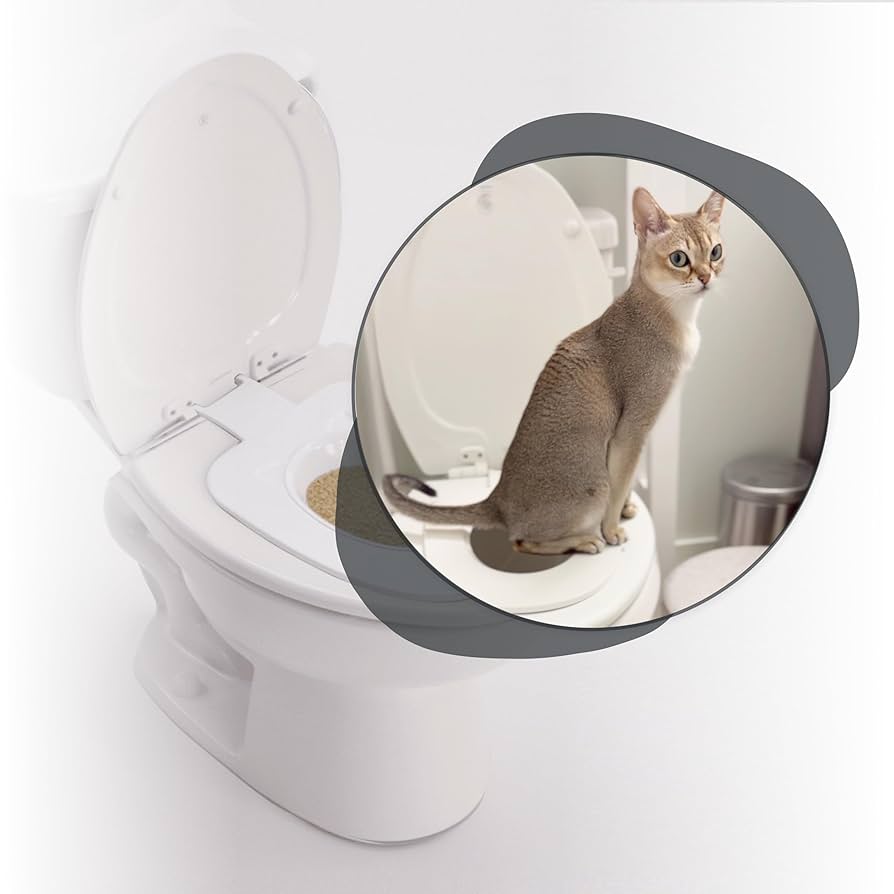
Imagine never having to scoop your cat’s litter box again. Sounds like a dream, right?
What if you could teach your cat to use the potty just like you do? It’s easier than you think, and it can save you time, money, and keep your home fresher. In this guide, you’ll discover simple, step-by-step tips to train your cat to use the potty.
Whether you have a curious kitten or an older cat, you’ll learn how to make this change smooth and stress-free for both of you. Ready to transform your cat’s habits and your daily routine? Keep reading to find out how!

Credit: www.walmart.com
Benefits Of Potty Training Cats
Training your cat to use the potty might seem like a challenge, but the benefits can make the effort worthwhile. Not only can it save you time and money, but it can also improve your cat’s health and your home’s cleanliness. Understanding these benefits can motivate you to start the training process with confidence.
Save Money On Litter And Cleaning Supplies
Potty training your cat means you’ll buy less cat litter. Over time, this can add up to significant savings. You also spend less on cleaning products since there’s less mess to deal with around the house.
Reduce Odors And Keep Your Home Cleaner
Cat litter boxes can sometimes produce unpleasant smells, even with regular cleaning. Teaching your cat to use the toilet eliminates the litter box and reduces odors dramatically. Your home will feel fresher, and you won’t have to worry about stray litter scattered on the floor.
Encourage Better Hygiene For Your Cat
Using the toilet can be healthier for your cat’s paws, as they avoid sitting in damp or dirty litter. It also minimizes the risk of parasites or bacteria that can sometimes come from litter boxes. Your cat’s grooming routine becomes easier when they stay cleaner.
Save Time On Daily Maintenance
Cleaning a litter box takes time every day, which can add up to hours each week. With potty training, you eliminate this chore, giving you more free time. How much could you do with extra time in your day?
Strengthen Your Bond Through Training
Potty training requires patience and consistency, which helps build trust between you and your cat. The process can deepen your connection as you work together toward a shared goal. Have you noticed how your cat reacts when you spend quality time teaching them something new?
Choosing The Right Potty Setup
Choosing the right potty setup is key to training your cat successfully. The right setup makes the transition easier for your cat. It also keeps your home clean and odor-free. Focus on comfort and convenience for your cat. This helps them accept the new potty quickly.
Selecting A Suitable Potty
Choose a potty that fits your cat’s size and habits. It should be large enough for your cat to turn around. Smooth edges help avoid scratches or injuries. Some potties come with lids or covers to reduce odor. Pick one made from durable, easy-to-clean materials. A shallow design helps your cat step in easily. Avoid deep or complicated potties that confuse your cat.
Location Matters
Place the potty in a quiet, low-traffic area. Cats prefer privacy when using the bathroom. Avoid noisy or busy spots like near the washing machine. Keep it away from their food and water bowls. The potty should be easy to reach but not in the way. A consistent location helps your cat remember where to go. Make sure the spot is well-ventilated to reduce smells.
Preparing Your Cat For Training
Preparing your cat for potty training is essential for success. It sets the foundation for your cat to feel comfortable and confident with the new routine. Before expecting your cat to use the potty, spend time getting them familiar with the idea and making sure their current habits support the change.
Familiarizing With The Potty
Start by placing the potty near your cat’s usual litter box. Let your cat explore it without pressure to use it immediately. You might notice your cat sniffing or even sitting on the edge, which is a good sign they are curious and comfortable.
Try spending a few minutes each day guiding your cat gently to the potty after they eat or wake up. This creates a natural link between their bathroom needs and the new spot. Have you noticed how cats respond to new objects in their space? Patience is key here.
Adjusting Litter Preferences
Your cat’s litter preferences can either help or hinder potty training. If your cat is picky, experiment with different types of litter in the potty. Some cats prefer fine, sandy textures, while others like clumping or natural litter.
Observe which litter your cat uses most willingly and stick with it during the transition phase. Small changes in litter texture can make a big difference in acceptance. Are you ready to switch litters gradually to avoid overwhelming your cat?

Credit: www.youtube.com
Step-by-step Training Process
Training your cat to use the potty can be a rewarding experience. It requires patience and consistency. This step-by-step process will guide you on this journey. Your cat will transition from a litter box to using the potty. Let’s explore the steps involved.
Transitioning From Litter Box To Potty
Start by gradually moving the litter box closer to the bathroom. Every day, shift it a few inches closer. This helps your cat get used to the new location. Once the litter box is near the toilet, begin to raise it slowly. Use sturdy boxes or stacks of newspapers. Increase the height a little each day.
Eventually, the litter box should be at toilet seat level. Ensure it’s stable to avoid accidents. Once your cat is comfortable, place the litter box on top of the toilet. Allow your cat to use it there for a few days. Then, replace the litter box with a training seat designed for cats. These seats fit securely on the toilet.
Encouraging Consistent Use
Encourage your cat to use the potty by rewarding them. Use treats or their favorite toy. Praise them each time they use the toilet. This positive reinforcement is key. If accidents happen, stay calm and patient. Clean any messes promptly. Avoid scolding your cat. This can deter them from using the potty.
Gradually reduce the litter in the training seat. This helps your cat adjust to using the toilet without litter. Eventually, remove the training seat altogether. Your cat should now be using the toilet consistently. Remember, patience and encouragement are vital throughout this process.
Dealing With Common Challenges
Training your cat to use the potty is a rewarding journey, but it comes with its share of hurdles. Understanding and addressing common challenges head-on can keep you and your feline friend motivated. Let’s look at how you can tackle these issues effectively.
Handling Accidents
Accidents are part of the learning process for both you and your cat. Instead of getting frustrated, treat them as signals. They often indicate confusion, stress, or the need for more gradual steps.
Keep cleaning supplies handy and use an enzymatic cleaner to remove odors. This prevents your cat from returning to the same spot. If accidents happen frequently, consider stepping back to an earlier training phase to build confidence.
Have you noticed certain times or places where accidents occur more? Pinpointing these can help you adjust your approach and create a more comfortable environment for your cat.
Managing Resistance
Resistance is common, especially if your cat is used to a traditional litter box. Patience is key here. Some cats take longer to accept the potty, and pushing them too hard can cause anxiety.
Try using positive reinforcement like treats and praise when your cat approaches or uses the potty correctly. You might also experiment with different potty seats or placements to find what your cat prefers.
Consider your cat’s personality—are they more independent or cautious? Tailoring your training style to their temperament can reduce resistance and make the process smoother.

Credit: www.amazon.com.au
Maintaining Success Long-term
Keeping your cat using the potty consistently takes more than just initial training. It’s about creating habits that last and environments that encourage your cat to stick with the routine. Small actions you take daily can make a big difference in maintaining your cat’s potty success.
Cleaning And Hygiene Tips
Cleanliness around the potty area is key to keeping your cat comfortable and willing to use it. Scoop any waste promptly to avoid odors that might drive your cat away.
Use mild, pet-safe cleaning products to wipe down the area regularly. Harsh chemicals can deter your cat or even harm them.
Consider placing a washable mat under the potty to catch any spills or litter scatter. It helps keep the space tidy and reduces the chance of your cat slipping or feeling uneasy.
Rewarding Positive Behavior
Positive reinforcement works wonders in encouraging your cat to keep using the potty. Every time your cat uses the potty correctly, offer a small treat or extra petting.
Be consistent with your praise so your cat connects the reward with the behavior. Over time, this builds a strong habit that your cat will be happy to repeat.
Have you noticed your cat responding to certain rewards more than others? Tailor your treats and praise to what truly motivates your feline friend for the best results.
Frequently Asked Questions
How Long Does Potty Training A Cat Usually Take?
Potty training a cat typically takes 4 to 8 weeks. Consistency and patience are key for success. Some cats may learn faster, while others take longer. Regular encouragement and a calm environment speed up the process.
What Tools Do I Need To Train My Cat For Potty?
You need a cat potty training kit, including a training seat and attractant. Some kits have step-by-step guides. Also, use treats to reward your cat. A clean, quiet bathroom space helps the training go smoothly.
Can All Cats Learn To Use The Potty?
Most cats can learn to use the potty with proper training. However, very young or elderly cats might struggle. Cats with health issues should consult a vet before training. Individual personality affects how quickly they adapt.
How Do I Handle Accidents During Potty Training?
Accidents are normal; never punish your cat. Clean accidents promptly with enzyme cleaners to remove odors. Redirect your cat calmly to the potty. Consistent positive reinforcement encourages proper use and reduces accidents over time.
Conclusion
Training your cat to use the potty takes time and patience. Start slow and keep sessions short. Praise your cat for small successes. Watch your cat’s behavior closely to adjust steps. Consistency helps your cat learn faster. Remember, every cat is different.
Stay calm if progress feels slow. Soon, your cat can enjoy this new skill. A clean home and happy pet are worth it. Keep trying—you and your cat can do it together!



Leave a Reply