Are you wondering when your playful kitten is ready to eat the same food as your adult cat? Feeding your kitten the right food at the right time is crucial for their growth and health.
If you switch too early or too late, it can affect their development and energy levels. You’ll discover the best age to transition your kitten to adult cat food, helping you make the smartest choice for your furry friend’s well-being.
Keep reading to learn how to support your kitten’s journey from baby bites to grown-up meals.
Kitten Growth Stages
Understanding your kitten’s growth stages is key to knowing when to switch their diet to adult cat food. Each phase of development demands specific nutrients to support healthy bones, muscles, and brain function. Paying close attention to these stages helps you provide the right food at the right time, ensuring your kitten thrives.
Neonatal To Weaning Phase
The neonatal stage lasts from birth to about 4 weeks old. During this time, kittens rely entirely on their mother’s milk for nutrition. It’s packed with antibodies and essential nutrients that formula or adult food cannot replace.
Around 4 weeks, kittens start the weaning phase. They begin to explore solid food but still nurse frequently. This gradual shift helps their digestive system adjust without causing stress or digestive upset.
Transition To Solid Food
Between 4 and 8 weeks, kittens increase their intake of solid food while decreasing nursing. You can introduce high-quality wet kitten food, which is softer and easier to chew. Mixing wet food with a little water can make this transition smoother.
During this period, your kitten develops teeth and strengthens jaw muscles, making solid food more manageable. You might notice your kitten’s eating habits fluctuate—this is normal as they learn to eat independently.
Juvenile Stage Nutritional Needs
From about 8 weeks to 12 months, kittens enter the juvenile stage. Their energy levels soar, and they need nutrient-dense food to support rapid growth. Kitten-specific formulas contain more protein, fat, and calories than adult cat food.
Switching to adult cat food too early can leave your kitten lacking vital nutrients needed for development. Keep feeding kitten food until they are about one year old, then gradually introduce adult food. Watching your kitten’s activity and weight can help you decide if the timing feels right.
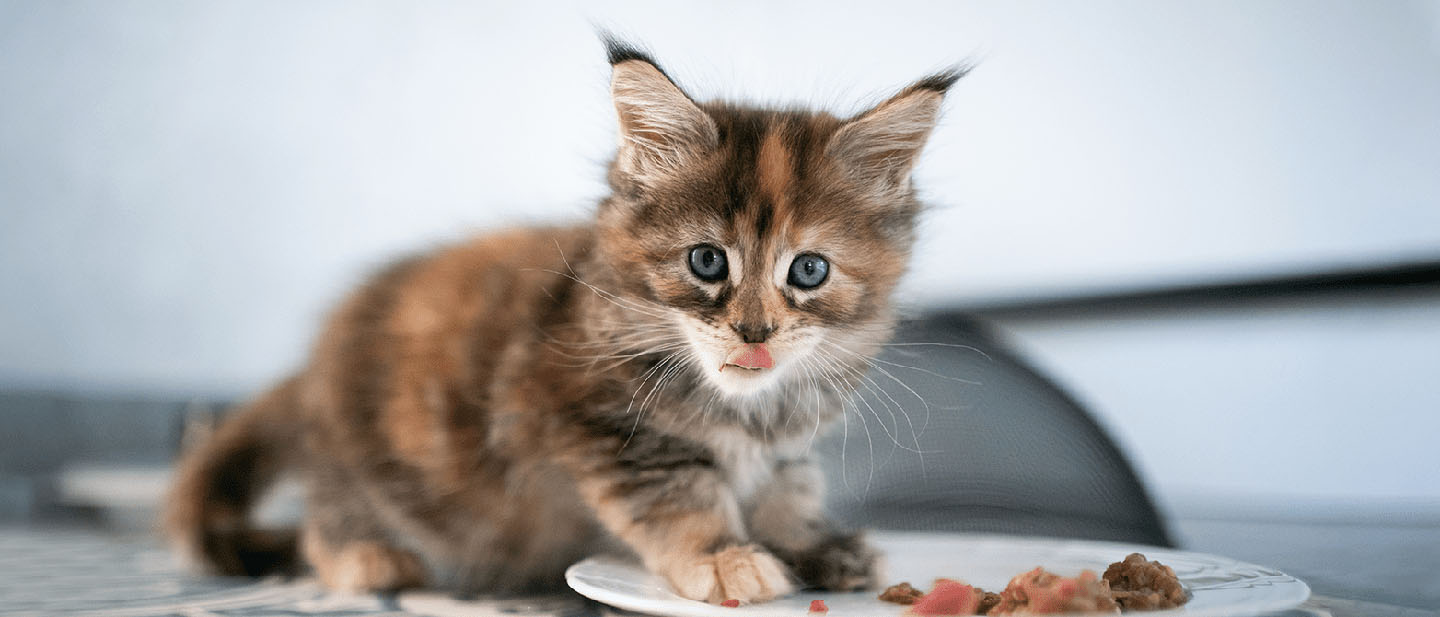
Credit: www.whiskas.com.ph
Differences Between Kitten And Adult Food
Understanding the differences between kitten and adult cat food is key to knowing when to switch your little furball to grown-up meals. These foods are specially designed to meet the unique needs of cats at various life stages. Feeding your kitten adult food too early can affect their growth, while sticking to kitten food too long can lead to unnecessary calorie intake.
Nutritional Content Variations
Kitten food is packed with extra nutrients to support rapid growth and development. It contains higher levels of vitamins and minerals like calcium and phosphorus, essential for building strong bones and teeth. Adult cat food, on the other hand, focuses on maintaining health rather than growth, so its nutrient profile is more balanced for maintenance.
Calorie Requirements
Kittens burn a lot of energy exploring and growing, so their food is calorie-dense to keep up with their active lifestyle. They need roughly twice the calories per pound compared to adult cats. Adult cats require fewer calories to avoid weight gain since their activity levels usually slow down.
Protein And Fat Levels
Your kitten’s food contains more protein and fat to fuel muscle development and provide energy. These higher levels help support their immune system and overall vitality during this critical phase. Adult cat food has lower protein and fat, tailored to prevent obesity and maintain a healthy weight as their metabolism changes.
When To Switch To Adult Cat Food
Kittens usually start eating adult cat food around one year old. Their growth slows, and they need fewer calories than before. Switching too early can cause digestion problems.
When to Switch to Adult Cat Food Transitioning your kitten to adult cat food is a crucial step. It ensures they receive appropriate nutrition for their age. Kittens have unique dietary needs. As they grow, their nutritional requirements change. Switching at the right time is essential for their health.Recommended Age Range
Most kittens are ready for adult food at 12 months. This age marks the end of their rapid growth phase. Some larger breeds, like Maine Coons, may need kitten food longer. They mature more slowly than other breeds. Always consider your kitten’s specific needs and breed.Signs Your Kitten Is Ready
Observe your kitten’s behavior and physical growth. If they seem less interested in kitten food, they might be ready. Weight gain slowing down is another sign. Adult teeth usually indicate readiness for adult food. Monitor their activity levels and overall health.Consulting Your Veterinarian
A vet’s guidance ensures a smooth transition. They can provide tailored advice based on your kitten’s health. Regular check-ups help track your kitten’s growth. Discuss any concerns about diet changes with your vet. Their expertise is invaluable during this transition.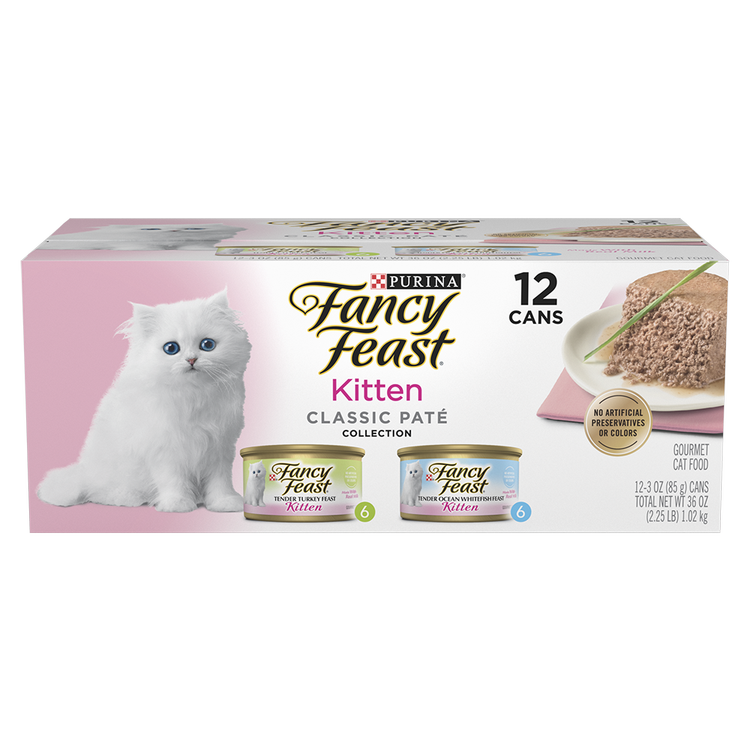
Credit: www.purina.com
Gradual Transition Process
Transitioning a kitten from kitten food to adult cat food requires care and patience. A sudden change can upset your kitten’s stomach and cause feeding problems. A gradual transition helps your kitten adjust to new tastes and textures. It also supports healthy digestion during this important stage.
Introducing Adult Food Slowly
Start by mixing a small amount of adult cat food with kitten food. Increase the adult food portion gradually over 7 to 10 days. This slow change lets your kitten get used to the new food. Keep the kitten food in the mix until your kitten fully accepts the adult food.
Monitoring Digestive Response
Watch your kitten’s stool and energy levels during the transition. Soft stools, diarrhea, or vomiting may mean the change is too fast. If these signs appear, slow down the increase of adult food. Healthy digestion shows your kitten is adjusting well to the new diet.
Avoiding Feeding Issues
Keep feeding times consistent to help your kitten feel secure. Offer fresh water alongside the new food. Avoid sudden diet switches in the future to prevent stomach upset. Patience and observation prevent feeding problems and keep your kitten healthy.
Special Considerations
Choosing the right time to switch a kitten to adult cat food depends on several factors. These special considerations help ensure the kitten’s health and growth stay on track. Each kitten is unique, and their diet needs can vary greatly.
Breed And Size Variations
Different breeds grow at different rates. Small breeds may need adult food earlier than large breeds. Large breeds like Maine Coons take longer to mature. Feeding adult food too soon can cause nutrient imbalance. Adjust feeding time based on your kitten’s breed and size.
Health Conditions Impacting Diet
Some kittens have health issues that affect their diet needs. Conditions like allergies or digestive problems need special food. Always check with a vet before changing food. Ill kittens may need slower transitions or special formulas. Health issues can delay or speed up the switch to adult food.
Indoor Vs. Outdoor Kittens
Indoor kittens usually have lower energy needs than outdoor ones. Outdoor kittens burn more calories and need higher energy food. Adult food may suit outdoor kittens later due to their active lifestyle. Tailor the diet to their living environment for best results.
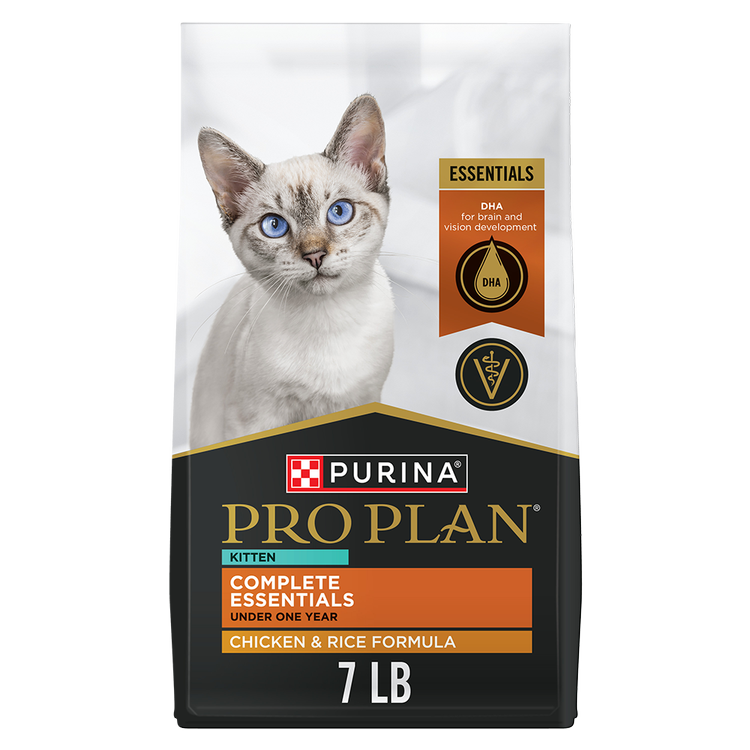
Credit: www.purina.com
Feeding Tips For Growing Kittens
Feeding growing kittens needs careful attention to support their health and development. Proper nutrition boosts energy and strengthens their immune system. Feeding habits during this stage set the foundation for a healthy adult cat. Understanding meal frequency, hydration, and food quality helps ensure kittens thrive.
Meal Frequency And Portions
Kittens have small stomachs and high energy needs. They require multiple small meals throughout the day. Offer food 3 to 4 times daily until they reach six months. After six months, reduce to 2 to 3 meals per day. Watch their weight and adjust portions to avoid overfeeding. Too much food can cause obesity; too little slows growth.
Hydration Importance
Kittens need plenty of water to stay healthy and active. Always provide fresh, clean water near their feeding area. Wet cat food can help increase fluid intake. Avoid giving milk, as many cats are lactose intolerant. Proper hydration supports digestion and kidney function.
Choosing Quality Cat Food Brands
Select cat food made for kittens to meet their nutritional needs. Look for products with real meat as the first ingredient. Avoid foods with fillers like corn or wheat. Check for added vitamins and minerals to support growth. Consult your vet to choose the best brand for your kitten’s health.
Frequently Asked Questions
When Can Kittens Start Eating Adult Cat Food?
Kittens can start eating adult cat food around 12 months old. Before this, they need kitten-specific food for growth. Transition gradually to avoid digestive issues.
Why Switch Kittens To Adult Cat Food?
Adult cat food has balanced nutrients for maintenance, not growth. Switching at the right age supports healthy development and prevents obesity or nutrient deficiency.
Can Kittens Eat Adult Cat Food Earlier?
Feeding adult food before 12 months is not recommended. Kittens require higher protein and calorie levels for growth, which adult food lacks.
How To Transition Kittens To Adult Cat Food?
Mix increasing amounts of adult food with kitten food over 7–10 days. This gradual change helps kittens adjust without stomach upset.
Conclusion
Kittens usually start eating adult cat food around one year old. Their bodies need different nutrients while growing. Switching too early can cause health problems. Watch your kitten’s behavior and weight for signs. Talk to your vet for the best advice.
Feeding the right food helps cats stay healthy and strong. Remember, every cat is unique and grows at its own pace. Keep their diet balanced and enjoy watching them grow. Simple care makes a big difference in their life.



Leave a Reply