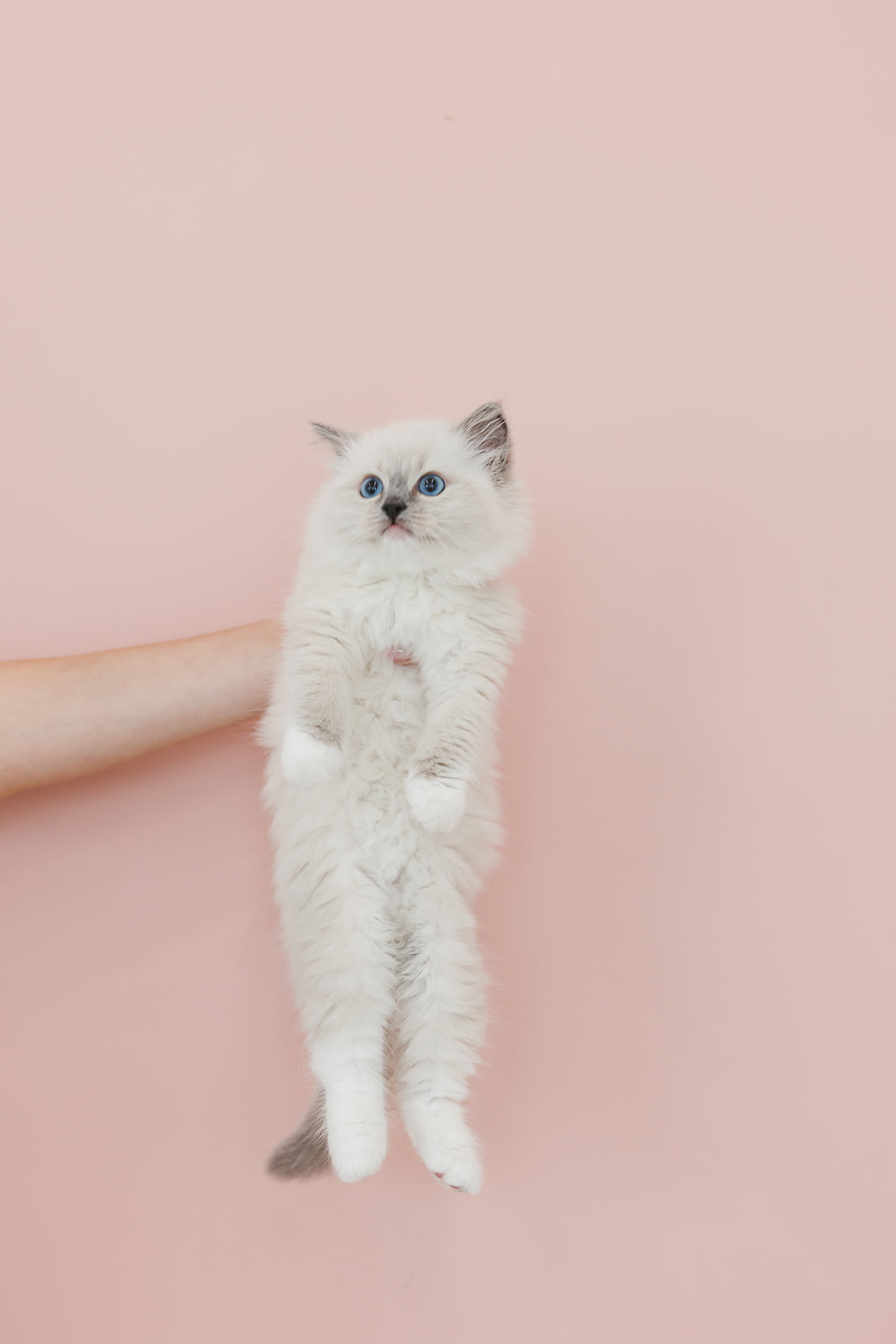
Are you curious about what makes a long-furred cat truly long-haired generation after generation? If you’ve ever wondered why some cats always have fluffy coats no matter what, understanding their genotype is the key.
Knowing the genotype of a true-breeding long-furred cat can help you predict how their kittens will look, and even guide you if you want to breed cats yourself. Keep reading to discover the simple genetic secrets behind those soft, flowing coats and unlock the mystery behind true-breeding long-furred cats.
True-breeding Cats
True-breeding cats are fascinating because they consistently pass specific traits to their offspring. These cats have a stable genetic makeup, which means their kittens will exhibit predictable characteristics. Understanding true-breeding cats helps you grasp how certain features, like long fur, are inherited generation after generation.
Traits And Characteristics
True-breeding long-furred cats always produce kittens with long fur. This is because they carry genes that control the fur length in a dominant or recessive way, depending on the breed. You can expect traits like soft, flowing coats and sometimes specific colors or patterns to appear in every litter.
Besides fur length, these cats often share other physical or behavioral traits. For example, some breeds might have a particular eye color or a calm temperament. Knowing these consistent traits can help you select the right cat if you’re looking for specific qualities.
Genetic Consistency
The genotype of a true-breeding long-furred cat is usually homozygous for the long-fur gene. This means both copies of the gene are the same, ensuring that the long-fur trait is reliably passed on. This genetic consistency reduces surprises in the offspring’s appearance.
Have you ever wondered why some cats always have long fur while others don’t? It’s all about which genes they carry and pass on. True-breeding cats simplify this by maintaining uniformity, making breeding outcomes more predictable and less risky.

Credit: purebredkitties.com
Genotype Basics
Understanding the genotype of a true-breeding long-furred cat starts with some basic genetic concepts. Genotype refers to the specific genetic makeup that determines traits like fur length. Getting clear on these basics helps you predict how traits pass down through generations.
Genes And Alleles
Genes are segments of DNA that carry instructions for traits. Each gene can have different versions called alleles. For fur length in cats, one allele might code for long fur, while another codes for short fur.
You inherit one allele from each parent, so every gene has two alleles. The combination of these alleles forms the cat’s genotype. Think of it like a pair of cards, where each card can be a long-fur or short-fur allele.
Homozygous Vs Heterozygous
If both alleles for a gene are the same, the cat is homozygous. For a true-breeding long-furred cat, this means it has two long-fur alleles. This homozygous genotype ensures all offspring will inherit the long fur trait.
On the other hand, heterozygous means the two alleles differ—one long-fur and one short-fur. This cat may look long-furred but can pass either allele to its kittens. Would you want to breed a heterozygous cat if consistent long fur is your goal?
Knowing whether a cat is homozygous or heterozygous helps you control breeding outcomes. It’s like having a genetic guarantee versus a genetic gamble. What choices would you make if you could predict your cat’s genetic traits with certainty?
Genetics Of Fur Length
Understanding the genetics of fur length in cats is fascinating. Fur length in cats is determined by genetic makeup. True-breeding long-furred cats have specific genetic characteristics. Let’s explore these in detail.
Dominant And Recessive Traits
In genetics, traits can be dominant or recessive. Long fur in cats is often a recessive trait. This means both parents must carry the gene for long fur. If a cat has one short fur gene, it usually shows short fur.
Key Genes Involved
The gene responsible for fur length is called FGF5. Cats with two copies of the mutated FGF5 gene have long fur. This mutation prevents normal hair growth regulation, resulting in longer fur.
Breeding two long-furred cats ensures offspring with long fur. This is because both parents pass the FGF5 mutation to their kittens. True-breeding cats consistently produce kittens with the same trait.

Credit: www.reddit.com
Long Fur Gene In Cats
The long fur gene in cats controls whether a cat has short or long hair. This gene plays a key role in determining the cat’s appearance and how it passes traits to its offspring. Understanding this gene helps you predict the fur length in future generations of cats, especially when dealing with true-breeding cats.
Alleles For Fur Length
Fur length in cats is controlled by two main alleles: the long fur allele and the short fur allele. The long fur allele is recessive, meaning a cat must inherit two copies to have long fur. The short fur allele is dominant, so only one copy is needed for the cat to have short fur.
- Long fur allele (l):recessive, results in long hair when paired (ll).
- Short fur allele (L):dominant, results in short hair if at least one allele is present (LL or Ll).
Knowing these alleles helps you understand why some cats have long hair while others don’t, even if they look similar.
Expression In True-breeding Cats
True-breeding cats have a genotype that consistently produces offspring with the same trait—in this case, long fur. For a cat to be true-breeding for long fur, it must carry two copies of the long fur allele (ll). This means every kitten will inherit one long fur allele from each parent and will have long hair.
Imagine you own a long-furred cat and want kittens that all look like it. Knowing your cat’s genotype lets you predict this confidently. Wouldn’t it be frustrating to expect fluffy kittens and get short-haired ones instead?
Determining True-breeding Genotype
Determining the true-breeding genotype of a long-furred cat is crucial if you want predictable traits in future litters. True-breeding means the cat consistently passes the long fur trait to its offspring. Understanding the genetic makeup behind this helps you avoid surprises and plan better breeding outcomes.
Homozygous Long Fur
A true-breeding long-furred cat is typically homozygous for the long fur gene. This means it carries two identical alleles for long fur, one from each parent. When a cat is homozygous, every kitten will inherit the long fur allele, guaranteeing long fur in the next generation.
Think about it like this: If you breed a homozygous long-furred cat with any other cat, the kittens will always have long fur. But if the cat is heterozygous (only one long fur allele), the trait might skip a generation. So, knowing whether your cat is homozygous is key to true-breeding.
Genetic Testing Methods
Genetic testing is your best tool to confirm if a cat is truly homozygous for long fur. DNA tests can identify the specific alleles present in your cat’s genes. These tests are usually done with a simple cheek swab or a small blood sample.
Many veterinary clinics and specialized labs offer genetic testing kits that you can use at home and send back for analysis. The results will tell you if your cat carries one or two copies of the long fur gene. This certainty helps you make informed breeding choices and avoid unexpected coat types in kittens.
Have you ever wondered how breeders maintain consistent traits over generations? Genetic testing removes guesswork and gives you clear answers. Would you rely on appearance alone, or would you want solid proof of your cat’s genotype?

Credit: www.aol.com
Breeding Implications
Understanding the breeding implications of a true-breeding long-furred cat is key to managing its genetic traits. True-breeding cats consistently pass on specific traits to their offspring. This reliability affects how breeders plan pairings and predict kitten characteristics.
Breeders must consider the cat’s genotype to ensure the long fur trait remains stable. The genotype shows which genes control the long fur and if they are dominant or recessive. This knowledge guides decisions about which cats to mate for desired results.
Predicting Offspring Traits
True-breeding long-furred cats usually carry two copies of the gene for long fur. This means their kittens inherit the long fur trait with high certainty. Breeders can predict kitten appearance by understanding the parent cats’ genotypes.
For example, mating two true-breeding long-furred cats results in all long-haired kittens. Pairing a true-breeder with a short-haired cat produces kittens with long fur if the gene is dominant. Otherwise, some kittens may have short fur.
- Both parents true-breeding long-furred: all kittens long-furred
- One true-breeder, one short-haired: kittens may vary depending on gene dominance
- Both short-haired: kittens will have short fur
Maintaining True-breeding Lines
Maintaining a true-breeding line requires careful selection of breeding cats. Only cats with confirmed genotypes for long fur should be bred. This approach avoids mixing in genes that cause short fur.
Regular genetic testing helps confirm the presence of the long fur gene. Breeders track pedigrees to ensure no unexpected traits appear. Maintaining true-breeding lines preserves the purity of the long-fur trait over generations.
- Select cats with two copies of the long fur gene
- Use genetic tests to verify cat genotypes
- Keep detailed breeding records and pedigrees
- Avoid breeding cats with unknown or mixed fur types
Frequently Asked Questions
What Does True-breeding Mean In Cats?
True-breeding cats consistently pass specific traits to offspring. For long-furred cats, this means they always produce kittens with long fur. This occurs because they carry two copies of the gene responsible for long fur.
What Is The Genotype Of A Long-furred Cat?
A true-breeding long-furred cat has a homozygous genotype for the long fur gene. This means it carries two recessive alleles (ll) that determine the long-haired trait.
How Does Genotype Affect Cat Fur Length?
Cat fur length depends on gene variants. Short fur is dominant (L), while long fur is recessive (l). Two recessive alleles (ll) produce long fur, influencing the cat’s physical appearance.
Can A Short-furred Cat Carry Long-fur Genes?
Yes, a short-furred cat can carry one recessive long-fur allele. Such cats have the genotype Ll and are called carriers but show short fur due to the dominant gene.
Conclusion
True-breeding long-furred cats have a specific genotype. They carry two copies of the long fur gene. This means their offspring will also have long fur. Understanding this helps breeders predict fur types in kittens. It also explains how traits pass from parents to babies.
Knowing the genotype supports better breeding decisions. Genetics shapes the look of every cat. This knowledge makes cat breeding more clear and simple.



Leave a Reply