Are you curious about cats that don’t shed fur everywhere? Hairless cat breeds might be exactly what you’re looking for.
These unique cats have smooth, bare skin instead of the usual fluffy coat. But which breeds are hairless, and what makes them so special? If you want to discover the most popular hairless cat breeds and learn what owning one really means, keep reading.
Your perfect, low-maintenance feline friend could be just a few paragraphs away.
Credit: animals.howstuffworks.com
Hairless Cat Origins
Hairless cats are truly unique creatures that turn heads wherever they go. Their lack of fur often sparks curiosity about how this unusual trait came to be. Understanding the origins of hairless cats helps you appreciate these fascinating animals beyond their bare skin.
Natural Hairlessness
Some cats are born hairless due to natural genetic mutations. The most famous example is the Sphynx cat, which originated from spontaneous hairless kittens in Canada during the 1960s. This mutation caused a lack of the usual coat, creating a new breed that stood out instantly.
Natural hairlessness means these cats don’t have fur because of a rare gene they carry. It’s not something breeders forced; it happened naturally in the wild or on farms. Have you ever thought about how many other unique animal traits might still be waiting to surprise us?
Selective Breeding
Once the natural hairless cats were discovered, breeders began carefully selecting and mating these cats to keep and enhance the hairless trait. This process helped stabilize the gene responsible and created breeds like the Sphynx, Peterbald, and Donskoy.
Selective breeding requires patience and skill. Breeders focus not only on maintaining hairlessness but also on health, temperament, and appearance. If you ever consider adopting or breeding hairless cats, understanding this balance is crucial to supporting their well-being.
:strip_icc()/spruce-pets-minskin-cat-a39902959c2a468c9d4a0dd40a043fcb.png)
Credit: www.thesprucepets.com
Sphynx Cats
The Sphynx cat stands out immediately with its unique appearance. Known for its hairless body, this breed draws attention wherever it goes. But there’s much more to the Sphynx than just its lack of fur.
Physical Traits
Sphynx cats have a smooth, hairless skin that feels warm and soft to the touch. Their bodies are muscular and medium-sized, with prominent cheekbones and large, lemon-shaped eyes that add to their expressive face.
You might notice the wrinkles on their skin, especially around the neck and shoulders, which are a signature feature. Despite being hairless, some Sphynx cats have a fine layer of fuzz, giving them a suede-like feel.
Personality And Temperament
Sphynx cats are famously affectionate and crave human attention. They often follow their owners around and enjoy being the center of attention. You’ll find them playful and curious, always eager to interact.
Many owners share that their Sphynx feels more like a dog than a typical cat because of its loyalty and social nature. Do you want a pet that will cuddle up with you and stay by your side? The Sphynx might be the perfect match.
Care Tips
Even without fur, Sphynx cats need regular care to stay healthy. Their skin produces oils that would normally be absorbed by hair, so weekly baths are essential to prevent build-up and keep their skin clean.
Because they lack fur, Sphynx cats can get cold easily. Providing warm blankets or a cozy spot near a heater can keep them comfortable. Don’t forget to protect their skin from strong sunlight to avoid sunburn.
Finally, regular ear cleaning is important since these cats tend to accumulate more wax than other breeds. Are you ready to give this unique breed the dedicated care it needs?
Peterbald Cats
The Peterbald cat is a captivating hairless breed. Originating from Russia, these cats are known for their sleek, unique appearance and affectionate nature. They share a strong bond with their families, making them excellent companions.
Appearance Variations
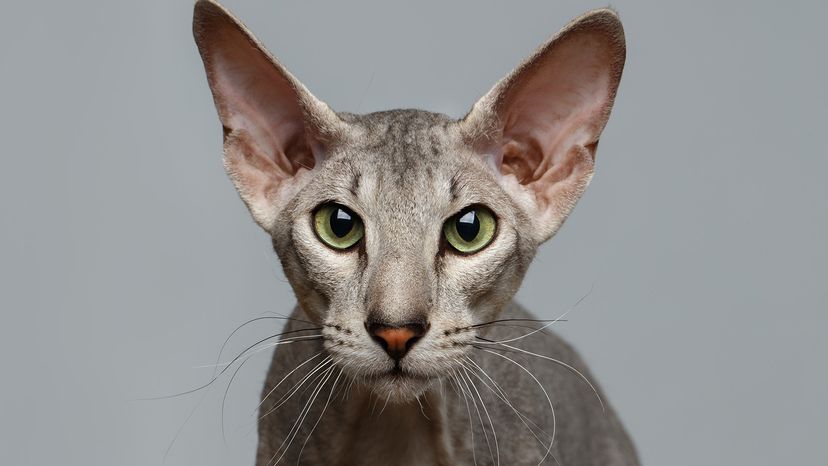
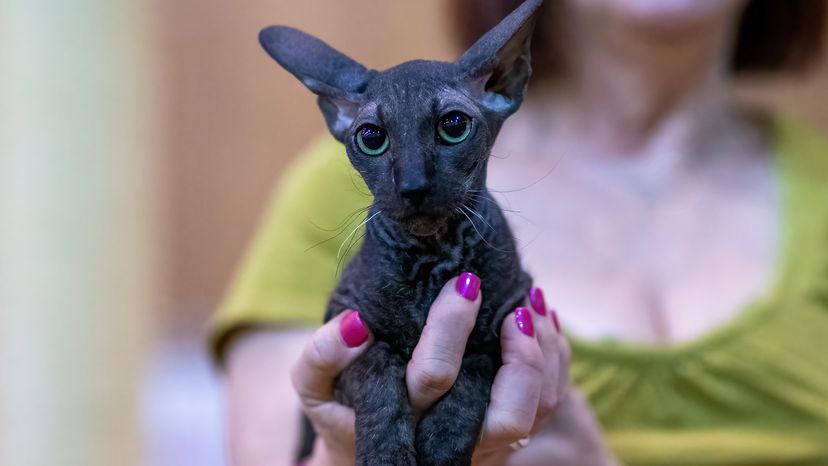
Peterbald cats come in different appearances. Some have completely hairless skin. Others have a fine, velvety fuzz. Their skin feels warm and soft to the touch. They have large, bat-like ears and almond-shaped eyes. This gives them an exotic look that is hard to resist.
Behavioral Traits
Peterbalds are known for their loving and social nature. They are friendly with both humans and other pets. These cats are intelligent and curious. They enjoy exploring their surroundings and interacting with family members. Their playful nature makes them fun companions.
Grooming Needs
Despite being hairless, Peterbald cats require regular grooming. Their skin can become oily and dirty. A gentle wipe with a damp cloth can help keep them clean. Bathing them occasionally helps too. Also, keep their ears and nails clean to ensure their health.
Donskoy Cats
Donskoy cats stand out among hairless breeds due to their unique origins and striking appearance. These cats do not have fur because of a natural genetic mutation. They are known for their friendly nature and expressive skin. Many cat lovers appreciate their softness and warmth despite the lack of hair.
Genetic Background
The hairlessness of Donskoy cats comes from a dominant gene mutation. This means only one parent needs to carry the gene for kittens to be hairless. The breed first appeared in Russia in the late 1980s. It is unrelated to the more famous Sphynx breed. The mutation affects hair growth, causing the coat to be absent or very thin.
Distinct Features
- Smooth, hairless skin with visible wrinkles
- Large ears that enhance their alert look
- Bright, almond-shaped eyes full of expression
- Muscular, medium-sized body with a graceful stance
- Skin can be various colors and patterns
Their lack of fur makes their skin feel warm and soft to touch. Wrinkles add to their charm and give each cat a unique personality.
Health Considerations
Donskoy cats need special care due to their hairlessness. Their skin is sensitive and can dry out easily. Regular bathing helps remove oils and dirt. They are prone to sunburn, so avoid direct sunlight. Keep them warm in cold weather since they lack fur insulation. Some may develop skin infections without proper care. Pay attention to their diet and hydration to support healthy skin.
Ukrainian Levkoy
The Ukrainian Levkoy stands out in the world of hairless cat breeds with its striking and unusual appearance. This breed is a result of crossing the Scottish Fold with the Donskoy, another hairless cat, creating a feline that combines unique physical traits with a charming personality. If you’re curious about what makes this breed special, keep reading to see how its look, temperament, and care needs might fit your lifestyle.
Unique Look
The Ukrainian Levkoy’s most eye-catching feature is its folded ears, which curve forward and down, giving it an expressive face. Its hairless body shows off loose, wrinkled skin that feels soft to the touch, a trait that’s rare and fascinating to pet owners. You might notice its angular head and long neck, which add to its elegant, almost sculptural silhouette.
Temperament
This breed is known for being affectionate and playful. Ukrainian Levkoys often seek out attention and enjoy interacting with their humans, making them great companions if you want a cat that’s both social and loyal. They can be quite curious, so you may find yours exploring every nook and cranny of your home.
Maintenance
Since they don’t have fur, Ukrainian Levkoys need regular skin care to prevent oil buildup and keep their skin healthy. You’ll want to wipe them down with a damp cloth weekly and check for any signs of irritation. Also, because they lack insulation, they can get cold easily, so providing warm blankets or a cozy spot is a must.
Other Hairless Cat Types
Hairless cats come in several unique breeds beyond the well-known Sphynx. These other hairless types have distinct features and charm. They often combine the lack of fur with playful personalities and unusual looks. Exploring these breeds helps cat lovers find a perfect match for their home and lifestyle.
Bambino
The Bambino cat is a small, hairless breed. It has short legs and a compact body. This breed is a mix of the Sphynx and Munchkin cats. Bambinos are known for their lively and affectionate nature. Their wrinkled skin adds to their cute and unusual appearance.
Elf Cat
The Elf cat stands out with its curled ears and hairless body. It is a cross between the Sphynx and American Curl breeds. Elfs are playful and social, making them great companions. Their unique ears and smooth skin make them very eye-catching.
Other Hybrids
Several other hairless cat hybrids exist by mixing hairless breeds with different types. These hybrids may have slight fur or be fully hairless. Each mix offers new traits in personality and looks. They continue to grow in popularity among cat enthusiasts.
Pros And Cons Of Hairless Cats
Hairless cats are unique pets that attract many cat lovers. Their lack of fur offers special advantages but also brings certain challenges. Understanding the pros and cons helps decide if a hairless cat fits your lifestyle.
Benefits
- Less shedding means cleaner homes and fewer allergens.
- Easy to spot skin issues like rashes or infections early.
- Unique appearance that many find attractive and unusual.
- They often seek warmth and affection, making them very social.
- Bathing is simple and helps keep their skin healthy.
Challenges
- Skin needs regular care to avoid dryness or sunburn.
- They require warmth because they have no fur to keep warm.
- More prone to skin injuries and infections without fur protection.
- Some people may have allergies to their skin oils.
- Hairless cats can need more frequent veterinary visits.
Credit: animals.howstuffworks.com
Hairless Cat Care Essentials
Hairless cats require a unique approach to care compared to their furry counterparts. Their lack of fur means their skin and overall health need special attention to keep them comfortable and thriving. Understanding the essentials of hairless cat care helps you provide a safe and happy environment for your feline friend.
Skin Care
Without fur, hairless cats are prone to skin issues like dryness, oil buildup, and sunburn. You should gently wipe their skin with a damp cloth weekly to remove excess oils and dirt. Using a mild, hypoallergenic pet shampoo during baths can prevent irritation, but avoid over-bathing, which can dry out their skin.
Have you noticed your cat scratching more than usual? That might signal the need for a vet check or a change in your cleaning routine.
Temperature Sensitivity
Hairless cats feel the cold much more than other breeds. They often seek warm spots and may benefit from cozy sweaters or heated beds, especially in cooler months. Conversely, direct sunlight can cause sunburn, so limit their sun exposure or use pet-safe sunscreen.
Do you provide your cat with soft blankets or a heated space? These small touches can make a big difference in their comfort.
Dietary Needs
Hairless cats tend to have a faster metabolism to help keep their body warm. This means they often need more calories than cats with fur. Feeding high-quality, nutrient-rich food supports their energy levels and overall health.
Consider consulting your vet to tailor your cat’s diet, ensuring they get the right balance of proteins, fats, and vitamins.
Frequently Asked Questions
What Cat Breeds Are Naturally Hairless?
The most well-known hairless cat breeds are Sphynx, Peterbald, and Donskoy. These breeds have little to no fur due to genetic mutations.
Are Hairless Cats Hypoallergenic?
Hairless cats produce fewer allergens but are not completely hypoallergenic. People with allergies may still react to their skin oils and saliva.
How Do Hairless Cats Stay Warm?
Hairless cats rely on body heat and often need sweaters or warm environments. They also seek sunny spots to maintain warmth.
Do Hairless Cats Require Special Care?
Yes, hairless cats need regular skin cleaning to remove oil buildup. They also need protection from sunburn and cold temperatures.
Conclusion
Hairless cat breeds offer a unique pet experience. They are friendly and often need special care for their skin. These cats can be great for people with allergies. Each breed has its own personality and charm. Knowing their needs helps you care for them better.
Choose a hairless cat that fits your lifestyle. They bring warmth and love without the fur. Owning one can be a rewarding journey. Consider these breeds carefully before deciding. Hairless cats are truly special companions.

Leave a Reply