Grooming a long-haired cat with clippers might sound tricky, but it doesn’t have to be. If your cat’s fur is getting tangled or matted, using clippers can make a big difference in keeping them comfortable and clean.
You might worry about hurting your furry friend or making a mess, but with the right tips, you can make this a smooth and stress-free experience for both of you. Keep reading, and you’ll learn exactly how to groom your long-haired cat safely and easily—saving time and keeping your cat happy.

Credit: catit.ca
Choosing The Right Clippers
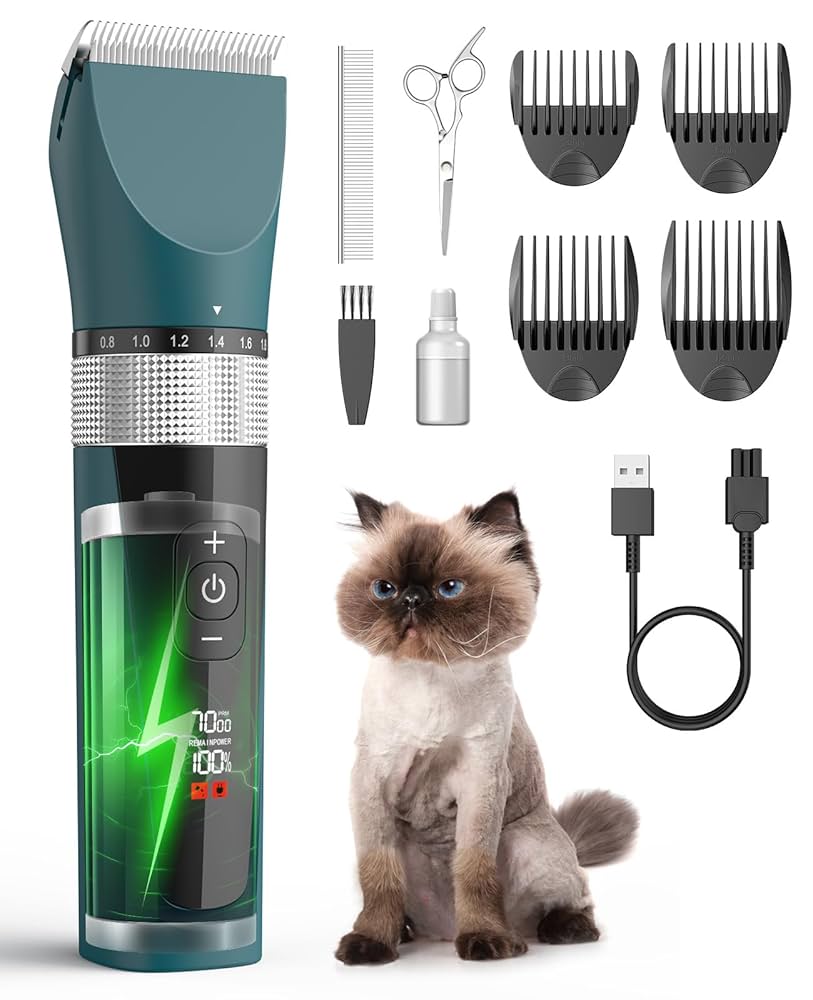
Choosing the right clippers makes grooming easier for you and safe for your long-haired cat. Clippers designed for pets work better on fur than human clippers. They handle different hair types and reduce pulling.
Picking clippers with the right features helps prevent stress in cats. Quiet, sharp blades cut fur smoothly. The clippers’ size and power affect your control and your cat’s comfort. Understanding types, blade sizes, and power sources is key.
Types Of Clippers For Cats
Pet clippers come in several types. Some are made for thick fur, others for sensitive skin. Look for clippers that are gentle and easy to handle. Small, lightweight models suit cats well. Heavy clippers can cause discomfort and make grooming hard.
- Standard pet clippers: Good for most fur types.
- Quiet clippers: Reduce noise to calm anxious cats.
- Professional clippers: Offer strong motors for thick coats.
Blade Sizes And Their Uses
Clippers have blades of different sizes. The blade size controls how close the cut is. Smaller blades leave a shorter fur length. Larger blades trim gently without cutting too short.
| Blade Size | Use |
|---|---|
| 10 | Close shave, good for mats and tangles |
| 15 | Short trim, safe for sensitive areas |
| 30 | Longer trim, shapes fur without cutting skin |
Corded Vs Cordless Clippers
Corded clippers offer steady power without battery worry. They stay on at full speed during grooming. However, cords may tangle or limit movement.
Cordless clippers give freedom to move around easily. They are lighter and less noisy. Charge them fully before grooming to avoid stops. Choose based on your space and cat’s comfort.
Preparing Your Cat
Preparing your long-haired cat before using clippers is key for a smooth grooming session. Cats can feel nervous or stressed during grooming. Taking time to calm your cat helps prevent accidents and makes clipping easier. Setting up a safe space and brushing your cat beforehand also improves the experience. These steps create comfort and trust between you and your pet.
Calming Techniques
Speak softly to your cat to create a peaceful mood. Gentle petting can relax tense muscles. Offer treats to reward calm behavior and build positive feelings. Play soothing music or keep the room quiet to reduce stress. Short, frequent breaks help your cat stay comfortable. Watch for signs of anxiety and pause if needed.
Brushing Before Clipping
Brush your cat’s fur to remove tangles and mats. Use a wide-toothed comb for thick hair and a soft brush for fine fur. Brushing reduces pulling and discomfort during clipping. It also reveals areas needing extra care. Work in the direction of hair growth to avoid hurting your cat.
Setting Up A Safe Grooming Space
Choose a quiet, well-lit room free from distractions. Use a non-slip mat on the surface where your cat will sit. Keep clippers and tools within easy reach to avoid leaving your cat alone. Have a helper hold your cat gently if needed. Keep a towel nearby to wrap your cat if it becomes restless.
Clipping Techniques
Clipping a long-haired cat requires gentle and careful techniques. Using clippers can make grooming faster and help avoid mats and tangles. It needs patience and a calm approach to keep your cat comfortable. Understanding how to handle the clippers and your cat’s body is key to a smooth grooming session.
Starting Points For Clipping
Begin clipping in areas where your cat feels relaxed. The sides of the body are good places to start. These spots often have fewer mats and are easier to clip. Work in small sections to avoid overwhelming your cat. Use slow, gentle strokes to remove loose fur. Check the blade temperature often to keep it cool.
Handling Sensitive Areas
Areas like the belly, paws, and face are sensitive and need extra care. Use the smallest clipper guard or scissors near these spots. Trim slowly and watch your cat’s reactions closely. Avoid pressing hard to prevent skin irritation. If your cat shows signs of stress, pause and comfort them. Short sessions work better for sensitive zones.
Maintaining A Steady Hand
A steady hand ensures clean cuts and safety. Hold the clippers firmly but not too tight. Keep your wrist relaxed to control the movement easily. Use your other hand to gently stretch the fur or skin. This helps create a smooth surface for clipping. Take breaks if you feel shaky or tired. A calm environment also helps maintain steady hands.
Credit: psihoterapeut.co.rs
Preventing Common Issues
Avoid pulling or cutting too close to prevent skin cuts and irritation. Keep clippers clean and sharp to reduce discomfort and matting. Take breaks to calm your cat and make grooming easier.
Preventing common issues while grooming a long-haired cat with clippers is crucial. These felines require extra care to ensure a pleasant grooming experience. Addressing potential problems in advance leads to a stress-free session for you and your cat. Below, we discuss how to tackle these common challenges effectively.Avoiding Cuts And Nicks
Safety is a top priority during grooming. Ensure your clippers are sharp but not too aggressive. Dull blades can tug fur, causing discomfort. Keep a steady hand and move slowly. Monitor your cat’s skin closely to avoid accidental cuts. Clip in the direction of fur growth to minimize the risk. Practice on less sensitive areas first to build confidence.Dealing With Matted Fur
Matted fur can be tricky and painful for cats. Before using clippers, gently detangle mats using a wide-toothed comb. If mats are severe, consider trimming them with scissors first. Hold the fur between the skin and the mat to prevent pulling. This protects the cat’s skin from sharp blades. Always proceed with care and patience.Managing Cat Anxiety
Grooming can make some cats anxious. Create a calm environment. Use a quiet room with minimal distractions. Spend time petting and soothing your cat before starting. Introduce clippers gradually, allowing your cat to sniff them. Turn on the clippers at a distance to familiarize your cat with the sound. Reward your cat with treats and praise to build positive associations.Post-grooming Care
After grooming your long-haired cat with clippers, proper care is essential. Post-grooming care keeps your cat comfortable and your tools in good shape. It helps maintain your cat’s skin and coat health for longer.
Cleaning The Clippers
Remove loose hair from the blades using a small brush. Wipe the blades with a cloth dampened with rubbing alcohol. This kills bacteria and prevents infections. Oil the blades lightly to keep them sharp and rust-free. Store clippers in a dry, safe place.
Rewarding Your Cat
Praise your cat softly and give gentle pets. Offer a favorite treat to create positive associations. Play with your cat to reduce any stress. This encourages cooperation for future grooming sessions.
Monitoring Skin And Coat Health
Check your cat’s skin for redness or irritation. Look for signs of cuts or bumps from clipping. Notice any unusual hair loss or dryness. Healthy skin and coat mean your cat feels good. Contact a vet if you spot any problems.

Credit: www.latimes.com
When To Seek Professional Help
Grooming a long-haired cat with clippers can be rewarding, but there are moments when professional help is the safer choice. Knowing when to hand over the clippers to an expert can protect your cat’s health and your peace of mind.
Signs Your Cat Needs Expert Grooming
Watch for signs like severe matting that you can’t safely remove. If your cat becomes unusually aggressive or stressed during grooming, it might be time to pause and seek help.
Other warning signs include skin irritation, wounds hidden under fur, or if your cat has mobility issues making self-care difficult. Professionals have the skills and tools to handle these challenges without causing harm.
Finding A Reliable Groomer
Ask your vet for recommendations—professionals they trust usually provide great care. Read reviews and visit groomers to observe how they handle cats before booking an appointment.
Look for groomers who specialize in long-haired cats and use gentle techniques. Remember, your cat’s comfort and safety should come first, so don’t hesitate to ask questions about their experience and methods.
Frequently Asked Questions
How Often Should I Groom A Long-haired Cat With Clippers?
Groom your long-haired cat with clippers every 6 to 8 weeks. Regular grooming prevents matting and reduces shedding. Adjust frequency based on your cat’s coat condition and comfort. Consistency ensures a healthy, tangle-free coat and less stress during grooming sessions.
What Clipper Blades Are Best For Long-haired Cats?
Use clipper blades sized 10 to 15 for long-haired cats. These blades trim hair safely without cutting too close to the skin. Sharp, quiet blades reduce discomfort. Always choose blades designed specifically for pets to avoid pulling or irritation.
How Do I Keep My Cat Calm During Clipping?
Keep your cat calm by grooming in a quiet, comfortable space. Use gentle, slow strokes and take breaks if needed. Offer treats and soothing words. Familiarize your cat with the clippers before starting. Calmness reduces stress and makes grooming easier.
Can I Groom My Long-haired Cat Without Professional Help?
Yes, you can groom your long-haired cat at home with practice. Use proper clippers, learn safe techniques, and be patient. Regular grooming avoids matting and skin issues. However, seek professional help for complex mats or if your cat resists grooming.
Conclusion
Grooming a long-haired cat with clippers takes patience and care. Start slowly and keep your cat calm throughout. Use the right tools and trim gently to avoid cuts. Regular grooming helps prevent mats and keeps fur healthy. Watch your cat’s behavior to know when to stop.
A well-groomed cat feels comfortable and looks neat. Keep practicing to make the process easier over time. Small steps lead to great results. Your cat will thank you with a happy purr.



Leave a Reply