
Are you curious about turning your love for Bengal cats into a profitable venture? Breeding Bengal cats can be more than just a hobby—it has the potential to bring in a steady income.
But how much can you really make? Understanding the factors that affect your earnings is key to making smart decisions. You’ll discover the real numbers behind Bengal cat breeding, what influences your profits, and how you can maximize your returns.
Ready to find out if this passion project can pay off? Keep reading to unlock the secrets.
Profit Potential In Bengal Cat Breeding
Understanding the profit potential in Bengal cat breeding can help you decide if this venture fits your goals. Breeding Bengals is not just about passion; it’s also a business that can bring substantial financial rewards. How much you make depends on several factors, from the quality of your cats to market demand.
Average Selling Prices
Bengal kittens typically sell for anywhere between $1,000 and $3,500. The price varies based on pedigree, markings, and overall health. Breeders with a strong reputation and champion bloodlines often command prices at the higher end of the spectrum.
Some breeders sell pet-quality Bengals for under $1,000, while show-quality cats with rare patterns can fetch up to $5,000 or more. Knowing the average prices in your region can help you set realistic expectations and price your kittens competitively.
Factors Influencing Price Variations
- Pedigree and Lineage:Cats descended from champion bloodlines usually have higher value.
- Coat Pattern and Color:Unique and striking patterns like rosettes or marbling can increase prices.
- Health and Vaccinations:Buyers pay more for kittens with full health checks and vaccinations.
- Demand and Location:Prices vary by region depending on how popular Bengals are locally.
- Breeder Reputation:Experienced breeders with good reviews often sell at premium rates.
Which factor do you think will have the biggest impact on your sales? Focusing on quality and transparency can set you apart from others in the market.
High-demand Bengal Traits
Some traits consistently attract buyers and raise the value of Bengals. For example, kittens with distinctive rosetted spotsor rare silver and snow colors are highly sought after.
Temperament is another big factor. Bengals that show friendly and social behavior tend to be more popular. Buyers want pets that fit well into their homes, not just beautiful cats.
Pay attention to these traits when planning your breeding program. Are you prepared to invest the time and care needed to develop these high-demand qualities?
Initial Investment Costs
Starting a Bengal cat breeding business needs careful planning and money. The initial investment costs are important to understand before you begin. These costs cover buying the cats, medical care, and setting up a good environment. Knowing these expenses helps you prepare and avoid surprises later.
Purchasing Quality Breeding Cats
Good breeding cats cost more but are worth the price. Bengal cats with strong genetics and good health can cost from $1,500 to over $5,000 each. You want cats with good temperaments and clear pedigrees. Quality cats improve the chance of healthy kittens and better sales.
Veterinary Expenses
Healthy cats need regular veterinary care. Expect to pay for vaccinations, health checks, and spaying or neutering. Pregnancy care and kitten vaccinations add to the cost. Budget around $500 to $1,000 per cat annually for vet visits. Early health care prevents costly problems later.
Setup And Supplies
A safe and clean setup is essential for breeding Bengals. You need cages, bedding, litter boxes, and feeding supplies. Heating lamps and toys help keep kittens comfortable and active. Setup costs usually range from $500 to $2,000 depending on size and quality. Proper supplies create a healthy environment for cats and kittens.
Ongoing Expenses
Breeding Bengal cats requires ongoing expenses like food, vet care, and grooming. These costs affect overall profit and must be planned carefully. Regular spending ensures healthy cats and successful breeding outcomes.
Breeding Bengal cats can be a rewarding venture, both emotionally and financially. However, it’s important to understand the ongoing expenses involved. These costs ensure the well-being of your cats and the success of your breeding efforts. By planning ahead, you can manage these expenses effectively and keep your cattery thriving.Feeding And Care
Feeding Bengal cats isn’t just about filling a bowl. It’s about providing a balanced diet that promotes health and vitality. Premium cat food can be expensive, but it’s crucial for maintaining the cats’ striking coats and energetic nature. Budgeting for high-quality food is essential, as is setting aside time for daily grooming and interaction.Health And Vaccinations
Regular vet visits are non-negotiable. Routine vaccinations and health checks prevent illnesses and ensure your cats are in top condition. Veterinary care can be costly, but it’s a necessary investment in the health of your breeding stock. Consider setting up a separate fund to cover unexpected medical expenses. Have you factored these costs into your budget yet?Breeding Management
Managing the breeding process requires careful planning and record-keeping. You’ll need to track heat cycles, arrange for mating, and monitor pregnancies. Each breeding cycle involves time and resources, so efficient management is key. Whether you’re a seasoned breeder or just starting out, refining your process can save both money and stress. How do you plan to streamline your breeding operations? By understanding and preparing for these ongoing expenses, you can ensure that your Bengal breeding program is both successful and sustainable. Are you ready to take on the challenge?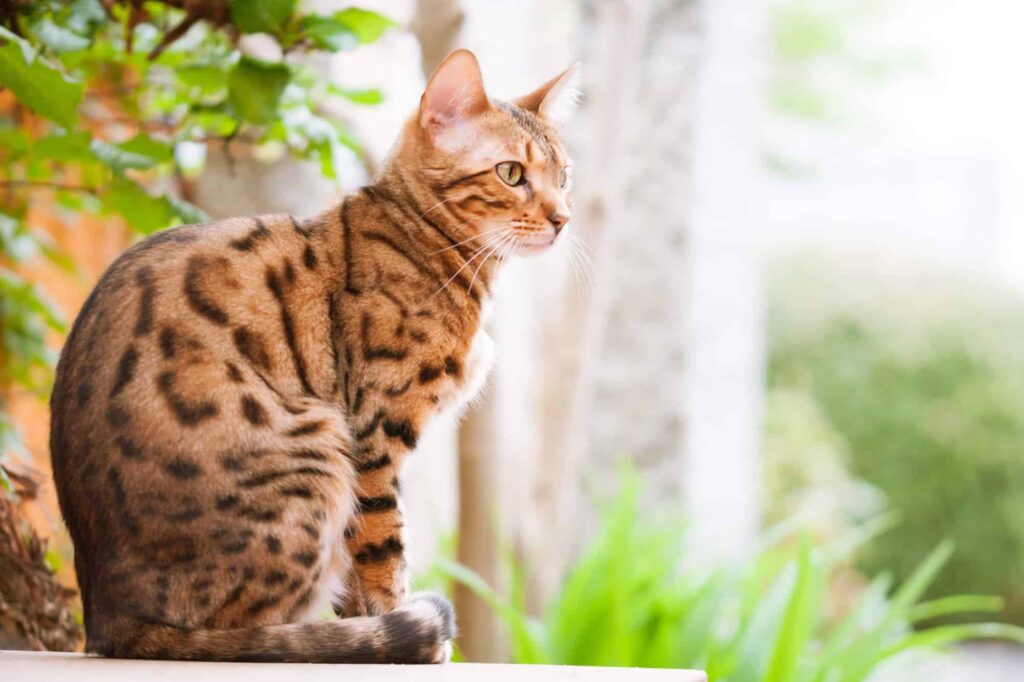
Credit: rawznaturalpetfood.com
Breeding Frequency And Litter Sizes
Understanding breeding frequency and litter sizes is essential for anyone considering breeding Bengal cats. These factors directly affect not only the health and well-being of your cats but also the potential income you can generate. Knowing how often to breed and what to expect in each litter helps you plan effectively and maintain ethical breeding practices.
Optimal Breeding Cycles
Bengal cats typically come into heat every two to three weeks during their breeding season, which usually lasts from early spring to late fall. However, breeding them too frequently can harm their health and reduce the quality of their litters.
Most experienced breeders recommend allowing a female Bengal at least one full heat cycle to rest between pregnancies. This usually means breeding no more than two to three times a year per female. Have you considered how balancing breeding frequency impacts your cats’ health and your long-term success?
Average Number Of Kittens Per Litter
On average, Bengal cats have litters ranging from 3 to 5 kittens. Occasionally, some litters can be as small as one or as large as seven kittens, but these are less common.
The size of the litter can depend on factors like the age and health of the mother, genetics, and breeding conditions. Tracking your cats’ litter sizes over time gives you a clearer picture of what to expect and helps you prepare for each new arrival.
Impact On Income
Your income from breeding Bengals depends heavily on how often your cats breed and how many kittens each litter produces. More frequent, healthy litters with an average of 4 kittens can significantly increase your earnings.
For example, if you sell each kitten for $1,000 and have three litters a year with 4 kittens each, that’s $12,000 annually per female. But pushing breeding beyond optimal cycles can reduce litter sizes and kitten quality, which might lower prices.
How will you balance maximizing your income with maintaining the health and happiness of your Bengal cats? This question is crucial for sustainable and profitable breeding.
Marketing And Sales Strategies
Marketing and sales strategies play a vital role in the success of a Bengal cat breeding business. Effective marketing helps connect with potential buyers, build trust, and increase sales. A clear plan to reach the right audience can improve income and grow your reputation over time.
Finding Buyers
Identify who wants Bengal cats. Pet lovers, families, and cat enthusiasts often seek these unique cats. Attend local pet shows and community events to meet interested buyers. Use social media platforms to share photos and stories. Word of mouth also brings serious buyers. Offer clear information about your cats’ health and temperament. Buyers appreciate honesty and transparency.
Online Vs. Local Sales
Online sales offer a wide reach beyond your local area. Use websites, social media, and classified ads to attract buyers from different regions. Provide detailed photos and videos online to showcase your cats. Local sales allow personal interaction and trust-building. Meet buyers in person to answer questions and show the cats’ living environment. Both methods have benefits. Combining them can increase your chances of selling kittens quickly and at good prices.
Building Reputation
Trust is key in breeding Bengal cats. Deliver healthy kittens with good temperaments. Respond quickly to buyer questions and concerns. Ask satisfied buyers to share reviews and testimonials. Join breeder associations and follow ethical breeding practices. A strong reputation leads to repeat customers and referrals. It also allows you to command higher prices for your cats.
Legal And Ethical Considerations
Breeding Bengal cats can be rewarding, but it carries serious legal and ethical responsibilities. Understanding these considerations protects both you and the cats you breed. Ignoring them can lead to legal trouble and harm to the animals, which no breeder wants.
Licensing Requirements
You must check local laws about breeding animals. Many places require specific licenses to breed cats, especially exotic breeds like Bengals.
Obtaining a license often means passing inspections and following regulations. This ensures your breeding operation meets health and safety standards.
Have you researched what paperwork and permits are needed in your area? Not having the right license can result in fines or even shutdowns.
Animal Welfare Standards
Keeping Bengal cats healthy and happy is your top priority. This means providing clean living spaces, proper nutrition, and regular veterinary care.
Ethical breeders avoid breeding cats with genetic defects or health issues. This helps maintain the breed’s quality and reduces suffering.
Ask yourself: Are you ready to invest time and money into quality care? Cutting corners might save money short term but causes long-term problems.
Avoiding Overbreeding
Overbreeding leads to poor health and behavioral problems in cats. Responsible breeders space litters and limit the number of cats they breed.
Keeping detailed records helps track each cat’s breeding history and health. This prevents inbreeding and genetic issues.
Consider the impact on your cats’ well-being before planning multiple litters. Could fewer, healthier cats bring better results than many litters with risks?
Profit Margins And Financial Risks
Profit margins and financial risks play a major role in Bengal cat breeding. The money earned depends on many factors. Understanding costs and possible challenges helps breeders make smart choices. It also reduces financial losses. This section breaks down the profit calculation, common money problems, and ways to handle risks.
Calculating Net Profit
Start with total income from selling Bengal kittens. Subtract all expenses like food, vet bills, and supplies. Include costs for advertising and registration fees. Also, count unexpected costs such as medical emergencies.
| Income | Expenses | Net Profit |
|---|---|---|
| Kitten Sales | Food & Supplies | Income – Expenses |
| Veterinary Care | ||
| Registration Fees | ||
| Unexpected Costs |
Net profit shows true earnings from breeding Bengal cats.
Common Financial Challenges
- High vet costs for health checks and emergencies
- Feeding expenses for the breeding cats and kittens
- Fluctuating market prices for Bengal kittens
- Legal fees for licensing and contracts
- Time spent on care that has no direct pay
These challenges can reduce overall profits. Planning helps reduce impact.
Risk Management Tips
- Keep an emergency fund for unexpected vet bills
- Choose healthy cats to reduce medical risks
- Track all expenses carefully with a budget
- Build strong relationships with reliable vets
- Stay updated on breeding laws and regulations
Managing risks protects your investment and improves profit chances.

Credit: zigly.com
Scaling Your Breeding Business
Scaling your Bengal cat breeding business requires careful planning and smart decisions. You need to grow in a way that maintains the health and quality of your cats while increasing your profits. This means expanding your resources, bringing in help, and finding new ways to earn money beyond just selling kittens.
Expanding Breeding Stock
Adding more cats to your breeding program can boost your output and variety. Choose healthy Bengals with strong pedigrees to improve your line and attract more buyers. Think about introducing new bloodlines to avoid inbreeding and keep your kittens unique.
However, expanding too fast can lead to mistakes. Make sure you have enough space and resources to care for additional cats properly. Quality always beats quantity when it comes to breeding Bengal cats.
Hiring Assistance
As your business grows, managing everything alone becomes tough. Hiring help for daily tasks like feeding, cleaning, and basic health checks frees up your time for strategic planning and marketing. You can start with part-time assistance and scale up as needed.
Look for someone who understands cat care or is willing to learn. Good help ensures your cats get consistent care and your business runs smoothly, even when you are busy or away.
Diversifying Income Streams
Relying solely on kitten sales limits your earnings and can be risky if the market dips. Add other income sources such as selling Bengal-related supplies, offering grooming services, or creating educational content about Bengal cats. These options can provide steady cash flow between litters.
Have you considered hosting workshops or online courses for new Bengal owners? Sharing your expertise not only brings in money but also builds your reputation. Diversification keeps your business stable and opens new growth opportunities.

Credit: purebredkitties.com
Frequently Asked Questions
How Much Profit Can I Make Breeding Bengal Cats?
Breeding Bengal cats can yield profits between $1,000 and $4,000 per kitten. This depends on lineage, quality, and market demand. Proper care and ethical breeding practices affect overall earnings.
What Factors Influence Bengal Cat Breeding Income?
Income depends on kitten quality, breeder reputation, and marketing. Health certifications and unique markings increase value. Location and buyer demand also impact prices.
How Long Does It Take To Start Earning From Bengal Cats?
Typically, it takes 1 to 2 years to start earning. Time is needed for breeding experience, finding buyers, and building a reputable cattery.
Are There Hidden Costs In Bengal Cat Breeding?
Yes, costs include vet care, food, vaccinations, and cattery maintenance. Unexpected expenses can reduce profits, so budgeting is crucial for success.
Conclusion
Breeding Bengal cats can bring a steady income with effort and care. Prices vary depending on the cat’s quality and demand. Expenses like food, vet visits, and space must be considered. Patience is key; profits grow over time, not overnight.
Knowledge of genetics and cat health improves success chances. It’s a rewarding hobby that can also earn money. Think carefully about the costs and responsibilities before starting. Breeding Bengal cats offers both challenges and financial benefits.


Leave a Reply