Are you curious about what makes your Maine Coon mix so unique? You love your cat’s playful personality and striking looks, but have you ever wondered which other breeds might be part of your furry friend’s family tree?
Discovering the answer can help you understand your cat’s behavior, health needs, and even their quirks better. Keep reading to uncover the secrets behind your Maine Coon mix and learn how different breeds shape the cat you adore every day.
Maine Coon Cat Traits
Maine Coon cats have a distinct set of traits that make them stand out in the feline world. If your cat is a Maine Coon mix, understanding these traits can help you identify which characteristics come from the Maine Coon side. These traits cover their physical appearance, behavior, and potential health issues, giving you a clearer picture of your cat’s unique makeup.
Physical Characteristics
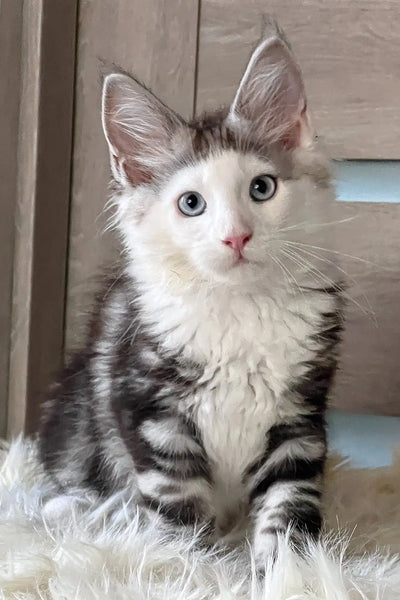
Maine Coons are known for their large size and muscular build. They often have a long, bushy tail and tufted ears that resemble those of a lynx. Their thick, water-resistant fur comes in a variety of colors and patterns, which helps them stay warm in cold climates.
Notice your cat’s paws—Maine Coons typically have large, round paws with tufts of fur between their toes. This helps them walk on snow. If your mix shows these features, it’s a strong hint of Maine Coon heritage.
Personality And Behavior
Maine Coons are often called the “gentle giants” of the cat world. They tend to be friendly, social, and intelligent. If your cat enjoys interacting with people and other pets without being overly demanding, that’s a Maine Coon trait shining through.
These cats are curious and playful but not hyperactive. They tend to follow their owners around and may even learn simple tricks. Does your cat greet you at the door or bring toys to you? These behaviors can point to Maine Coon influence.
Common Health Issues
Like all breeds, Maine Coons have some health concerns you should watch for. Hypertrophic cardiomyopathy (HCM), a type of heart disease, is one of the most common. Regular vet check-ups can help detect this early.
Hip dysplasia and spinal muscular atrophy are other conditions that may affect Maine Coons. If your cat shows signs of limping or weakness, it’s worth discussing these possibilities with your vet. Knowing these risks helps you care better for your Maine Coon mix.

Credit: www.maine-coon-cat-nation.com
Popular Cat Breeds Mixed With Maine Coon
Maine Coon cats are known for their large size, friendly nature, and luxurious fur. Many cat lovers enjoy mixing Maine Coons with other breeds. These mixes often bring unique looks and traits. Some cat breeds are popular partners for Maine Coons. They share similar features or complement the Maine Coon’s personality. Understanding these mixes can help you identify your cat’s heritage and traits.
Siberian Cat Mix
The Siberian cat is a strong, agile breed with a thick coat. A Maine Coon mixed with a Siberian often has a dense, water-resistant fur. These cats are playful and loyal. They handle cold weather well. Their friendly nature makes them great family pets. Expect a mix with a robust build and soft, fluffy tails.
Norwegian Forest Cat Mix
Norwegian Forest cats look similar to Maine Coons with their thick fur and tufted ears. When mixed, the cat usually has a fluffy coat and a sturdy frame. This mix loves climbing and exploring. They are gentle but independent. The blend often results in a calm and affectionate cat that enjoys attention.
Ragdoll Cat Mix
Ragdolls are famous for their blue eyes and calm temperament. Mixing a Maine Coon with a Ragdoll can create a large, loving cat. These cats often have striking eyes and soft fur. They tend to be very affectionate and enjoy being held. This mix combines the Ragdoll’s gentle nature with the Maine Coon’s playful side.
Domestic Shorthair Mix
Domestic Shorthairs come in many colors and patterns. When mixed with Maine Coons, the result is often a cat with a shorter coat but Maine Coon features. These cats can be very adaptable and friendly. They may have a mix of playful energy and easygoing behavior. This mix is common and loved for its variety.
Identifying Mixed Breed Traits
Maine Coon mixes often show traits from other breeds, making identification tricky. Examining physical features and behaviors helps reveal the cat’s breed mix. DNA tests provide clear answers about your cat’s unique heritage.
Identifying the traits of a Maine Coon cat mix can be intriguing. Mixed breed cats often show a blend of characteristics. These can be seen in their coat, size, and temperament. Understanding these traits helps in identifying the breeds in your cat’s lineage.Coat Patterns And Colors
Maine Coons boast a variety of coat colors. Mixed breeds may inherit these hues. Look for tabby patterns or solid colors. Their coats can be long and silky. Some might have a ruff around their neck. This is a classic Maine Coon trait.Size And Build
Maine Coons are large and muscular. A mix might not be as big. Yet, they often have strong builds. Their paws may be tufted and large. This helps them walk on snow. They might have a bushy tail, a nod to their Maine Coon heritage.Temperament Differences
Maine Coons are friendly and sociable. Mixed breeds may share this trait. They might be playful and affectionate. Some may be curious and intelligent. They enjoy human company and adapt well. Their mixed lineage might influence these behaviors.Genetic Testing For Cat Breeds
Genetic testing offers a clear path to uncover the mystery behind your Maine Coon cat mix’s heritage. It reveals the breeds that make up your feline friend’s unique identity. This insight can influence how you care for your cat and deepen your connection with them.
How Dna Tests Work
DNA tests for cats analyze a small sample, usually collected with a cheek swab. The test looks at specific markers in your cat’s genetic code that correspond to different breeds. These markers help identify what breeds are present and in what proportions.
The process is simple and non-invasive, making it easy for any cat owner to use. Once the sample is sent to the lab, results typically arrive within a few weeks. These results often include detailed breed breakdowns and sometimes health information related to genetics.
Benefits Of Breed Identification
Knowing your Maine Coon mix’s breed composition can improve your cat’s health care. Certain breeds have specific health risks or dietary needs that you can address better with this knowledge. It also helps you understand your cat’s behavior and personality traits more clearly.
Breed identification can make veterinary visits smoother. For instance, if your cat has Persian or Siamese ancestry, your vet might monitor for known breed-related issues. Plus, sharing your cat’s breed story adds a special touch when introducing them to friends and family.
Popular Testing Kits
- Basepaws:Known for detailed breed reports and health screening tailored for cats.
- Wisdom Panel:Offers comprehensive breed and health insights and is widely trusted by pet owners.
- Orivet:Provides breed identification alongside personalized care recommendations.
Each kit comes with easy instructions and customer support to guide you through the process. Have you considered how knowing your cat’s breed mix might change the way you care for them?
Caring For A Maine Coon Mix
Caring for a Maine Coon mix requires attention to their unique needs. These cats are gentle giants with playful spirits. Their care blends the traits of Maine Coons and the other breed in their mix. Understanding their grooming, diet, and activity needs keeps them happy and healthy. Let’s explore these care essentials.
Grooming Needs
Maine Coon mixes often have thick, long fur. This fur can mat easily without regular brushing. Brush your cat at least three times a week to prevent tangles. Use a wide-toothed comb and a soft brush for best results. Check ears and trim nails regularly to avoid discomfort. Bathing is rarely needed but can help during shedding seasons.
Diet And Nutrition
Provide a balanced diet with high-quality cat food. Maine Coon mixes need protein-rich meals to support muscle health. Avoid overfeeding to prevent obesity, common in larger cats. Fresh water should always be available. Consider feeding smaller, frequent meals to keep energy steady. Consult your vet for special dietary needs or allergies.
Exercise And Enrichment
These cats are active and curious. They need daily playtime to stay fit and happy. Use toys that mimic hunting, such as feather wands or laser pointers. Create climbing spaces like cat trees or shelves. Interactive play helps reduce boredom and destructive behavior. Rotate toys regularly to keep your cat interested and engaged.
Credit: purebredkitties.com
Credit: greekgardenmainecoons.com
Frequently Asked Questions
What Breeds Commonly Mix With Maine Coon Cats?
Maine Coons often mix with domestic shorthairs and other long-haired breeds. These mixes show varied traits, blending Maine Coon’s size and personality with other breeds’ features.
How To Identify If My Cat Is A Maine Coon Mix?
Look for large size, tufted ears, bushy tail, and friendly nature. Genetic testing can confirm Maine Coon heritage in mixed-breed cats accurately.
Are Maine Coon Mixes Hypoallergenic?
No, Maine Coon mixes are generally not hypoallergenic. They shed moderately and produce allergens typical of most cat breeds.
Do Maine Coon Mixes Have Health Issues?
Maine Coon mixes may inherit some Maine Coon health issues like hip dysplasia. Regular vet checkups help detect and manage potential problems early.
Conclusion
Discovering your Maine Coon cat mix’s breeds adds fun to pet care. Each breed brings unique traits and charm to your cat’s personality. Knowing these traits helps you meet your cat’s needs better. Your cat’s mix makes them special and one of a kind.
Enjoy learning and loving your furry friend every day. Keep watching their behavior to see which breed traits shine through. This knowledge deepens your bond and care for your pet. Every cat is a beautiful mix of history and love.

Leave a Reply