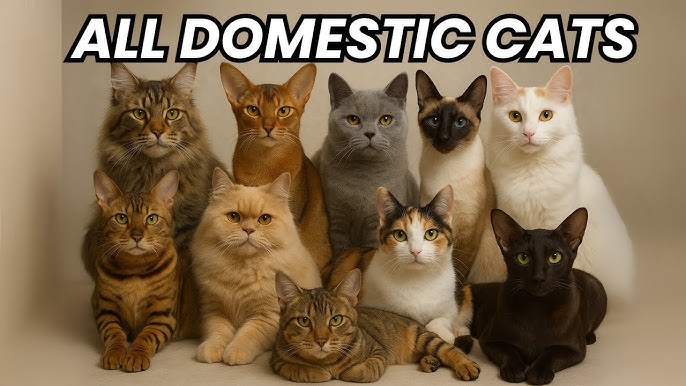
Have you ever wondered just how many different domestic cat breeds there are? If you’re a cat lover or thinking about adding a furry friend to your home, knowing the variety of breeds can help you find the perfect match.
From playful and energetic to calm and cuddly, each breed has its own unique traits. Keep reading, and you’ll discover the surprising number of domestic cat breeds and what makes each one special—helping you understand your own cat better or choose the right companion for your lifestyle.
Cat Breed Categories
Understanding cat breed categories helps you recognize the wide variety of domestic cats. These categories organize cats based on lineage, coat type, and physical features. Knowing them can guide your choice if you’re thinking about adding a feline friend to your home.
Pedigree Vs Non-pedigree Cats
Pedigree catshave a documented family tree, often registered with official cat associations. These cats come from carefully bred lines to maintain specific traits like appearance and temperament.
Non-pedigree cats, sometimes called moggies, don’t have a formal lineage record. They often have mixed ancestry, which can make their looks and personalities more varied and unpredictable.
Have you noticed how pedigree cats often have very distinct looks? This is due to selective breeding, which isn’t a factor with non-pedigree cats.
Longhair, Shorthair, And Hairless Types
Cats are also grouped by coat length and texture. Longhair catshave thick, flowing fur that requires regular grooming to prevent mats and tangles.
Shorthair catsboast a sleek coat that’s easier to maintain. They shed less visibly but still need routine brushing to keep their fur healthy.
Hairless cats, like the Sphynx, stand out with their lack of fur. Their skin needs special care, such as regular baths to remove oils that fur usually absorbs.
Which coat type fits your lifestyle? If you prefer low-maintenance pets, shorthair cats might suit you best. But if you enjoy pampering and grooming, longhair breeds offer a rewarding experience.

Credit: www.yahoo.com
Popular Domestic Cat Breeds
Popular domestic cat breeds have unique looks and personalities. Each breed offers different traits that many cat lovers enjoy. Some breeds are known for their beauty, others for their friendly nature. Understanding these popular breeds helps in choosing the right pet.
Siamese And Oriental Breeds
Siamese cats have striking blue eyes and short coats. They are very vocal and love to interact with people. Oriental breeds are similar but come in many colors. Both breeds are active, social, and enjoy playtime.
Persian And Exotic Varieties
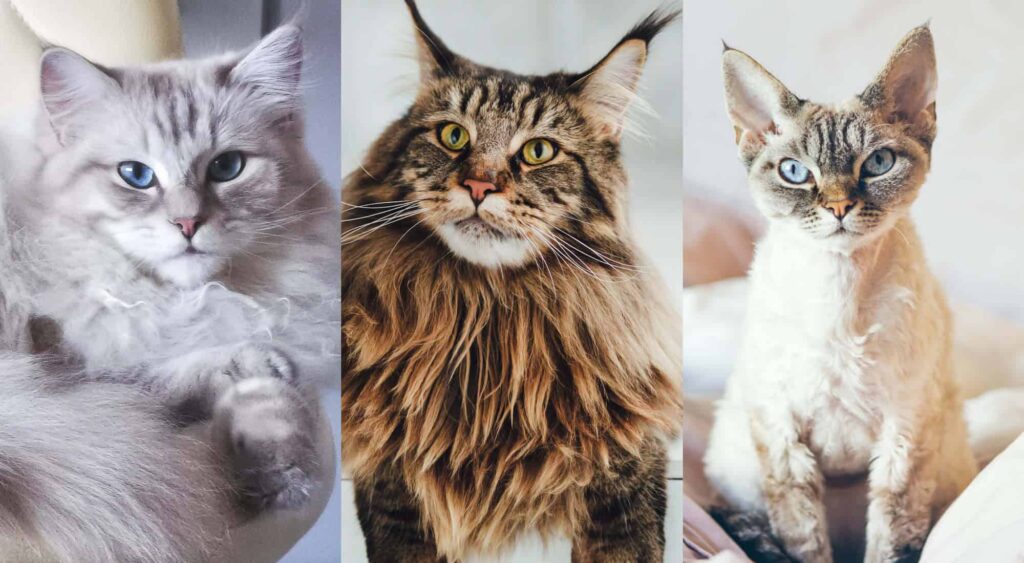
Persian cats have long, thick fur and a calm nature. They require regular grooming to keep their coat healthy. Exotic varieties are like Persians but with shorter fur. They are gentle and enjoy quiet, cozy spaces.
Maine Coon And Norwegian Forest Cats
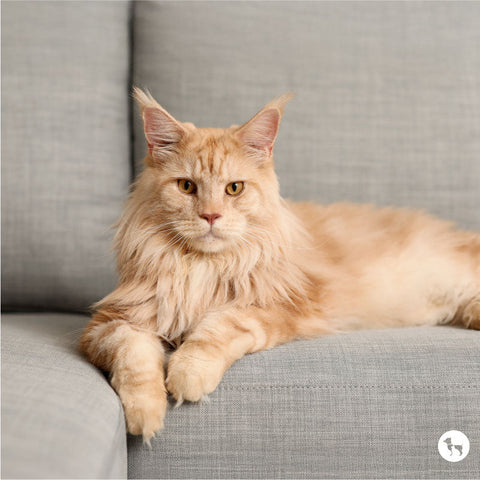
Maine Coon cats are large with tufted ears and bushy tails. They are friendly and adapt well to families. Norwegian Forest cats have thick coats and strong bodies. They are playful and love climbing high places.
Rare And Unique Breeds
Rare and unique cat breeds often captivate those who want a pet that stands out. These breeds offer distinct looks and personalities that can surprise even experienced cat lovers. Have you ever met a cat that made you stop and ask, “What breed is that?”
Burmese And Tonkinese
The Burmese cat is known for its expressive eyes and silky coat, creating a striking presence in any home. They are incredibly affectionate and tend to form strong bonds with their owners, almost like little companions who always want to be near you.
Tonkinese cats blend traits from Burmese and Siamese breeds, resulting in playful, social pets. Their unique aqua-colored eyes and soft, short fur make them easy to care for and visually appealing.
Scottish Fold And Sphynx
Scottish Folds grab attention with their folded ears, giving them a charming and curious look. Beyond their appearance, they have a calm and loving nature, making them excellent indoor pets.
The Sphynx stands out for its hairless body, which feels warm and suede-like to the touch. Despite their unusual look, these cats are extremely friendly and active, often seeking human interaction more than other breeds.
Russian Blue And Chartreux
Russian Blues are admired for their dense, bluish-gray fur and striking green eyes. They have a quiet, gentle temperament but are also playful, offering a balanced companion for many homes.
Chartreux cats come with a woolly, blue-gray coat and orange eyes that create a mysterious aura. Known for being patient and intelligent, they easily adapt to family life and enjoy interactive play.
Credit: rawznaturalpetfood.com
Breed Recognition By Cat Associations
Understanding how cat breeds are recognized by various associations can help you appreciate the diversity in the feline world. Different cat associations have their own criteria for breed recognition, often based on specific traits and historical lineage. Let’s explore how some of the major cat associations classify and recognize different domestic cat breeds.
Cfa Recognized Breeds
The Cat Fanciers’ Association (CFA) is one of the largest and most esteemed cat registries in the world. It recognizes a total of 44 distinct cat breeds. Each breed has a detailed set of standards, which guides judges during cat shows.
For example, the CFA recognizes popular breeds like the Persian, Maine Coon, and Siamese. These breeds are adored for their distinctive looks and personalities. If you’re planning to adopt a cat, knowing which breeds the CFA recognizes can give you a good starting point.
Tica Recognized Breeds
The International Cat Association (TICA) boasts a broader range, recognizing 71 breeds. TICA is known for its progressive approach, often embracing newer breeds that are still developing their standards.
Among TICA’s recognized breeds are the Bengal and the Savannah, both of which have wild ancestors. This association’s openness to diverse breeds offers you a chance to discover unique and exotic feline companions.
Other International Registries
Beyond CFA and TICA, there are other international registries that recognize cat breeds, each with unique criteria. For instance, the Fédération Internationale Féline (FIFe) recognizes 48 breeds, emphasizing genetic health and breed purity.
Each registry brings its own perspective, offering you a global view of the feline world. If you are passionate about cats, exploring these registries can deepen your understanding and appreciation of the rich tapestry of cat breeds worldwide.
Have you ever wondered why some cat breeds are recognized by one association but not another? This can often be due to regional preferences or differing standards, making the world of cat breeds as varied as the cats themselves.
Traits And Temperaments By Breed
Understanding the traits and temperaments of different domestic cat breeds can help you find the perfect feline companion for your lifestyle. Each breed carries unique characteristics that affect their behavior, energy, and care requirements. Knowing these details allows you to create a harmonious home and build a strong bond with your cat.
Activity Levels
Cat breeds vary widely in their energy and playfulness. Some breeds, like the Bengal or Abyssinian, are highly active and love interactive toys and climbing structures. Others, such as the British Shorthair or Persian, prefer a more relaxed pace, often enjoying quiet naps over vigorous play.
Think about your daily routine: Do you have time to engage in energetic play sessions, or do you prefer a calm pet that lounges beside you? Matching your activity level with your cat’s needs prevents frustration for both of you.
Social Behavior
Social needs differ significantly between breeds. Siamese cats, for example, are known for their vocal, affectionate nature and often seek constant companionship. On the other hand, breeds like the Russian Blue tend to be more reserved and may appreciate alone time.
Consider how much attention you can give your cat. Are you home often, or will your cat spend many hours alone? This affects which breed’s social temperament fits best with your lifestyle and ensures your cat’s emotional well-being.
Grooming Needs
Grooming requirements depend largely on coat type. Long-haired breeds like the Maine Coon or Persian need regular brushing to prevent mats and hairballs. Short-haired breeds such as the Scottish Fold or Burmese usually require less maintenance but still benefit from occasional grooming.
Ask yourself if you’re prepared to commit to daily grooming or prefer a low-maintenance pet. Proper grooming not only keeps your cat healthy but also strengthens your relationship through regular bonding time.
Choosing The Right Breed For You
Choosing the right domestic cat breed can shape your entire experience as a cat owner. Each breed has unique traits that affect how they fit into your daily life. Understanding these differences helps you find a cat that matches your personality, home, and needs.
Lifestyle Compatibility
Your daily routine plays a big role in deciding which cat breed suits you best. Some breeds like the Siamese are very social and need lots of attention, while others like the British Shorthair are more independent and low-maintenance.
If you work long hours or travel often, a cat that handles alone time well is a better fit. On the other hand, if you enjoy interactive play and cuddles, consider breeds known for their affectionate nature.
Allergy Considerations
Cat allergies affect many people, but some breeds produce fewer allergens. Breeds like the Siberian or Balinese may cause less allergic reaction, although no cat is truly hypoallergenic.
Spending time around the breed before adopting can help you gauge your sensitivity. Have you noticed sneezing or itchy eyes after visiting a friend’s cat? This insight can save you from future discomfort.
Space And Environment
The size of your living space influences which breed will thrive. Large, active breeds like the Maine Coon need room to explore and climb, while smaller or more sedentary breeds can adapt well to apartments.
Consider your home’s layout and available play areas. Do you have windows for your cat to watch outside? Does your space allow for scratching posts or climbing trees? These factors affect your cat’s happiness and health.
Mixes And Hybrid Cats
Mixes and hybrid cats bring a fascinating variety to the world of domestic cats. These cats often combine the traits of two or more breeds, or even species, resulting in unique looks and personalities. Understanding these cats can help you appreciate their diversity and decide if one might fit well into your home.
Common Hybrid Breeds
Hybrid cats are usually a cross between a domestic cat and a wild cat species. Some popular hybrids include:
- Bengal:A mix of domestic cats and the Asian leopard cat, known for its striking spotted coat.
- Savannah:Resulting from breeding a domestic cat with a serval, these cats are tall with large ears and wild markings.
- Chausie:Bred from a domestic cat and a jungle cat, they are energetic and intelligent.
Each hybrid breed has a distinct look and behavior, often influenced by their wild ancestry.
Traits Of Mixed Breeds
Mixed breed cats can surprise you with their unpredictable traits. They might inherit the best qualities from different breeds, such as:
- Unique coat colors and patterns that aren’t common in purebreds.
- Varied temperaments, from calm and cuddly to active and playful.
- Sometimes improved health due to genetic diversity.
Have you ever met a mixed breed cat that acted completely different from what you expected? Their personality often keeps you guessing, which makes living with them exciting.
Adoption Tips
When adopting a mix or hybrid cat, research is key. Learn about the specific needs of hybrid breeds, especially their activity levels and social requirements.
- Ensure your home can accommodate a high-energy cat if choosing a hybrid like the Savannah.
- Ask shelters or breeders about the cat’s behavior and health history.
- Spend time interacting with the cat before adopting to see if your personalities match.
Are you ready to welcome a cat with a unique background into your life? Proper preparation will help you provide a happy, loving home for your new feline friend.
Credit: headsupfortails.com
Frequently Asked Questions
How Many Recognized Domestic Cat Breeds Exist?
There are approximately 70 to 75 recognized domestic cat breeds worldwide. This number varies slightly among cat associations. Each breed has unique traits and history. Popular cat registries like CFA and TICA list these breeds officially.
What Defines A Domestic Cat Breed?
A domestic cat breed is defined by specific physical and behavioral traits. These traits are consistent through generations. Breeds are developed through selective breeding. They differ in coat patterns, size, and personality. Recognition depends on established breed standards.
Which Cat Breed Is The Most Popular Worldwide?
The Domestic Shorthair is the most common and popular breed. It’s a mixed-breed cat with no specific pedigree. Its adaptability and friendly nature make it a favorite choice. Many cat lovers appreciate its diverse colors and easy care.
Are New Cat Breeds Still Being Developed?
Yes, new cat breeds are continuously developed through breeding programs. Breeders select traits to create distinct breeds. Some new breeds gain official recognition over time. This process helps preserve genetic diversity and cater to pet lovers’ preferences.
Conclusion
Domestic cats come in many different breeds, each with unique traits. Knowing the number of breeds helps you understand their diversity. Some breeds are common, while others are rare and special. Each cat breed brings its own charm and personality.
Whether you want a playful or calm cat, there is a breed for you. Exploring cat breeds can be fun and rewarding. Cats truly offer a wide world of companionship and joy. Keep learning about them to find your perfect feline friend.



Leave a Reply