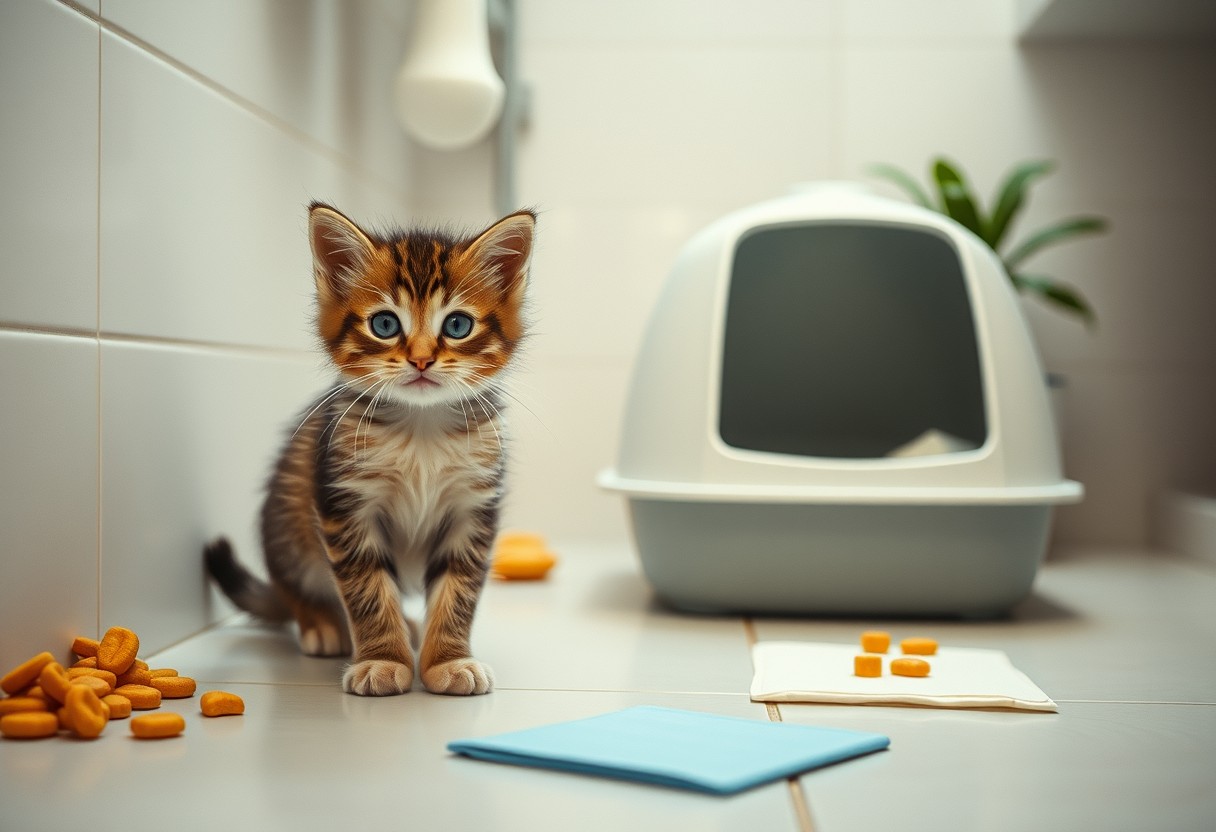
If you’ve ever wished your cat could use the potty like a human, you’re not alone. Teaching your cat potty training might sound tricky, but with the right steps, you can make it happen.
Imagine a home without litter boxes and the mess that comes with them. You’ll save time, money, and keep your space cleaner. This guide will show you how to train your cat in simple, clear steps that anyone can follow.
Ready to change the way your cat goes to the bathroom? Keep reading to discover how easy and rewarding cat potty training can be.
Choosing The Right Litter Box
Choosing the right litter box is essential for successful cat potty training. The litter box should cater to your cat’s needs and preferences. This ensures a smooth transition and encourages proper habits. Let’s explore the key factors to consider.
Size And Type Options
Cats need enough space to move comfortably. A larger litter box works best for most cats. It allows them to turn around and dig. For kittens, a smaller box may be suitable initially.
Consider the litter box type as well. Covered boxes offer privacy but may trap odors. Open boxes provide better airflow, keeping the area fresher. High-sided boxes prevent litter scatter, ideal for playful cats.
Placement Tips
Location matters for your cat’s comfort and convenience. Place the litter box in a quiet, accessible area. Avoid noisy or high-traffic locations.
Ensure it’s easy to reach for both young and older cats. A calm environment encourages regular use. Keep it away from food and water bowls to maintain hygiene.
Selecting The Best Litter
Selecting the best litter is key to successful cat potty training. The right litter makes your cat feel comfortable and encourages good habits. It also helps reduce odors and mess. Choosing a litter that suits your cat’s preferences and your home environment creates a positive experience.
Material Varieties
Cat litter comes in many materials. Clay litter is common and clumps well. It controls odors but can be dusty. Clumping clay makes cleaning easier. Crystal litter absorbs moisture and controls smell without dust. It lasts longer but can be more expensive. Natural litters use materials like corn, wheat, or pine. These are biodegradable and gentle on paws. They may not clump as well but are eco-friendly options.
Scented Vs Unscented
Scented litter masks odors with added fragrances. Some cats dislike strong smells and may avoid the box. Unscented litter offers a more natural experience. It allows your cat to feel safe and comfortable. Unscented litter is better for sensitive cats or those with allergies. Test both types to see which your cat prefers. Remember, scent preference varies among cats.
Introducing The Litter Box
Introducing the litter box to your cat is a crucial first step in potty training. It sets the foundation for good bathroom habits and helps your cat feel comfortable in their new routine. Your goal is to make the litter box a familiar and inviting spot that your cat will want to use.
Familiarizing Your Cat
Place the litter box in a quiet, easily accessible area without heavy foot traffic or loud noises. Cats prefer privacy when doing their business, so avoid busy rooms or spots near their food and water bowls.
Let your cat explore the litter box on their own terms. Show them where it is by gently placing them inside it a few times, especially after meals or naps. This helps them connect the box with the idea of using it.
Encouraging Initial Use
If your cat seems hesitant, try adding a little of their used litter to the new box. The familiar scent can encourage them to use it more quickly. You can also praise them softly or offer a small treat after they successfully use the box.
Keep the litter box clean and scoop it daily. A dirty box can discourage your cat from using it and cause accidents elsewhere. Have you noticed how your own habits change with cleanliness? Cats are no different—they appreciate a tidy bathroom.

Credit: arerofast.com
Establishing A Routine
Teaching a cat to use the potty needs a steady routine. Cats feel safe and confident when their daily schedule stays the same. A clear routine helps your cat understand when and where to go. This reduces accidents and stress for both of you.
Consistent Feeding Times
Feed your cat at the same times every day. Regular meals create a natural bathroom schedule. Cats usually need to go soon after eating. Predictable feeding times help you spot the right potty moments. Avoid free feeding, which can confuse your cat’s bathroom habits.
Regular Litter Box Cleaning
Keep the litter box clean to encourage use. Cats avoid dirty boxes and may go elsewhere. Scoop waste daily and change litter weekly. Clean boxes smell fresh and invite your cat. A tidy box builds good potty habits and trust.
Handling Accidents
Accidents are part of the journey when teaching your cat to use the potty. How you handle these moments can shape your cat’s willingness to learn and your overall progress. Staying calm and responding effectively turns setbacks into opportunities for better habits.
Cleaning Techniques
Cleaning accidents quickly and thoroughly is key. Use an enzymatic cleaner designed for pet messes to break down odors that might attract your cat back to the same spot.
Avoid ammonia-based cleaners, as their smell can confuse your cat and encourage more accidents. Blot the area with paper towels first, then apply the cleaner according to instructions.
After cleaning, keep the area dry and ventilated. This prevents lingering smells and discourages repeated accidents.
Avoiding Punishment
It’s tempting to scold your cat after an accident, but punishment can harm your training efforts. Cats don’t connect punishment with the accident and may become fearful or anxious instead.
Focus on positive reinforcement when your cat uses the potty correctly. Reward with treats or gentle praise to encourage good behavior.
Ask yourself: does reacting negatively help your cat understand what you want? If not, try redirecting their behavior and keeping your tone calm and patient.

Credit: www.amazon.com.au
Using Positive Reinforcement
Using positive reinforcement is one of the most effective ways to teach your cat potty training. Cats respond well to rewards and encouragement, making the learning process smoother and more enjoyable for both of you. This approach focuses on rewarding good behavior rather than punishing mistakes, which helps your cat build confidence and understand what you expect.
Treats And Praise
When your cat uses the litter box correctly, reward them immediately with a small treat or gentle praise. Timing is key—giving a treat right after the desired action helps your cat connect the behavior with the reward.
Keep treats small and healthy to avoid overfeeding. Some cats prefer verbal praise or petting, so observe what motivates your cat most. Have you noticed how a simple “good kitty” can brighten their mood and encourage them to repeat the behavior?
Creating Positive Associations
Help your cat associate the litter box with positive experiences. Place toys or comfortable bedding nearby to make the area inviting.
If your cat seems hesitant, spend time sitting near the litter box and gently petting them. This can reduce anxiety and build trust. Have you tried playing with your cat around the litter box to make it a fun spot rather than a scary one?
Also, keep the litter box clean and odor-free to encourage your cat to return. Cats avoid dirty or smelly areas, so regular cleaning is part of creating those positive connections.
Troubleshooting Common Issues
Troubleshooting is key to successful cat potty training. Some cats may resist the litter box or avoid it altogether. Understanding common problems helps you fix them fast. Patience and observation are important during this phase.
Refusal To Use The Box
Some cats refuse to use the litter box for many reasons. Stress or changes in the home can cause this. Try placing the box in a quiet, private spot. Clean the box daily to keep it inviting. Use a litter type your cat prefers. Avoid strong scents that might scare your cat away.
Check if the box is big enough. Some cats dislike small or covered boxes. Offer positive rewards when your cat uses the box. Avoid punishment as it may increase fear or anxiety.
Litter Box Aversion
Litter box aversion means your cat avoids the box due to negative experiences. A dirty box or loud noises nearby can cause this. Clean accidents outside the box with enzyme cleaners to remove smells. This stops your cat from returning to the same spot.
Try switching to unscented, clumping litter. Some cats dislike texture or smell. Place multiple boxes in different rooms, especially in multi-cat homes. Observe your cat’s behavior to spot triggers. Consult a vet if the problem continues, as health issues may cause aversion.

Credit: www.walmart.com
Transitioning To New Environments
Transitioning your cat to a new environment can challenge their potty training progress. Cats rely heavily on familiar scents and surroundings to feel secure. Sudden changes may confuse them, causing accidents or reluctance to use the litter box.
Travel And Moving Tips
When traveling or moving, start by bringing your cat’s usual litter box along. The familiar smell helps maintain comfort amidst new sights and sounds. Set up a quiet, safe space with their litter box immediately upon arrival.
Keep the litter box in a consistent location, away from noisy or busy areas. This reduces stress and encourages your cat to continue using it. If possible, avoid introducing new types of litter during the transition to prevent confusion.
During travel, offer short breaks for bathroom use if you’re on a long car trip. Portable litter boxes or disposable trays can work well. Have you noticed how your cat reacts to new places? Observing their behavior helps you adjust the environment accordingly.
Maintaining Training Consistency
Consistency is key to keeping your cat’s potty training on track. Use the same litter type and box style your cat prefers. Changing these suddenly can disrupt their habits and cause accidents.
Stick to a regular cleaning schedule to keep the litter box inviting. Cats dislike dirty boxes and may avoid them if neglected. Even a slight change in cleanliness can cause your cat to look for alternatives.
Keep an eye on your cat’s signals and habits. If accidents happen, gently redirect them to the litter box instead of punishing. Your calm and steady guidance reassures your cat during uncertain times.
Frequently Asked Questions
How Long Does Cat Potty Training Usually Take?
Cat potty training typically takes 2 to 6 weeks. Consistency, patience, and positive reinforcement speed up the process. Every cat learns at its own pace, so avoid rushing to ensure successful training.
What Supplies Are Needed For Cat Potty Training?
You need a cat litter box, training seat, flushable litter, and cleaning supplies. Proper tools help create a comfortable and hygienic environment for your cat’s potty training success.
Can All Cats Learn To Use A Toilet?
Most cats can learn toilet use, but some resist change. Age, personality, and prior habits affect success. Gradual training and patience increase the chances of toilet adaptation.
How To Handle Accidents During Cat Potty Training?
Clean accidents immediately with an enzymatic cleaner to remove odor. Avoid punishment; instead, gently guide your cat back to the training area. Positive reinforcement encourages good behavior and faster learning.
Conclusion
Teaching your cat to use the potty takes time and patience. Stay calm and consistent every day. Praise your cat for small successes. Keep the potty area clean and easy to find. Remember, accidents may happen, but do not punish.
Each cat learns at its own pace. With care, your cat will soon use the potty well. Enjoy the process and celebrate progress. Your effort helps create a happy home for both of you.



Leave a Reply