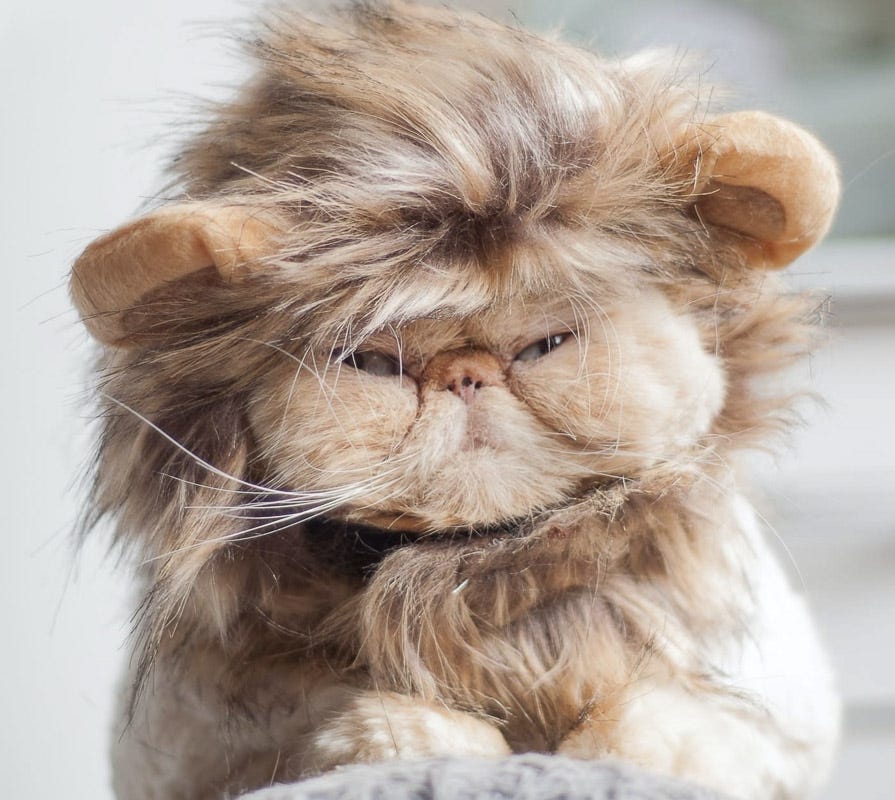
Have you ever noticed how some cats have flat, pushed-in faces that look very different from the typical feline? These unique features belong to a special group called brachycephalic cat breeds.
If you’re curious about what makes these cats so distinctive—and why their face shape matters for their health and care—you’re in the right place. Understanding which cat breeds are brachycephalic will help you make smarter decisions for your furry friend’s well-being.
Keep reading to discover the most popular brachycephalic cats and what you need to know about them.

Credit: wamiz.co.uk
Brachycephalic Traits In Cats
Brachycephalic traits in cats refer to a distinctive skull shape that results in a shortened face and nose. This unique structure gives these cats their charming, flat-faced appearance. However, these features come with both visual appeal and certain challenges for your feline friend.
Physical Characteristics
Brachycephalic cats have a noticeably short and broad skull. Their noses appear flattened, and their jaws are often compressed. These traits create a “pushed-in” face look that many find adorable.
- Large, round eyes set wide apart
- Shortened nasal passages
- Prominent forehead and rounded skull shape
- Compact, sturdy body frame often accompanies the facial features
Breeds like the Persian, Exotic Shorthair, and Himalayan are prime examples. Their unique appearance makes them stand out, but it also means you need to pay attention to specific health and care considerations.
How Brachycephaly Affects Cats
The shortened skull shape can impact a cat’s breathing. Narrowed nasal passages may cause noisy breathing or snoring, especially during sleep or activity.
Eye issues are common because their large eyes are more exposed. This can lead to dryness, irritation, or infections if not properly cared for.
- Difficulty regulating body temperature due to restricted airflow
- Potential dental overcrowding because of compressed jaws
- Higher risk of respiratory infections
Have you noticed your flat-faced cat making unusual breathing sounds or rubbing their eyes frequently? These signs often relate to brachycephalic traits and should prompt a vet visit. Understanding these effects helps you provide better care and ensures your cat stays comfortable and healthy.

Credit: www.shutterstock.com
Popular Flat-faced Cat Breeds
Flat-faced cat breeds, known as brachycephalic cats, have unique facial structures. These cats have short noses and broad heads. Their distinct look makes them popular among cat lovers. Many enjoy their cute, squished faces and plush coats. These breeds often require special care due to their facial shape. Understanding popular flat-faced breeds helps with proper care and love.
Persian Cats
Persian cats are one of the most famous flat-faced breeds. They have long, luxurious fur and a calm personality. Their faces are round with a short nose. Persians often need regular grooming to keep their coats clean. Their flat face can cause breathing issues, so gentle care is essential.
Exotic Shorthairs
Exotic Shorthairs look like short-haired Persians. They share the same flat face but have a dense, plush coat. These cats are playful and affectionate. Their short fur makes grooming easier than Persians. Exotic Shorthairs also need attention to their breathing and eyes due to their facial shape.
Himalayan Cats
Himalayan cats are a mix of Persians and Siamese. They have the flat face of Persians and the color points of Siamese. Their fur is long and soft, requiring regular brushing. Himalayans are gentle and social cats. Their flat faces can lead to health concerns that owners should watch closely.
British Shorthairs
British Shorthairs have a round face, but less flat than Persians. They have dense, short fur and a sturdy build. These cats are calm and friendly, making great pets. Their facial structure is brachycephalic but often causes fewer health problems. Regular checkups help keep them healthy.
Health Concerns Linked To Brachycephaly
Brachycephalic cat breeds have short, broad skulls. This unique structure can lead to various health concerns. Owners should be aware of these potential issues. Understanding them helps in providing better care for these cats.
Respiratory Issues
Cats with brachycephalic features often face breathing challenges. Their shortened nasal passages can cause snoring or wheezing. Sometimes, it can lead to more serious breathing problems. Regular vet visits can help monitor these issues.
Dental Problems
Their compact skulls can crowd teeth. This can result in misaligned teeth and gum disease. Dental hygiene is crucial for these breeds. Regular brushing and check-ups can prevent issues.
Eye Conditions
Brachycephalic cats often have prominent eyes. This makes them prone to eye injuries and infections. Owners should watch for signs of irritation or excessive tearing. Early intervention can prevent serious eye problems.
Care Tips For Flat-faced Cats
Flat-faced cats need special care due to their unique facial structure. Their short noses can cause breathing and eye problems. Caring for these cats requires attention to their grooming, health, and environment. Proper care helps them stay happy and healthy.
Grooming Needs
Flat-faced cats often have folds of skin around their nose and eyes. These folds can trap dirt and moisture. Clean these areas gently every day with a damp cloth. Brush their fur regularly to prevent mats and hairballs. Keep their nails trimmed to avoid scratches during grooming.
Monitoring Health
Watch for signs of breathing trouble, like loud snoring or difficulty breathing. Check their eyes daily for redness or discharge. These cats can have dental issues, so schedule regular vet visits. Keep an eye on their weight to avoid obesity, which strains their breathing. Early detection of problems ensures better care.
Environmental Adjustments
Flat-faced cats are sensitive to heat and humidity. Provide a cool, well-ventilated space for them to rest. Avoid exposing them to strong perfumes or smoke that can irritate their airways. Use soft bedding to reduce pressure on their face. Minimize stress by keeping their environment calm and quiet.
Choosing A Brachycephalic Cat
Choosing a brachycephalic cat requires careful thought and preparation. These cats have unique facial structures that can affect their health and care needs. Understanding these factors helps you provide the best home for your new pet.
What To Consider
Brachycephalic cats often have breathing difficulties. Their short noses can cause snoring and overheating. Eye problems are common due to the shape of their skulls. Grooming needs may be higher because of skin folds. These cats may need regular vet check-ups to monitor health. Think about your ability to meet these needs daily.
Finding A Responsible Breeder
A responsible breeder prioritizes the health of brachycephalic cats. They conduct health tests to avoid genetic problems. Good breeders provide detailed care information and support. Visit the breeder’s facility to see the cat’s living conditions. Ask for health records and lineage papers. Avoid breeders who do not answer questions clearly or refuse visits.

Credit: www.toe-beans.com
Frequently Asked Questions
What Does Brachycephalic Mean In Cat Breeds?
Brachycephalic cats have short, flat faces and broad skulls. This unique shape affects their breathing and appearance. Common brachycephalic breeds include Persians and Exotic Shorthairs.
Which Cat Breeds Are Commonly Brachycephalic?
Popular brachycephalic cat breeds include Persians, Exotic Shorthairs, and Himalayans. These cats have distinct flat faces and rounded heads. Their unique facial structure requires special care.
Are Brachycephalic Cats Prone To Health Issues?
Yes, brachycephalic cats often face breathing difficulties and eye problems. Their facial structure can cause respiratory and dental challenges. Regular vet check-ups are essential for their wellbeing.
How To Care For Brachycephalic Cats Properly?
Brachycephalic cats need gentle grooming and monitoring of breathing. Keep their eyes clean and watch for signs of distress. Provide a calm environment and regular vet visits for best care.
Conclusion
Brachycephalic cat breeds have unique faces and special care needs. These cats often face breathing and health challenges. Knowing their traits helps owners provide better support. Choose a breed that fits your lifestyle and care ability. Loving and caring for these cats brings great joy.
Understanding their needs keeps them happy and healthy. Every cat deserves a safe and comfortable home. Consider all factors before bringing one into your life.


Leave a Reply