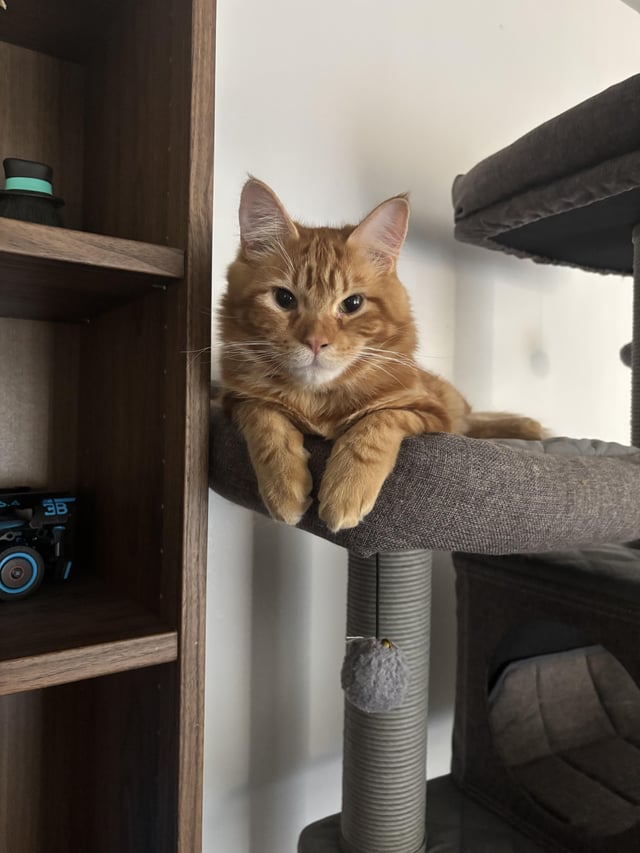
You’ve worked hard to potty train your cat, so it’s confusing and frustrating when they suddenly start pooping on the floor. You might be wondering, “Why would a potty trained cat do this?” This unexpected behavior can feel like a puzzle with no clear answer.
But don’t worry—there are reasons behind it, and understanding them can help you fix the problem quickly. Keep reading to discover the common causes and what you can do to get your cat back on track.
Common Causes Of Indoor Pooping
Seeing your once-perfectly potty trained cat suddenly poop on the floor can be frustrating and confusing. Understanding why this happens is key to solving the problem quickly. Various factors, from health issues to emotional stress, can cause your cat to change its bathroom habits.
Medical Issues In Cats
Health problems are often the hidden cause behind indoor pooping. Conditions like urinary tract infections, constipation, or gastrointestinal issues can make it painful or difficult for your cat to use the litter box.
If your cat suddenly starts pooping outside the box, consider a vet visit. Pain or discomfort can push them to avoid their usual spot.
Litter Box Problems
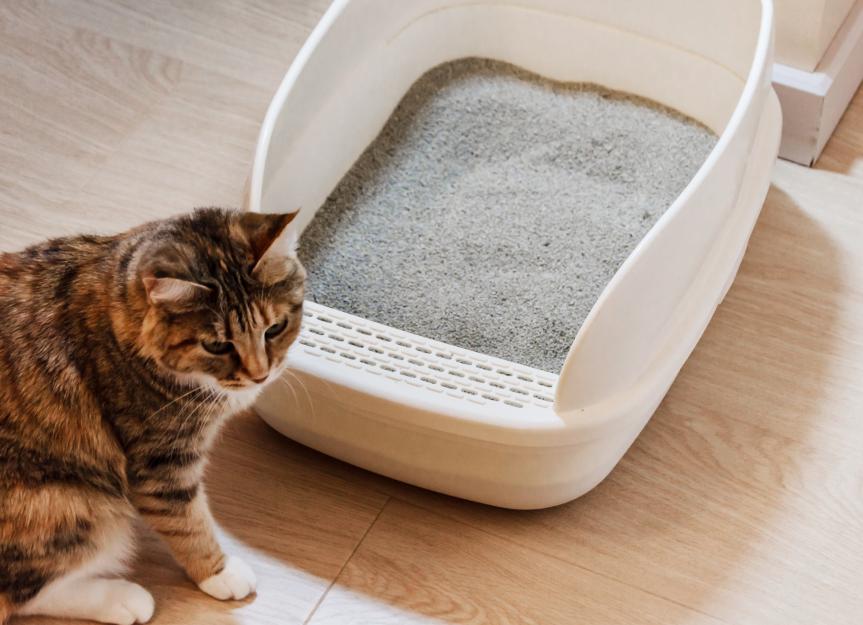
Your cat’s litter box setup plays a huge role in their bathroom behavior. Dirty litter, an uncomfortable box size, or even the type of litter can turn your cat away.
Think about how often you clean the box. Would you want to use a dirty restroom? Cats feel the same way. Also, placing the box in a noisy or hard-to-reach area can discourage use.
Stress And Anxiety
Cats are sensitive creatures. Changes in the household, new pets, loud noises, or even a shift in your routine can stress them out.
Stress can lead to behavioral changes like pooping outside the litter box. Have you noticed any recent changes at home that might unsettle your cat?
Territorial Marking
Sometimes pooping outside the box is a way for your cat to mark territory. This is common in multi-cat households or when a new animal is introduced.
Your cat might be telling others, “This is my space.” Addressing territorial disputes by providing multiple boxes and safe spaces can help reduce this behavior.
Credit: www.petmd.com
Changes In The Home Environment
Changes in the home environment can disrupt even the most well-trained cat’s bathroom habits. Cats are creatures of habit, and their comfort zone relies heavily on stability. When something shifts around them, it can cause confusion or stress, leading to unexpected accidents on the floor.
New Pets Or Family Members
Introducing a new pet or family member can shake up your cat’s sense of security. Your cat might feel threatened or overwhelmed by the newcomer’s presence. This stress can cause them to mark territory in unusual places, including outside their litter box.
Have you noticed your cat acting more withdrawn or aggressive since the new arrival? It’s a sign they might be struggling to adjust. Creating separate safe spaces and gradual introductions can help ease this transition for your cat.
Moving Or Renovations
Moving to a new home or having renovations can change your cat’s environment drastically. The unfamiliar smells, sounds, and altered layout can confuse your cat and make them reluctant to use the litter box. They might also avoid the box if it’s been moved or temporarily unavailable during the chaos.
Try to keep your cat’s litter box in a quiet, consistent spot. If you’re moving, bring familiar items like their bed or toys to the new place to provide comfort. During renovations, maintain a calm space where your cat can retreat and feel safe.
Changes In Routine
Cats thrive on routine, and sudden changes in your schedule can unsettle them. Shifts in feeding times, cleaning the litter box less often, or even your altered work hours can impact your cat’s bathroom habits. They might respond by eliminating outside the box as a form of protest or stress relief.
Ask yourself if any recent changes in your daily life could be affecting your cat. Try to keep feeding and playtime consistent, and clean the litter box regularly to encourage proper use. Small adjustments in your routine can make a big difference for your cat’s comfort.
Litter Box Preferences
Cats may avoid the litter box if it is dirty or smells bad. Changes in the type of litter or box location can also cause accidents. Some cats prefer quiet, private spots for their bathroom needs.
Cats are particular about their litter box preferences. A potty-trained cat might suddenly start pooping on the floor if its litter box needs aren’t met. Understanding these preferences can help maintain a clean and healthy environment for your feline friend.Type Of Litter
Cats have distinct preferences for litter types. Some like clumping litter, while others prefer non-clumping. Texture matters. Fine-grained litter may feel better on their paws. Unscented litter is often a safe choice. Strong fragrances can deter cats from using the box. Experiment with different types to find what suits your cat best.Box Cleanliness
Cats are clean animals. They avoid dirty litter boxes. Scooping the box daily is essential. Change the litter regularly. A clean box encourages regular use. Use mild, cat-safe cleaners to wash the box weekly. A fresh and clean box can prevent accidents on the floor.Box Location
Placement of the litter box is crucial. Cats need privacy but also easy access. Avoid noisy or high-traffic areas. Keep the box away from food and water. A quiet and accessible location makes the box more inviting. Consider placing a box on each floor of your home. This ensures your cat can reach it easily.Behavioral Factors
Behavioral factors often explain why a potty trained cat suddenly poops on the floor. Cats communicate through actions. Changes in their environment or feelings can cause unusual behavior. Understanding these behaviors helps identify the root cause.
Past Traumas
Past trauma can lead to fear or anxiety in cats. A bad experience with the litter box may cause avoidance. Loud noises, sudden changes, or harsh cleaning can scare them. Cats remember such events and act cautiously to protect themselves.
Seeking Attention
Cats sometimes poop outside the litter box to get noticed. They may feel lonely or neglected. Pooping on the floor forces owners to react. This behavior is a call for more playtime, petting, or interaction.
Age-related Changes
Older cats may face health or cognitive issues. Memory loss can confuse them about the litter box location. Arthritis or pain may make using the box difficult. These changes affect their usual habits and cause accidents.
How To Address The Issue
Dealing with a potty trained cat that suddenly starts pooping on the floor can be frustrating and confusing. The key is to tackle the problem with care and patience. Understanding the root cause and applying targeted solutions will help restore good habits quickly.
Veterinary Checkup
Before anything else, schedule a visit to the vet. Health issues like urinary tract infections, constipation, or gastrointestinal problems can cause your cat to avoid the litter box. Identifying and treating any medical conditions will often solve the problem right away.
Have you noticed any changes in your cat’s appetite or behavior? These details can help your vet diagnose the issue more accurately. Remember, your cat can’t tell you what hurts, so your observations are crucial.
Litter Box Management
Check the litter box setup carefully. Is it clean and easy for your cat to access? Cats are very particular about cleanliness, so scooping daily and changing litter regularly can make a big difference.
Try using different types of litter to find your cat’s preference. Also, consider the number of litter boxes—ideally one per cat plus an extra. If the box is in a noisy or hard-to-reach spot, try relocating it to a quieter area.
Reducing Stress
Stress is a common trigger for changes in bathroom habits. Think about any recent changes at home like new pets, visitors, or rearranged furniture. These can unsettle your cat and lead to accidents.
Create a calm environment with plenty of hiding spots and places to climb. Pheromone sprays or diffusers might help soothe your cat. Have you noticed if accidents happen after specific events? Tracking this can reveal stress patterns.
Behavioral Training
Reinforce litter box use with positive reinforcement. Reward your cat immediately after it uses the box with treats or affection. Avoid punishment; it can increase anxiety and make the problem worse.
Sometimes, gently placing your cat in the litter box after meals encourages the habit. If your cat seems confused, try confining them to a small space with the litter box until regular use resumes. Patience and consistency are your best tools here.

Credit: www.reddit.com

Credit: www.reddit.com
Frequently Asked Questions
Why Did My Potty Trained Cat Suddenly Poop Outside?
Cats may poop outside due to stress, illness, or changes in their environment. Litter box cleanliness and location also affect their behavior.
Can Health Issues Cause A Cat To Poop On The Floor?
Yes, medical problems like infections, constipation, or digestive issues can lead cats to avoid the litter box.
How Does Litter Box Cleanliness Impact A Cat’s Habits?
Dirty or smelly litter boxes discourage cats from using them. Regular cleaning keeps cats comfortable and encourages proper use.
Can Anxiety Make A Potty Trained Cat Poop Outside?
Yes, anxiety or stress from new pets, loud noises, or moving can cause cats to poop outside the litter box.
Conclusion
Cats may poop outside their litter box for many reasons. Stress, illness, or a dirty box can cause this behavior. Pay close attention to changes in your cat’s routine or health. Clean the litter box regularly and keep it in a quiet place.
Sometimes, a visit to the vet helps find hidden problems. Understanding your cat’s needs can prevent accidents. Patience and care will help your cat return to good habits. Small changes can make a big difference in their behavior.


Leave a Reply