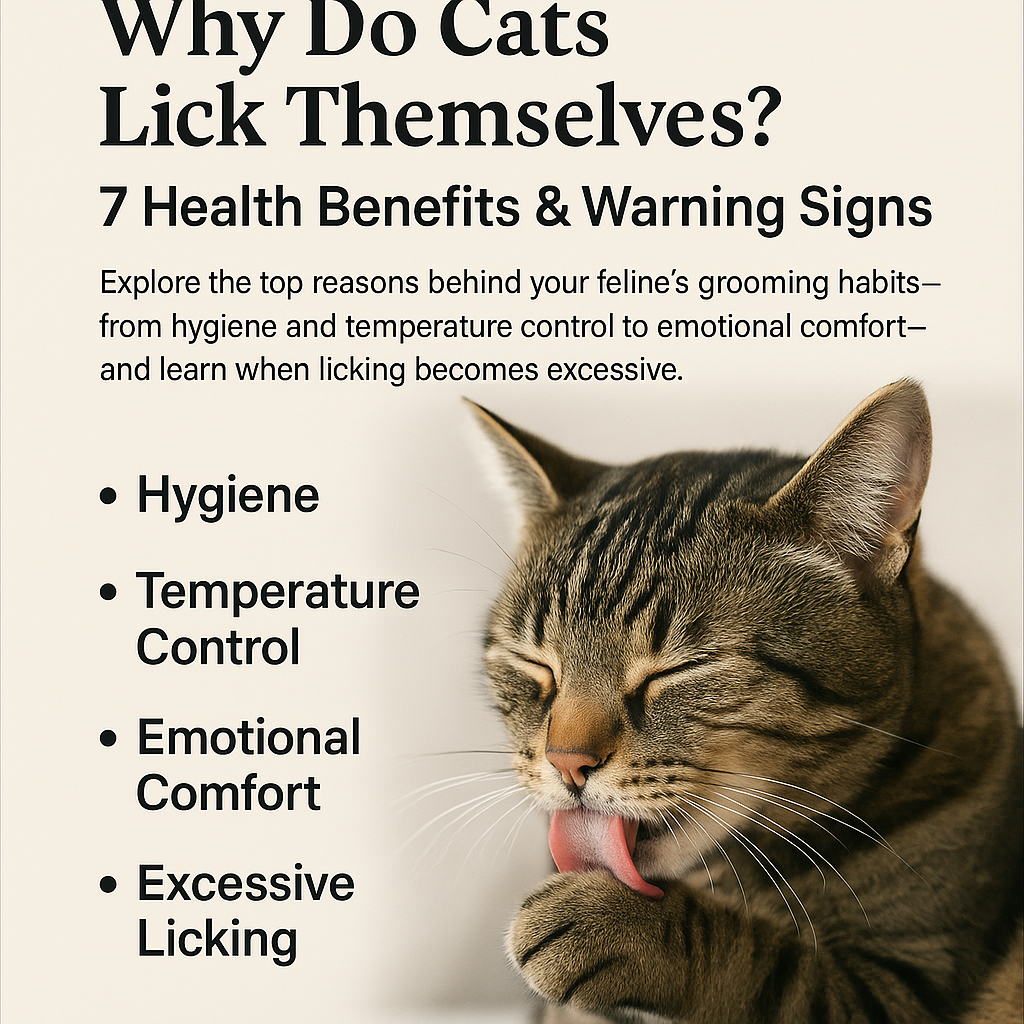
Have you ever watched your cat spend what feels like hours licking her fur and wondered, “Why does my cat constantly groom herself?” It’s natural to be curious—and even a little concerned—when your furry friend seems obsessed with cleaning. Understanding your cat’s grooming habits can reveal a lot about her health, comfort, and emotions.
You’ll discover the surprising reasons behind this behavior and learn how to tell if it’s normal or a sign that something’s wrong. Keep reading to unlock the secrets behind your cat’s nonstop grooming and ensure she stays happy and healthy.
Normal Grooming Habits
Understanding your cat’s normal grooming habits can help you tell when her behavior is healthy or when it might signal a problem. Cats are naturally clean animals, and their grooming routines are an important part of their daily life. Paying attention to how often and how thoroughly your cat grooms herself can give you clues about her well-being.
Daily Grooming Routine
Cats usually spend a good part of their day grooming. You might notice your cat licking her fur, paws, and even her face multiple times a day. This routine helps keep her coat clean and smooth.
Some cats groom more frequently than others, depending on their personality and breed. For example, long-haired cats often need to groom more to prevent mats. Have you ever seen your cat stop mid-groom to focus on a specific spot? That’s perfectly normal and shows she’s paying close attention to her coat.
Benefits Of Self-cleaning
Self-cleaning does more than just keep your cat looking neat. It removes dirt, loose fur, and even parasites that could cause discomfort. Grooming also helps regulate body temperature by spreading natural oils across the fur.
Another benefit is stress relief. Cats often groom to calm themselves in unfamiliar or tense situations. Next time your cat is grooming a lot, consider if she might be feeling anxious or uncomfortable.
Have you noticed how your cat’s grooming habits change after a vet visit or when a new pet arrives? These small changes can tell you a lot about what’s going on in her world.
Stress And Anxiety
Cats often groom themselves more when feeling stressed or anxious. This behavior helps them feel calm and safe. Excessive grooming might signal that your cat needs extra comfort or attention.
Cats are known for their grooming habits. While grooming is normal, excessive grooming might indicate stress and anxiety. Cats may feel stressed due to changes in their environment. New pets, moving homes, or loud noises can trigger anxiety in cats. Understanding these behaviors helps in managing their well-being.Signs Of Stress In Cats
Signs of stress in cats can be subtle. Look for changes in behavior. A stressed cat might hide more often. They may become less social or more aggressive. Changes in appetite and litter box habits are also signals. Increased grooming is a common sign of stress.Grooming As A Coping Mechanism
Grooming helps cats feel calm. It releases endorphins, which are natural stress-relievers. Cats may groom excessively when stressed. This behavior can become a coping mechanism. It helps them manage anxiety. Excessive grooming can lead to bald patches or skin irritation. Recognizing these signs is crucial for their health. Addressing the root cause of stress can reduce excessive grooming.Skin Irritations
Skin irritations can be a major reason why your cat is constantly grooming herself. When cats feel itchy or uncomfortable, they tend to lick and scratch repeatedly to find relief. It’s important to understand what might be causing these irritations so you can help your feline friend feel better.
Allergies And Sensitivities
Allergies are more common in cats than many realize. Your cat might react to certain foods, pollen, dust, or even cleaning products. These triggers cause redness, itching, and inflammation, leading to excessive grooming.
Have you noticed if your cat licks more after you change her diet or use a new detergent? That could be a clue. Try keeping a diary of what your cat is exposed to and see if patterns emerge.
Addressing allergies often means eliminating the cause. You can talk to your vet about hypoallergenic diets or allergy treatments. Sometimes, simply switching to fragrance-free cleaning products helps reduce your cat’s discomfort.
Parasites And Infections
Parasites like fleas and mites are notorious for causing intense itching. Even a single flea bite can send your cat into a frenzy of grooming. These tiny pests irritate the skin and can lead to infections if left untreated.
Look for signs such as small red bumps, scabs, or hair loss. If your cat suddenly starts grooming one spot obsessively, parasites might be the cause. Regular flea prevention is critical, especially during warmer months.
Skin infections, whether bacterial or fungal, also cause your cat to lick persistently. These infections can develop from open sores or untreated irritations. Your vet can perform tests and prescribe medications to clear up infections quickly.

Credit: www.reddit.com
Medical Conditions
When your cat spends an unusual amount of time grooming, it could be more than just a cleanliness habit. Medical conditions often drive this behavior, signaling that something may be off beneath the surface. Understanding these health-related causes can help you spot when your furry friend needs a vet’s attention and prevent further complications.
Hormonal Imbalances
Hormonal changes can disrupt your cat’s normal grooming routine. For example, thyroid problems may cause your cat to groom excessively as a way to soothe skin irritation or anxiety linked to the imbalance.
Have you noticed patches of thinning fur or changes in your cat’s weight alongside increased grooming? These signs often point to hormonal issues that require a vet’s diagnosis and treatment.
Pain And Discomfort
Sometimes, grooming is your cat’s way of coping with pain or irritation. If your cat keeps licking or biting a specific area, it might be trying to relieve discomfort caused by wounds, arthritis, or skin infections.
Consider this: if your cat suddenly focuses grooming on one spot, it’s a red flag. Pain-induced grooming often leads to hair loss or raw skin, which can worsen if untreated.
Environmental Factors
Environmental factors play a big role in a cat’s grooming habits. Changes in the home or daily routine can make a cat feel uneasy. This discomfort often shows up as more frequent grooming. Grooming acts as a way for cats to calm themselves and feel safe.
Changes In Surroundings
Cats are creatures of habit and like familiar spaces. Moving to a new home or rearranging furniture can confuse them. New sounds, smells, or sights can also cause stress. This stress leads to more grooming as a self-soothing behavior. Even visitors or other pets can make a cat feel unsettled.
Impact Of Boredom
A bored cat has extra energy with no outlet. Without play or stimulation, she may groom herself too much. Grooming becomes a way to pass time and feel better. Lack of toys or interaction can increase this behavior. Keeping cats busy helps reduce excess grooming caused by boredom.
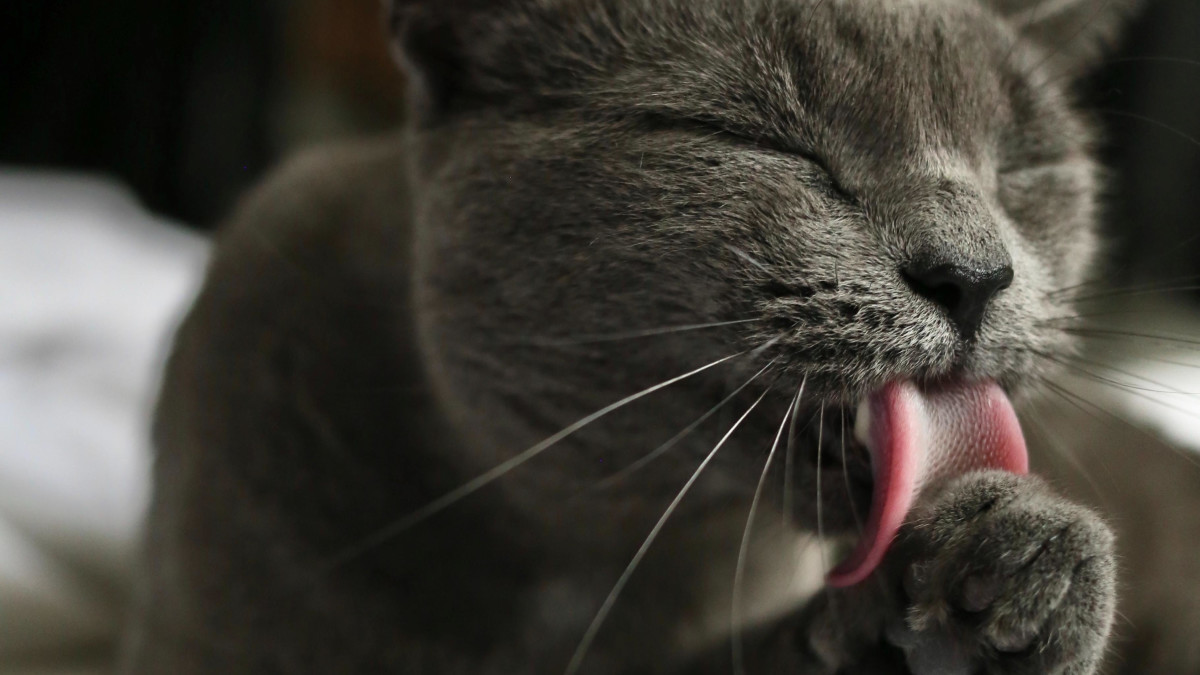
Credit: pethelpful.com
When To See A Vet
Knowing when to see a vet is important if your cat grooms herself too much. Grooming is normal, but constant licking or biting can signal a problem. Early vet visits help catch issues before they get worse. Watch your cat closely to notice any changes in her behavior or skin condition.
Warning Signs To Watch For
- Red or swollen skin
- Bald patches or hair loss
- Open sores or scabs
- Excessive licking or biting
- Changes in mood or energy
- Sudden increase in grooming time
- Signs of pain when touched
These signs suggest your cat might have allergies, infections, or parasites. Do not ignore them. Early treatment can prevent serious health problems.
Preparing For A Vet Visit
Gather information about your cat’s grooming habits. Note how often and where she grooms the most. Take pictures of any skin changes or wounds. Write down any other symptoms or behavior changes.
Bring your cat’s medical records and a list of questions. Use a secure carrier to keep your cat safe and calm. Arrive early to avoid stress and give the vet time to check your cat thoroughly.
Managing Excessive Grooming
Managing excessive grooming in cats requires careful attention and action. Cats may groom too much due to stress, allergies, or health issues. Addressing the root cause helps reduce this behavior. Owners can use both behavioral techniques and medical treatments to help their cats feel better.
Behavioral Strategies
Behavioral changes can calm a cat and lower grooming urges. Provide plenty of playtime to reduce boredom and anxiety. Create a quiet, safe space for your cat to relax. Use interactive toys to keep your cat’s mind busy. Avoid sudden changes in the cat’s environment that may cause stress. Regular routines help your cat feel secure and less nervous.
Medical Treatments
Medical care is important if grooming is due to health problems. A vet can check for allergies, skin infections, or parasites. Prescription medications may stop itching and inflammation. Special shampoos can soothe irritated skin. In some cases, anti-anxiety drugs help reduce stress-driven grooming. Follow the vet’s advice closely for the best results.
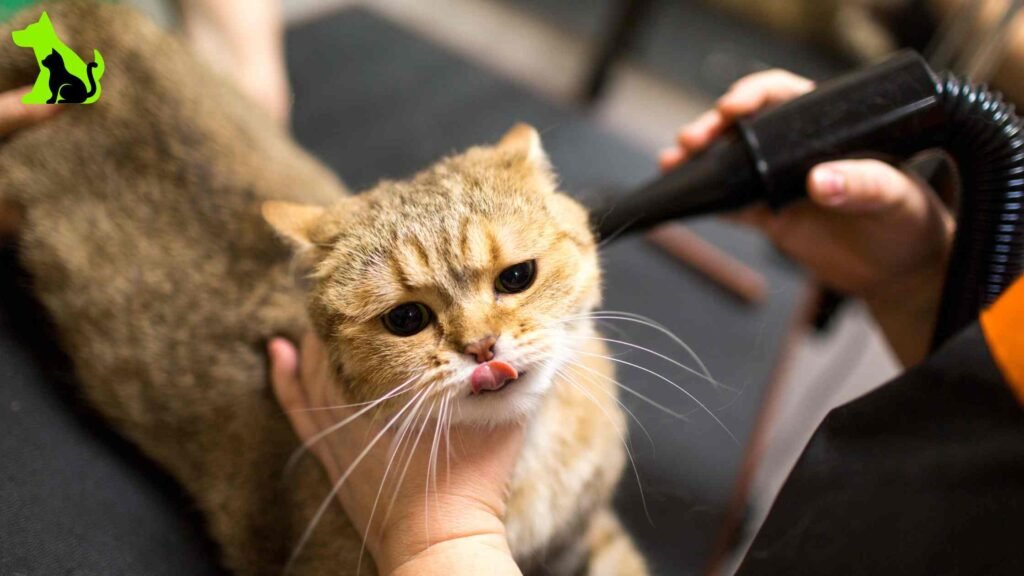
Credit: hellopetsinc.com
Frequently Asked Questions
Why Does My Cat Groom Herself So Often?
Cats groom to clean their fur, remove dirt, and regulate body temperature. Excessive grooming may indicate stress or skin issues.
Can Over-grooming Cause Health Problems In Cats?
Yes, over-grooming can lead to hair loss, skin irritation, and infections. It’s important to monitor and consult a vet if needed.
How Can I Stop My Cat From Over-grooming?
Identify stressors, provide enrichment, and ensure a healthy diet. Consult a vet to rule out medical causes and get treatment.
Is Constant Grooming Normal For All Cats?
While grooming is normal, constant grooming may signal anxiety, allergies, or parasites. Observe your cat’s behavior for any changes.
Conclusion
Cats groom themselves to stay clean and healthy. Constant grooming can mean stress, allergies, or skin problems. Watch your cat’s behavior closely to spot any changes. Regular check-ups with a vet help catch issues early. Give your cat a calm and safe space to relax.
Healthy cats feel happy and groom just the right amount. Understanding your cat’s grooming helps you care for her better. Keep an eye on her habits and act if needed. Your cat’s comfort matters most.


Leave a Reply