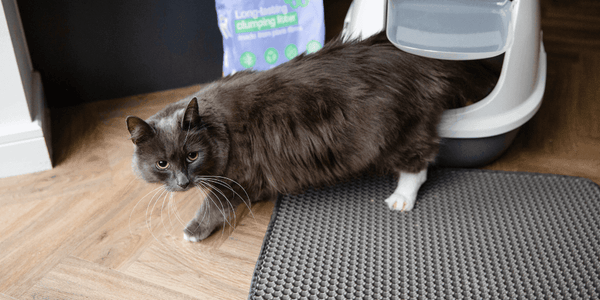
You’ve worked hard to potty train your cat, so it’s frustrating when they suddenly start peeing on the floor. You might be wondering why your well-behaved kitty is acting this way.
Is it a health problem? Stress? Or something else entirely? Understanding the real reasons behind this behavior can help you fix the problem faster and keep your home clean. Keep reading to discover why your potty trained cat might be peeing outside the litter box—and what you can do about it.
Common Causes Of Floor Peeing
When a cat that’s already potty trained starts peeing on the floor, it can be confusing and frustrating. Understanding the common causes can help you tackle the issue effectively. From health to environment, several factors might be at play, and spotting the right one is key to getting your cat back on track.
Medical Issues
Health problems often cause sudden changes in bathroom habits. Urinary tract infections, bladder stones, or kidney disease can make it painful or urgent for your cat to urinate. If your cat is peeing outside the litter box, a vet checkup should be your first step.
Ignoring medical causes can lead to serious complications. Have you noticed your cat straining or meowing while trying to pee? These are clear signals that medical attention is needed.
Stress And Anxiety
Cats are sensitive creatures. Changes in their environment—like moving, new pets, or loud noises—can trigger stress that leads to floor peeing. Sometimes the cause isn’t obvious, but your cat’s behavior might change noticeably.
Think about recent changes in your home. Has your work schedule shifted, or has there been a new visitor? Reducing stressors and creating a calm space can help your cat feel secure again.
Litter Box Problems
Even the most well-trained cat can reject their litter box if it’s not up to their standards. A dirty box, the wrong type of litter, or a box placed in a noisy or hard-to-reach spot can all cause avoidance.
Try cleaning the box more often, switching litter types, or moving the box to a quiet corner. Sometimes, adding an extra litter box can make a big difference for multi-cat households.
Territorial Marking
Floor peeing can also be a way your cat marks territory. This is especially common with unneutered males, but females and neutered cats might do it too when they feel threatened by other animals.
Do you have new pets or see cats outside the window? Your cat might be sending a message. Reducing outdoor cat access or using calming sprays can help manage this behavior.
Medical Reasons Behind Accidents
When your once-perfectly potty trained cat starts peeing on the floor, it can be frustrating and confusing. Often, these accidents are not just about behavior but can signal underlying health issues. Understanding the medical reasons behind these accidents is crucial to help your cat and prevent further problems.
Urinary Tract Infections
Urinary tract infections (UTIs) are a common cause of inappropriate urination in cats. Your cat might feel a constant urge to pee but only pass small amounts, sometimes outside the litter box. This discomfort can make the litter box seem unappealing, leading to accidents on the floor.
Have you noticed your cat licking its genital area more than usual or vocalizing while urinating? These signs point to a possible UTI and should prompt a vet visit immediately.
Kidney Problems
Kidney issues can disrupt your cat’s normal urination patterns. When kidneys don’t function properly, your cat may urinate more frequently or in larger amounts. This can overwhelm their usual bathroom routine and cause accidents.
Pay attention if your cat drinks water excessively or seems more tired than usual. These subtle clues might indicate kidney trouble that needs medical attention.
Diabetes And Other Illnesses
Diabetes is another illness that can cause your cat to urinate outside the litter box. Increased thirst and frequent urination are hallmark symptoms. Your cat might not make it to the litter box in time due to urgency or confusion.
Other illnesses, such as bladder stones or neurological problems, can also interfere with proper bathroom habits. If your cat’s accidents continue despite clean litter boxes and proper training, a thorough medical checkup is essential.
Stress Factors Triggering Floor Peeing
Stress and anxiety often cause cats to pee outside their litter box. Changes in routine, loud noises, or new pets can trigger this behavior. Cats use floor peeing as a way to cope with these uncomfortable feelings.
Potty-trained cats suddenly peeing on the floor can be frustrating and puzzling. Often, stress factors are the culprits behind this unexpected behavior. Understanding these triggers can help you address the issue effectively and restore harmony in your home.Changes In Environment
Cats are creatures of habit, and even minor alterations in their environment can lead to stress. Moving furniture, redecorating, or introducing new scents can unsettle them. A friend once shared how her cat started peeing outside the litter box after she rearranged her living room. By gradually reintroducing familiar items and scents, she was able to ease her cat’s anxiety.New Pets Or Family Members
Introducing a new pet or family member can be overwhelming for your cat. They may feel their territory is threatened, leading to stress-induced peeing. Imagine how you’d feel if a stranger suddenly moved into your home. To help your cat adjust, consider providing them with a quiet space where they can retreat and feel safe.Loud Noises And Disruptions
Cats have sensitive hearing, and loud noises or sudden disruptions can be distressing. Construction work, thunderstorms, or even a noisy party can cause anxiety. If your cat has been peeing on the floor during such events, try creating a calm environment. Soft music or a quiet room can provide comfort and reduce stress levels. Stress factors can significantly impact your cat’s behavior. By recognizing and addressing these triggers, you can help your cat feel more secure and prevent further accidents. Have you noticed any specific changes that might be affecting your cat’s behavior?
Credit: www.reddit.com
Litter Box Issues That Cause Avoidance
Many cats avoid their litter boxes because of issues that make using them unpleasant. These problems cause stress and confusion, leading cats to pee on the floor instead. Understanding these litter box issues helps in solving the problem quickly.
Dirty Litter Boxes
Cats dislike dirty litter boxes. They prefer a clean, fresh place to do their business. If the box smells or has old waste, cats will avoid it. Regular scooping and cleaning keep the box inviting. A dirty box can cause your cat to find other spots to pee.
Wrong Litter Type
Not all cats like the same type of litter. Some prefer fine, soft litter while others avoid scented or clumping types. The wrong litter can feel uncomfortable on their paws. Changing the litter type to one your cat prefers can stop floor peeing. Testing different litters helps find the best fit.
Box Location And Size
The place and size of the litter box matter a lot. Cats want a quiet, private spot away from noise and activity. A box that is too small or cramped makes cats uncomfortable. They need enough room to turn and dig. Moving the box to a calm area and choosing a bigger size can improve usage.
Territorial And Behavioral Reasons
Cats are naturally territorial animals. Their behavior often reflects a need to claim and protect their space. Peeing outside the litter box can signal deeper territorial or behavioral issues. Understanding these reasons helps address the problem effectively.
Marking Territory
Cats use urine to mark their territory. This action warns other cats to stay away. Even a potty-trained cat may spray or pee on the floor to mark new or changed areas. Changes in the home, like new furniture or visitors, can trigger this behavior.
Conflict With Other Cats
Living with multiple cats can cause stress and fights over space. Cats may pee on the floor to assert dominance or respond to threats. This behavior helps them feel safer and more in control. Resolving conflicts and providing separate resources can reduce this issue.
Attention-seeking Behavior
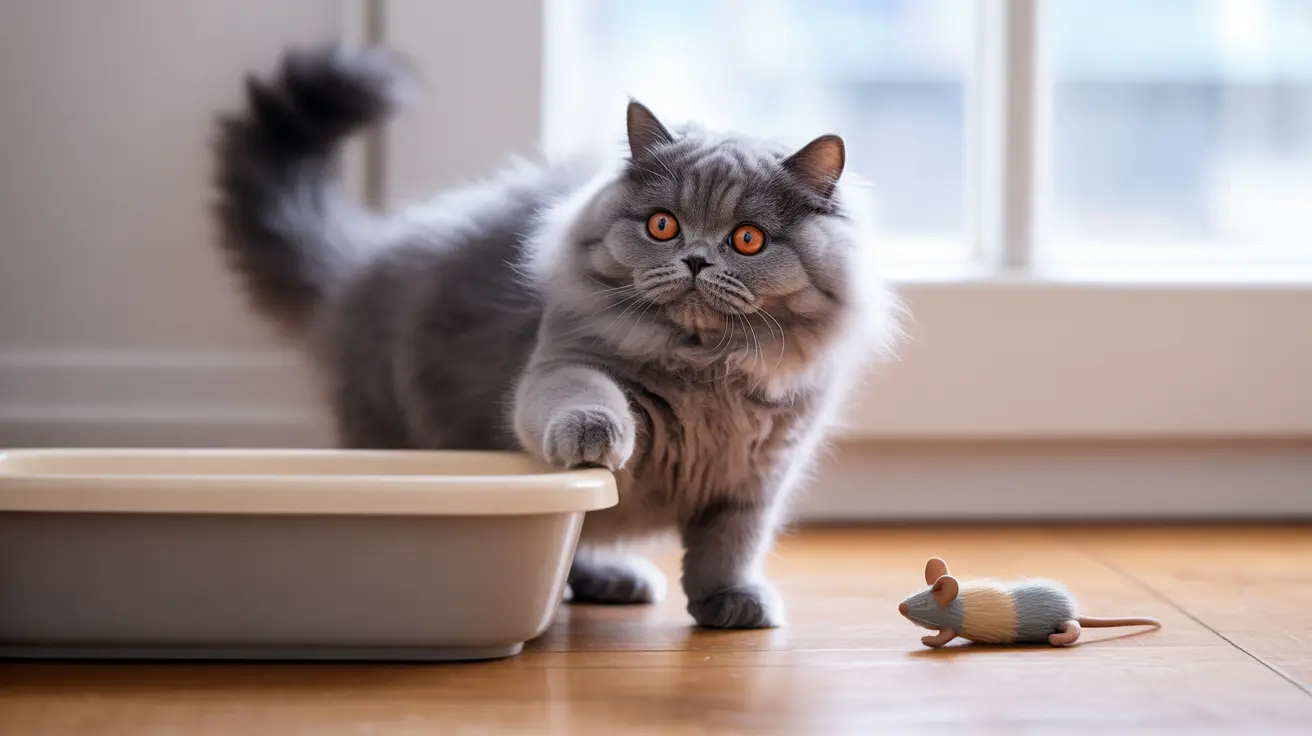
Sometimes cats pee on the floor to get attention. This happens if they feel ignored or lonely. The cat learns this behavior brings a reaction from owners. Giving more playtime and affection can help stop attention-seeking urination.
Credit: www.petscare.com
Steps To Stop Floor Peeing
Stopping a cat from peeing on the floor takes patience and care. Understanding why your cat avoids the litter box helps find the right solution. Follow clear steps to encourage good bathroom habits again.
Veterinary Checkup
Start with a vet visit to rule out health problems. Urinary tract infections and bladder issues cause sudden accidents. The vet can provide medicines or treatments if needed. Early diagnosis prevents discomfort and repeated floor peeing.
Improving Litter Box Setup
Check the litter box size and cleanliness. Cats prefer a clean, quiet, and easily accessible box. Use unscented, clumping litter for better comfort. Provide multiple boxes if you have many cats or a large home. Change litter regularly to avoid odors that repel your cat.
Reducing Stress
Stress triggers inappropriate urination in cats. Loud noises, new pets, or changes in routine upset cats. Create a calm environment with hiding spots and gentle play. Use pheromone diffusers or calming sprays to ease anxiety. Keep feeding and playtime on a regular schedule.
Behavioral Training Tips
Reward your cat for using the litter box. Clean accidents with enzyme cleaners to remove odors. Avoid punishment, which increases stress and worsens the problem. Gently guide your cat back to the litter box after accidents. Consistency and patience improve behavior over time.
Credit: www.petscare.com
Frequently Asked Questions
Why Do Potty Trained Cats Suddenly Pee On Floors?
Cats may pee on floors due to stress, illness, or litter box issues. Changes in environment or health problems can cause this behavior. Always check for medical causes first and ensure the litter box is clean and accessible.
Can Medical Issues Cause Cats To Pee Outside Litter Box?
Yes, urinary tract infections and bladder problems often cause cats to urinate outside the litter box. A vet visit is essential to diagnose and treat these conditions promptly.
How To Stop Cats From Peeing On The Floor Again?
Identify and remove stressors, keep the litter box clean, and consult a vet for health checks. Use enzymatic cleaners to remove odors and discourage repeat accidents.
Does Litter Box Type Affect Cat’s Peeing Habits?
Yes, cats may dislike certain litter types or box styles. Experiment with different litters and boxes to find your cat’s preference, promoting proper use.
Conclusion
Cats peeing outside the litter box can feel frustrating. Many reasons cause this behavior, like stress, health issues, or dirty litter. Watch your cat closely to spot any changes. Keep the litter box clean and in a quiet place. Visit a vet to rule out medical problems.
Patience and care help your cat feel safe again. Small steps can stop unwanted accidents. Understanding your cat’s needs improves your bond. It takes time, but your cat can return to good habits. Stay calm and keep trying.


Leave a Reply