If you have a cat, you know grooming can quickly turn into a challenge. Your furry friend might squirm, scratch, or run away the moment you bring out the brush or nail clippers.
But what if you could make grooming easier and less stressful for both you and your cat? You’ll discover simple, effective ways to gently subdue your cat during grooming. These tips will help you stay calm, keep your cat comfortable, and get the job done quickly.
Keep reading to learn how to turn grooming time into a smoother, safer experience for you and your beloved pet.

Credit: www.latimes.com
Preparing Your Cat For Grooming
Preparing your cat for grooming is a crucial step that can make the entire process smoother and less stressful for both of you. Cats are sensitive creatures, and how you set the stage before grooming can either calm them down or send them into a frenzy. Understanding the best time to groom, creating a peaceful space, and having all the right tools ready will help you manage your cat’s behavior effectively.
Choosing The Right Time
Pick a moment when your cat feels relaxed and not overly energetic. After a meal or a play session, cats tend to be calmer and more cooperative. Avoid grooming when your cat is hungry, sleepy, or anxious, as these states can make them more resistant.
Have you noticed how your cat’s mood shifts throughout the day? Use this to your advantage by observing their natural calm periods. This simple timing trick often reduces the struggle during grooming.
Setting Up A Calm Environment
Create a quiet space free from loud noises and distractions. Turn off the TV and keep other pets away to minimize stress. Soft lighting and a comfortable surface, like a towel or a cat bed, can help your cat feel secure.
Use gentle, reassuring tones when you talk to your cat. Your calm presence is contagious and can ease their anxiety. Have you ever seen how a quiet room helps your cat settle? That same tranquility is essential during grooming.
Gathering Essential Tools
Prepare all grooming tools before you start to avoid leaving your cat unattended. Essential items include a gentle brush suitable for your cat’s fur type, nail clippers, and cat-safe wipes or shampoo if bathing is involved.
- Soft-bristle brush for short-haired cats
- Wide-tooth comb for long-haired cats
- Sharp, small nail clippers
- Towel for drying or calming
Having these items within reach prevents last-minute scrambles and keeps the session controlled. Can you imagine trying to find tools mid-grooming while your cat is already restless? Being prepared keeps both of you calm and focused.

Credit: www.latimes.com
Techniques To Calm Your Cat
Calming a cat before grooming helps reduce stress for both of you. Cats feel safer with gentle handling and a calm voice. Using positive reinforcement makes grooming a better experience. Some products can also ease your cat’s anxiety. These simple techniques create trust and make grooming easier.
Using Gentle Touch And Voice
Start by petting your cat softly. Use slow, gentle strokes along the back and head. Speak in a low, calm voice to soothe your cat. Avoid sudden movements or loud noises. Let your cat get used to your touch before grooming begins. This helps build trust and relaxes your pet.
Incorporating Treats And Rewards
Offer small treats during and after grooming sessions. Choose your cat’s favorite snacks to encourage good behavior. Praise your cat softly while giving treats. This creates a positive link with grooming. Over time, your cat will expect rewards and feel less nervous.
Applying Pheromone Sprays
Pheromone sprays mimic natural cat calming scents. Spray a small amount on your hands or grooming tools. These scents help reduce anxiety and create a peaceful environment. Use pheromone sprays a few minutes before grooming starts. Many cats respond well and stay calmer longer.
Safe Holding And Restraint Methods
Gently wrapping a cat in a towel helps keep it calm and still during grooming. Supporting the cat’s body securely reduces stress and prevents injury. Staying calm and speaking softly makes the process easier for both you and the cat.
Safe Holding and Restraint Methods Grooming a cat can be a challenging task. Ensuring the cat feels safe is crucial. Proper holding techniques can make the process smoother. Let’s explore some effective methods.Using Towels For Swaddling
Swaddling a cat in a towel creates a sense of security. This method is also known as the “cat burrito.” It restricts movement gently without causing stress. To begin, spread a towel on a flat surface. Place the cat in the middle, leaving the head exposed. Gently wrap one side of the towel over the cat, followed by the other side. This keeps the cat calm and reduces squirming.Proper Hand Placement
Correct hand placement is vital for safe restraint. Always support the cat’s chest and abdomen. Use your palm to cradle under the chest, lifting slightly. Keep the other hand over the back for added support. Avoid holding the cat too tightly. A firm but gentle grip is best. This prevents stress and keeps the cat at ease.Avoiding Common Mistakes
Common mistakes can make grooming difficult. Avoid holding the cat by the scruff. This can cause discomfort and fear. Never force the cat into a position. Be patient. Give the cat time to adjust. Provide breaks if the cat shows signs of stress. This ensures a positive grooming experience.Step-by-step Grooming Tips
Grooming your cat can be a challenge, especially if they resist every attempt. However, breaking down the process into manageable steps helps both you and your cat stay calm. Here are practical tips to make grooming less stressful and more effective for both of you.
Brushing Without Stress
Start by choosing a brush suitable for your cat’s fur type. A soft-bristled brush works well for short-haired cats, while a comb or deshedding tool suits long-haired breeds.
Let your cat sniff and explore the brush before you begin. This small step can reduce fear and build trust.
Brush in the direction of the fur growth, using gentle strokes. If your cat shows signs of discomfort, pause and offer a treat or gentle petting. Have you noticed how a calm voice can change your cat’s mood during brushing?
Nail Trimming Made Easy
Choose a quiet time when your cat is relaxed or sleepy. Sit in a comfortable spot and hold your cat securely but gently.
Use sharp, specifically designed nail clippers. Trim only the sharp tips to avoid cutting into the quick, which causes pain and bleeding.
If your cat struggles, try wrapping them in a towel with one paw exposed. This simple trick keeps them calm and protects you from scratches. How do you think your cat feels when you handle their paws slowly and confidently?
Bathing Techniques For Cats
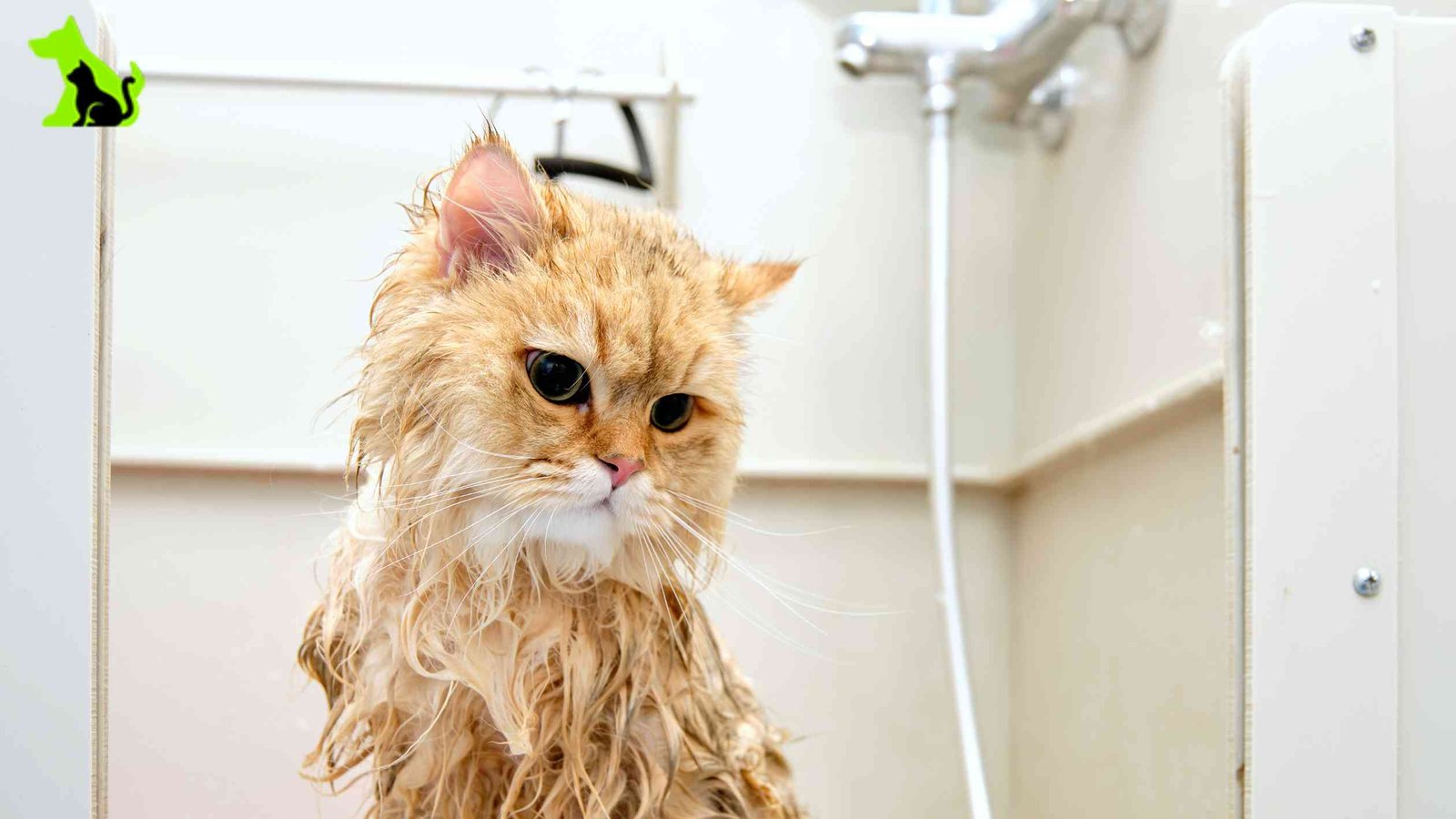
Many cats dislike water, but baths are sometimes necessary. Use warm water and a cat-friendly shampoo to avoid irritation.
Place a rubber mat in the sink or tub to prevent slipping. Speak softly to your cat throughout the bath to reassure them.
Rinse thoroughly and dry your cat quickly with a towel. Some cats tolerate a gentle blow-dry on low heat, but watch for signs of stress. Have you tried making bath time a short and calm experience to reduce your cat’s anxiety?
Handling Difficult Situations
Handling difficult situations during cat grooming can challenge even the most patient pet owners. Cats may react unpredictably when they feel threatened or stressed. Knowing how to manage these moments calmly and effectively can make a big difference in your grooming routine.
Dealing With Aggressive Behavior
Aggression often stems from fear or discomfort. If your cat lashes out, pause and give them space. Trying to force grooming during these moments usually escalates the behavior.
Watch for signs like hissing, growling, or flattened ears. Respond by speaking softly and moving slowly to help your cat feel safer. Sometimes, distracting your cat with a favorite treat or toy can redirect their focus.
When To Seek Professional Help
There are times when professional groomers or veterinarians are the best option. If your cat’s resistance is persistent or severe, a trained expert can manage the grooming safely.
Professionals know how to handle difficult cats without causing harm. Don’t hesitate to ask your vet for recommendations if you’re struggling. Could trusting someone else relieve your stress and protect your cat’s well-being?
Using Muzzles And Protective Gear
Protective gear can safeguard both you and your cat during grooming. Soft muzzles designed for cats prevent bites without causing distress.
Gloves with thick material shield your hands from scratches. Always ensure any gear fits comfortably and doesn’t cause pain. Using these tools responsibly can help you complete grooming tasks with less risk.
Post-grooming Care
Post-grooming care is a key part of keeping your cat happy and healthy. After grooming, your cat may feel tired or stressed. Gentle care helps your cat relax and enjoy future grooming sessions. Proper care also keeps your grooming tools clean and safe to use next time.
Rewarding And Reassuring Your Cat
Give your cat a soft voice and gentle petting. Offer a favorite treat or a small snack. This helps your cat connect grooming with positive feelings. Stay calm and patient. Let your cat rest in a quiet spot. Praise your cat softly to build trust.
Cleaning And Storing Grooming Tools
Clean brushes, combs, and scissors after each use. Remove hair and dirt with warm water and mild soap. Dry tools completely to avoid rust or damage. Store tools in a dry, safe place. This keeps them ready and safe for the next grooming.
Monitoring For Stress Signs
Watch your cat for signs of stress after grooming:
- Hiding or avoiding contact
- Excessive licking or scratching
- Changes in eating or sleeping habits
- Growling or hissing when approached
Notice these signs early to help your cat calm down quickly. Give extra attention and comfort if needed. If stress lasts long, consult a veterinarian for advice.

Credit: danspetcare.com
Frequently Asked Questions
How Can I Calm My Cat Before Grooming?
To calm your cat, use gentle petting and soft voices. Offer treats to create positive associations. A quiet environment reduces stress. Use a towel wrap if needed to prevent sudden movements. Consistency and patience help cats feel secure during grooming sessions.
What Tools Help Subdue A Cat Safely For Grooming?
Use a grooming towel to gently wrap your cat. Soft brushes and combs designed for cats reduce discomfort. Gloves protect your hands from scratches. Avoid loud clippers or sharp tools that may scare the cat. Proper tools improve safety and comfort for both of you.
How Long Should Grooming Sessions Last For Anxious Cats?
Keep grooming sessions short, around 5 to 10 minutes. Gradually increase time as the cat gets used to it. Frequent breaks help reduce stress and prevent agitation. Short, positive sessions build trust and make grooming easier over time.
Is It Safe To Use Sedatives For Cat Grooming?
Sedatives should only be used under veterinary guidance. They are reserved for highly anxious or aggressive cats. Misuse can cause health risks or complications. Always consult your vet before considering sedation for grooming purposes.
Conclusion
Subduing a cat for grooming takes patience and care. Speak softly and move slowly to keep your cat calm. Use gentle restraint to avoid stress or injury. Reward your cat with treats and praise afterward. Regular grooming helps your cat stay healthy and happy.
Practice these steps often to build trust and ease. Remember, every cat is different—stay patient and kind. Grooming can become a positive time for both of you.

Leave a Reply