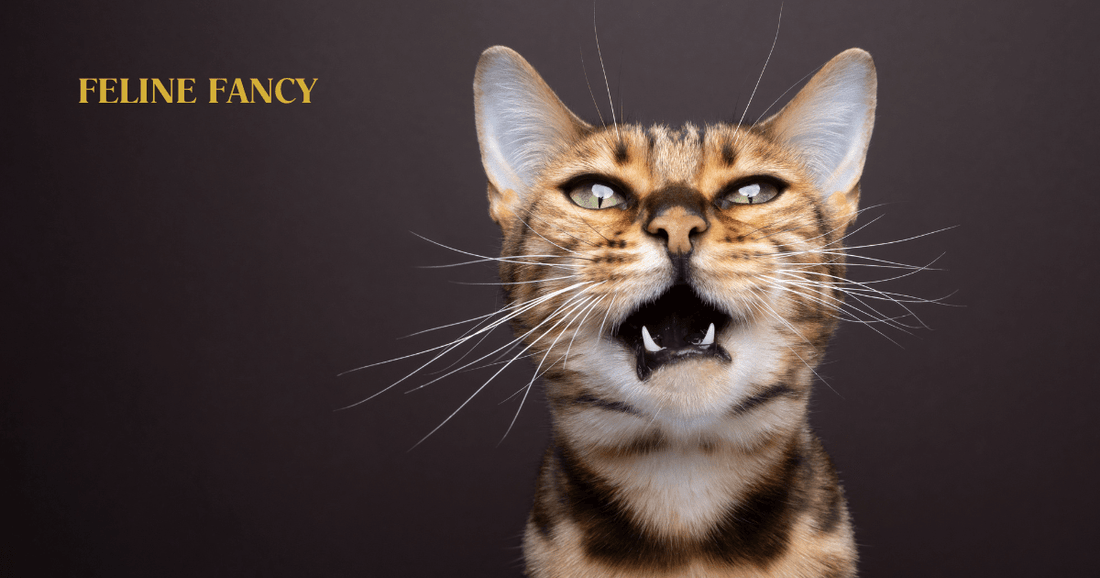
Have you ever wondered why your cat suddenly starts meowing loudly at night? If you’re tired of sleepless nights filled with mysterious meows, you’re not alone.
Some cat breeds are more vocal after dark, and understanding which ones can help you find peace and better connect with your furry friend. You’ll discover the cat breeds that meow at night, why they do it, and what you can do to calm those late-night serenades.
Keep reading to unlock the secrets behind your cat’s nighttime chatter and finally get the rest you deserve.
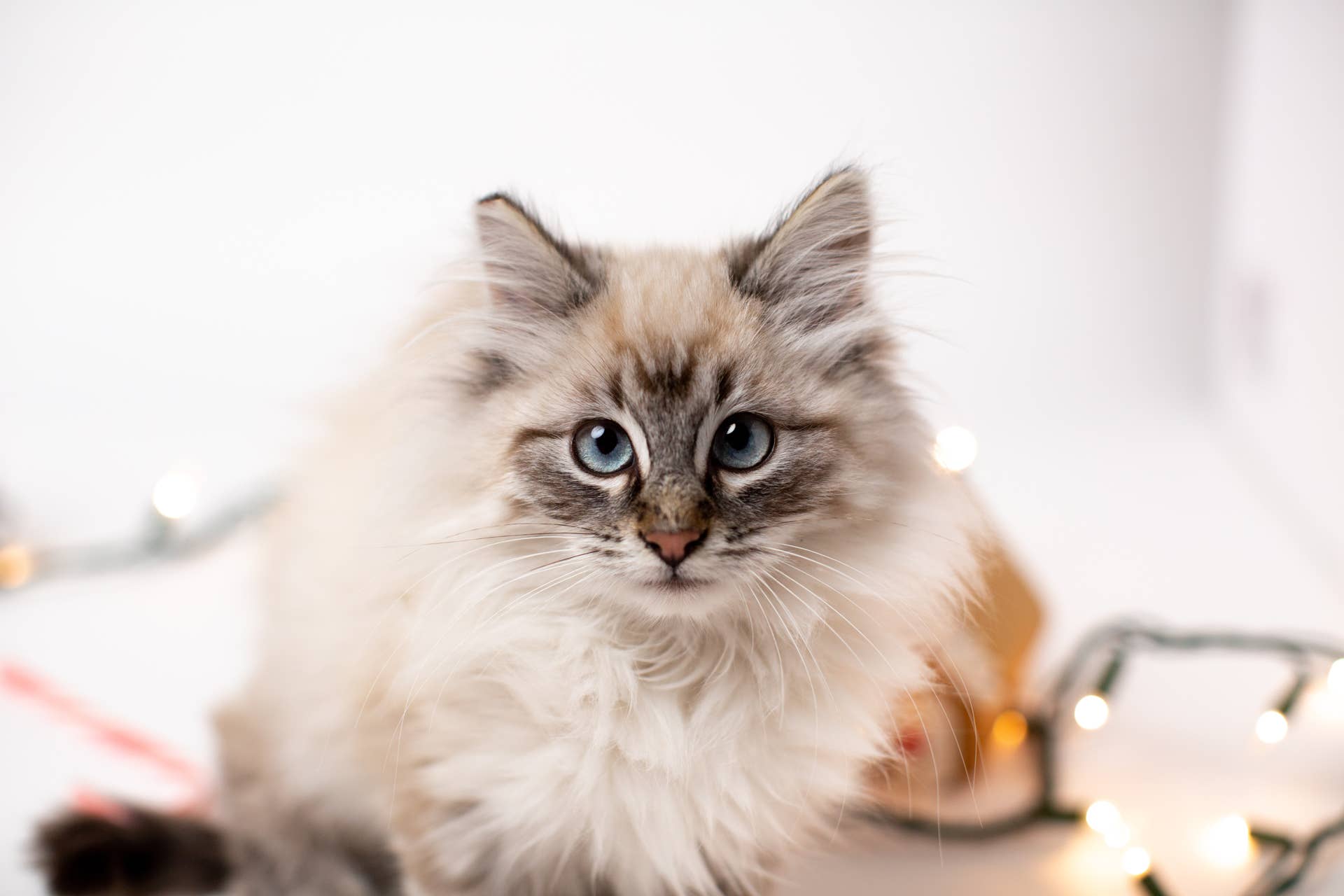
Credit: pethelpful.com
Nocturnal Behavior In Cats
Cats often meow and move around at night. This behavior comes from their natural habits. Many cats show signs of being more active after dark. Understanding why they act this way helps owners care for them better. Nocturnal behavior is common in many cat breeds.
Why Cats Are Active At Night
Cats are hunters by nature. Their prey is mostly active at night. This makes cats more alert during nighttime. Bright daylight makes cats rest and sleep more. Nighttime gives them the best chance to hunt. This instinct remains strong even in house cats.
Evolutionary Roots Of Nighttime Activity
Wild ancestors of cats hunted at night. They used the dark to sneak up on prey. Their eyes adapted to see well in low light. This gave them an advantage over other animals. Domestic cats inherited this trait. It explains why many cats prefer night activity.
Cat Breeds Known For Nighttime Vocalizing
Some cat breeds are more vocal at night, turning quiet evenings into lively conversations. Understanding which breeds meow after dark can help you prepare for their nighttime chatter and know what to expect. These cats often use their voices to communicate needs, seek attention, or express curiosity during the quiet hours.
Siamese Cats
Siamese cats are famously talkative, and their vocal activity often peaks at night. They use a loud, distinctive meow to get your attention or express their feelings. If your Siamese wakes you up, it’s usually because they want interaction or are curious about what’s going on.
Have you noticed your Siamese’s meows changing in tone? They can vary from soft and sweet to demanding and loud, depending on their mood. This breed thrives on social interaction, so ignoring their nighttime calls might lead to more persistent vocalizing.
Bengal Cats
Bengals are energetic and vocal, especially when they sense activity around them at night. Their meows often sound more like chirps or trills, adding a unique flavor to their nighttime conversations. Bengals can be restless after dark, vocalizing to signal their playful mood or alertness.
Consider providing stimulating toys or playtime before bed to help calm your Bengal. This simple step can reduce those late-night meows and make your nights more peaceful. What activities does your Bengal respond to best before bedtime?
Oriental Shorthairs
Oriental Shorthairs are closely related to Siamese cats and share their talkative nature. They tend to be very expressive with a wide range of vocal sounds, often becoming more vocal in the quiet hours. Their nighttime meowing can be a way of seeking companionship or expressing boredom.
Try setting up a cozy spot near your bedroom for your Oriental Shorthair to feel close without disturbing your sleep. Have you tried using interactive feeders or puzzle toys to keep them engaged at night? These can help redirect their vocal energy.
Maine Coons
Maine Coons are known for their gentle, chirping meows rather than loud yowls. However, they do vocalize at night, often communicating curiosity or checking in with you. Their meows are usually soft, but persistent vocalizing can occur if they feel lonely or want attention.
Offering a nighttime routine that includes gentle petting or a warm place to sleep might reduce their need to call out. How does your Maine Coon react when you acknowledge their nighttime meows? Sometimes, a little attention can go a long way.
Reasons Cats Meow At Night
Certain cat breeds like Siamese and Bengal are known for meowing more at night. These vocal cats often seek attention or express their needs during quiet hours. Understanding breed traits helps explain why some cats are noisier after dark.
Cats are known for their nocturnal habits. Their nighttime meowing can be puzzling. This behavior often has specific reasons. Understanding them can help address your cat’s needs. Let’s explore why cats meow at night.Seeking Attention Or Companionship
Cats might meow for attention. They enjoy human interaction. At night, they could feel lonely. Your cat might want you to play or cuddle. Spending time with them before bed can help.Hunger And Thirst
A hungry or thirsty cat will meow. Ensure their food and water bowls are full. Some cats need more frequent meals. Adjust feeding times to suit their schedule.Health Issues Or Discomfort
Meowing might signal discomfort. Cats with health problems often vocalize more. Pain, illness, or stress can cause this. Regular vet check-ups are important. Pay attention to changes in their behavior.Territorial And Environmental Triggers
Cats are territorial animals. Nighttime noises can disturb them. Strange sounds or sights can trigger meowing. Secure your home environment. Reduce external disturbances to calm them.
Credit: felinefancy.co.uk
How To Manage Nighttime Meowing
Nighttime meowing can disrupt your sleep and cause stress. Understanding how to manage this behavior helps both you and your cat rest better. Consistent routines and a calm environment reduce night sounds. Also, paying attention to health and training improves quiet nights.
Establishing A Night Routine
Set a regular time for feeding your cat before bedtime. Play with your cat during the evening to tire them out. Create a calm, quiet space for sleeping. Avoid giving attention to meowing at night. This teaches your cat that quietness brings comfort.
Environmental Enrichment
Provide toys and scratching posts to keep your cat busy. Use puzzle feeders to stimulate their mind and slow eating. Leave a night light on to reduce fear of the dark. Make sure your cat has access to water and a clean litter box. A happy cat is less likely to meow at night.
Addressing Medical Concerns
Check for any signs of illness or pain. Older cats may have cognitive issues causing night noises. Schedule a vet visit for unusual or sudden changes in behavior. Treating health problems often reduces nighttime vocalizing. Never ignore persistent or loud meowing.
Training Techniques
Ignore nighttime meowing to avoid reinforcing the behavior. Reward quiet behavior with treats or affection during the day. Use gentle sounds or a soft voice to calm your cat. Avoid yelling or punishment, which increases anxiety. Consistency is key for training success over time.
When To Consult A Veterinarian
Knowing when to consult a veterinarian is crucial if your cat meows loudly at night. While some breeds are naturally more vocal, persistent or unusual nighttime meowing can signal health or behavioral problems. Paying close attention to your cat’s overall condition helps you decide when it’s time to seek professional advice.
Signs Of Distress Or Illness
Watch for sudden changes in your cat’s vocal patterns combined with signs of pain or discomfort. If your cat cries out sharply, seems restless, or avoids movement, it could indicate an injury or illness. Other warning signs include vomiting, diarrhea, or a loss of appetite.
Sometimes, cats meow at night because they feel unwell but can’t tell you directly. If your cat’s meowing is accompanied by heavy breathing, limping, or unusual hiding, don’t delay a vet visit. Early detection of health issues often leads to better treatment outcomes.
Behavioral Changes To Watch For
Changes in behavior can also hint at underlying problems. Has your cat become unusually aggressive, withdrawn, or disoriented at night? These shifts might suggest anxiety, cognitive decline, or other issues needing veterinary attention.
Consider whether your cat’s environment has changed recently, as stress can cause nighttime vocalization. However, if calming strategies don’t help and the meowing persists, a vet can help rule out medical causes. Would you want to wait until your cat’s condition worsens before seeking help?

Credit: www.reddit.com
Frequently Asked Questions
Which Cat Breeds Are Most Vocal At Night?
Siamese, Oriental Shorthair, and Bengal cats are known for nighttime vocalizing. They often meow to seek attention or express discomfort. These breeds are naturally social and active, making them more likely to meow after dark.
Why Do Some Cats Meow More During Nighttime?
Cats are crepuscular, meaning they are most active at dawn and dusk. Nighttime meowing can signal hunger, loneliness, or health issues. Understanding your cat’s needs helps reduce excessive night vocalizations.
How Can I Reduce My Cat’s Nighttime Meowing?
Provide interactive toys, regular playtime, and consistent feeding schedules. Creating a comfortable sleeping environment can also help. If meowing persists, consult a vet to rule out medical problems.
Are All Cats Prone To Meowing At Night?
No, not all cats meow at night. Vocal behavior varies by breed and individual personality. Some cats are naturally quiet, while others are more communicative and active after dark.
Conclusion
Certain cat breeds tend to meow more at night. They seek attention or feel lonely. Some cats are naturally more vocal. Understanding your cat’s breed helps you respond better. Meeting their needs can reduce nighttime meowing. Patience and care make a big difference.
Every cat is unique with its own habits. Knowing why cats meow at night helps owners. Quiet nights become possible with the right approach. Caring for your cat creates a happy home.


Leave a Reply