Have you ever wondered if you can teach your cat to use the bathroom outside instead of a litter box? If you’re tired of cleaning up messes or dealing with litter dust, this idea might sound like a game-changer.
But is it really possible to potty train cats to go outside? You’ll discover the surprising truth about cat potty training, practical tips that work, and what to expect along the way. Keep reading to find out how you can make your life—and your cat’s life—a little easier.
Benefits Of Outdoor Potty Training
Potty training cats to go outside offers many benefits for both pets and owners. It helps create a cleaner home environment and supports your cat’s natural habits. Outdoor potty training can improve your cat’s health, reduce waste issues, and encourage better behavior.
Health And Hygiene Advantages
Outdoor potty training keeps litter boxes cleaner inside the house. It reduces odors and the spread of bacteria. Cats enjoy digging and covering waste in natural soil. This activity supports their instinct and helps prevent infections. Less indoor waste means fewer chances of allergies and germs.
Environmental Impact
Using the outdoors for potty reduces the need for disposable litter. This lowers the waste sent to landfills. It also cuts down on the production and transport of litter products. Natural decomposition outside is faster and safer for the environment. Cats’ waste helps fertilize soil, supporting plants and insects.
Behavioral Improvements
Outdoor potty training encourages natural cat behaviors. Cats gain more confidence and independence. It can reduce stress and destructive habits like scratching furniture. Exploring outside stimulates their senses and keeps them active. A happier cat often means a stronger bond with its owner.
Choosing The Right Outdoor Spot
Choosing the right outdoor spot for potty training your cat is crucial for success. The location should be easy for your cat to access but also safe and comfortable. Picking a spot with the right conditions can encourage your cat to use it consistently, making the training smoother for both of you.
Safe And Accessible Locations
Your cat needs a spot that feels secure and is easy to reach. Avoid areas near busy roads or places where dogs often roam. A quiet corner of your yard or garden that your cat can get to without obstacles works best.
Think about your cat’s mobility too. Older cats or those with health issues might struggle with rough terrain or steep stairs. Choosing a flat, open area can make a big difference.
Privacy For Your Cat
Cats prefer privacy when they use the bathroom. They feel vulnerable during this time, so a spot that offers some cover is ideal. You can use bushes, tall grass, or even a small fenced section to give your cat a sense of security.
Have you noticed how your cat behaves when using the litter box? Mimicking that environment outside can help. Privacy helps your cat relax and makes accidents less likely.
Weather Considerations
Weather affects your cat’s willingness to use an outdoor potty spot. Avoid placing the spot where it gets flooded or too muddy after rain. Excessive heat or cold can also deter your cat from going outside.
Think about shade for hot days and some wind protection for colder seasons. You might even want to adjust the spot with the seasons, moving it to a sunnier or shadier place as needed.
Preparing Your Cat For Outdoor Training
Preparing your cat for outdoor potty training needs patience and care. Cats feel safe in familiar places. Sudden changes can cause stress or fear. Start slowly to help your cat adjust. A calm, positive environment makes learning easier. Understanding your cat’s habits helps create a smooth transition. Outdoor training takes time and consistency.
Gradual Introduction To Outside
Begin by letting your cat explore a small outdoor area. Stay close to provide comfort. Let your cat sniff and observe at their own pace. Short visits work best at first. Increase outdoor time as your cat grows comfortable. Avoid forcing your cat outside. The goal is to build trust and curiosity.
Using Positive Reinforcement
Reward your cat with treats or praise for calm behavior outside. Use gentle words and petting to encourage them. Positive reinforcement helps your cat link outside time with good feelings. Avoid punishment or harsh tones. Positive experiences motivate your cat to repeat the behavior. Keep rewards consistent to strengthen learning.
Setting A Consistent Schedule
Establish regular outdoor times each day. Cats thrive on routine and predictability. Choose times when your cat is most active or ready to potty. Consistent schedules help your cat anticipate outdoor visits. This reduces anxiety and improves training success. Keep sessions short but frequent at the start.

Credit: www.purina.com
Step-by-step Training Process
Training your cat to use the outdoors for potty needs takes patience and clear steps. This process helps your cat adjust smoothly from indoor litter habits to nature’s call. Let’s break down how you can guide your furry friend through each stage effectively.
Transitioning From Litter Box To Outdoors
Start by moving your cat’s litter box closer to the door that leads outside. This helps them connect the idea of going out to relieve themselves. Gradually, open the door a bit during potty times so your cat can explore the outdoor space safely.
Next, take your cat outside at the times they usually use the litter box. Stay with them and gently encourage them to sniff and explore the area. You might notice your cat hesitates; patience here is key, as rushing can scare them off.
Encouraging Proper Digging And Elimination
Once your cat seems comfortable outside, help them find a soft spot for digging. You can create a small patch of loose soil or sand that mimics their litter box texture. This spot should be quiet and away from high traffic areas to keep your cat relaxed.
Reward your cat with treats and praise when they use this spot correctly. This positive reinforcement builds a strong habit and confidence. Remember, cats are creatures of habit, so consistency is crucial to reinforce the behavior you want.
Handling Accidents And Setbacks
Accidents will happen, and your response matters a lot. Avoid punishment, which can create fear and confusion. Instead, clean the area thoroughly to remove any scent markers that might encourage repeat accidents.
Observe if any environmental changes or stressors might be causing setbacks. Sometimes, your cat may need more time or a quieter outdoor space to feel comfortable. Keep encouraging and supporting your cat—you’re teaching them a new skill that requires trust and time.
Tools And Supplies Needed
Basic tools include a small outdoor litter box and some cat-friendly cleaning supplies. A leash and harness help guide cats safely outside. Patience and treats encourage positive habits during training.
Potty training cats to go outside requires specific tools and supplies. These tools help ensure the process is smooth and effective. Each item plays a vital role in teaching your cat. Here’s a breakdown of what you’ll need.Collars And Harnesses
A secure collar or harness is essential. It helps keep your cat safe outdoors. Choose an adjustable harness for comfort. Reflective collars are ideal for low-light visibility. Attach an ID tag with your contact information.Training Treats And Rewards
Use treats to encourage your cat. Choose small, tasty treats for quick rewards. Positive reinforcement speeds up training. Be consistent with rewards for best results. Treats should be easy to carry and offer.Outdoor Shelter Options
Provide shelter for your cat outside. This offers protection from weather. Options include cat houses or covered areas. Ensure the shelter is safe and secure. A cozy space makes outdoor time enjoyable.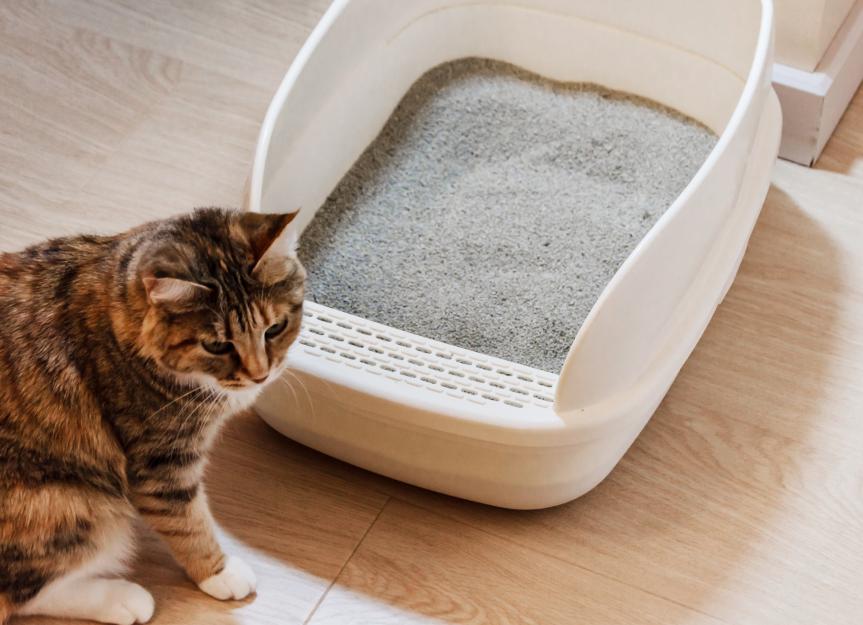
Credit: www.petmd.com
Dealing With Common Challenges
Training cats to use the outdoors for potty needs can be tricky. Many pet owners face challenges during this process. Understanding these common issues helps in managing them well. Patience and consistency play big roles here. Let’s explore some typical problems and ways to handle them effectively.
Fear Of The Outdoors
Many cats feel scared outside. New sounds, smells, and sights can overwhelm them. This fear stops them from exploring or using the bathroom outdoors. Start by letting your cat watch the outside from a safe window spot. Gradually, take short trips outside with your cat on a leash. Calm praise and treats encourage confidence. Do not rush this step. Fear fades with slow, steady exposure.
Distractions And Predators
The outside world has many distractions. Birds, insects, or loud noises can pull your cat’s attention away. Predators like dogs or other animals pose real threats. These distractions cause your cat to run or hide instead of focusing on potty time. Choose quiet, safe spots for outdoor potty sessions. Stay close and keep your cat secure. Avoid areas with high predator activity. This creates a safer, calmer experience.
Inconsistent Behavior
Cats may not always go outside to potty. Sometimes they use the litter box indoors again. This inconsistency is normal. Changes in weather, mood, or environment affect behavior. Keep a regular routine to help your cat adjust. Use the same outdoor spot and visit at the same times daily. Reward your cat for outdoor potty use. Patience and steady habits improve consistency over time.
Safety Tips For Outdoor Potty Training
Teaching your cat to use the outdoors for potty needs can be rewarding. Safety is a top priority during this process. Protect your cat from dangers found outside. Knowing what to watch for creates a safer environment. This section covers key safety tips to help your cat adjust safely to outdoor potty training.
Avoiding Toxic Plants And Chemicals
Many common plants can harm cats if touched or eaten. Keep your cat away from:
- Lilies
- Azaleas
- Oleander
- Foxglove
Also, avoid areas treated with pesticides or fertilizers. These chemicals can cause severe illness. Check the potty area regularly for new toxic plants.
Supervision And Boundaries
Never leave your cat unsupervised outside at first. Watch how they explore and use the potty spot. Set clear boundaries with fences or barriers. This keeps your cat near and safe. Use a leash if needed to control their movements.
Preventing Escape And Injury
Outdoor training increases escape risk. Secure doors and gates tightly. Inspect your yard for holes or weak spots in fences. Remove sharp objects and debris that could hurt your cat. Keep other animals away to avoid fights or scares.
Alternatives To Outdoor Potty Training
Training a cat to go outside might seem ideal, but it’s not always the safest or most practical option. Luckily, there are several alternatives that let your cat relieve themselves comfortably indoors. These options can save you from weather worries, neighborhood hazards, and the unpredictable nature of outdoor training.
Indoor Litter Box Solutions
Most cats take to a clean litter box naturally. You can choose from clumping, non-clumping, scented, or unscented litter based on your cat’s preference. Experiment with different types to find what your cat likes best—sometimes, a simple change can make all the difference.
Keep the litter box in a quiet, accessible spot. If you have multiple cats, provide one box per cat plus one extra to avoid territorial disputes. Regular cleaning is key; a dirty box is a big turn-off and might lead your cat to look elsewhere.
Creating An Indoor Potty Area
Designate a specific corner or room as your cat’s bathroom zone. You can set up multiple litter boxes or even add some artificial turf for a more natural feel. This spot should be easy for your cat to find and free from loud noises or heavy foot traffic.
Adding familiar scents can help your cat feel comfortable. Rub some used cat litter or spray a pheromone mist in the area. This encourages your cat to use the spot consistently and reduces accidents around your home.
Using Training Pads
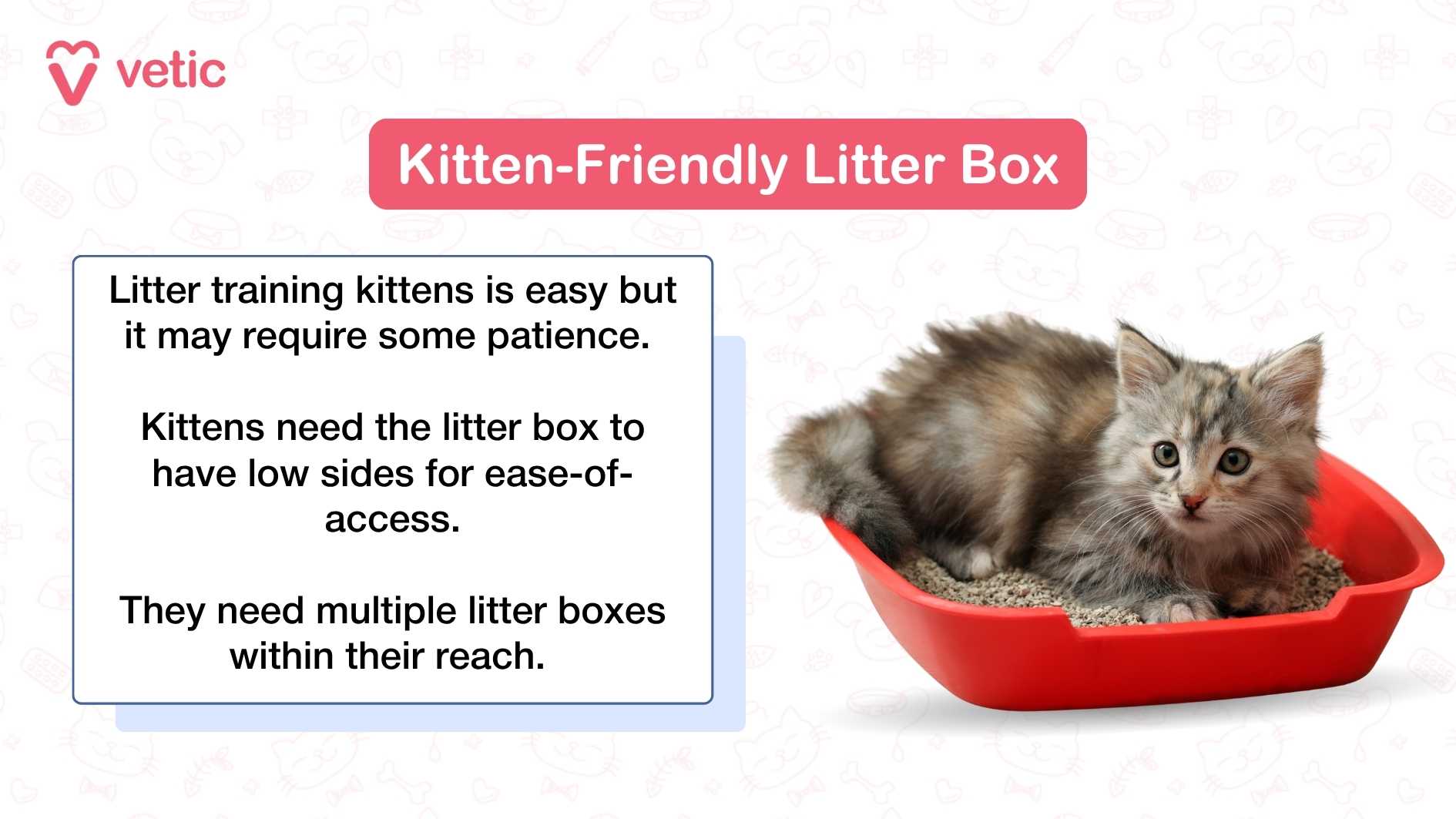
Training pads offer a flexible solution, especially for kittens or cats recovering from illness. Place the pads in areas your cat frequents or where accidents have happened before. Pads with attractants can guide your cat to the right spot.
Change the pads regularly to keep odors down and maintain cleanliness. Gradually, you can move the pads closer to a litter box or outside door if you want to transition your cat eventually. Have you noticed your cat’s preferred spot for accidents? Try placing a pad there and see if it helps.
Credit: vetic.in
Frequently Asked Questions
Can Cats Be Trained To Use The Outdoors For Potty?
Yes, cats can be trained to go potty outside with patience. Gradually introduce them to an outdoor spot and reward their use. Consistency and positive reinforcement help make the transition smooth and effective.
How Long Does Outdoor Potty Training Take For Cats?
Outdoor potty training for cats usually takes a few weeks. The process depends on your cat’s temperament and outdoor access. Regular supervision and positive rewards speed up learning and encourage outdoor potty habits.
What Are The Benefits Of Potty Training Cats Outside?
Potty training cats outside reduces litter box cleaning and odors. It encourages natural behaviors and provides mental stimulation. Outdoor training can improve hygiene and lessen indoor accidents, benefiting both cats and owners.
Can All Cats Learn To Go Potty Outside?
Most cats can learn outdoor potty habits, but some may resist. Age, personality, and previous habits influence success. Patient, gradual training and a safe outdoor environment increase the chances of effective potty training.
Conclusion
Potty training cats to go outside takes time and patience. Not all cats will adapt easily. Some enjoy the freedom of the outdoors, while others prefer indoors. Consistency and gentle guidance help cats learn better habits. Always watch your cat’s behavior and comfort level.
Outdoor potty training can be safe with proper care. Remember, every cat is different and learns at its own pace. Keep your expectations realistic and enjoy the process. Potty training can improve both your life and your cat’s. Small steps lead to good results over time.

Leave a Reply