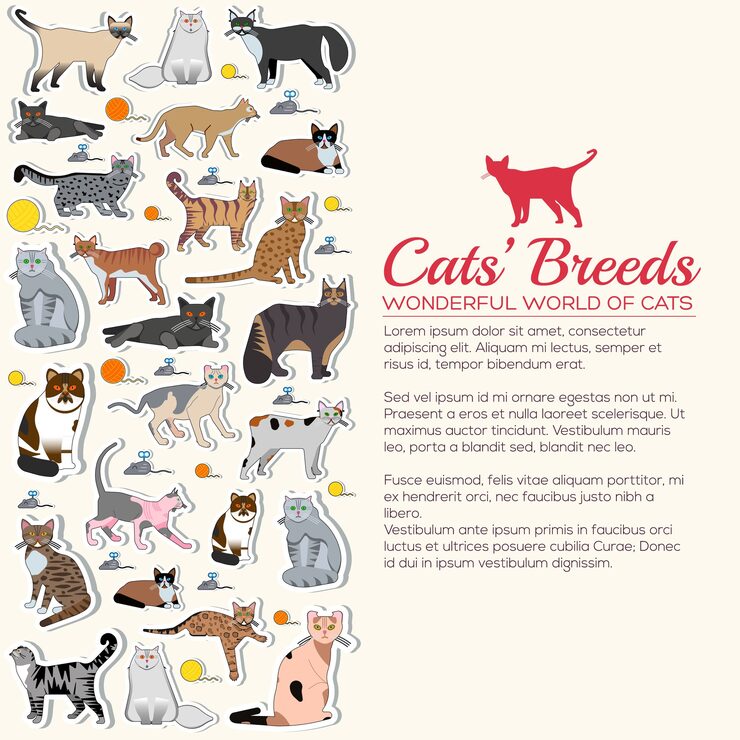
Have you ever wondered how many cat breeds exist around the world? Whether you’re a curious cat lover or thinking about bringing a new feline friend into your home, knowing the different breeds can help you find the perfect match.
From fluffy and playful to sleek and mysterious, each breed has its own unique personality and charm. Keep reading, and you’ll discover a fascinating list of all the cat breeds out there—plus tips to understand what makes each one special just for you.
Popular Cat Breeds
Popular cat breeds have captured the hearts of millions around the world. Each breed brings its own unique charm, personality, and appearance that can fit different lifestyles and preferences. Whether you’re drawn to playful energy or calm companionship, knowing these popular breeds helps you find the perfect feline friend.
Siamese
The Siamese cat is famous for its striking blue eyes and sleek, short coat. They are incredibly vocal and love to communicate with their owners, making them ideal if you want a cat that interacts a lot.
These cats are very social and thrive when they have plenty of attention. If you enjoy a talkative and affectionate companion, a Siamese might be the perfect match for your home.
Maine Coon
Maine Coons are one of the largest domestic cat breeds, known for their fluffy fur and friendly nature. Despite their size, they are gentle giants who get along well with children and other pets.
Their thick coat requires regular grooming, but their playful personality makes it worth the effort. Have you ever met a cat that feels like a loyal dog? Maine Coons often fill that role.
Persian
Persians are instantly recognizable by their long, luxurious fur and flat faces. They enjoy a calm environment and prefer lounging around, making them great for quieter households.
These cats need daily grooming to keep their coats beautiful and free from mats. If you want a cat that’s a true lap companion, the Persian breed is a top contender.
Bengal
Bengal cats look like tiny leopards with their distinctive spotted coats. They are highly energetic and love climbing and exploring, so they need plenty of stimulation.
If you enjoy an active cat that can keep up with your adventurous spirit, Bengals are an exciting choice. Do you have enough space and time to satisfy their curiosity?
Ragdoll
Ragdolls get their name from their tendency to go limp when picked up, showing their relaxed and trusting nature. They are affectionate and often follow their owners around the house.
These cats have semi-long fur that is soft and requires less grooming than Persians. If you want a gentle and cuddly cat that loves attention, the Ragdoll might be your ideal pet.

Credit: www.rd.com
Rare And Exotic Breeds
Rare and exotic cat breeds capture the imagination of many cat lovers. These breeds stand out due to their unique looks and unusual traits. They often have fascinating histories and come from specific regions around the world. Their rarity makes them highly prized among collectors and enthusiasts. Understanding these special breeds adds depth to the world of cats.
Sphynx
The Sphynx is famous for its hairless body and wrinkled skin. This breed feels warm and soft to touch. Its lack of fur means it needs regular skin care. Sphynx cats are very social and enjoy human company. They have large ears and expressive eyes that give them a distinct look.
Savannah
Savannah cats are a cross between domestic cats and wild African servals. They have tall bodies, long legs, and spotted coats. Their wild ancestry makes them active and curious. Savannahs are known for their high energy and love of play. They often form strong bonds with their owners.
Korat
The Korat breed comes from Thailand and is known for its shimmering silver-blue coat. These cats have heart-shaped faces and bright green eyes. Korats are gentle and intelligent pets. They are believed to bring good luck in Thai culture. Their short fur requires minimal grooming.
Peterbald
Peterbald cats have a slender, elegant build and can be hairless or have short, fine fur. They originated in Russia and are known for their friendly nature. These cats are very vocal and affectionate. Their unique coat types range from bald to velour, adding to their charm.
Kurilian Bobtail
The Kurilian Bobtail is a sturdy breed with a short, fluffy tail. It comes from the Kuril Islands between Russia and Japan. These cats are excellent hunters and very playful. Their thick fur protects them in cold climates. Kurilian Bobtails are loyal and enjoy family life.
Cat Breeds By Origin
Cat breeds come from many parts of the world. Each region has unique cats shaped by climate and culture. These breeds show how diverse and fascinating cats can be. Understanding cat breeds by origin helps appreciate their history and traits.
Asian Breeds
Asian cat breeds often have sleek bodies and short coats. The Siamese is one famous Asian breed, known for its blue eyes and vocal nature. Burmese cats are friendly and playful. The Japanese Bobtail has a distinctive short tail and strong hunting skills.
European Breeds
European cats come in many shapes and sizes. The British Shorthair is popular for its round face and dense fur. The Maine Coon, although linked to America, has roots in European cats. Norwegian Forest cats are adapted to cold climates with thick fur and strong builds.
American Breeds
American breeds often have muscular bodies and varied colors. The American Shorthair is known for its gentle nature and adaptability. The Ragdoll is large, calm, and loves to be held. The Sphynx, a hairless breed, stands out for its unique look and affectionate personality.
African Breeds
African cats are often wild but some breeds are domesticated. The Egyptian Mau is a rare breed with spotted fur and fast speed. These cats are known for their agility and strong hunting instincts. African breeds show traits shaped by hot, dry climates.
Oceanian Breeds
Oceanian cat breeds are less common but special. The Australian Mist is a calm and friendly cat with a spotted coat. These cats enjoy warm weather and often have strong bonds with their owners. Oceania’s breeds reflect the region’s unique environment and lifestyle.

Credit: www.ebay.com
Coat Types And Patterns
Cat breeds vary widely in coat types and patterns. These features help identify different breeds and add to their charm. Cat coats can be short, long, or even hairless. Patterns on the fur come in many unique designs and colors.
Understanding coat types and patterns helps cat lovers appreciate their pets more. It also aids in recognizing specific breeds and their traits.
Short Hair Cats
Short hair cats have fur that lies close to their skin. Their coats are easy to maintain and shed less. Popular short hair breeds include the American Shorthair and the British Shorthair. These cats often have sleek and smooth coats. Their fur can come in various colors and patterns.
Long Hair Cats
Long hair cats have thick, flowing fur that requires regular grooming. Their coats give them a fluffy and elegant look. Breeds like the Persian and Maine Coon are famous for their long hair. These cats often have a soft and silky texture. Long hair helps keep them warm in cold climates.
Hairless Cats
Hairless cats have little to no fur on their bodies. The Sphynx is the most well-known hairless breed. Their skin feels warm and soft to touch. Hairless cats need special care to protect their skin. They often have wrinkles and large ears, adding to their unique look.
Tabby Patterns
Tabby is a common and classic coat pattern. It features stripes, spots, or swirls on the fur. There are four main tabby patterns:
- Classic (swirled patterns)
- Mackerel (narrow stripes)
- Spotted (small spots)
- Ticked (agouti hairs with no stripes)
Tabby cats often have an “M” shape on their foreheads. This pattern appears in many breeds and mixed cats.
Colorpoint Patterns
Colorpoint patterns have darker colors on the ears, face, paws, and tail. The rest of the body is lighter. The Siamese cat is famous for this pattern. The contrast between dark and light areas creates a striking look. Colorpoint patterns result from temperature-sensitive pigment genes.
Temperament And Personality Traits
When choosing a feline companion, understanding the temperament and personality traits of different cat breeds is essential. Cats, just like humans, have distinct personalities that can greatly influence your living experience with them. Whether you prefer a snuggly lap cat or a more independent feline, knowing these traits can help you find the perfect match.
Affectionate Breeds
If you’re looking for a cat that loves cuddles and companionship, consider breeds known for their affectionate nature. The Ragdoll, for example, is famously docile and loves to be held. Similarly, the Siamese is not only affectionate but also forms strong bonds with their human families, often following them around the house.
Playful Breeds
For those who want a playful and energetic companion, some breeds stand out. The Bengal is known for its high energy levels and love for interactive play. Likewise, the Abyssinian enjoys climbing and exploring, keeping you entertained with their playful antics. Do you have the time and energy to match their zest for life?
Independent Breeds
Perhaps you need a cat that is a bit more self-sufficient. The Russian Blue is both independent and intelligent, often content to entertain themselves. The British Shorthair also enjoys its own company, making it ideal for busy owners who can’t always be at home.
Vocal Breeds
If you enjoy a chatty companion, consider a breed known for its vocal tendencies. The Siamese, with its distinctive voice, is famous for being quite talkative. On the other hand, the Sphynx also tends to be vocal, often communicating with a range of sounds. Are you ready for a feline friend who likes to “talk” back?
Calm Breeds
For a more serene and calm presence, some breeds offer a peaceful demeanor. The Persian is known for its laid-back nature, enjoying quiet moments and gentle affection. Similarly, the Scottish Fold is typically calm and composed, making them excellent companions for a tranquil household.
Choosing the right cat breed can enrich your life in unexpected ways. Consider what personality traits resonate with you and how they fit into your lifestyle. What kind of feline personality are you drawn to?
Choosing The Right Cat Breed
Choosing the right cat breed can shape your experience as a pet owner in many ways. Each breed has unique traits that affect how they fit into your lifestyle. Considering these traits carefully helps ensure a happy home for both you and your feline friend.
Living Space Considerations
Your home size matters a lot when picking a cat breed. Some cats thrive in small apartments, while others need more room to roam and explore. For instance, active breeds like the Abyssinian enjoy having space to jump and climb.
Think about your environment. Do you have plenty of windows or safe outdoor access? These factors influence which breed will be happiest and healthiest in your space.
Allergy-friendly Breeds
Do allergies limit your choice? Certain breeds produce fewer allergens, making them better for sensitive individuals. Breeds like the Siberian or Balinese are often reported as more allergy-friendly.
However, no cat is completely hypoallergenic. Spending time with a breed before committing can help you gauge your reaction and comfort level.
Activity Levels
How active are you, and how much energy can you match with your cat? High-energy breeds such as the Bengal or Siamese need plenty of playtime and mental stimulation. If your schedule is busy, a more laid-back breed like the British Shorthair might suit you better.
Matching activity levels reduces stress for both you and your cat. It also helps prevent behavioral issues caused by boredom or excess energy.
Grooming Needs
Grooming demands vary widely among breeds. Long-haired cats like Persians require daily brushing to prevent mats, while short-haired breeds typically need less maintenance. Knowing what grooming fits your routine can save you time and frustration.
Consider if you enjoy regular pet care or prefer a low-maintenance companion. This choice influences your bond and the cat’s overall health.
Compatibility With Kids And Pets
Will your cat share space with children or other animals? Some breeds, such as the Ragdoll or Maine Coon, are known for their gentle and sociable nature. Others may be more independent or cautious around strangers.
Think about your family’s dynamics and how a cat’s temperament will blend with existing pets or children. Choosing a breed that fits your household personality can create a more peaceful, loving environment.
Health Issues By Breed
Different cat breeds face unique health challenges. Knowing these issues helps owners care better for their pets. Health risks vary by breed due to genetics and physical traits. Some cats may develop diseases common in their breed. Understanding these problems can improve a cat’s quality of life.
Common Genetic Disorders
Many cat breeds inherit specific genetic disorders. These conditions can affect organs, bones, or the immune system. For example:
- Persian cats often have polycystic kidney disease (PKD).
- Maine Coons may suffer from hypertrophic cardiomyopathy (HCM), a heart disease.
- Siamese cats can develop progressive retinal atrophy (PRA), affecting vision.
Regular health screenings can detect these disorders early.
Breed-specific Health Risks
Some breeds face physical health risks due to their body shape. Brachycephalic breeds like the Exotic Shorthair have flat faces causing breathing issues. Large breeds like the Norwegian Forest Cat might struggle with joint problems. Sphynx cats need special skin care because of their lack of fur. Each breed requires tailored health attention to reduce risks.
Preventive Care Tips
Preventive care is essential for all cats, especially purebreds. Regular veterinary checkups catch health problems early. Vaccinations protect against common infectious diseases. A balanced diet supports overall health and weight management. Grooming helps spot skin issues and keeps fur clean. Owners should also monitor behavior changes as signs of illness.
Lifespan Expectations
Cat lifespans vary by breed and health. Small breeds often live longer than large ones. For example:
| Breed | Average Lifespan |
|---|---|
| Ragdoll | 12-15 years |
| British Shorthair | 14-20 years |
| Bengal | 12-16 years |
Good care and early disease detection help cats live longer. Healthy habits increase lifespan beyond breed averages.
Cat Breed Registries And Associations
Cat breed registries and associations play a crucial role in maintaining breed standards and promoting responsible breeding practices. They provide a structured framework for recognizing and documenting the many unique cat breeds worldwide. If you’ve ever wondered how certain breeds gain official status or how breeders ensure consistency, these organizations are at the heart of it.
The International Cat Association (tica)
TICA is one of the largest cat registries globally, known for its inclusive approach. It recognizes a wide variety of breeds, including some newer and experimental ones. If you’re interested in a diverse range of cats, TICA’s registry offers a comprehensive list, along with resources for breeders and cat enthusiasts.
One thing I appreciate about TICA is their commitment to education. They regularly host cat shows and provide detailed breed standards, which help you understand the specific traits of each breed. Have you ever attended a TICA show? The variety and quality of cats on display might surprise you.
Cat Fanciers’ Association (cfa)
CFA focuses on preserving traditional cat breeds and is highly respected in the cat fancy community. They emphasize health and temperament, ensuring that cats meet strict breed criteria. Many well-known breeds, like the Persian and Siamese, are registered here.
If you want to dive deep into classic breeds, CFA’s resources are invaluable. Their detailed profiles and breeder directories can help you find a responsible breeder or learn more about your favorite breed’s history. Do you know which breed holds the record for being the oldest recognized by CFA?
Governing Council Of The Cat Fancy (gccf)
Based in the UK, GCCF is the oldest cat registry in the world. They maintain rigorous standards and focus heavily on pedigree documentation. This registry is particularly important if you’re interested in British or European breeds.
GCCF also runs many prestigious cat shows, which are a great way to see top-quality cats in person. Their detailed breed standards and registration services help breeders maintain the integrity of each breed. Could your local cat show be affiliated with GCCF?
Fédération Internationale Féline (fife)
FIFe is a European-based federation that unites several national cat clubs. It covers a broad spectrum of breeds and promotes international cooperation among cat fanciers. Their breed standards are often used worldwide as a reference.
What stands out about FIFe is their focus on fair judging and health protocols during shows. If you’re considering showing your cat internationally, FIFe’s guidelines can be a helpful starting point. Have you checked if your favorite breed follows FIFe standards?

Credit: www.youtube.com
Frequently Asked Questions
What Are The Most Popular Cat Breeds Worldwide?
Popular cat breeds include Persian, Siamese, Maine Coon, Ragdoll, and Bengal. These breeds are loved for their unique looks and personalities. Each has distinct traits, making them favorites among cat enthusiasts globally.
How Many Cat Breeds Exist Globally?
There are around 70 to 100 recognized cat breeds worldwide. Different cat associations may recognize varying numbers. These breeds differ in size, coat, color, and temperament.
What Defines A Cat Breed?
A cat breed is defined by specific physical and genetic traits. These traits are passed from parents to offspring consistently. Breeds have distinct features like coat type, color, and behavior.
Are All Cat Breeds Hypoallergenic?
Not all cat breeds are hypoallergenic. Some breeds, like the Siberian and Balinese, produce fewer allergens. However, individual reactions to cats may vary regardless of breed.
Conclusion
Cats come in many shapes, sizes, and colors worldwide. Each breed has its own charm and personality. Knowing about different breeds helps you appreciate them more. Whether fluffy or short-haired, cats bring joy to many homes. Exploring cat breeds can be fun and interesting.
Every cat is special in its own way. Choose a breed that fits your lifestyle and love. Cats make great companions and friends. Keep learning about cats to enjoy their company fully.


Leave a Reply