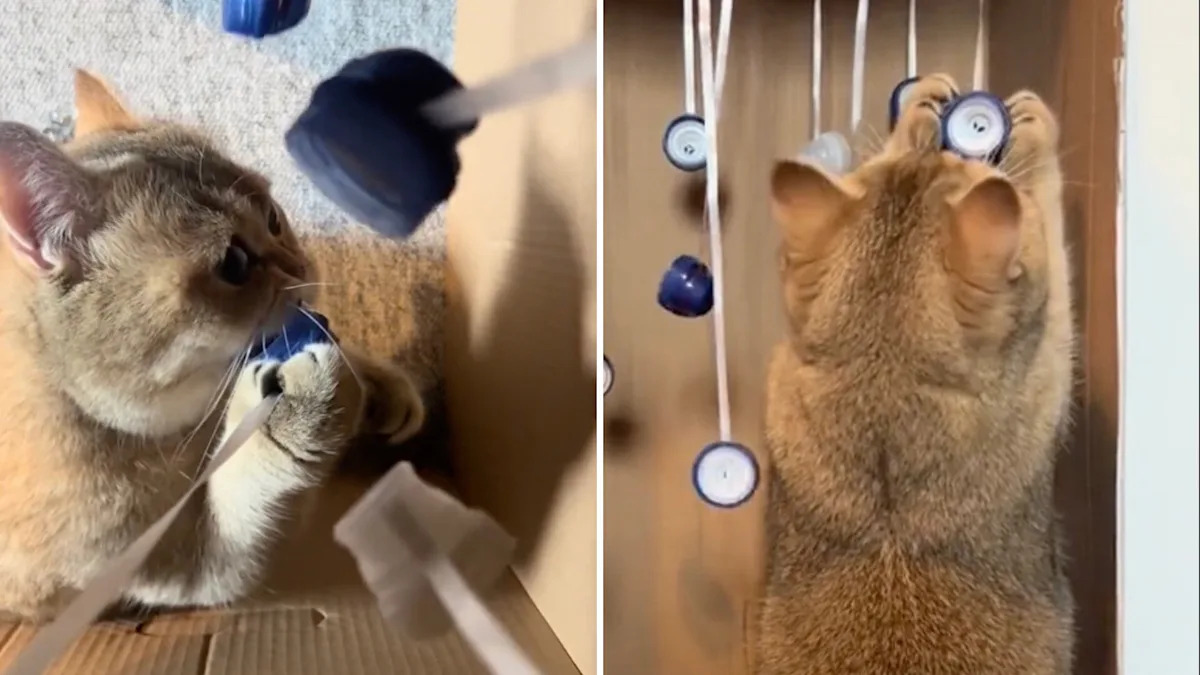
Are you looking for fun and simple ways to keep your cat entertained? Making cool cat toys at home is easier than you think—and your furry friend will love them!
Not only will you save money, but you’ll also create toys tailored to your cat’s unique play style. Keep reading to discover easy steps and creative ideas that will turn everyday items into exciting toys your cat can’t resist. Get ready to see your kitty’s eyes light up with joy!
Benefits Of Diy Cat Toys
Making your own cat toys offers many advantages for both you and your pet. DIY toys are affordable and easy to create. You can customize them to suit your cat’s preferences. These toys help keep your cat active and entertained. They also strengthen the bond between you and your furry friend.
Cost-effective Entertainment
Homemade cat toys cost less than store-bought ones. Simple materials like paper, fabric, and string work well. You save money by reusing household items. This way, you keep your cat happy without spending a lot.
Safe And Non-toxic Materials
You control what materials go into the toys. This ensures no harmful chemicals or small parts that can hurt cats. Using safe items reduces the risk of choking or poisoning. Your cat enjoys safe playtime every day.
Customizable For Your Cat’s Needs
Each cat has unique tastes and energy levels. DIY toys let you tailor size, shape, and texture. You can make toys that encourage chasing, pouncing, or scratching. This personal touch keeps your cat more engaged.
Eco-friendly And Reduces Waste
Creating toys at home helps reuse old materials. This lowers waste that ends up in landfills. Choosing sustainable items benefits the environment. Cats get fun toys, and the planet stays cleaner.
Encourages Creativity And Fun
Making cat toys is a fun project for you. It sparks creativity and problem-solving skills. You can try new ideas and designs. The process is enjoyable and rewarding.

Credit: smart.dhgate.com
Safe Materials For Cat Toys
Choosing the right materials for your cat toys is crucial for your furry friend’s safety and enjoyment. Unsafe materials can cause choking, allergic reactions, or other health issues. You want toys that last but also keep your cat out of harm’s way.
Natural Fabrics And Fibers
Using natural fabrics like cotton, wool, or felt is a smart choice. These materials are soft, breathable, and less likely to cause irritation. Plus, they’re easy to clean, which helps keep your toys hygienic.
I once made a simple toy from cotton fabric scraps and stuffed it with catnip. My cat loved it, and I felt confident knowing it was chemical-free and safe to chew on.
Non-toxic Stuffing Materials
Look for stuffing that is free from harmful chemicals and small parts that could be swallowed. Organic cotton, wool roving, or even shredded paper can work well. Avoid synthetic stuffing that might cause blockages if ingested.
Have you checked the labels on your stuffing materials? Some common fillers contain dyes or chemicals that aren’t pet-friendly.
Safe Dye And Paint Options
If you want to add color to your toys, choose dyes and paints labeled non-toxic and pet-safe. Natural vegetable dyes or food coloring can also be great alternatives. Avoid any chemical-based colors that might peel or flake off.
When I painted a toy with food coloring, it was fun and safe, and the colors didn’t fade quickly, keeping the toy attractive for longer.
Durable And Non-toxic Thread
Strong thread is necessary to hold your toy together, but it must be non-toxic. Cotton or polyester threads labeled safe for children usually work well. Avoid threads with chemical treatments or metallic threads that could break and cause injury.
How often do you inspect your cat’s toys for loose threads? Regular checks prevent accidental swallowing or choking hazards.
Materials To Avoid
- Plastic parts:Small plastic pieces can break off and cause choking.
- Foam or latex:These can be toxic and are easily chewed apart.
- Glitter or beads:They can come off and be swallowed, leading to digestive problems.
Always think about what your cat might chew or swallow. Safety isn’t just about the materials but also about the toy’s design.
Simple Sock Toys
Simple sock toys are an easy and fun way to keep your cat entertained without spending much money. These toys use items you probably already have around the house. Plus, making them can be a great way to connect with your pet and see what kinds of play they enjoy most.
Materials Needed
- One clean, old sock (preferably a colorful or patterned one to catch your cat’s eye)
- Polyfill stuffing or cotton balls (for softness and shape)
- Catnip (optional but highly recommended for extra excitement)
- Non-toxic glue or needle and thread
- Small bells, feathers, or crinkly paper (to add sound and texture)
Step-by-step Instructions
Start by filling the sock with polyfill or cotton balls until it’s plump but still squeezable. If your cat loves catnip, sprinkle some inside for a scent boost that grabs their attention immediately.
Next, add small bells or feathers inside the sock to create fun noises when your cat bats it around. This sensory element keeps the toy intriguing and lively.
Once filled, seal the open end of the sock tightly using needle and thread or non-toxic glue. Make sure the closure is secure to avoid any stuffing or small parts coming out during playtime.
Give the toy a few gentle shakes to distribute the stuffing and catnip evenly. Then, watch your cat dive in with curiosity—does your feline prefer batting, tossing, or cuddling their new toy?

Credit: www.youtube.com
Feather Wand Toys
Create fun feather wand toys using colorful feathers and a stick or string. Cats love chasing the fluttering feathers for play and exercise. Simple materials make it easy to craft engaging toys at home.
Feather wand toys are a delightful treat for cats. They mimic the fluttering of birds. Cats love to chase and pounce on them. Making these toys at home is fun and cost-effective. Plus, you can customize them to your cat’s preference.Choosing The Right Feathers
Select feathers that are long and colorful. Bright colors attract cats easily. Ensure the feathers are non-toxic and safe. Avoid feathers with sharp tips. This keeps your cat safe during playtime.Assembly Tips
Start with a sturdy stick or dowel. Attach the feathers securely. Use strong glue or binding wire. Check the attachment for durability. Tug gently to ensure it holds. Add a string for extra movement. This adds excitement for your cat. Make sure all parts are smooth. This prevents injury during play.Cardboard Playhouses
Cardboard playhouses make fantastic toys for your cat. They offer endless fun and a cozy spot to hide or nap. Plus, they are easy and cheap to make, letting you customize them exactly how your cat loves.
Design Ideas
Think about what your cat enjoys most. Does your cat love climbing, hiding, or peeking out from little windows? Design the playhouse with multiple openings and levels to encourage exploration and play.
Add interesting shapes like tunnels, small doors, or platforms. Using bright colors or fun patterns can catch your cat’s eye and make the playhouse more inviting. You might even create a mini castle or a spaceship—whatever sparks your creativity!
Construction Tips
Start with sturdy cardboard boxes; double-layered cardboard works best to hold up against scratching. Use non-toxic glue or tape to join pieces securely. Avoid sharp edges by trimming carefully, making it safe for your cat’s paws and whiskers.
Cut holes large enough for your cat to enter comfortably but small enough to feel like a secret hideout. Reinforce key areas like corners and entrances with extra cardboard strips to keep the structure stable. Remember, a solid base prevents tipping during energetic play.
Have you tried adding a dangling toy inside or attaching a scratching pad on the side? These small touches keep your cat engaged longer and make your cardboard playhouse a favorite spot around the house.
Interactive Puzzle Toys
Interactive puzzle toys keep cats busy and sharp. These toys challenge cats to think and solve problems. They provide mental stimulation and reduce boredom. Making these toys at home can be fun and simple. Cats enjoy the thrill of finding treats or toys hidden inside puzzles.
Easy Puzzle Concepts
Start with simple ideas that cats can quickly understand. Use items like cardboard boxes, paper cups, or small containers. Cut holes or flaps where cats can reach inside. Hide small treats or toys in these spots. Cats will use their paws or noses to find the prizes.
- Cut holes in a cardboard box and place treats inside.
- Use muffin tins with balls covering treats in some cups.
- Place toys under cups and let cats figure out how to lift them.
Encouraging Play
Make the toy inviting and easy to start with. Show your cat how the toy works. Use treats to lead them to the puzzle. Praise and pet your cat when they play. Change the toy slightly to keep their interest alive. Keep sessions short to avoid frustration.
Using Natural Elements
Using natural elements to create cat toys brings fun and safety together. Cats love toys that feel and smell natural. These toys can stimulate their senses and encourage play. Natural materials are gentle on a cat’s paws and teeth. They also reduce the chance of harmful chemicals or plastics.
Simple, natural toys often last longer and keep cats interested. You can use herbs, plants, and other organic items. These ingredients add unique scents and textures that cats enjoy. Natural toys can also help cats relax and reduce stress.
Incorporating Catnip
Catnip is a popular herb that many cats find irresistible. Its smell excites cats and makes them playful. You can dry fresh catnip and sew it into small fabric pouches. These pouches become soft toys that cats love to bite and kick.
Use just a small amount of catnip inside the toy. Too much can overwhelm your cat. You can also mix catnip with other natural materials like cotton or wool. This creates a more interesting texture for your cat to explore.
Safe Plants And Herbs
Not all plants are safe for cats. Choose only those that are non-toxic and gentle. Some safe options include:
- Valerian root – it has a scent that excites cats like catnip.
- Lavender – it can calm cats with its mild fragrance.
- Chamomile – helps cats relax and feel comfortable.
Dry these herbs before adding them to your toys. Always check that the plants are pesticide-free. Avoid any plants that may cause allergies or upset stomachs. Use fabric or natural fibers to hold the herbs inside toys safely.
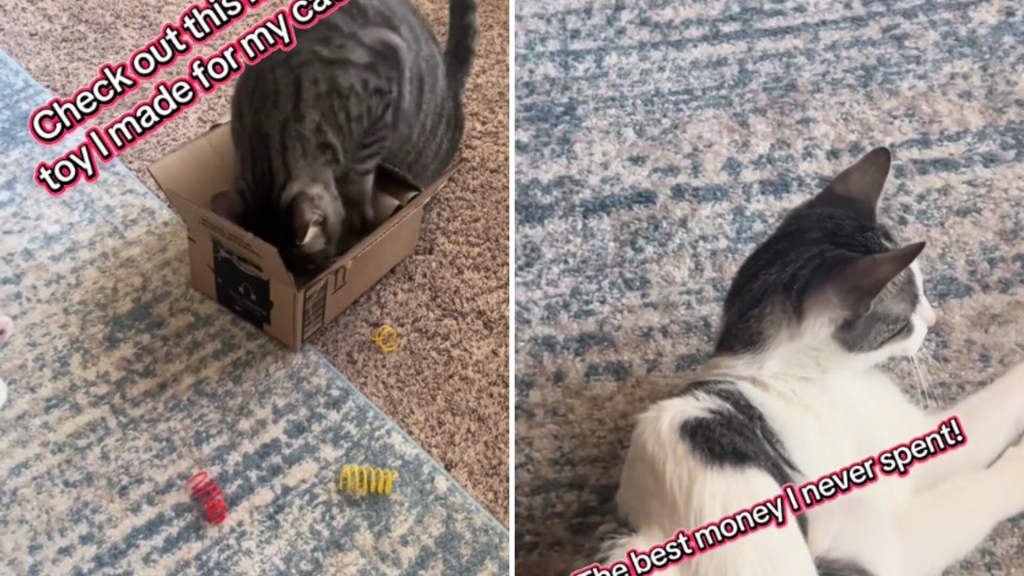
Credit: www.thecooldown.com
Tips For Engaging Cats
Keeping your cat interested in their toys can be a challenge, but small changes can make a big difference. Cats are naturally curious and love to explore new sensations and experiences. You can easily boost their engagement by thinking about how their senses work and what excites them the most.
Varying Toy Textures
Cats enjoy different textures under their paws and in their mouths. You can create toys with soft felt, rough sisal, smooth plastic, or crinkly paper. Changing textures keeps your cat curious and encourages them to play longer.
Think about adding a toy with feathers next to one stuffed with catnip. Your cat might prefer one texture today and another tomorrow. Have you noticed your cat’s favorite texture yet? Try mixing it up to find out.
Rotating Toys Regularly
Leaving the same toys out all the time can lead to boredom. Rotate toys every few days to keep your cat intrigued. This simple trick makes each toy feel new again.
You don’t need to buy new toys all the time. Just hide some away and bring them back later. Your cat will act like they’re seeing them for the first time. How often do you switch out your cat’s toys? Try a rotation system and watch their excitement return.
Frequently Asked Questions
What Materials Are Best For Making Cat Toys?
Soft fabrics, feathers, yarn, and non-toxic stuffing are ideal. Avoid small parts that cats can swallow. Use durable and safe materials for long-lasting toys.
How Can I Make Interactive Cat Toys At Home?
Use simple items like cardboard, string, or paper balls. Incorporate movement by attaching toys to sticks or creating puzzles. This keeps cats engaged and mentally stimulated.
Are Homemade Cat Toys Safe For Kittens?
Yes, if you avoid small, sharp, or toxic parts. Use pet-safe materials and supervise playtime to prevent choking or injuries. Homemade toys can be safer than store-bought ones.
How Do I Clean Homemade Cat Toys Effectively?
Hand wash with mild soap and warm water. Avoid harsh chemicals that can harm cats. Let toys dry completely before giving them back to your pet.
Conclusion
Making cool cat toys can be fun and simple. Use safe materials to keep your cat happy. Try different shapes and textures to find what your cat likes. Homemade toys save money and give your cat exercise. Spend time playing to build a strong bond with your pet.
Small efforts bring big joy to your furry friend. Keep creating and enjoy watching your cat have fun.

Leave a Reply