Are you curious about which cat breeds grow to impressive sizes? If you’ve ever wondered how big a cat can get, you’re in the right place.
Knowing which breeds are larger than average can help you find the perfect feline friend that fits your lifestyle and home. Whether you want a gentle giant to cuddle with or a striking cat that stands out, understanding these big cat breeds will surprise you.
Keep reading to discover which cats bring both size and charm into your life.
Largest Cat Breeds
Some cat breeds stand out because of their impressive size. These large cats not only look majestic but also have gentle and friendly personalities. Their size can surprise many people, as they often act just like smaller cats. Understanding these breeds helps to appreciate their unique traits and care needs.
Maine Coon
The Maine Coon is one of the largest domestic cat breeds. Males can weigh up to 18 pounds or more. They have long, thick fur and tufted ears. Their friendly nature makes them great family pets. Maine Coons are also known for their playful and intelligent behavior.
Savannah Cat
The Savannah Cat is a hybrid between a domestic cat and a wild serval. It has a tall, slender body and long legs. This breed can weigh between 12 and 25 pounds. Savannah cats are energetic and curious. They need plenty of space to explore and play.
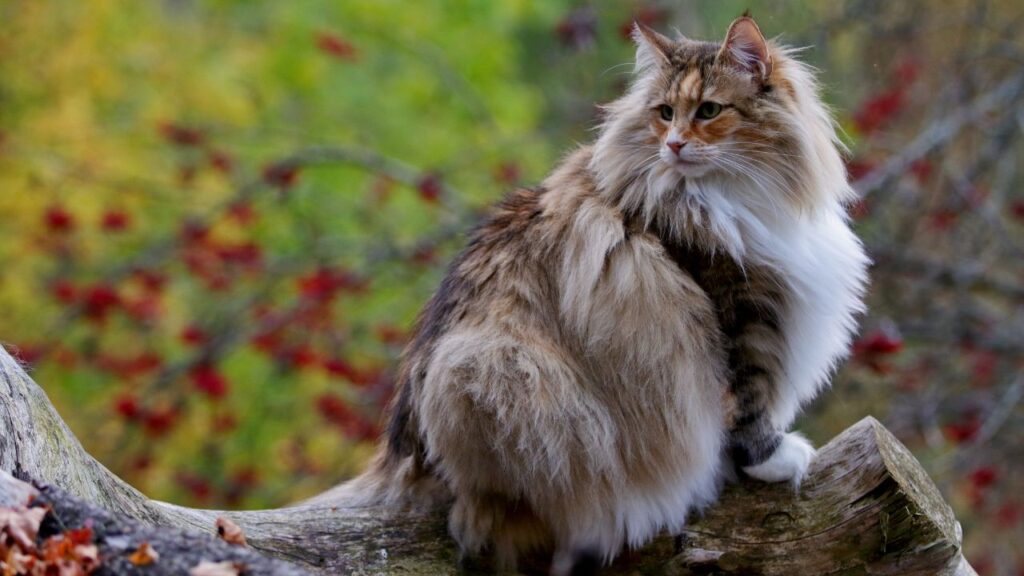
Norwegian Forest Cat
This breed has a sturdy and muscular build. Norwegian Forest Cats have a dense, water-resistant coat. They can weigh up to 16 pounds. These cats are independent but enjoy spending time with their owners. Their thick fur helps them stay warm in cold climates.
Ragdoll
Ragdolls are large, heavy cats known for their calm personality. They often weigh between 15 and 20 pounds. Their soft, silky fur is easy to care for. Ragdolls love to be held and often go limp in your arms, like a ragdoll. They are gentle and affectionate companions.
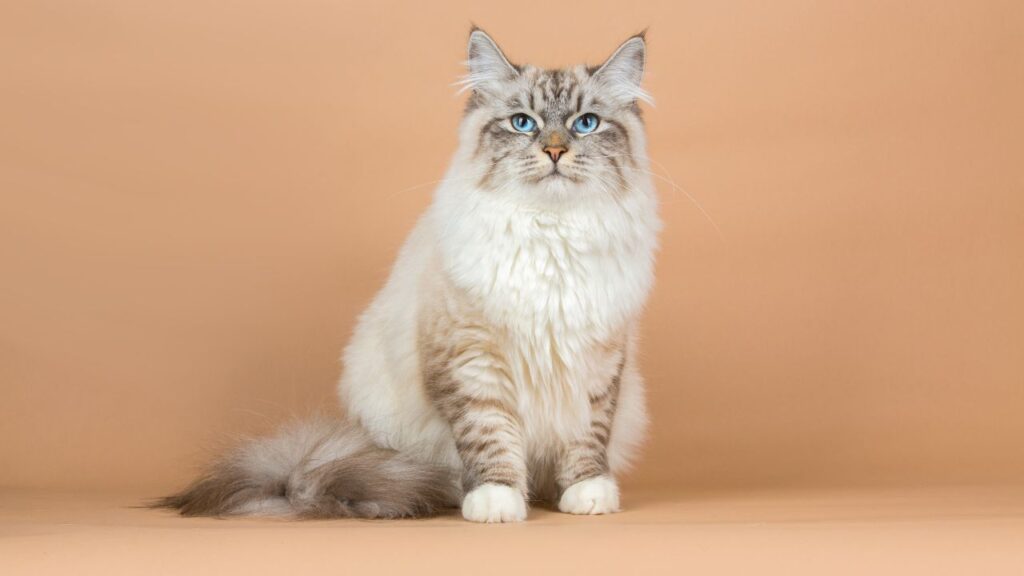
Siberian Cat
The Siberian Cat is a powerful and agile breed. It has a thick triple coat to protect against harsh weather. Siberians can weigh up to 17 pounds. These cats are playful and very loyal to their family. Their strong build allows them to jump and climb with ease.

Credit: www.aol.com
Physical Traits Of Big Cats
Big cat breeds have distinct physical traits that set them apart. Their size, coat, and body structure make them unique and captivating. Let’s explore these traits to understand these majestic felines better.
Size And Weight
Big cat breeds are larger than average cats. They often weigh between 15 to 25 pounds. Some can even reach up to 30 pounds. Their bodies are long and muscular, giving them a strong presence. The Maine Coon, for example, is known for its impressive size and weight.
Coat And Color Patterns
Big cats have diverse coat colors and patterns. Maine Coons have long, shaggy coats that keep them warm. They come in a variety of colors like black, white, and tabby. The Norwegian Forest Cat also has a thick coat. It appears in various shades and patterns. These coats not only add to their beauty but also serve a practical purpose.
Body Structure
The body structure of big cats is robust and sturdy. They have broad chests and powerful legs. These features help them in climbing and hunting. Their tails are long and bushy. This aids in balance and communication. The Ragdoll breed, known for its muscular build, exemplifies this structure well.
Temperament Of Large Breeds
Large cat breeds often have unique temperaments that match their impressive size. Their personality and behavior can surprise many pet owners. Understanding these traits helps in creating a happy home for both the cat and owner.
Personality Traits
Big cats are usually gentle giants. They tend to be calm and patient. Many large breeds show loyalty and affection. They enjoy quiet time but also seek attention. Their size does not mean they are aggressive. Instead, they often have a loving nature.
Activity Levels
Large breeds can be playful yet relaxed. They may prefer short bursts of activity. Some enjoy climbing and exploring around the house. Others like to lounge and rest for long hours. Their energy levels vary by breed and individual cat. Regular play helps keep them healthy and happy.
Social Behavior
Big cats usually get along well with others. They often enjoy company from humans and pets. Some breeds are more social and outgoing. Others may be shy but still friendly. They appreciate gentle handling and respect for their space. These cats thrive with consistent interaction and care.

Credit: worldanimalfoundation.org
Care Tips For Big Cats
Big cat breeds need special attention to thrive in your home. Their size means they have unique needs compared to smaller cats. Understanding how to care for these gentle giants can make your life—and theirs—much easier and happier.
Diet And Nutrition
Big cats often require more calories, but quality matters more than quantity. Choose high-protein foods that match their natural diet. Avoid fillers like corn or soy that add empty calories.
Feeding your big cat several small meals a day helps maintain energy levels. Have you noticed how your large feline prefers fresh food over dry kibble? That preference can guide your choices.
Exercise Needs
Large cats need ample space to move and stretch their muscles. Playtime isn’t just fun—it’s essential to prevent obesity and boredom. Simple toys like feather wands or laser pointers can keep them active.
Think about your cat’s personality. Is it a hunter at heart? Create opportunities for stalking and pouncing to satisfy that instinct. How much room does your cat have to roam around every day?
Health Considerations
Big cats are prone to joint issues and heart conditions. Regular vet check-ups are critical to catch problems early. Watch for signs like limping or lethargy—they often hide discomfort well.
Dental health is another area to monitor closely. Large breeds may need more frequent teeth cleaning to avoid infections. Have you ever checked your cat’s teeth for tartar buildup?
Choosing The Right Big Cat
Choosing the right big cat breed is important for a happy home. Big cats need more care and space than smaller breeds. Understanding their needs helps you pick the best fit. Consider your home, family, and daily routine before deciding. This guide covers key points to help you choose wisely.
Living Space Requirements
Big cats need plenty of room to move and play. Small apartments may feel cramped for them. A house with space for running and climbing is ideal. Outdoor access or large indoor play areas work well. Crowded spaces can cause stress and behavior issues.
Compatibility With Families
Think about your family’s lifestyle and members. Some big cats are gentle and patient with kids. Others need calm, quiet homes without young children. Consider pets already in the house. Some big cats get along well with dogs or other cats. Choose a breed that matches your family’s energy and habits.
Grooming And Maintenance
Big cats may have thick or long fur needing regular grooming. Brushing helps reduce shedding and keeps fur healthy. Some breeds require more frequent baths and nail trims. Check for health issues common to the breed. Prepare for time and cost involved in grooming and care.
Credit: worldanimalfoundation.org
Frequently Asked Questions
What Are The Biggest Cat Breeds In The World?
The biggest cat breeds include the Maine Coon, Savannah, and Ragdoll. These cats are known for their large size and sturdy build.
How Large Can A Maine Coon Cat Grow?
Maine Coons can weigh up to 18 pounds or more. They often reach lengths of 40 inches including the tail.
Are Savannah Cats Larger Than Regular Domestic Cats?
Yes, Savannah cats are larger. They can weigh between 12 to 25 pounds and have a tall, lean frame.
Which Big Cat Breeds Are Good For Families?
Maine Coons and Ragdolls are great for families. They are friendly, gentle, and adapt well to home life.
Conclusion
Big cat breeds bring charm and presence to any home. Their size often matches their friendly and playful nature. Choosing a large cat means more space and care needs. Each breed has its own unique traits to explore. Knowing about these cats helps you find the right fit.
Enjoy the company of a big feline friend. They add warmth and life to your daily routine. Remember, size is just one part of their special character.


Leave a Reply