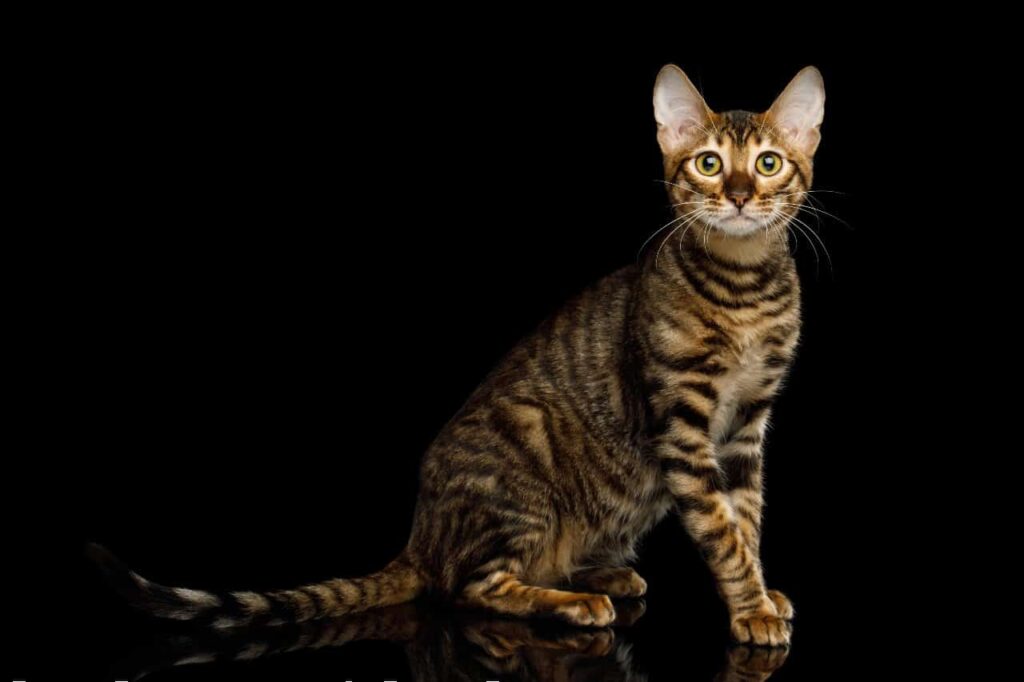
Have you ever wished for a cat so tiny it fits right in the palm of your hand? Imagine having a furry friend that’s small enough to carry everywhere, yet full of charm and personality.
You might be wondering, are there really toy sized cats? If you’ve been curious about these pint-sized pets and what makes them special, you’re in the right place. Keep reading to discover the truth behind toy sized cats and whether they could be the perfect companion for you.

Credit: www.amazon.com
Miniature Cat Breeds
Miniature cat breeds are small-sized cats that fit well in compact homes or apartments. These cats offer the charm and companionship of regular cats but in a smaller package. They appeal to people who want a pet that is easy to handle and maintain. Small cats often have unique features and playful personalities that make them delightful companions.
Popular Toy-sized Cats
- Singapura:One of the smallest cat breeds, weighing around 4-8 pounds.
- Munchkin:Known for its short legs but normal body size.
- Russian Blue:Medium-small size with a sleek, blue-gray coat.
- Devon Rex:Small and lightweight with large ears and curly fur.
- American Curl:Small to medium with unique curled-back ears.
Physical Traits Of Small Cats
Miniature cats usually have a compact body with a fine bone structure. They often weigh less than 10 pounds. Their heads are proportionate to their bodies, with large eyes and ears. Some breeds have short legs or curly fur, adding to their unique look. Their small size makes them agile and quick, perfect for indoor living.
Temperament And Behavior
Small cats are often playful and curious. They enjoy interactive play and can be very affectionate. Many miniature breeds are social and enjoy being around people. These cats are usually intelligent and adapt well to new environments. Their small size does not mean they lack energy or personality. They often form strong bonds with their owners and love attention.
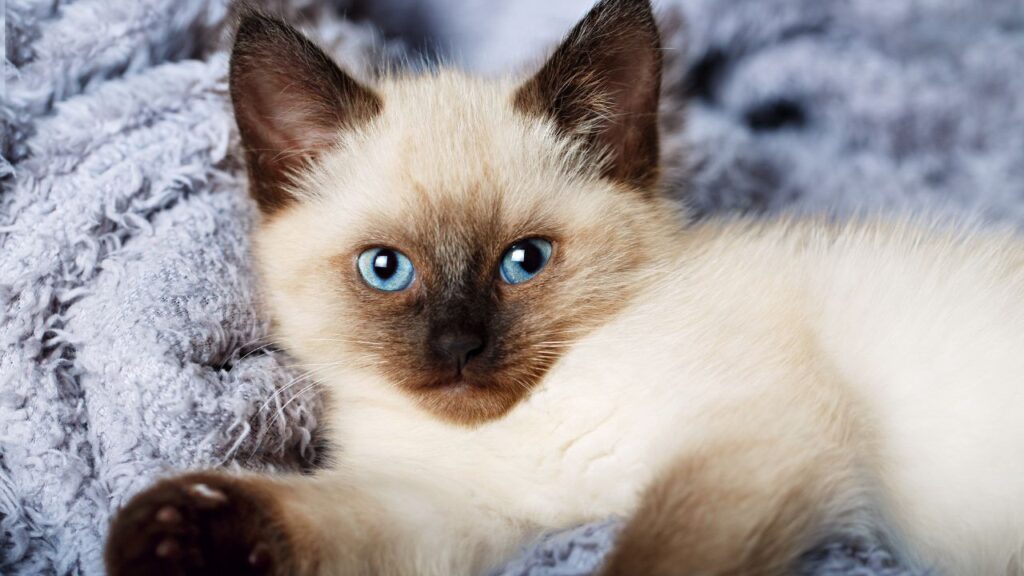
Credit: worldanimalfoundation.org
Genetics Behind Small Cats
Small cats, often called toy-sized cats, fascinate many pet lovers. Their tiny bodies and delicate features make them unique. The reason behind their small size lies deep in their genes. Genetics plays a key role in shaping these miniature felines.
Understanding the genetics behind small cats helps explain their size and traits. Two main factors influence their size: natural dwarfism and selective breeding. Each factor impacts the cat’s appearance and health.
Natural Dwarfism In Cats
Natural dwarfism causes some cats to be much smaller than usual. It is a genetic condition that affects bone growth. Cats with this trait have shorter legs and bodies. Their size is naturally limited by their genes.
This type of dwarfism occurs due to a gene mutation. It changes how cartilage turns into bone. The result is a compact, small-statured cat. Despite their size, these cats can live healthy lives with proper care.
Selective Breeding Practices
Selective breeding helps create and maintain small cat breeds. Breeders choose cats with desired traits to reproduce. They focus on size, shape, and temperament.
This process takes many generations. Breeders carefully mate cats to keep the small size consistent. Some famous small breeds include the Munchkin and Dwelf cats.
Selective breeding also aims to reduce health issues. Responsible breeders test cats for genetic problems. This keeps the breed healthy and strong.
Care For Miniature Cats
Toy-sized cats are rare and usually result from selective breeding. Miniature cats need gentle care and special attention to their health and diet. They make unique pets but require patience and understanding.
Caring for miniature cats can be a rewarding experience, yet it requires a unique understanding of their specific needs. These tiny feline companions, often mistaken for kittens, are actually fully grown cats with their own distinct care requirements. Whether you’re new to the world of miniature cats or a seasoned enthusiast, understanding their diet, health concerns, and grooming needs is key to ensuring a happy, healthy life for your petite pet.Diet And Nutrition Needs
Miniature cats have smaller stomachs, which means they need nutrient-dense meals. It’s essential to provide high-quality cat food that meets their energy requirements without overfeeding. Consider a mix of wet and dry foods to cater to their preferences while ensuring hydration. Portion control is crucial. You might be tempted to indulge them with treats, but moderation is vital to prevent obesity. Consult your vet for a diet plan tailored to your cat’s specific needs.Health Concerns To Watch
Miniature cats, like all pets, have health issues that require attention. Due to their size, they can be prone to genetic conditions affecting their bones and joints. Regular vet check-ups are vital to catch any potential issues early. Be observant of any changes in behavior or appetite. A slight variation could indicate a health problem that needs addressing. As a pet parent, your vigilance can make all the difference in their quality of life.Grooming Tips
Grooming miniature cats is more than just maintaining their appearance—it’s an opportunity to bond. Their smaller size makes grooming sessions quick and manageable. Regular brushing helps prevent matting and reduces shedding. Pay attention to their eyes and ears. Keeping these areas clean prevents infections. Grooming isn’t just about aesthetics; it’s a crucial part of their overall health care routine. Taking care of miniature cats can be a joyful journey filled with learning. Are you ready to embrace the challenge and delight of nurturing these adorable companions?
Credit: www.petfinder.com
Myths And Facts
When you hear about toy-sized cats, it’s easy to get caught up in the idea of tiny, perfect pets fitting in the palm of your hand. But separating fact from fiction is key before you decide to welcome one into your home. Understanding the myths and truths helps you make informed choices and sets realistic expectations.
Common Misconceptions
Many believe toy-sized cats are a special breed naturally born tiny. The truth is, no official breed is genuinely miniature like a toy. Some cats may look smaller due to genetics or health conditions, but these are exceptions, not the rule.
People often think these cats remain small their whole life. However, many “toy” cats grow to a normal size once fully matured. Beware of breeders claiming permanent tiny sizes—they might be exaggerating or using unsafe practices.
- Myth:Toy cats are always healthy.
Fact:Some may face health issues due to their size or breeding methods. - Myth:Toy cats can live like regular cats without special care.
Fact:They often need extra attention and specialized diets.
Real-life Stories
One friend adopted a so-called “toy cat” only to find it grew much larger within a year. This experience showed how early photos and promises don’t always match reality. It’s a reminder to research and meet the cat before making decisions.
Another cat owner shared how their tiny feline companion required regular vet visits due to delicate health. This taught them the importance of commitment beyond just the adorable size. Have you considered the long-term care your pet might need?
These stories highlight the importance of knowing what you’re getting into. Tiny cats can be charming, but their needs might surprise you. Are you ready to provide the care they deserve, no matter their size?
Where To Find Toy-sized Cats
Finding a toy-sized cat can feel like searching for a rare gem, but it’s definitely possible if you know where to look. These petite felines often come from specific breeds or unique backgrounds, so understanding the right places to find them saves you time and frustration. Whether you want a kitten from a trusted source or a small adult cat looking for a home, your options vary widely.
Reputable Breeders
Breeders who specialize in toy-sized or miniature cat breeds, like the Singapura or Minskin, are your best bet for getting a healthy, well-socialized kitten. These breeders focus on maintaining breed standards and often provide detailed health histories and care instructions.
Look for breeders who are registered with cat associations and have positive reviews from past buyers. Visiting a breeder’s facility in person can give you a good sense of the cats’ living conditions and the breeder’s professionalism.
Don’t hesitate to ask questions about the kitten’s lineage, vaccinations, and temperament. A responsible breeder will appreciate your interest and want to ensure their cats go to loving homes.
Adoption Options
Adopting a toy-sized cat can be a rewarding experience and a chance to give a loving home to a cat in need. Shelters and rescue groups sometimes have small or toy-sized cats, including adult cats who may be overlooked because of their size.
Check local shelters regularly and reach out to breed-specific rescue organizations. These groups often have cats that fit the toy-sized description and can provide background information on their personality and health.
Adoption counselors can help match you with a cat that fits your lifestyle and size preference. Have you considered how adopting could bring unexpected joy—not just from the cat’s size but from the bond you build?
Frequently Asked Questions
Are Toy Sized Cats Real Or Just A Myth?
Toy sized cats are real but very rare. They are usually small breeds like Singapura or Minskin. These cats naturally remain smaller than average cats, making them appear toy-sized.
Which Cat Breeds Are Considered Toy Sized?
Breeds like Singapura, Minskin, and Dwelf are often considered toy sized. These cats have smaller frames and weigh less than typical cats. Their diminutive size is natural and not due to health issues.
How Small Do Toy Sized Cats Get?
Toy sized cats usually weigh between 4 to 7 pounds. Their height is often under 8 inches at the shoulder. This makes them notably smaller than average domestic cats.
Are Toy Sized Cats Healthy Pets?
Yes, toy sized cats can be healthy if properly cared for. Regular vet checkups, balanced diet, and exercise are essential. Choose reputable breeders to avoid genetic health problems.
Conclusion
Toy sized cats are rare but do exist in some breeds. These small cats need careful care and attention. They can make great pets for small homes. Always research before choosing a tiny cat breed. Remember, size is not the only factor to consider.
Personality and health matter just as much. Tiny cats bring joy and charm to many families. Think about your lifestyle before adopting one. Small cats can be wonderful companions. They fit well in cozy living spaces.

Leave a Reply