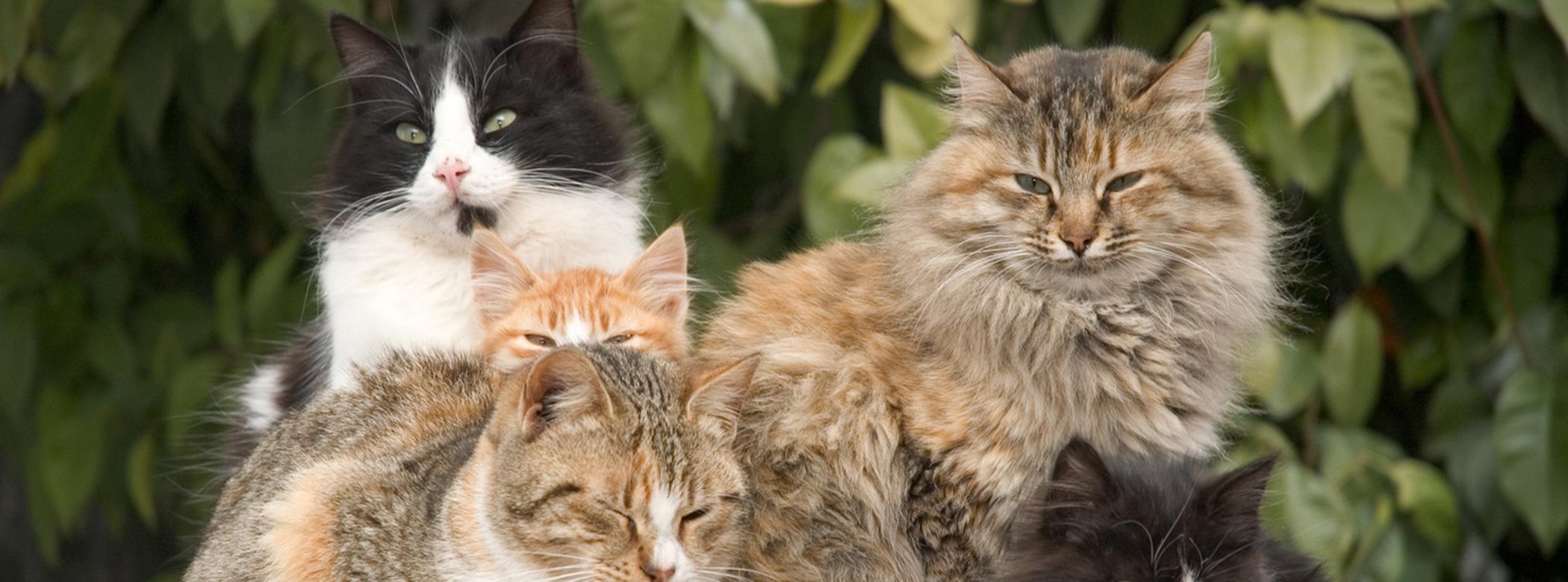
Have you ever looked at a cat and wondered just how many different breeds there really are? If you think all cats look alike, you’re in for a surprise.
From fluffy fur to sleek bodies, cats come in a wide range of shapes, sizes, and personalities. Knowing about these breeds can help you find the perfect feline friend that matches your lifestyle and preferences. Keep reading, and you’ll discover fascinating facts about cat breeds you never knew before.
Your next favorite cat might be just a few paragraphs away!
Credit: paradepets.com
Cat Breed Classification
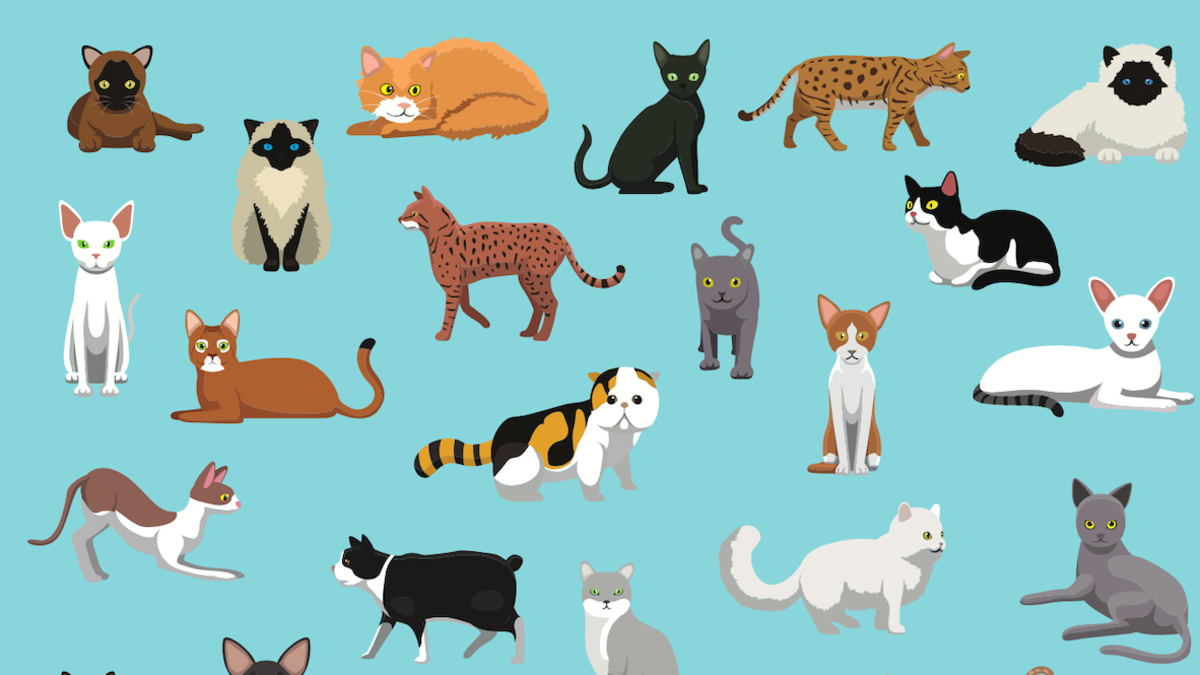
Cat breed classification helps people understand the many types of cats. It divides cats into groups based on their origin, traits, and breeding history. Knowing these groups can help you choose a cat that fits your lifestyle. It also shows the variety in the cat world, from common house pets to rare breeds.
Domestic Vs. Pedigree Cats
Domestic cats are mixed-breed cats. They have no official ancestry or pure bloodline. Most cats found in homes and shelters are domestic. These cats can have many looks and personalities. They are healthy and loving companions.
Pedigree cats have a known heritage and pure bloodlines. Breeders keep records of their ancestors. These cats meet specific breed standards. They often have unique traits like fur color, eye shape, or body type. Pedigree cats can be rare and valuable. They may also need special care due to breed traits.
Recognition By Cat Associations
Cat associations create rules to recognize cat breeds. They keep official breed lists and standards. Some main associations include:
- The International Cat Association (TICA)
- The Cat Fanciers’ Association (CFA)
- The Fédération Internationale Féline (FIFe)
Each group has its own list of recognized breeds. Some breeds appear in all lists, while others are unique to one. Recognition means a breed meets strict criteria for appearance and health. It helps breeders keep cats pure and healthy. Shows and competitions use these standards to judge cats.
Popular Cat Breeds Worldwide
Popular cat breeds have captured the hearts of people worldwide. These breeds stand out for their unique looks and friendly nature. Many families choose these cats for pets because they fit well in homes. Understanding popular breeds helps cat lovers pick the right companion. Each breed has its special traits and charm.
Top 10 Most Loved Breeds
- Siamese – Known for their striking blue eyes and vocal nature.
- Maine Coon – Large size and gentle personality make them family favorites.
- Persian – Famous for their long, fluffy coat and calm behavior.
- Ragdoll – Soft, affectionate cats that often go limp when held.
- Bengal – Wild look with spotted fur and high energy.
- Scottish Fold – Unique folded ears and sweet temperament.
- Sphynx – Hairless breed loved for their playful spirit.
- British Shorthair – Round faces and dense coats, very easygoing.
- Russian Blue – Elegant silver-blue fur and shy nature.
- American Shorthair – Strong, adaptable cats with a calm attitude.
Characteristics Of Popular Breeds
| Breed | Size | Coat | Temperament | Activity Level |
|---|---|---|---|---|
| Siamese | Medium | Short | Vocal, Social | High |
| Maine Coon | Large | Long | Gentle, Friendly | Medium |
| Persian | Medium | Long | Calm, Quiet | Low |
| Ragdoll | Large | Long | Affectionate, Relaxed | Low |
| Bengal | Medium | Short | Active, Curious | High |
| Scottish Fold | Medium | Short/Long | Sweet, Calm | Medium |
| Sphynx | Medium | Hairless | Playful, Friendly | High |
| British Shorthair | Medium | Short | Easygoing, Loyal | Low |
| Russian Blue | Medium | Short | Shy, Intelligent | Medium |
| American Shorthair | Medium | Short | Adaptable, Calm | Medium |
Rare And Exotic Cat Breeds
Cats have over 70 recognized breeds worldwide, including many rare and exotic types. These unique breeds show a wide range of colors, shapes, and sizes. Exploring them reveals how diverse the cat family truly is.
In the fascinating world of felines, rare and exotic cat breeds hold a special allure for cat enthusiasts. These breeds are not just about their unique appearances; they often come with intriguing histories and distinctive personalities. Owning a rare breed can be an adventure, offering you a glimpse into the diversity and wonder of the cat kingdom.Unique Traits And Origins
Rare cat breeds often boast unique traits that set them apart. The Savannah cat, for instance, is known for its striking resemblance to a wild African serval, complete with long legs and large ears. This breed’s origins trace back to a cross between a domestic cat and a serval, resulting in a hybrid with an adventurous spirit. Another fascinating breed is the Lykoi, often referred to as the “werewolf cat.” Its partially hairless coat and striking facial features give it a wild appearance. Bred from domestic cats with a natural mutation, the Lykoi has a playful nature and a strong prey drive.Where To Find Rare Breeds
Finding these rare and exotic breeds can be a bit of a challenge, but it’s not impossible. Many breeders specialize in these unique cats, ensuring they are healthy and well-socialized. You can find reputable breeders through breed-specific organizations or cat shows, where you can see these magnificent felines up close. Adopting from specialized rescues is also an option. Some organizations focus on rescuing and rehoming rare breeds, providing you with an opportunity to give a cat a loving home. However, it’s crucial to do thorough research and ensure that you’re prepared for the specific needs and traits of the breed you choose. Have you ever considered adding a rare breed to your family? The journey to find the perfect feline companion can be as exciting as the breed itself. The world of rare cats offers endless possibilities for those willing to explore its depths.
Credit: www.youtube.com
Breed Groups And Categories
Cat breeds fall into various groups and categories based on their traits and origins. Understanding these groups helps pet lovers choose cats that fit their lifestyle. Breed groups highlight differences like fur length and genetic background. These categories simplify the vast variety of cat breeds worldwide.
Longhair Vs. Shorthair Cats
Longhair cats have thick, flowing coats that need regular grooming. Their fur can be soft and silky or dense and plush. These cats often look elegant and fluffy. Popular longhair breeds include the Persian and Maine Coon.
Shorthair cats have short, smooth coats that are easier to maintain. Their fur lies close to the body and feels sleek. They usually require less grooming than longhairs. Breeds like the British Shorthair and Siamese belong to this group.
Choosing between longhair and shorthair depends on grooming time and personal preference.
Natural Vs. Hybrid Breeds
Natural breeds evolved over time without human interference. They have traits shaped by their environment. Examples include the Norwegian Forest Cat and the Abyssinian. These cats often have strong survival skills and distinct personalities.
Hybrid breeds come from crossing domestic cats with wild species. This creates unique looks and behaviors. The Bengal cat, for example, has wild leopard-like spots. Hybrids can require special care due to their wild ancestry.
Natural breeds suit those who want traditional cats. Hybrids appeal to those seeking exotic pets with wild features.
How Breeds Are Developed
Understanding how cat breeds are developed helps you appreciate the variety you see today. Breeds don’t just happen by chance—they are carefully shaped over time through human choices and natural factors. This process balances traits that people find appealing with the cats’ health and adaptability.
Selective Breeding Process
Selective breeding means choosing cats with specific traits to mate. Breeders look for features like coat color, eye shape, or personality. By pairing cats with these desired traits, they aim to produce kittens that share those qualities.
It’s not just about looks. Good breeders also focus on health and temperament. You might wonder how often they have to adjust pairings to avoid issues like genetic diseases. The answer is frequently—breeding requires careful planning and observation.
For example, the Siamese breed was developed by selecting cats with a distinctive color pattern and vocal personality. Over generations, those traits became stronger and more consistent.
Genetic Diversity In Cats
Maintaining genetic diversity is crucial in breed development. Without it, cats can suffer from health problems caused by too much inbreeding. Breeders work hard to keep the gene pool varied while still preserving breed standards.
You might ask why diversity matters if you want a breed to look a certain way. The key is balance—too little diversity risks diseases, while too much can dilute the breed’s distinct features. Some breeds, like the Maine Coon, have a naturally wider gene pool, which helps keep them healthy.
Introducing new bloodlines or occasionally crossbreeding with other breeds can help maintain this diversity. This approach requires patience and skill but leads to stronger, healthier cats for you to enjoy.
Counting Cat Breeds Globally
Counting cat breeds worldwide isn’t as simple as it sounds. Different organizations recognize various breeds based on their own standards and criteria. This means the total number of cat breeds can change depending on where you look, making the count a fascinating puzzle for cat lovers and breeders alike.
Numbers From Major Cat Registries
Major cat registries like The International Cat Association (TICA), Cat Fanciers’ Association (CFA), and Fédération Internationale Féline (FIFe) each maintain their own lists of recognized breeds.
- TICArecognizes around 73 breeds, including new and experimental varieties.
- CFAofficially recognizes 44 breeds, focusing on those with established breed standards.
- FIFelists about 48 breeds, mostly emphasizing European varieties.
These numbers show how diverse the cat world is. You might wonder why one registry lists almost twice as many breeds as another. It often depends on how strict or flexible their rules are for breed recognition.
Differences In Breed Counts
Breed counts differ because each registry has unique criteria for recognizing a breed. Some require a long history and genetic consistency, while others accept newer breeds still being developed.
For example, TICA embraces experimental breeds that are still evolving, which explains their higher breed count. Meanwhile, CFA tends to be more conservative, accepting only well-established breeds.
This variation means you could own a cat breed recognized by one association but unknown to another. How does this affect your choice if you’re looking to adopt or show a cat? Understanding these differences can help you make informed decisions about your feline friend.
Choosing A Breed That Fits You
Choosing a cat breed that fits your lifestyle and personality can make a big difference in your happiness and your new pet’s well-being. Each breed comes with unique traits that can either match your daily routine or challenge it. Taking time to understand these differences helps you find a companion who truly feels like family.
Temperament And Personality
Some cat breeds are naturally more social and playful, while others prefer quiet and solitude. If you enjoy lots of interaction and playtime, breeds like the Siamese or Abyssinian might suit you well. They often seek attention and can be quite vocal, asking for your company throughout the day.
On the other hand, if you value a calm and independent pet, a British Shorthair or Russian Blue might be a better match. These cats tend to be more reserved and adapt well to peaceful environments. Think about how much time you can spend with your cat daily, and whether you want a lap cat or a more self-sufficient friend.
Care Requirements By Breed
Different breeds have different grooming and health needs, which can affect your daily routine and expenses. Long-haired cats like Persians require regular brushing to prevent mats and reduce shedding. Short-haired breeds, such as the American Shorthair, generally need less grooming.
Some breeds are prone to specific health issues. For example, Maine Coons may develop hip dysplasia, while Sphynx cats need frequent baths due to their lack of fur. Knowing these care demands helps you prepare and ensures your cat stays healthy and happy.
Ask yourself: How much time can you realistically dedicate to grooming and vet visits? Your answer can guide you to a breed that fits your lifestyle without adding stress.

Credit: www.reddit.com
Frequently Asked Questions
How Many Cat Breeds Exist Worldwide?
There are approximately 70 to 100 recognized cat breeds worldwide. Different cat associations may list varying numbers. Each breed has unique traits and appearances. The diversity reflects both natural and human influences on cat breeding.
What Defines A Cat Breed?
A cat breed is defined by specific physical and genetic traits. These include size, coat color, pattern, and personality. Breeders maintain these traits through selective breeding. Official breed recognition requires meeting breed standards.
Which Cat Breed Is The Most Popular?
The Domestic Shorthair is the most common and popular cat breed. It’s known for its adaptability and friendly nature. Unlike purebreds, Domestic Shorthairs have diverse genetics. They thrive in various environments and households.
How Do Cat Breeds Differ Genetically?
Cat breeds differ genetically in coat color, pattern, and health predispositions. These differences arise from selective breeding. Genetic diversity affects behavior and physical features. Some breeds have unique genetic markers.
Conclusion
Cats come in many different breeds, each with unique traits. Knowing the number helps you appreciate their diversity. Whether you like fluffy or sleek cats, there is a breed for you. Learning about cat breeds can guide your choice for a pet.
Every breed has its own charm and personality. Exploring these breeds makes caring for cats more enjoyable. The world of cats is vast and full of surprises. Enjoy discovering the many types of cats out there.


Leave a Reply