If you’ve ever wondered whether it’s okay to feed your adult cat kitten wet food, you’re not alone. You want the best for your furry friend, but with so many options out there, it’s easy to feel confused.
Giving your cat the right food affects their health, energy, and happiness. So, can kitten wet food actually benefit your adult cat, or could it cause problems? Keep reading to find out what experts say and how you can make the best choice for your cat’s diet.
Your cat’s well-being depends on it!
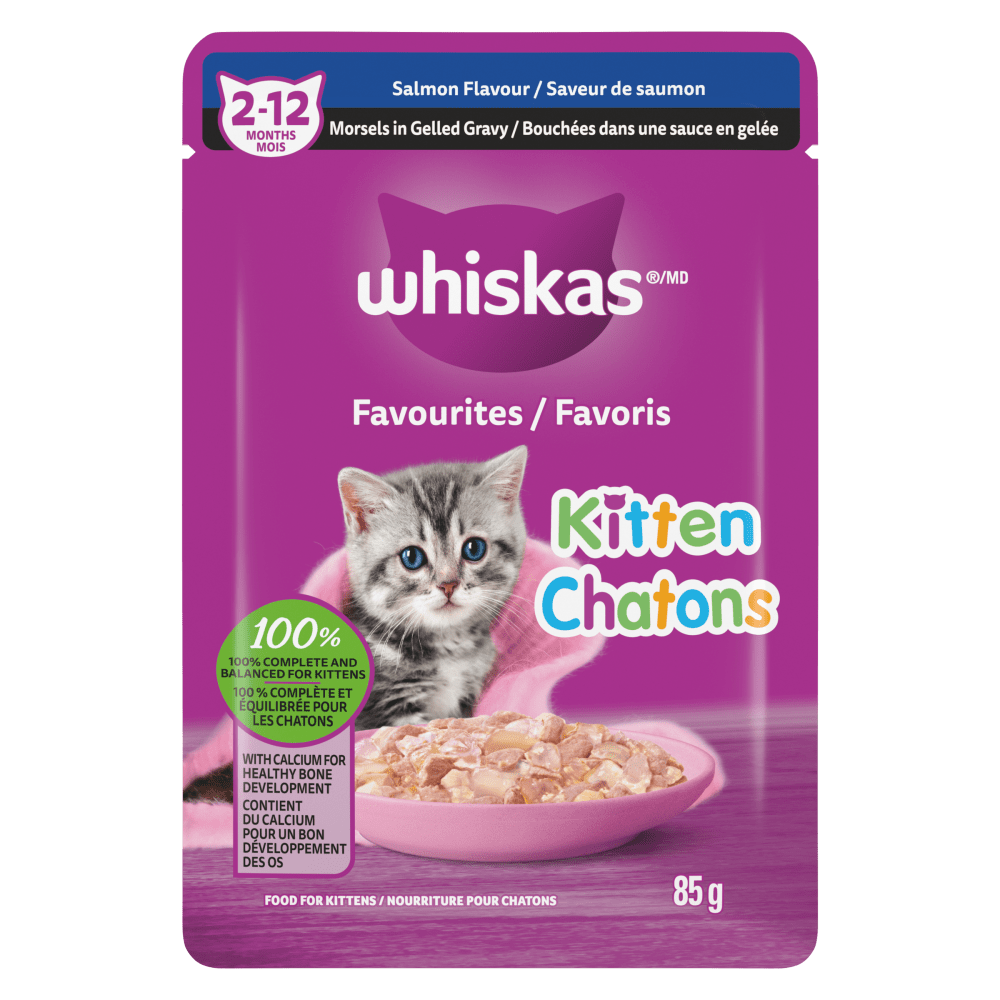
Credit: www.whiskas.ca
Differences Between Kitten And Adult Cat Food
Kitten and adult cat foods are designed for very different stages of a cat’s life. Kittens grow fast and need more energy and nutrients. Adult cats need food that supports maintenance and health without extra calories. Understanding these differences helps you choose the right food for your cat’s age and needs.
Nutritional Needs Of Kittens
Kittens require high protein and fat levels to fuel their growth. They need more calories per pound than adult cats. Nutrients like DHA support brain and eye development. Kittens also benefit from higher amounts of vitamins and minerals for strong bones and immunity.
Nutritional Needs Of Adult Cats
Adult cats need balanced nutrients for energy and body maintenance. Protein remains important but at moderate levels. Fat content is lower to prevent weight gain. Adult cat food focuses on supporting a healthy weight and organ function over growth.
Key Ingredient Variations
- Protein:Higher in kitten food for muscle and tissue development.
- Fat:More in kitten food to meet energy needs.
- Calories:Kitten food is calorie-dense; adult food has fewer calories.
- Vitamins and Minerals:Kitten food includes extra calcium and DHA.
- Fiber:Adult cat food often has more fiber for digestion.
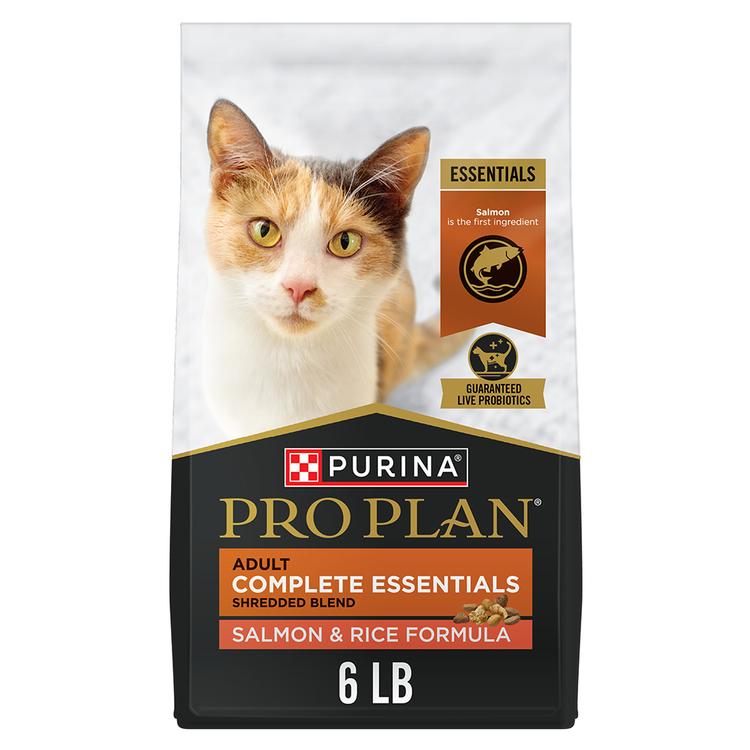
Credit: www.purina.com
Suitability Of Kitten Wet Food For Adult Cats
Feeding an adult cat kitten wet food raises questions about its suitability. Kitten food is high in calories and nutrients to support growth. But is it suitable for mature cats? Understanding the benefits and risks can help make an informed decision.
Benefits Of Kitten Food For Adults
Kitten food is nutrient-rich and calorie-dense. This can benefit underweight adult cats needing extra nutrition. It provides more protein and fat, supporting muscle maintenance. Senior cats may also gain energy from higher calorie content. Kitten food often tastes appealing, encouraging picky eaters to eat more.
Potential Risks And Concerns
Feeding kitten food to adults may lead to weight gain. Excess calories can contribute to obesity in less active cats. Adult cats require balanced nutrition; kitten food may not meet this need. High protein levels may strain an adult cat’s kidneys. It’s important to monitor your cat’s health with a vet’s guidance.
When It Might Be Appropriate
Kitten food may suit adult cats with specific needs. Those recovering from illness or surgery may benefit from extra nutrition. Cats with poor appetite might find kitten food more palatable. Underweight or malnourished adults could gain weight with kitten food. Always consult a vet before making dietary changes.
Nutritional Components To Watch
Choosing the right wet food for your adult cat means paying close attention to its nutritional content. Kitten wet food is designed to support rapid growth, so its ingredients differ from those tailored for adult cats. Understanding the key nutritional components helps you decide if kitten food can occasionally fit your adult cat’s diet without causing harm.
Protein Levels
Kitten wet food usually contains higher protein than adult cat food. This extra protein supports muscle development and energy needs during kittenhood. However, adult cats don’t need as much protein, and too much can strain their kidneys over time.
Check the label for protein percentage—adult cat food generally has around 30-35% protein, while kitten food can go higher. If your cat has health issues, such as kidney problems, sticking to adult formulas is safer.
Fat Content
Fat is another key nutrient that’s higher in kitten food to provide extra energy. Adult cats, especially less active ones, don’t need this much fat daily. Excess fat can lead to weight gain and related health problems.
Look for fat content on the packaging; kitten food might have 15-20% fat, whereas adult food often ranges from 8-15%. If you notice your cat gaining weight, consider switching to a formula with lower fat.
Caloric Density
Kitten wet food tends to be more calorie-dense to fuel their fast growth and playtime. Adult cats burning fewer calories can gain unwanted weight if fed kitten food regularly. This can lead to obesity and other health issues.
Ask yourself: Is your adult cat getting the right amount of calories? If your cat is less active, feeding kitten food might provide more calories than needed.
Vitamins And Minerals
Kitten food is fortified with extra vitamins and minerals to support development. For example, higher calcium and phosphorus levels help build strong bones. Adult cats need these nutrients too, but in balanced amounts to avoid issues like kidney stones.
Review ingredient lists carefully. Excessive supplementation in adult cats may cause health problems over time. Have you checked if your cat’s food meets their specific life stage needs?
Expert Recommendations On Feeding
Feeding adult cats with kitten wet food requires careful thought. Experts offer valuable advice to help pet owners make the best choice. Understanding these recommendations ensures the cat stays healthy and happy.
Veterinarian Perspectives
Veterinarians say kitten food has more calories and nutrients. These support growth but may cause weight gain in adult cats. Some adult cats with special needs might benefit from kitten food. Always ask your vet before changing diets.
Feeding Guidelines
- Check the food label for age recommendations.
- Feed kitten food only in small amounts to adult cats.
- Watch your cat’s weight and energy levels closely.
- Ensure fresh water is always available.
- Balance wet food with dry food or other nutrition.
Transitioning Between Foods
Switch foods slowly over 7 to 10 days. Mix new food with old, increasing new food gradually. This prevents stomach upset and helps your cat adjust. Monitor for any signs of allergies or digestion problems.
Alternatives To Kitten Wet Food For Adult Cats
Adult cats need food that matches their nutritional needs. Kitten wet food is rich in calories and nutrients for growing kittens. Adult cats require a balanced diet to maintain health and weight. Finding suitable alternatives to kitten wet food helps keep adult cats happy and well-fed.
Adult Cat Wet Food Options
Many brands offer wet food made specifically for adult cats. These foods have the right amount of protein and fats for adults. Look for labels that say “complete and balanced” for adult cats. Wet food with real meat and no fillers is best. This keeps cats healthy and supports their energy needs.
Mixing Wet And Dry Food
Mixing wet and dry food can offer variety and benefits. Wet food provides moisture, which helps with hydration. Dry food helps keep teeth clean and is easy to store. Feeding both types can improve appetite and digestion. Serve in small portions to avoid overeating and waste.
Homemade Diet Considerations
Some cat owners prefer homemade meals for their pets. Homemade diets can be healthy if made with care. Include cooked meats, like chicken or fish, and avoid harmful ingredients. Consult a vet to ensure all nutrients are included. Homemade food requires more effort but can be tailored to your cat’s taste.
Credit: www.whiskas.co.uk
Monitoring Your Cat’s Health
Keeping a close eye on your cat’s health is crucial, especially if you’re considering feeding adult cats kitten wet food. Changes in diet can impact their well-being in subtle ways. By monitoring key signs, you can ensure your cat stays healthy and happy.
Signs Of Nutritional Imbalance
Watch for symptoms like dull fur, frequent vomiting, or diarrhea. These could signal that the kitten food isn’t meeting your adult cat’s nutritional needs. Sometimes, adult cats need different vitamin and mineral levels, so spotting these signs early helps you adjust their diet promptly.
Have you noticed any changes in your cat’s coat or energy levels after switching foods? These details matter more than you might think.
Weight Management
Kitten food is designed to support rapid growth, so it’s often higher in calories. Feeding it to an adult cat regularly can lead to unwanted weight gain. Track your cat’s weight weekly and adjust portions if you see a steady increase.
Keeping a simple food diary can help you spot trends. Are you feeding extra treats or snacks that add up? Small changes in feeding habits can have a big impact on your cat’s weight.
Behavioral Changes
Changes in diet can affect your cat’s mood and activity. If your cat becomes unusually lethargic or restless, it might be linked to the food. Pay attention to how your cat acts before and after meals.
Have you observed any new behaviors since the diet change? Sometimes, behavior shifts hint at discomfort or nutritional gaps that aren’t obvious otherwise.
Frequently Asked Questions
Can Adult Cats Eat Kitten Wet Food Safely?
Yes, adult cats can eat kitten wet food occasionally. Kitten food is higher in calories and nutrients. However, it’s not ideal for daily adult cat nutrition due to excess calories and protein.
What Are The Risks Of Feeding Kitten Food To Adult Cats?
Feeding kitten food long-term to adult cats may cause weight gain. Excess protein and calories can lead to obesity and kidney strain. It’s best to stick to adult cat food for balanced nutrition.
How Is Kitten Wet Food Different From Adult Cat Food?
Kitten wet food contains more calories, protein, and fat. It supports rapid growth and development. Adult cat food has controlled nutrient levels to maintain healthy weight and organ function.
Can Kitten Wet Food Help A Sick Adult Cat?
Yes, kitten wet food can benefit sick or underweight adult cats. Its rich nutrients provide extra energy for recovery. Consult a vet before making diet changes for sick cats.
Conclusion
Adult cats can eat kitten wet food sometimes, but not always. Kitten food has more calories and nutrients meant for growing cats. Feeding it often to adults may cause weight gain or stomach upset. Use kitten food only for short periods or special cases.
Always watch your cat’s health and behavior closely. Choose food that fits your cat’s age and needs best. Healthy cats need balanced meals made for adults. Keep their diet simple, safe, and tasty. This helps your cat live a happy, long life.



Leave a Reply