Are you wondering when the right time is to switch your cat to adult food? You want to give your furry friend the best nutrition, but it’s confusing to know exactly when that change should happen.
Should your cat start eating adult food at age 1, or is it better to wait longer? Making the right choice now can impact your cat’s health, energy, and happiness for years to come. Keep reading to discover why age 1 might be the perfect time—and what you should look for in adult cat food to keep your pet thriving.
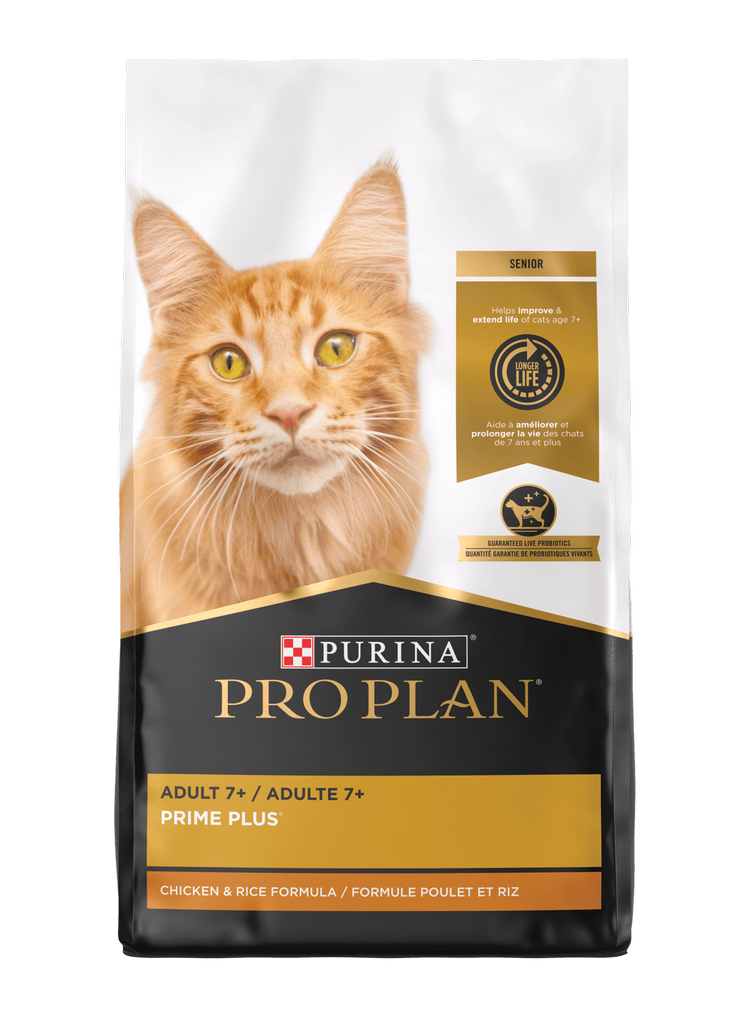
Credit: www.purina.com
When To Switch To Adult Cat Food
Knowing the right time to switch your cat to adult food is crucial for their health and well-being. The transition should match their growth and energy needs, not just their age. Paying attention to key signs and understanding their developmental stage helps you make the best choice.
Signs Your Cat Is Ready
You might notice your cat’s appetite and energy levels changing as they grow. If your kitten is less active and starts gaining weight steadily, it may be a sign that their high-energy kitten food is no longer necessary. Look for these signs:
- Your cat’s teeth are fully developed and strong.
- They seem less playful but more curious and calm.
- They have reached most of their adult size.
- Your vet confirms their growth milestones are complete.
One cat I cared for stayed on kitten food past one year, and she became overweight quickly. After switching to adult food, she maintained a healthy weight and better energy balance. Have you noticed changes in your cat’s behavior or body that could hint at readiness?
Age Vs. Developmental Stage
Age alone doesn’t always tell the full story. Some cats reach maturity earlier or later than others depending on breed and lifestyle. A one-year-old cat might still have kitten-like energy, while another may be ready for adult food at 10 months.
Consider your cat’s individual development rather than relying strictly on age:
| Developmental Stage | Typical Age Range | Key Characteristics |
|---|---|---|
| Kitten | 0-12 months | Rapid growth, high energy, developing teeth |
| Junior/Young Adult | 10-18 months | Slowing growth, stabilizing weight, maturing behavior |
| Adult | 1.5 years and older | Full size, steady weight, balanced energy needs |
Checking your cat’s weight and activity regularly can help you decide the right time for the switch. Would your cat benefit from a gradual transition based on their unique development?
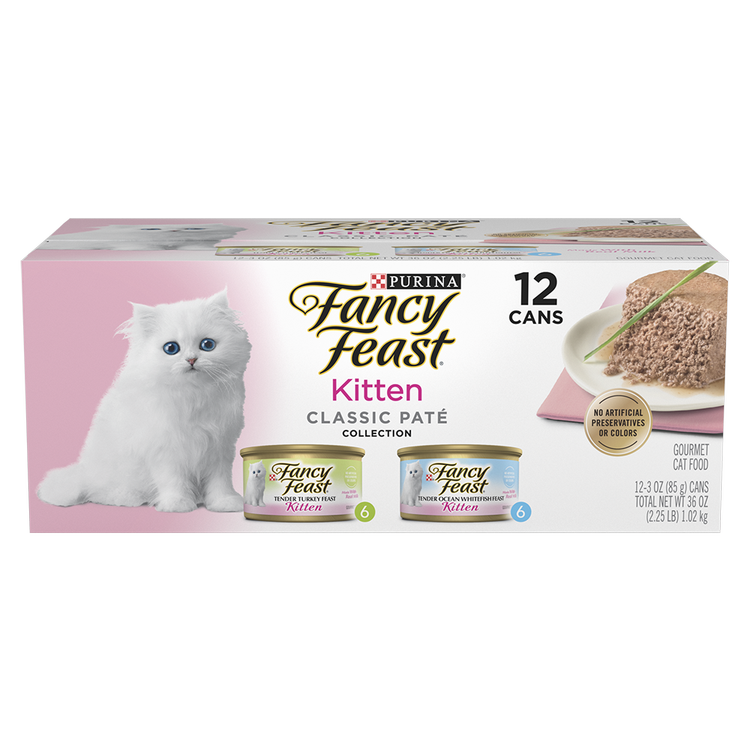
Credit: www.purina.com
Nutritional Needs Of Adult Cats
Understanding the nutritional needs of adult cats is key to deciding if your feline friend is ready to switch to adult food at age one. Their diet should support a healthy weight, maintain muscle mass, and keep their coat shiny and skin healthy. Meeting these needs helps your cat stay energetic and happy through their adult years.
Protein And Fat Requirements
Adult cats need a diet high in protein because they are obligate carnivores. This means their bodies rely on meat to get essential amino acids that plant-based foods can’t provide. You should look for cat food with at least 26% protein content to keep your cat’s muscles strong and metabolism efficient.
Fat is another crucial part of your cat’s diet. It supplies energy and helps absorb fat-soluble vitamins. Aim for food with about 9% fat to maintain your cat’s energy levels and support a healthy skin and coat.
Essential Vitamins And Minerals
Vitamins and minerals play important roles in your cat’s overall health. For example, taurine is an essential amino acid that supports heart health and vision. Without enough taurine, cats can develop serious health problems.
Calcium and phosphorus are also vital for strong bones and teeth. A balanced adult cat food will include these minerals in the right amounts to prevent deficiencies or excesses that could harm your cat.
Have you checked the label on your cat’s food lately? Ensuring it meets these nutritional guidelines will help you make the best choice for your cat’s adult diet.
Risks Of Premature Transition
Switching cats to adult food too early can cause digestive problems and nutrient imbalances. Their growing bodies need kitten food for proper development. Premature changes may lead to health issues and slow growth.
Transitioning your cat to adult food too early can pose several risks. At age 1, many cats are still developing and may not be ready for the nutritional shift. Understanding these risks can help you make informed decisions about your cat’s diet.Potential Health Issues
Switching to adult food prematurely might deprive your cat of essential nutrients that are crucial during their final growth stages. Kittens have specific dietary needs that differ from adult cats, such as higher protein and fat content. A sudden change could lead to developmental problems, impacting their long-term health.Digestive Challenges
A change in diet can also disrupt your cat’s digestive system. Younger cats may struggle to process the different ingredients found in adult food. This might result in stomach upset, diarrhea, or even vomiting, making mealtimes stressful for both you and your feline friend. Have you noticed any changes in your cat’s digestion after altering their diet? It’s crucial to monitor their reaction and consult a vet if issues persist. Ensuring a smooth transition can save your pet from discomfort and you from frequent trips to the vet.Choosing The Right Adult Cat Food
Choosing the right adult cat food is vital for your cat’s health after their first year. Adult cats need balanced nutrition to stay active and strong. The food should support their energy, weight, and overall well-being. Quality ingredients and proper nutrients are key to good adult cat food.
Wet Vs. Dry Food Options
Wet food has more moisture, which helps keep cats hydrated. It often contains more protein and fewer carbohydrates. Wet food can be easier to chew, especially for older cats or those with dental issues.
Dry food is convenient and can help keep teeth clean by reducing tartar build-up. It usually lasts longer once opened and is less messy to serve. Dry food is often more affordable and easier to store.
Some cat owners choose to offer both wet and dry food. This approach provides variety and the benefits of both types. Watch how your cat reacts to each and adjust accordingly.
Reading Ingredient Labels
Check the first ingredients listed. Look for real meat, like chicken, turkey, or fish. Avoid foods with too many fillers like corn or wheat. These add little nutritional value.
Protein should be a top ingredient because cats are carnivores. Avoid foods with artificial colors, flavors, or preservatives. These can be harmful over time.
Look for added vitamins and minerals. Taurine is essential for heart and eye health. Omega-3 and omega-6 fatty acids support a shiny coat and healthy skin.
Understanding labels helps pick the best food for your cat’s needs. Always choose foods made for adult cats, not kittens or seniors.
Special Considerations For Different Breeds
Cats have different needs based on their breed and size. Feeding adult food at age one may not suit every cat. Understanding breed differences helps provide the right nutrition.
Large Vs. Small Breeds
Large breeds like Maine Coons grow bigger and need more calories. Their adult food should support muscle and joint health. Small breeds require fewer calories but need nutrient-dense food. Feeding large breed cats like small breed portions can cause malnutrition. Small cats fed large breed portions may gain extra weight. Adjust portion sizes and nutrient content based on your cat’s breed size.
Activity Level Impact
Active cats burn more calories and need extra energy. Indoor or less active cats need fewer calories to avoid weight gain. Playing, hunting, or climbing increases a cat’s energy needs. Active cats benefit from food rich in protein and fats. Lower activity cats do better with balanced, lower-calorie diets. Match food type and amount to your cat’s daily activity.
Tips For A Smooth Food Transition
Switching your cat to adult food requires care and patience. A smooth transition helps avoid stomach upset and keeps your cat happy. Small, steady changes allow your cat’s digestion to adjust. Watch your cat closely during this time. This makes the change easier for both of you.
Gradual Introduction Methods
Start by mixing a small amount of adult food into the kitten food. Increase the adult food portion slowly over 7 to 10 days. Use these tips for a gentle switch:
- Mix 25% adult food with 75% kitten food on day one.
- Gradually change the ratio every few days.
- By day ten, feed only adult food.
- Keep feeding times consistent to build routine.
- Offer fresh water with every meal.
This slow method helps your cat’s body adjust to new nutrients and taste.
Monitoring Your Cat’s Response
Watch your cat for signs of discomfort or dislike during the transition. Check for these:
- Vomiting or diarrhea
- Refusal to eat
- Changes in energy levels
- Changes in litter box habits
Note any changes and adjust the transition speed if needed. If problems persist, consult your vet. Staying alert ensures your cat stays healthy and comfortable during the food change.
When To Consult A Veterinarian
Knowing when to consult a veterinarian about your cat’s diet is important. Cats change as they grow, and their food needs can change too. A vet can help ensure your cat stays healthy with the right nutrition. Some signs may show that your cat needs a diet check or change. Always watch your cat closely and seek expert advice when unsure.
Signs Of Nutritional Deficiencies
Look for these signs that may indicate a lack of essential nutrients:
- Dull or patchy fur
- Weight loss or poor weight gain
- Low energy or lethargy
- Digestive problems such as vomiting or diarrhea
- Excessive thirst or urination
- Frequent infections or slow healing wounds
Noticing any of these signs means a vet visit is needed. They can test and adjust your cat’s diet properly.
Adjusting Diet For Health Conditions
Some cats develop health conditions needing special food. These include:
- Kidney disease
- Diabetes
- Food allergies
- Obesity
- Digestive problems
A veterinarian can recommend diets that support these conditions. They help avoid worsening health and improve quality of life. Never change your cat’s food without consulting a professional.

Credit: www.tippaws.com
Frequently Asked Questions
When Should Cats Switch To Adult Food?
Cats should switch to adult food around their first birthday. This change supports their mature nutritional needs and maintains health.
Why Is Adult Cat Food Important At Age 1?
Adult cat food contains balanced nutrients tailored for maintenance. It helps support energy, weight, and overall well-being in mature cats.
Can Kittens Eat Adult Cat Food Before Age 1?
No, kittens require special nutrients found in kitten food. Premature switching may cause growth and health problems.
How To Transition Cats To Adult Food Smoothly?
Gradually mix adult food with kitten food over 7 days. This reduces digestive upset and helps cats adjust to new taste.
Conclusion
Cats often need adult food starting at age one. Their growth slows, and nutrition needs change. Feeding the right food helps keep cats healthy and active. Watch your cat’s weight and energy for signs. Consult a vet to choose the best food type.
Switching gradually avoids stomach problems. Healthy food supports your cat’s long life. Choosing adult cat food at the right time matters. Your cat will thank you with good health and happiness.



Leave a Reply