Are you thinking about adding a beautiful long-haired cat to your home? Long-haired cats are known for their stunning, silky coats and gentle personalities.
But with so many breeds to choose from, how do you know which one is the perfect fit for you? You’ll discover the most popular long-haired cat breeds and what makes each of them unique. By the end, you’ll have a clearer idea of which furry friend matches your lifestyle and personality.
Keep reading to find your ideal long-haired companion!
Popular Long Haired Cat Breeds
Long haired cat breeds have captured many hearts worldwide. Their thick, flowing coats make them stand out. These cats often have gentle personalities and striking looks. They require regular grooming to keep their fur soft and healthy. Below are some popular long haired cat breeds that pet lovers adore.
Maine Coon
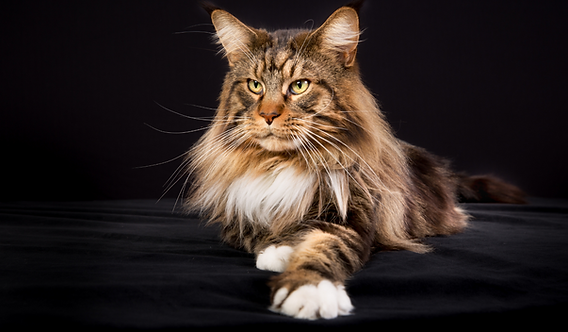
The Maine Coon is one of the largest domestic cat breeds. It has a thick, water-resistant coat that protects it from cold weather. Known for its friendly and playful nature, the Maine Coon is great with families. Its tufted ears and bushy tail give it a wild, majestic look.
Persian
Persians are famous for their luxurious, long fur and flat faces. They move slowly and enjoy a calm environment. Persians need daily grooming to avoid matting. Their sweet and gentle temperament makes them perfect lap cats. They often prefer quiet homes without too much noise.
Ragdoll
Ragdolls have silky, medium to long fur and bright blue eyes. They are known for their relaxed and docile behavior. When held, they go limp like a ragdoll. These cats are very affectionate and enjoy being around people. Ragdolls adapt well to indoor living and family life.
Siberian
The Siberian cat has a dense triple-layer coat for harsh winters. It is a strong and agile breed, originally from Russia. Siberians are playful and intelligent, making great companions. Their hypoallergenic fur is easier on some allergy sufferers. They often have a sweet and curious personality.
Birman
Birmans have long, silky coats with striking white “gloves” on their paws. They are gentle, social, and love human company. Birmans enjoy interactive play and often follow their owners around. Their calm and affectionate nature makes them ideal pets for quiet homes. Regular brushing keeps their coat shiny and soft.
Unique Traits Of Fluffy Cats
Fluffy cats stand out with their thick, soft coats and charming looks. Their long fur makes them appear extra cuddly and elegant. These cats often capture hearts with more than just their beauty. They have special traits that make them unique companions. Understanding these traits helps owners care for them better.
Coat Types And Colors
Long haired cats have various coat types. Some have silky, smooth fur that flows gently. Others have dense, plush coats that feel like velvet. Their fur colors cover a wide range:
- Solid shades like black, white, or gray
- Patterns such as tabby, calico, or tortoiseshell
- Color points found in breeds like the Himalayan or Ragdoll
These colors and patterns add to their charm and uniqueness.
Personality And Temperament
Fluffy cats often have calm and gentle personalities. Many enjoy quiet time and cuddles. They can be playful, but usually prefer a relaxed pace. These cats tend to bond closely with their owners. Some breeds are known to be social and friendly around other pets. Their temperament makes them great companions for families and singles alike.
Care Requirements
Long haired cats need regular grooming to avoid matting. Brushing daily helps keep their fur healthy and clean. They may also need occasional baths to remove dirt. Eye and ear cleaning is important for certain breeds. Regular vet visits ensure they stay in good health. Proper care keeps fluffy cats looking and feeling their best.
Grooming Tips For Long Haired Cats
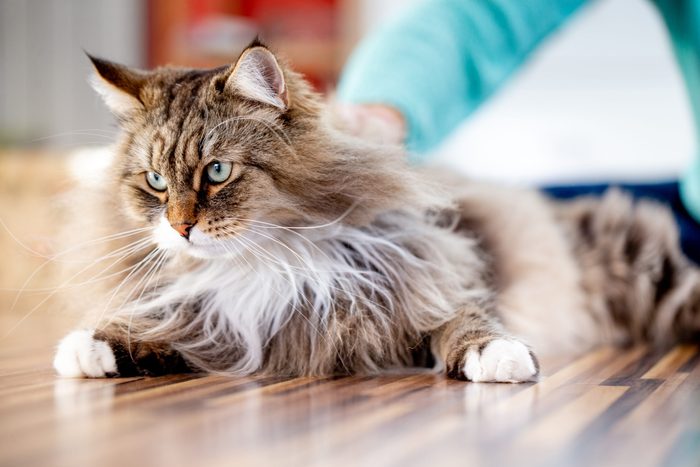
Long-haired cat breeds like Persians, Maine Coons, and Ragdolls need special care. Their thick fur requires regular brushing to avoid mats and tangles. Understanding these breeds helps keep your cat healthy and comfortable.
Long-haired cats are truly a sight to behold with their flowing locks and majestic appearance. However, their beauty comes with the responsibility of regular grooming to keep their coats healthy and free of tangles. Whether you’re a new cat owner or a seasoned pet parent, maintaining a long-haired cat’s coat can be a delightful bonding experience if done right.Brushing Techniques
Regular brushing is key to managing your long-haired cat’s coat. Aim for daily sessions to prevent tangles and reduce shedding. Use a slicker brush for general grooming and a wide-toothed comb for deeper knots. Start by gently brushing in the direction of hair growth. Pay special attention to areas prone to matting, like behind the ears and under the legs. Remember, gentle strokes are essential to avoid hurting your cat.Preventing Mats And Tangles
Mats and tangles can quickly become a problem if not addressed. A detangling spray can be your best friend in loosening stubborn knots. Spritz lightly and work through gently with your fingers before brushing. Keep an eye on high-friction areas. These are typically places where your cat lies down or has frequent movement. Regularly checking these spots can help prevent mats from forming.Bathing And Hygiene
Though cats are self-cleaners, long-haired cats may require the occasional bath. Use a cat-specific shampoo to maintain their skin’s pH balance. Ensure the water is lukewarm to keep your cat comfortable during the bath. Drying is as crucial as washing. Use a towel to gently pat them dry and, if your cat tolerates it, a blow dryer on the lowest setting. This helps to fluff their coat back to its original glory. Grooming isn’t just about aesthetics; it’s about keeping your feline friend happy and healthy. Are you ready to transform your grooming routine into quality time with your pet?
Credit: www.aol.com
Health Concerns In Long Haired Breeds
Long haired cat breeds are beautiful but require special care. Their dense fur can hide health issues. Owners must be aware of common concerns for these cats. Proper care helps keep them happy and healthy.
Common Genetic Issues
Many long haired breeds have specific genetic risks. For example, Persian cats often face kidney problems. Maine Coons may have heart disease called hypertrophic cardiomyopathy. Knowing breed-specific risks helps in early detection. Watch for unusual behavior or symptoms.
Hairball Management
Long hair leads to more hairballs. Cats swallow loose fur during grooming. Hairballs can cause vomiting or digestive blockage. Regular brushing reduces loose fur. Special diets and hairball remedies support digestion. Keep an eye on your cat’s eating and litter habits.
Regular Vet Checkups
Frequent vet visits are important for long haired cats. Vets check for hidden skin problems under thick fur. Early treatment prevents serious issues. Vaccinations and parasite control keep cats safe. Discuss breed-specific concerns with your vet during visits.
Choosing The Right Fluffy Cat For You
Choosing the right long-haired cat breed is important for a happy home. These fluffy cats need care and attention. Understanding your lifestyle and what each breed requires helps find the perfect match. Think about your daily routine, space, and how much time you can spend with your new pet.
Long-haired cats often need regular grooming and a calm environment. Some breeds are more social, while others prefer quiet time. Knowing these differences can make living with your fluffy friend enjoyable and stress-free.
Lifestyle Compatibility
Consider how active you are. Some long-haired cats enjoy playing and exploring. Others like to relax and stay indoors. If you have children or other pets, choose a breed that adapts well to a busy home. Grooming needs also vary. Some cats require daily brushing. Others need less care. Matching your lifestyle with a cat’s needs prevents problems later.
Adoption Vs. Breeder
Adopting a long-haired cat saves a life. Many cats in shelters need loving homes. Adoption costs less and gives a cat a second chance. Breeders offer specific breeds with known traits. They provide health guarantees and pedigrees. Choose a responsible breeder who cares for their cats. Whether adopting or buying, research the cat’s health and history.
Cost And Commitment
Long-haired cats can be expensive to care for. Grooming supplies, vet visits, and food add up. Some breeds have special health needs. Plan for these costs before bringing a cat home. Commitment means years of love and care. Cats live 10 to 20 years. Be ready to give time, attention, and patience every day.

Credit: headsupfortails.com
Credit: www.rd.com
Frequently Asked Questions
What Are The Most Popular Long Haired Cat Breeds?
Popular long haired cat breeds include Persian, Maine Coon, Ragdoll, and Norwegian Forest cats. Each breed has unique traits and fluffy coats.
How Do Long Haired Cats Differ From Short Haired Ones?
Long haired cats have thicker, longer fur that requires regular grooming. They tend to shed more and may need extra care for mats.
Are Long Haired Cats Hypoallergenic?
No, long haired cats are not hypoallergenic. Their fur can trap more allergens, which may worsen allergies in sensitive people.
What Grooming Is Needed For Long Haired Cats?
Long haired cats need daily brushing to prevent tangles and mats. Regular grooming also reduces shedding and keeps their coat healthy.
Conclusion
Long-haired cat breeds bring beauty and charm to any home. Their soft fur needs regular care to stay healthy. Each breed has a unique look and personality. Choosing the right cat depends on your lifestyle and preferences. These cats can be loving and playful companions.
Enjoy the joy they add to your life. Remember, caring for long fur takes time and patience. Embrace the warmth and friendship these cats offer every day.


Leave a Reply