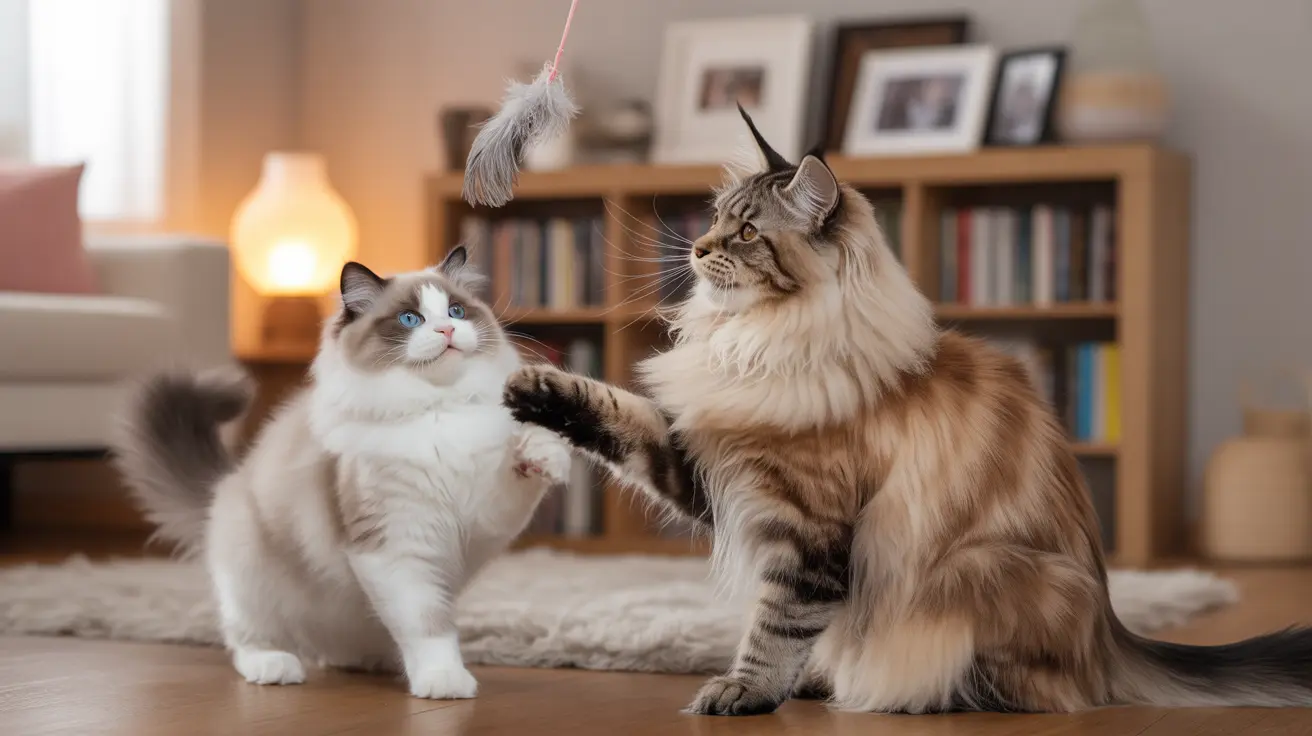
If you have more than one cat at home, you might wonder: do cats with companions still need toys? It’s easy to think that because they have each other, toys might be unnecessary.
But is that really true? Understanding what your cats need to stay happy and healthy can make a big difference in their behavior and your peace of mind. Keep reading to discover why toys could still be essential, even when your cats have friends to play with.

Credit: www.oliverpetcare.com
Benefits Of Toys For Cats
Toys play a key role in a cat’s health and happiness. Even cats with companions enjoy toys. They add variety to daily life and keep cats active. Toys help cats stay fit and alert. They also prevent boredom and stress, which can affect behavior.
Stimulating Physical Activity
Toys encourage cats to move, jump, and chase. This exercise keeps muscles strong and joints flexible. Active play helps control weight and improves overall health. Cats with friends still need this energy outlet. It stops them from becoming lazy or overweight.
Encouraging Mental Engagement
Toys challenge a cat’s mind. Puzzle toys and moving objects make cats think and problem-solve. Mental exercise sharpens focus and prevents dullness. Cats with companions benefit from extra mental stimulation. It keeps their brains healthy and curious.
Reducing Stress And Boredom
Toys offer comfort and fun during quiet times. They reduce anxiety by giving cats something positive to do. Bored cats may act out or become restless. Toys provide a healthy way to release energy and calm down. Cats with friends still need toys to stay relaxed and happy.
Impact Of Companionship On Play
Having more than one cat at home changes the way they play. Companionship influences their energy levels, interest in toys, and how they interact during playtime. Understanding this impact helps you decide whether your cats still need toys or if their play comes naturally through each other.
Social Interaction Among Cats
Cats living together often develop unique social bonds that shape their play behavior. They may chase, wrestle, or groom each other, which can satisfy many of their play needs. However, this interaction doesn’t replace the mental stimulation toys provide; it simply complements it.
Think about your own cats: do they seem to enjoy rough-and-tumble play or more gentle, mutual grooming? These social interactions are important, but they don’t always engage all parts of your cat’s curiosity and hunting instincts.
Shared Play Versus Individual Play
Shared play between cats can be fun to watch, but it doesn’t always meet each cat’s individual needs. Some cats prefer solo play, especially when chasing a moving toy or pouncing on a laser pointer. Others may enjoy cooperative games like batting a ball together.
Notice if one cat is dominating play or if both are equally involved. If one cat often ends up sidelined, providing individual toys can balance the experience and keep both cats active and happy.
Balancing Attention Between Cats
When you have multiple cats, it’s easy for one to get more attention during playtime. This can cause jealousy or boredom in the other. Make a habit of rotating toys and play sessions to ensure each cat gets quality interaction.
Ask yourself: Are you giving each cat the chance to engage with toys and with you? Small adjustments like separate playtimes or personalized toys can make a big difference in their happiness and energy levels.
Choosing The Right Toys
Choosing the right toys for cats with companions can be a bit tricky. You want toys that keep both cats entertained without causing competition or stress. The best toys match your cats’ personalities, age, and play style, making playtime fun and safe for everyone.
Types Of Toys Cats Enjoy
Cats love a variety of toys that stimulate their natural instincts. Interactive toys like feather wands and laser pointers encourage chasing and pouncing. Puzzle feeders challenge their minds and reward them with treats, keeping them busy for longer periods.
Don’t forget simple toys like balls, crinkle tunnels, and soft stuffed mice. These are great for solo play or sharing between companions. You might notice your cats have different favorites, so keep a mix handy to cater to both.
Age-appropriate Options
Young kittens often prefer small, lightweight toys they can bat around and carry in their mouths. Their energy levels are high, so toys that promote active play work best. Older cats may prefer softer toys or those that move slowly to match their gentler play style.
Observe your cats and swap out toys that seem too easy or too hard to keep them engaged. Have you ever seen a senior cat perk up for a simple feather toy? Age really changes play preferences.
Safety Considerations
Safety should always come first. Avoid toys with small parts that can be swallowed or sharp edges that might hurt your cats. Strings and ribbons are fun but should be used under supervision to prevent choking or entanglement.
Check toys regularly for wear and tear. Torn fabric or broken pieces can become hazardous quickly. How often do you inspect your cats’ toys? A quick safety check can save you a trip to the vet.

Credit: deziroo.com
Incorporating Toys Into Daily Routine
Cats with companions still benefit from toys for mental and physical stimulation. Toys help reduce boredom and encourage active play throughout the day. Including toys in their routine supports their natural hunting instincts and keeps them happy.
Incorporating toys into your cat’s daily routine is more than just a fun activity—it’s essential for their mental and physical health. Cats, even those with companions, need stimulation and engagement to prevent boredom and encourage natural behaviors. By integrating toys into their day, you create opportunities for exercise, skill development, and bonding.Scheduled Playtime Benefits
Designating specific times for play can significantly benefit your cat. It establishes a routine that they can look forward to, reducing anxiety and promoting a sense of security. Regular play sessions can also help manage weight and improve their overall fitness.Encouraging Independent Play
Not every play session requires your involvement. Provide toys that encourage solo play, like puzzle feeders or ball tracks. This allows your cat to entertain themselves, fostering independence and problem-solving skills.Interactive Play Techniques
Engage your cat with interactive toys such as feather wands or laser pointers. These toys mimic hunting, satisfying your cat’s natural instincts. Try varying the speed and direction to keep your cat intrigued and mentally stimulated. Consider rotating toys to keep things fresh and exciting. This simple change can reignite your cat’s interest and prevent playtime from becoming stale. Do you ever notice a change in your cat’s behavior after a good play session? Perhaps they seem more relaxed or affectionate. Incorporating toys into their daily routine could be the key to unlocking a happier, healthier feline companion.Signs Your Cats Need More Toys
Cats with companions can still need toys to stay happy and healthy. Toys help keep their minds sharp and bodies active. They also reduce boredom and stress. Knowing the signs your cats need more toys helps you keep them entertained and content.
Behavioral Indicators
Watch for changes in how your cats act. If they seem restless or easily irritated, they may need new toys. Signs include:
- Increased meowing or attention-seeking
- Excessive grooming or licking
- Restlessness or pacing
These behaviors show your cats want more mental or physical stimulation.
Changes In Activity Levels
Notice if your cats become less playful or active. A drop in energy can mean boredom. Cats need toys that encourage movement and exercise. Watch for:
- Less chasing or jumping
- More sleeping than usual
- Ignoring existing toys
Keeping cats active supports their health and prevents weight gain.
Avoiding Destructive Habits
Destructive behaviors often point to a lack of engagement. Cats may scratch furniture or chew items out of boredom. Signs to watch include:
- Scratching doors or sofas
- Chewing wires or plants
- Knocking things off shelves
Providing new toys can help redirect this energy positively.

Credit: www.catschool.co
Frequently Asked Questions
Do Cats With Companions Still Need Toys?
Yes, cats with companions still need toys. Toys stimulate their minds and encourage healthy play. They reduce boredom and prevent destructive behavior. Toys also help maintain physical fitness and strengthen bonds between feline friends.
How Do Toys Benefit Cats With Companions?
Toys provide mental stimulation and physical exercise. They improve coordination and reduce stress for cats living together. Toys also prevent rivalry by offering shared activities and promote positive social interactions.
Can Toys Prevent Fights Between Companion Cats?
Yes, toys can reduce conflicts by redirecting energy. Engaging play distracts cats from aggressive behavior. Shared toys encourage cooperative play and build harmony between cats.
What Types Of Toys Suit Cats With Companions?
Interactive toys like feather wands and puzzle feeders work best. Toys that encourage group play, such as balls or laser pointers, are ideal. Variety keeps cats interested and active together.
Conclusion
Cats with companions still benefit from having toys around. Toys keep them active and help avoid boredom. They encourage play and strengthen bonds between cats. Different toys offer new challenges and fun experiences. Even friendly cats need mental and physical stimulation daily.
Providing toys shows you care for their happiness and health. Keep their environment lively with varied toys and playtime. This helps cats stay joyful and healthy together. Toys remain important, no matter how many cat friends they have.



Leave a Reply