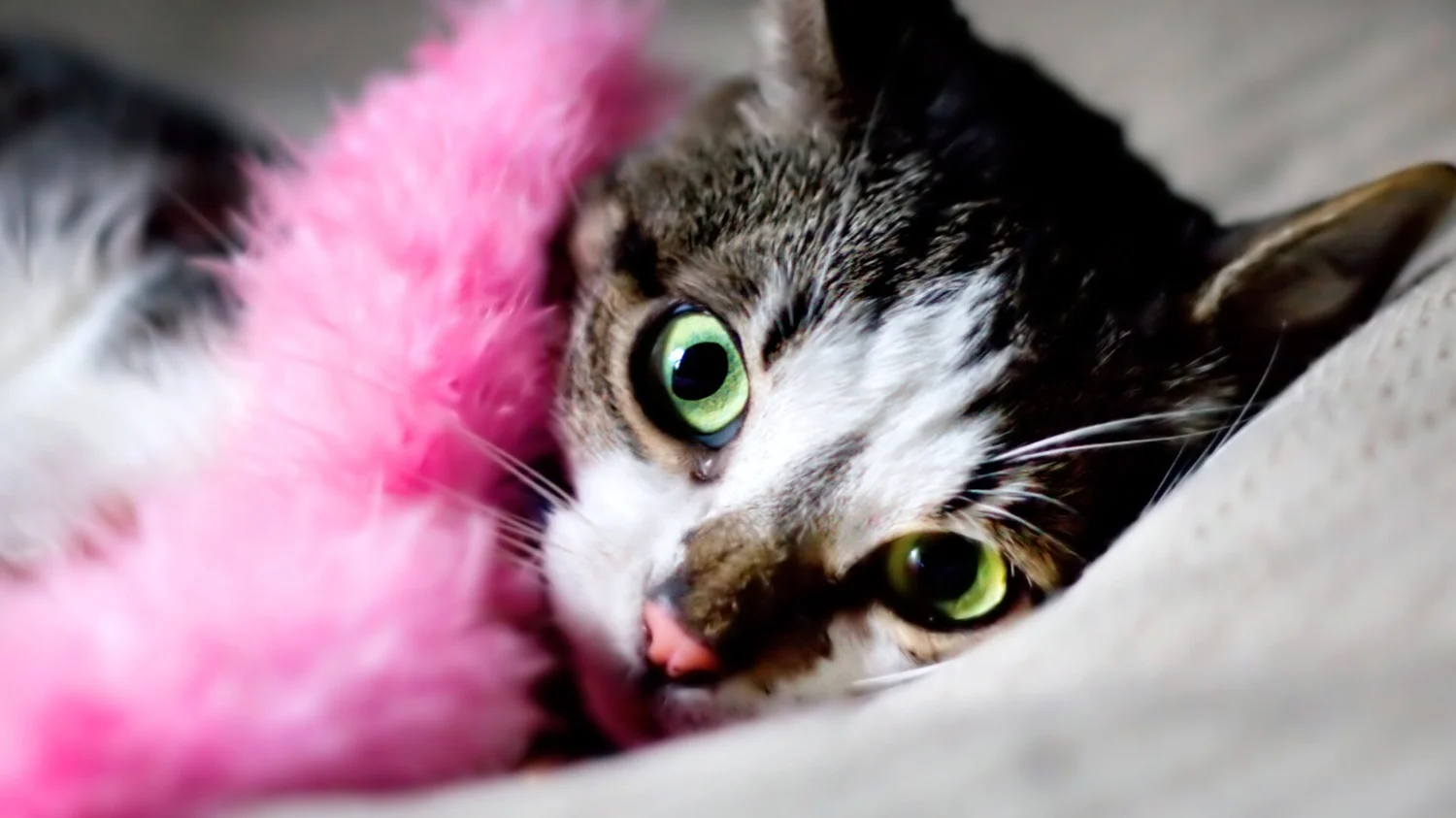
Have you ever wondered if your cat actually knows that you’re the one holding their favorite toy? You might see them staring intently, paws ready to pounce, but are they truly aware it’s you teasing them?
Understanding this can change the way you play and bond with your furry friend. Keep reading, because the answer might surprise you—and it will help you connect with your cat like never before.

Credit: danspetcare.com
Cat Senses And Toy Awareness
Cats rely on their senses to understand their surroundings. These senses help them notice toys and play actively. Their sharp senses make them aware of even small movements or scents. This awareness makes playtime exciting and engaging.
Each sense plays a unique role in how cats detect toys. Eyesight helps them spot movement. Smell lets them identify familiar scents. Hearing alerts them to sounds from the toy. Together, these senses guide their playful behavior.
How Cats Use Their Eyesight
Cats have excellent eyesight in low light. They notice quick movements easily. Their eyes focus on moving toys, not on still objects. This helps cats track toys during play. Their eyes work best in dim lighting, like dawn or dusk. Bright light can sometimes make it harder for them to focus.
Role Of Smell In Toy Detection
Smell is very important for cats. Toys often carry their owner’s scent or catnip smell. Cats use their noses to find toys hidden nearby. They can tell if a toy smells familiar or new. This sense helps them decide if a toy is interesting or safe. Smell creates a connection between the cat and the toy.
Hearing And Toy Movement
Cats have sharp hearing tuned to high-pitched sounds. They hear the rustle or squeak of toys clearly. Sounds help cats locate toys even when they cannot see them. Hearing also alerts cats to movements nearby. This makes play more thrilling and keeps their attention focused.
Body Language And Cat Communication
Cats communicate a lot through their body language. Understanding their gestures helps you know if they notice the toy you hold. Their movements, expressions, and posture tell stories about their feelings and focus.
Cats use subtle signals to show interest or caution. Watching these clues helps you see if they know you have a toy. Their body language is a powerful way to connect with them.
Reading Cat Gestures
Cats use their whole body to send messages. A crouched body shows readiness to pounce. Raised fur means excitement or fear. Slow blinks are signs of trust and calmness. Watch how your cat moves to guess their mood.
Tail And Ear Signals
The tail says a lot about a cat’s feelings. A straight-up tail means happiness or curiosity. A twitching tail hints at irritation or focus. Ears point where cats listen most. Forward ears show interest; flattened ears show fear or anger.
Pupil Dilation And Interest
Cat pupils change size based on light and emotion. Large pupils mean excitement or surprise. Small pupils show calm or focus. If your cat’s pupils widen when you hold a toy, they likely notice and feel interested.
Cats’ Memory And Object Recognition
Cats often remember where toys are and recognize objects they have seen before. They can tell if you are holding their favorite toy by watching your hands and movements closely. This shows their strong memory and ability to connect objects with actions.
Cats’ memory and object recognition play a significant role in how they interact with the world around them. You may have wondered if your cat knows you’re the one holding their favorite toy. Understanding how their memory works and how they recognize objects can offer insights into their playful behavior.Short-term Vs Long-term Memory
Cats have both short-term and long-term memory, each serving different purposes. Short-term memory helps them remember where a toy was last seen or where they left their last snack. However, it’s their long-term memory that helps them recall familiar objects and experiences over time. Does your cat remember the toy you introduced months ago? Thanks to long-term memory, they likely do.Recognizing Familiar Toys
Cats can recognize toys they have played with before. This recognition is often based on the toy’s scent, texture, or sound. If a toy makes a distinct noise, like a bell or a crinkle, your cat might come running even if it’s been tucked away for weeks. Ever notice how your cat snubs new toys but goes wild for the old ones? Familiarity is comforting and exciting for them.Associating Hands With Toys
Cats may associate your hands with toys, especially if you’re the one who usually initiates playtime. When you dangle a feather or toss a ball, your hands become part of the fun experience. This association can be so strong that your cat might follow your hands eagerly, expecting play to begin. Have you ever moved your hand and seen your cat pounce, even without a toy? They may be anticipating the next exciting game. Understanding these behaviors can help you connect better with your feline friend, enhancing your shared moments of joy and play. So, next time you pick up a toy, remember the role your presence plays in your cat’s playful world.
Credit: www.reddit.com
Play Behavior And Toy Interaction
Cats show unique play behavior that links closely to their natural instincts. Toys spark their interest and mimic prey animals. This interaction helps cats practice skills they use in the wild. Watching your cat play reveals much about their hunting nature and how they connect with you.
Hunting Instincts In Play
Cats treat toys like real prey. Their eyes focus, and their body tenses. This behavior mirrors hunting in the wild. They stalk, wait quietly, then strike quickly. These actions keep their hunting skills sharp. Play satisfies their need to chase and catch.
Chasing And Pouncing Techniques
Cats use chasing to catch moving toys. They run fast and change direction suddenly. Pouncing helps them grab and hold the toy. These moves test their speed and accuracy. Practicing these techniques is fun and healthy. It also helps them stay active and alert.
Testing Owner Reactions
Cats watch closely when you hold a toy. They learn if you will move or stay still. Sometimes, they pause to see your next move. This testing builds trust and communication. They want to know how you will join the play. It’s part of their social behavior with humans.
Scientific Studies On Cat Cognition
Scientific studies on cat cognition reveal interesting insights into how cats understand their surroundings. Researchers explore how cats think about objects and human actions. These studies help explain if cats realize you hold a toy even when it is out of sight.
Scientists use simple tests to check if cats remember hidden objects. They also observe how cats respond to human behavior. This research shows how cats learn and what they understand about people and things around them.
Experiments On Object Permanence
Object permanence means knowing something still exists when hidden. Researchers test if cats watch a toy disappear and then look for it. Many cats search for toys after hiding, showing they grasp this idea.
This skill helps cats in hunting and playing. It shows cats can keep track of objects even without seeing them all the time.
Cats And Human Intentions
Studies test if cats notice what humans want or plan to do. Cats watch people hiding toys or food. Some cats understand where the toy is and try to get it.
Cats can read human gestures like pointing. This ability shows cats pay attention to human actions and try to figure out intentions.
Behavioral Research Findings
- Cats remember hidden objects for some time.
- They follow human cues like pointing and gaze.
- Cats show curiosity and patience in tests.
- Individual cats differ in how much they understand.
These findings suggest cats have a good sense of their environment. They know when you hold a toy and may try to get it. Cat cognition is more complex than many people expect.
Tips To Engage Cats With Toys
Engaging your cat with toys can transform playtime into a fun and stimulating experience for both of you. Cats are curious creatures who respond best when toys match their natural instincts and energy levels. Knowing how to choose and use toys effectively will make a big difference in keeping your feline friend interested and active.
Choosing The Right Toys
Not all toys catch a cat’s attention equally. Look for toys that mimic prey movements, such as feather wands or small balls that can be batted around. Soft toys filled with catnip often spark excitement and encourage play.
Consider your cat’s personality. Some cats prefer chasing, while others enjoy pouncing or stalking. Try different types like laser pointers, interactive puzzles, or crinkly toys to see what your cat prefers. Does your cat respond more to noise or texture?
Interactive Play Techniques
Engage your cat by moving toys in unpredictable ways. Drag a feather wand slowly across the floor or flick a string suddenly to trigger their hunting instincts. Your involvement turns toys into exciting targets rather than boring objects.
Use pauses and quick movements to simulate real prey. Let your cat catch the toy occasionally to keep them motivated. Have you noticed how your cat’s focus sharpens when you imitate the erratic movements of a mouse or bird?
Encouraging Active Play
Set aside regular play sessions daily to keep your cat physically and mentally fit. Short bursts of activity, even 10 to 15 minutes, can make a difference. Rotate toys to prevent boredom and maintain their interest.
Use treats or praise to reward your cat’s effort during play. This positive reinforcement encourages them to stay active. Have you tried hiding toys or treats to stimulate your cat’s curiosity and problem-solving skills?

Credit: www.lordsandlabradors.co.uk
Frequently Asked Questions
Do Cats Recognize When You Hold Their Toy?
Yes, cats can recognize when you hold their toy. They use sight and smell to identify it. This awareness helps them decide when to pounce or play. Cats are highly observant and can associate your hand with the toy’s presence.
How Do Cats React When You Hide A Toy?
Cats often show curiosity or frustration if you hide a toy. They may paw, sniff, or search around to find it. This behavior shows their strong hunting instincts and attachment to their toys. Hiding toys can also stimulate their mental activity.
Can Cats Tell Who Has Their Toy?
Cats can distinguish who holds their toy by sight and scent. They remember familiar people and associate them with playtime. This recognition builds trust and strengthens your bond. Cats may prefer playing with owners they recognize with their toys.
Why Do Cats Stare At Toys In Your Hand?
Cats stare at toys in your hand to assess the situation. They are evaluating when to pounce or if the toy is safe. This focused attention is part of their hunting instinct. It also signals anticipation and excitement for playtime.
Conclusion
Cats seem to understand when you hold their toy. They watch closely and get ready to pounce. This shows their strong focus and play instincts. Playing with toys helps build trust and fun moments. Your cat enjoys the game and learns from your actions.
Keep playing to strengthen your bond and keep them active. Simple moments like these bring joy to both you and your cat. Remember, your cat notices more than you might think.



Leave a Reply