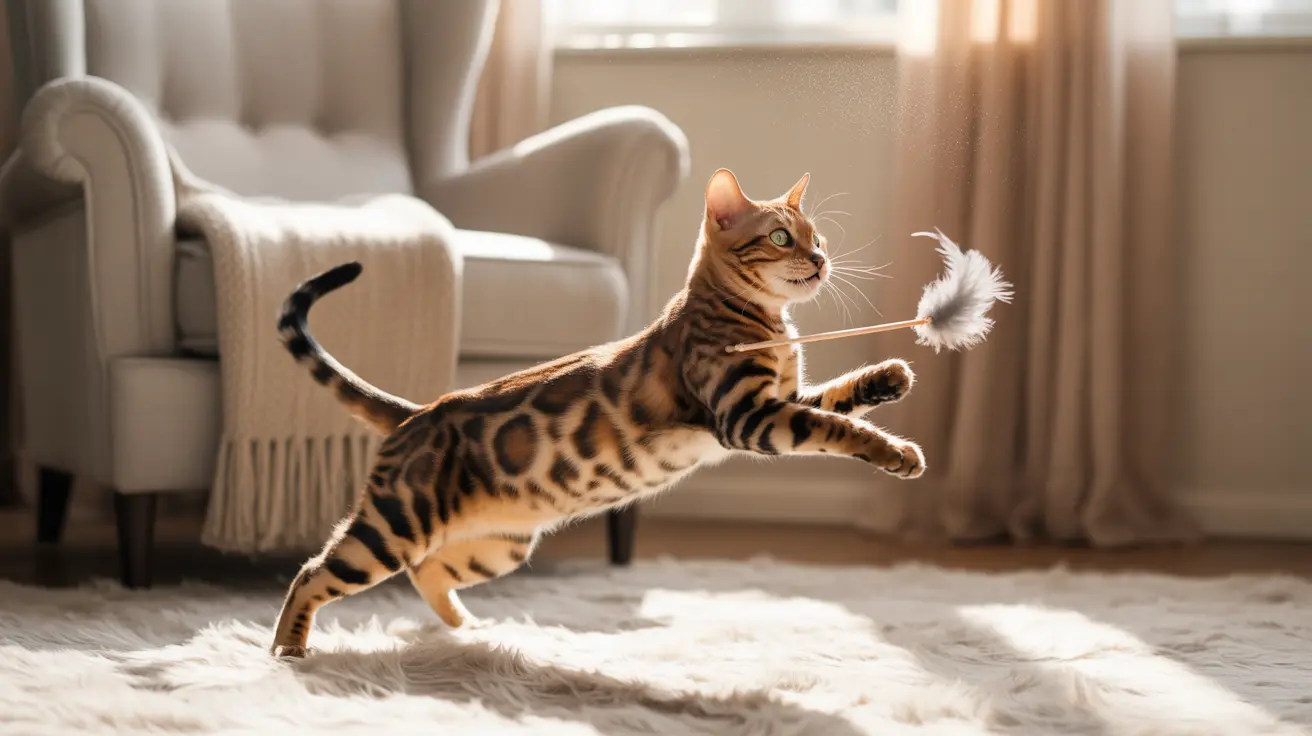
Have you ever wondered if your older cat still enjoys playing with toys? You might think that as cats get older, they lose interest in fun and games.
But the truth could surprise you. Understanding how your senior cat interacts with toys can help you keep them happy, healthy, and active. You’ll discover why playtime matters for older cats and how you can choose the right toys to spark their curiosity again.
Keep reading to learn how to bring joy and energy back into your cat’s life—no matter their age.
Activity Levels In Older Cats
Older cats often change how they play and move. Their activity levels shift with age. Understanding these shifts helps owners keep senior cats happy and healthy.
Changes In Energy Over Time
As cats grow older, their energy usually drops. They spend more time resting and less time running. Young cats might chase toys for hours. Older cats prefer shorter play sessions. Energy bursts become gentle and brief.
Common Play Behaviors
Older cats enjoy calmer play. They like batting small toys or soft balls. Some enjoy gentle pouncing or stalking slow-moving items. Play may include:
- Light chasing of feather toys
- Swatting at dangling strings
- Exploring puzzle feeders
These activities keep their minds sharp and bodies active.
Impact Of Health On Activity
Health affects how much older cats play. Joint pain and arthritis can limit movement. Vision or hearing loss may reduce interest in toys. Weight and diet also influence activity. Regular vet visits help manage these issues. Healthy cats stay more playful and active.
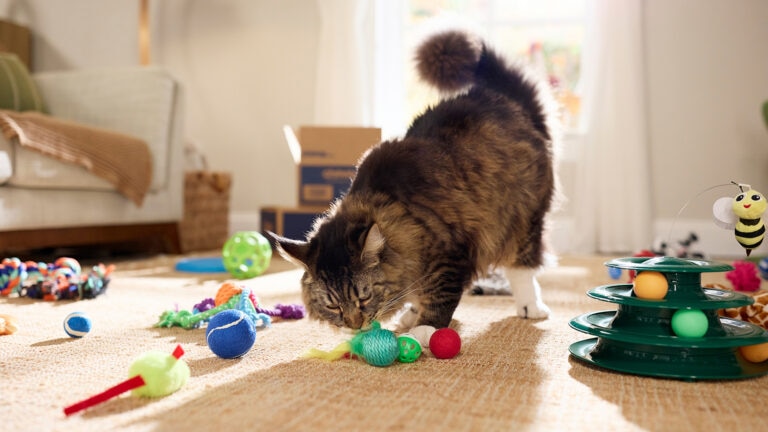
Credit: www.chewy.com
Types Of Toys Older Cats Prefer
Older cats enjoy gentle toys that move slowly and are easy to catch. Soft balls, feather wands, and plush mice keep them interested. Simple toys help older cats stay active without tiring quickly.
Cats, regardless of age, enjoy playtime. Older cats might not be as energetic, but they still find joy in toys. Their preferences often change with age. Understanding these preferences helps keep them engaged and happy.Interactive Toys That Engage
Interactive toys stimulate an older cat’s mind. Puzzle feeders are excellent choices. They encourage cats to work for their treats. Wand toys also captivate older cats. The movement mimics prey, sparking interest. Laser pointers provide physical exercise. Cats chase the light, encouraging activity.Comfort And Texture Preferences
Older cats appreciate soft toys. Plush toys offer comfort during play. Cats often carry or snuggle these toys. Texture plays a vital role too. Some cats prefer toys with different fabrics. Toys with varied textures keep their interest alive. This variety stimulates their senses.Safe Toy Choices For Senior Cats
Safety is crucial for senior cats. Avoid toys with small parts. These can be choking hazards. Opt for larger, sturdy toys. Check toys regularly for wear and tear. Damaged toys can be dangerous. Safe toys ensure worry-free playtime for older cats.Benefits Of Play For Senior Cats
Play remains important for cats as they grow older. Senior cats benefit from gentle activity that keeps their bodies moving and minds alert. Toys can inspire these moments of fun and exercise. Engaging a senior cat in play helps maintain their overall well-being and happiness.
Physical Health Advantages
Play helps older cats stay active. It supports muscle strength and joint flexibility. Regular movement can ease arthritis pain and improve balance. Light exercise also helps keep a healthy weight. This reduces the risk of diabetes and heart problems. Safe toys encourage gentle chasing and pouncing. These actions keep senior cats physically fit.
Mental Stimulation And Mood
Older cats enjoy challenges that stimulate their minds. Interactive toys spark curiosity and focus. Mental activity can reduce stress and boredom. It also prevents cognitive decline. Play triggers natural hunting instincts, which brings joy. A stimulated mind leads to a happier cat. It can reduce anxiety and improve overall mood.
Strengthening The Human-cat Bond
Playing together builds trust and closeness. It creates positive experiences between cat and owner. Shared playtime shows love and attention. This strengthens emotional connections and loyalty. Engaging a senior cat in play reduces feelings of loneliness. It makes cats feel safe and cared for. These moments deepen the bond over time.
:strip_icc()/playing-kitten-467517301-57d965155f9b584c16a28994.jpg)
Credit: www.thesprucepets.com
Encouraging Play In Older Cats
Encouraging play in older cats keeps them active and mentally sharp. Playtime isn’t just for kittens; senior cats benefit greatly from gentle, engaging activities that suit their changing abilities. You might be surprised how much your older cat enjoys a good game when you tailor it to their needs.
Adapting Playtime To Cat’s Needs
Older cats may not chase toys as vigorously as they once did, but they still enjoy interaction. Choose soft, lightweight toys that are easy to bat around without requiring a lot of energy.
Short, frequent play sessions work better than long, intense ones. Watch how your cat responds and adjust the pace accordingly to avoid overstimulation or fatigue.
Have you noticed your cat favoring a particular type of toy or movement? Use that as a guide to personalize playtime and keep it enjoyable.
Creating A Stimulating Environment
Make your cat’s surroundings inviting with cozy spots and varied textures. Add interactive toys like puzzle feeders or feather wands to spark curiosity.
Rotate toys regularly to keep things fresh and interesting. Sometimes, a simple change in toy placement can make a huge difference in your cat’s willingness to play.
Consider gentle climbing structures or soft tunnels to encourage exploration without straining joints. These small changes can boost your cat’s motivation to stay active.
Recognizing Signs Of Play Interest
Older cats might show interest in play differently than younger ones. Look for subtle cues like focused staring, pawing gently, or twitching tails.
If your cat approaches you with a toy or nudges it toward you, it’s a clear invitation to join the fun. Responding to these signals strengthens your bond.
Have you ever missed these quiet invitations? Paying close attention can open up new ways to connect with your senior cat through play.
When Play Declines
As cats grow older, you might notice a drop in their eagerness to chase toys or engage in playful antics. This decline in play can be normal but sometimes signals deeper issues. Understanding why your older cat plays less helps you respond with care and keep them comfortable.
Possible Medical Concerns
A decrease in play can hint at health problems. Arthritis is common in senior cats and makes movement painful, so they avoid activities that require jumping or running. Dental issues or vision loss may also reduce their interest in toys.
Watch for signs like limping, stiffness, or reluctance to climb. If your cat suddenly stops playing, it’s worth considering a vet check to rule out pain or illness. Remember, play is a form of exercise and mental stimulation—both essential for your cat’s well-being.
Behavioral Changes To Watch
Sometimes, a lack of play comes from changes in mood or behavior rather than physical issues. Older cats might become more reserved or prefer quiet environments. You might notice they nap more or seem less curious about their surroundings.
Changes like hiding, reduced grooming, or increased irritability can also affect playtime. These shifts can point to stress, cognitive decline, or even depression. Pay close attention to your cat’s overall behavior to catch these subtle clues early.
When To Consult A Vet
If your cat’s play drops off suddenly or is paired with other worrying signs, it’s time to get professional advice. A vet can perform a full health check and suggest treatments or adjustments to ease discomfort. They might recommend pain relief, supplements, or changes in diet to support your cat’s energy and mood.
Don’t wait for more obvious symptoms to appear. Early intervention can make a big difference in your cat’s quality of life. What changes have you noticed in your older cat’s play habits? Talking to your vet can help you find the best way to keep your furry friend active and happy.

Credit: www.amazon.com
Frequently Asked Questions
Do Older Cats Enjoy Playing With Toys?
Yes, older cats do enjoy playing with toys. Play keeps them active, mentally stimulated, and helps maintain their agility. Choosing age-appropriate toys can encourage gentle, engaging play sessions.
What Types Of Toys Suit Senior Cats Best?
Senior cats prefer soft, lightweight toys like feather wands and plush mice. Interactive toys that encourage slow, careful movement work well. Avoid noisy or fast-moving toys that may startle older cats.
How Often Should Older Cats Play With Toys?
Older cats should play daily but for shorter periods, around 10-15 minutes. Regular play helps maintain their physical health and reduces stress. Gentle, consistent play sessions are ideal for seniors.
Can Play Improve An Older Cat’s Health?
Yes, play improves older cats’ physical and mental health. It promotes joint flexibility, muscle strength, and cognitive function. Play also reduces anxiety and prevents boredom in senior cats.
Conclusion
Older cats enjoy toys just like younger ones do. Playing helps keep them active and happy. Simple toys can spark their curiosity and fun. It also strengthens the bond between you and your cat. Never think they are too old to play.
Try different toys to find what they like best. Keep their playtime gentle and safe. Watching them play brings joy to both of you. So, give your older cat a chance to play daily. It makes their life better and full of fun.

Leave a Reply