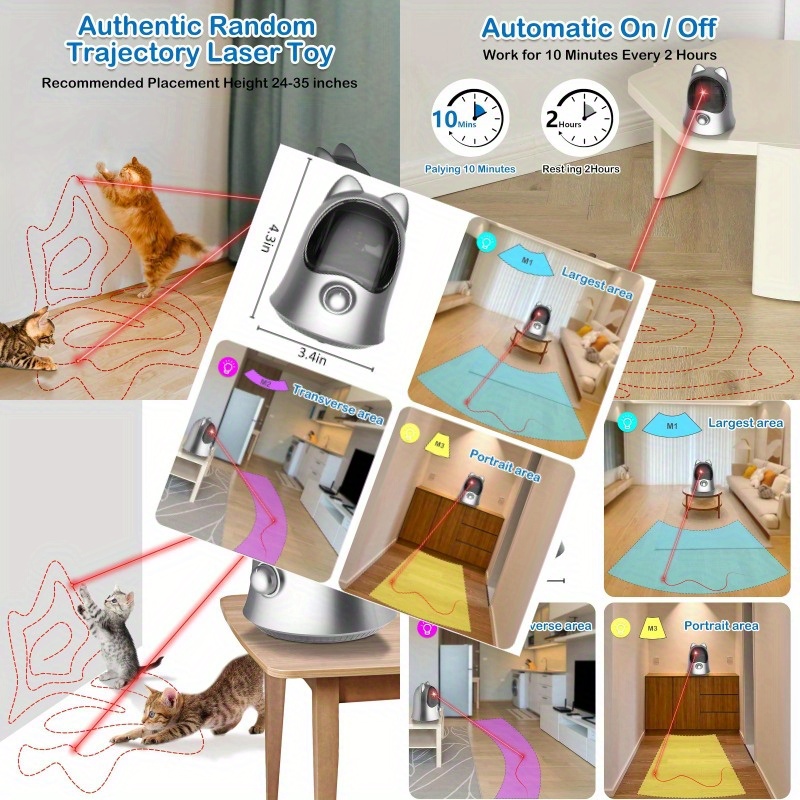
Have you ever wondered if those stationary laser toys really keep your cat entertained? You might have seen endless videos of cats chasing laser dots, but does a stationary laser toy do the trick in your home?
If you want to know whether these gadgets can keep your furry friend active and happy, you’re in the right place. Keep reading to discover how these toys work, what your cat really thinks, and whether they’re worth trying for your pet’s playtime.
How Laser Toys Attract Cats
Laser toys attract cats by tapping into their natural behaviors and senses. Cats are drawn to quick, small movements and bright lights. These toys mimic real prey, keeping cats interested and active. Understanding why cats chase lasers helps explain the appeal of stationary laser toys.
Cat Hunting Instincts
Cats have strong hunting instincts. They chase anything that moves fast and unpredictably. The laser light acts like a tiny, quick prey. This triggers their desire to stalk, chase, and pounce. Even indoor cats keep these instincts alive by following laser dots.
Hunting is more than food for cats; it is mental exercise. The laser’s random movement excites their brain. It keeps them alert and focused. This satisfies their natural urge to hunt without real prey.
Movement And Light Appeal
Laser lights are bright and sharp. Cats notice these small, bright spots easily. Their eyes are tuned to detect quick changes in light and movement. This makes laser dots hard to ignore.
The unpredictable pattern of a laser mimics the erratic moves of insects or small animals. Cats love to chase things that dart and flicker. The quick changes in direction keep cats engaged and eager to play.

Credit: www.amazon.com
Effectiveness Of Stationary Laser Toys
Stationary laser toys promise a fun and interactive way to keep your cat entertained. But how effective are they really? Understanding their impact on your cat’s behavior and engagement can help you decide if they’re worth adding to your playtime routine.
Engagement Levels
Stationary laser toys can capture your cat’s attention quickly. The unpredictable movement of the laser dot stimulates their natural hunting instincts.
However, the level of engagement often depends on your cat’s personality. Some cats chase with enthusiasm, while others lose interest after a few minutes.
Unlike handheld laser pointers, stationary toys offer consistent play without your direct involvement. This can be great for busy owners but might reduce the excitement for some cats.
Limitations And Challenges
One key limitation is the lack of physical reward. Cats cannot actually catch the laser dot, which may lead to frustration over time.
Some cats may become obsessed or stressed by the endless chase with no tangible outcome.
Also, the fixed position of the toy limits movement variety. Cats often prefer dynamic play that mimics real prey, which stationary lasers cannot fully provide.
Have you noticed your cat’s reaction change after repeated sessions with a stationary laser? This can indicate whether the toy is truly effective or just a passing curiosity.
Benefits Of Laser Play For Cats
Stationary laser toys keep cats active and entertained by encouraging chasing and pouncing. These toys help improve their agility and provide mental stimulation without needing constant human involvement. Cats enjoy the unpredictable movement of the light, which keeps their interest alive.
Cats are natural hunters, with an instinct to chase and pounce. Laser play taps into this innate behavior, offering numerous benefits that go beyond just fun. Engaging your feline friend with a stationary laser toy can significantly enhance their quality of life.Exercise And Mental Stimulation
Laser play is a fantastic way to get your cat moving. A stationary laser toy can encourage even the laziest of cats to chase the elusive red dot, providing much-needed physical exercise. This activity helps in maintaining a healthy weight, which is crucial for your cat’s overall well-being. But it’s not just about the body; it’s about the mind too. Chasing the laser engages your cat’s brain, offering mental stimulation that keeps their mind sharp. It’s an excellent way to prevent boredom and the destructive behaviors that can result from it.Bonding Opportunities
Playing with a laser toy can be a shared activity that strengthens the bond between you and your cat. Even if the toy is stationary, your presence and interaction can make it a shared experience. Have you ever noticed how your cat looks to you when they catch the dot? It’s as if they’re sharing a victory. This shared playtime can enhance trust and deepen your relationship. Laser play can even serve as a conversation starter in a multi-cat household. Observing how they take turns or play together can provide insights into their social dynamics. Who knew a simple red dot could tell you so much about your feline friends? Incorporating laser play into your cat’s routine is simple, yet it brings significant benefits. So, why not give it a try and see the positive impact on your cat’s life?Potential Risks And Concerns
Stationary laser toys can seem like a fun way to entertain your cat, but they come with potential risks you should consider. Understanding these concerns helps you make safer choices for your pet’s playtime. Let’s look at some issues that might affect your cat’s well-being when using these toys.
Frustration And Anxiety
Cats are natural hunters who expect to catch their prey. With stationary laser toys, the light never stops moving, but your cat can never actually catch it. This can lead to feelings of frustration and anxiety.
One cat owner shared how their pet became restless and started pacing after repeated laser play without reward. Without a real target to catch, your cat might feel stressed or even lose interest in play. It’s important to balance laser play with toys they can physically grab, like balls or stuffed mice.
Eye Safety Issues
Laser pointers, including stationary ones, emit concentrated light beams that can harm your cat’s eyes. Direct exposure to the beam can cause damage to the retina, especially if your cat stares at the laser for too long.
Always avoid shining the laser directly into your cat’s eyes. Some laser toys come with safety ratings—look for low-powered lasers labeled as safe for pets. If you notice your cat blinking excessively or avoiding light after play, consult your vet immediately.
Alternatives To Stationary Laser Toys
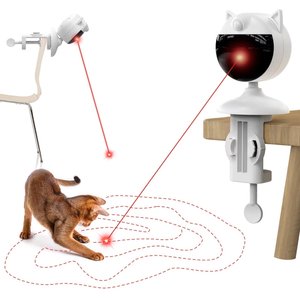
Stationary laser toys can keep cats busy for a while. Yet, they often lack the unpredictability cats enjoy. Cats need toys that react and change to stay interested. Exploring other options can help keep your pet active and happy. These alternatives offer more interaction and mental stimulation.
Interactive Toys
Interactive toys move or respond to your cat’s actions. They encourage hunting skills and mental exercise. Some toys wiggle, spin, or make noises to attract your cat. Many come with feathers or small balls to chase. These toys can keep cats engaged longer than static laser lights.
- Battery-operated mice that scurry around
- Feather wands that flutter and sway
- Automatic ball launchers for fetch-style play
- Puzzle feeders that challenge your cat’s mind
Interactive toys give cats a more natural play experience. They help reduce boredom and keep cats physically fit.
Manual Laser Play
Manual laser play lets you control the beam’s movement. This unpredictability excites cats and triggers their hunting instincts. You can change speed, direction, and patterns easily. This variety keeps your cat guessing and engaged.
Using a handheld laser pointer allows bonding time. You can watch how your cat reacts and adjust play accordingly. Ending play sessions with a tangible toy helps prevent frustration.
- Move the laser slowly to mimic stalking prey
- Use quick bursts to simulate darting movements
- Include breaks with petting or treats
- Always let your cat catch a toy at the end
Manual laser play offers fun and exercise. It provides mental and physical stimulation that stationary lasers often miss.
Credit: www.chewy.com
Tips For Using Laser Toys Safely
Using stationary laser toys for your cat can be a fun way to keep them active, but safety is key to making the experience enjoyable and healthy. Without proper care, laser play can lead to frustration or even harm. Here are some practical tips to help you use these toys effectively and safely.
Encouraging Realistic Play
Cats need to feel like they are hunting real prey during playtime. Instead of keeping the laser darting endlessly, try to mimic the natural movements of small animals—quick bursts, pauses, and sudden changes in direction.
Mix laser play with physical toys your cat can catch and bite. I’ve found that adding a stuffed mouse or feather at the end of the laser chase helps satisfy their hunting instincts fully.
Ask yourself: does your cat seem engaged or just confused? If it’s the latter, slow down the laser movements or switch to a toy they can physically catch.
Ending Sessions Positively
Laser play can be frustrating if your cat never gets to “catch” anything. Always end sessions by directing the laser onto a tangible toy or treat your cat can grab. This gives them a sense of achievement.
Keep play sessions short but frequent. About 5 to 10 minutes is enough to tire your cat without overdoing it.
Think about your cat’s mood after the game. Are they relaxed or restless? Ending on a positive note helps reduce anxiety and builds a better bond between you and your pet.

Credit: www.amazon.com
Frequently Asked Questions
Do Stationary Laser Toys Engage Cats Effectively?
Yes, stationary laser toys can engage cats by stimulating their hunting instincts. Cats chase the moving light, providing mental and physical exercise.
Are Stationary Laser Toys Safe For Cats To Use?
Stationary laser toys are generally safe if used properly. Avoid shining the laser directly into your cat’s eyes to prevent damage.
How Do Stationary Laser Toys Benefit Cats’ Health?
These toys encourage physical activity, helping cats maintain a healthy weight. They also reduce boredom and stress by keeping cats mentally stimulated.
Can Stationary Laser Toys Replace Interactive Playtime?
No, stationary laser toys are a supplement, not a replacement. Cats also need direct interaction for bonding and varied stimulation.
Conclusion
Stationary laser toys can keep cats entertained for a while. Cats enjoy chasing the moving light, which helps them stay active. These toys offer mental and physical exercise. But cats might get bored if the light stays in one spot too long.
It’s best to watch your cat’s reaction and switch toys if needed. Playtime should be fun and safe for your pet. Overall, stationary laser toys work well but need your attention to keep cats happy.



Leave a Reply