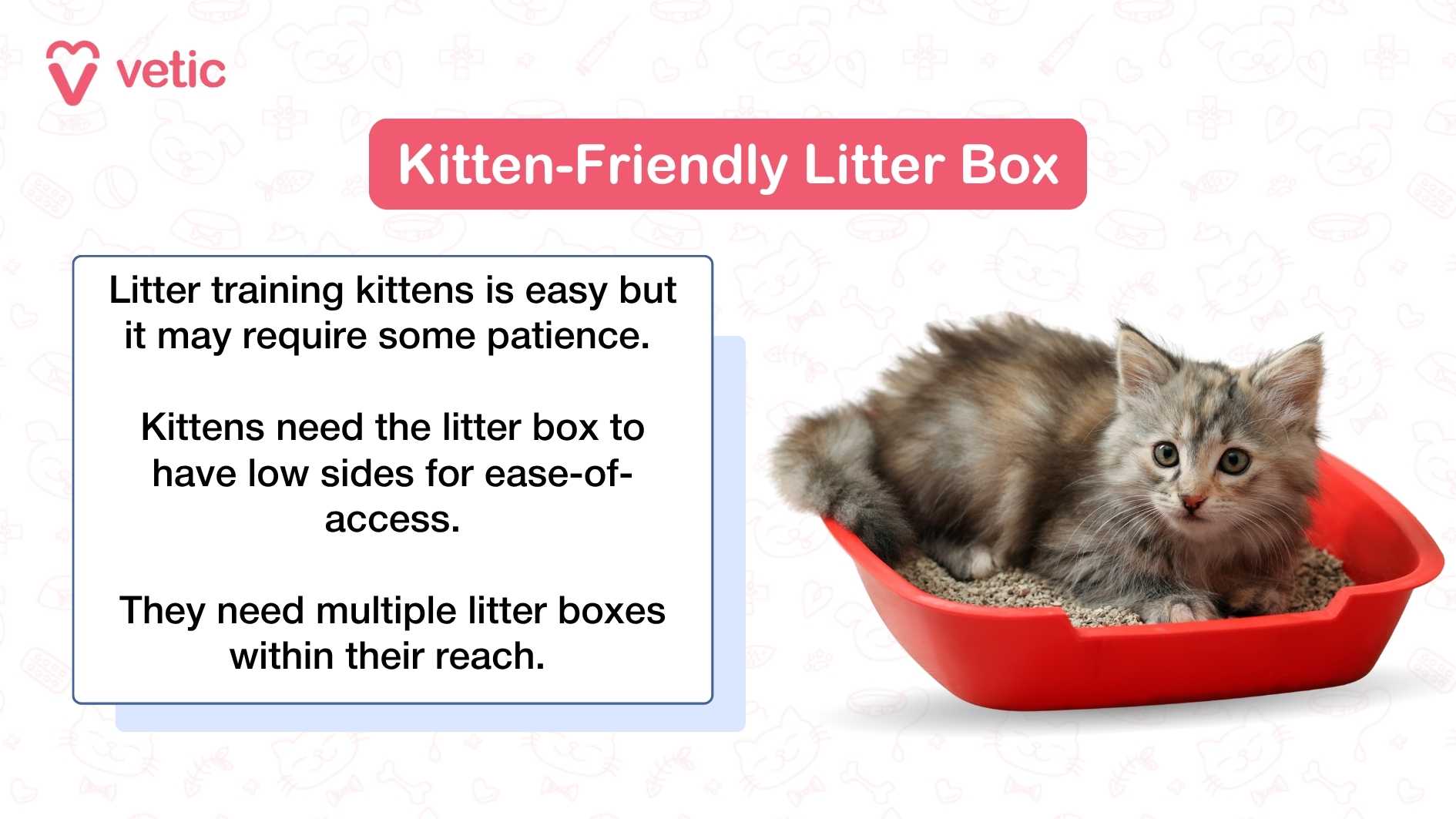
Have you ever wondered why cats seem to learn potty habits so quickly and with little effort? If you’ve struggled with potty training other pets, you might be surprised at how naturally cats take to it.
Understanding what makes cats easy to potty train can save you time and frustration. You’ll discover the simple reasons behind their quick learning, and how you can use this to your advantage for a cleaner, happier home. Keep reading to unlock the secrets that make cat potty training almost effortless!
Natural Instincts
Cats have strong natural instincts that help them learn fast. These instincts guide their behavior, making potty training easier. Understanding these instincts helps pet owners train cats with less effort. Cats want to stay clean and safe. These instincts make them avoid messes and use a litter box instead.
Cats’ Cleanliness Habits
Cats spend a lot of time grooming themselves. They lick their fur to keep it clean and free from dirt. This habit shows how much they care about cleanliness. They avoid dirty places and prefer clean spots for their bathroom needs. This natural desire for cleanliness helps cats use the litter box.
They like to keep their living area neat. Cats do not want to sit or lie near their waste. This urge makes them use a specific place for bathroom purposes. Potty training works well because cats want to keep their space clean.
Burial Behavior
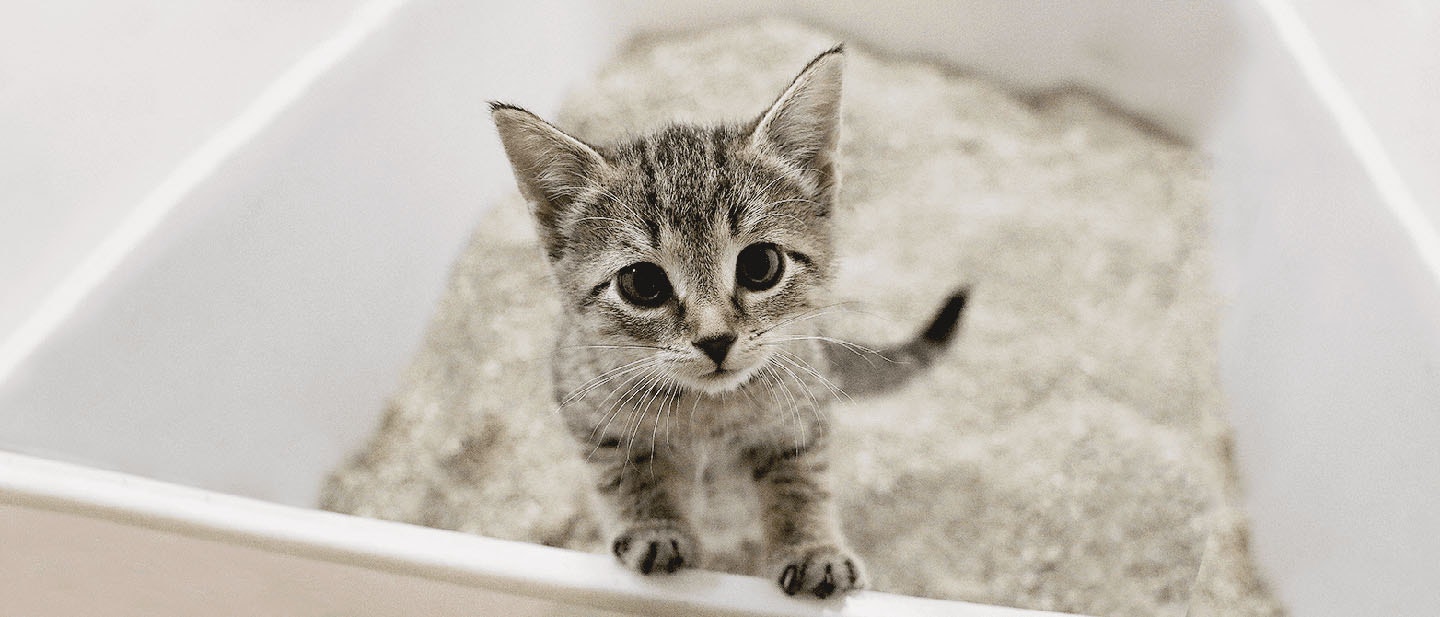
Cats instinctively bury their waste. This behavior comes from wild ancestors. Burying waste helps hide their scent from predators and other animals. It also keeps their home area clean and free from smell.
This burial action is easy to teach in the house. Cats naturally want to cover their litter. They scratch and dig in the litter box to bury their waste. This natural habit makes potty training simple and effective.
Credit: www.whiskas.com.ph
Litter Box Appeal
Cats find litter boxes naturally appealing, making potty training easier. Their instincts lead them to bury waste, keeping their space clean. This behavior matches well with the litter box setup. Cats seek comfort and privacy during bathroom use. The litter box offers a safe, familiar spot. Understanding what makes the litter box attractive helps improve training success.
Texture Preferences
Cats prefer certain textures for their litter. Soft, fine-grained litter feels like natural dirt or sand. It allows easy digging and covering of waste. Rough or hard litter can discourage use. Unscented and dust-free litter works best to avoid irritation. Cats often reject wet or clumpy litter that sticks to their paws. Choosing the right texture encourages consistent use of the box.
Location Choices
Cats like quiet and private places for their litter box. High traffic or noisy areas cause stress and avoidance. A spot near food or water is off-limits for cats. Good ventilation prevents odors and keeps the area fresh. Easy access is important, especially for older cats. Placing the box in a calm, safe corner helps cats feel secure.
Learning Ability
Cats quickly learn where to go because they naturally bury their waste. Their clean habits make potty training simple and fast. This strong instinct helps them adapt easily to litter boxes.
Cats are known for their impressive learning ability, making potty training easier. Their natural instincts and intelligence play a vital role. Cats observe, adapt, and learn quickly. This makes them efficient learners in new environments.Observational Skills
Cats have keen observational skills. They watch and mimic behaviors. This helps them understand their surroundings. They learn by watching other cats or humans. Observing litter box usage becomes intuitive.Quick Adaptation
Cats adapt to changes swiftly. They adjust to new routines with ease. This quick adaptation aids in potty training. A new litter box is quickly accepted. Cats recognize the litter box as their designated spot.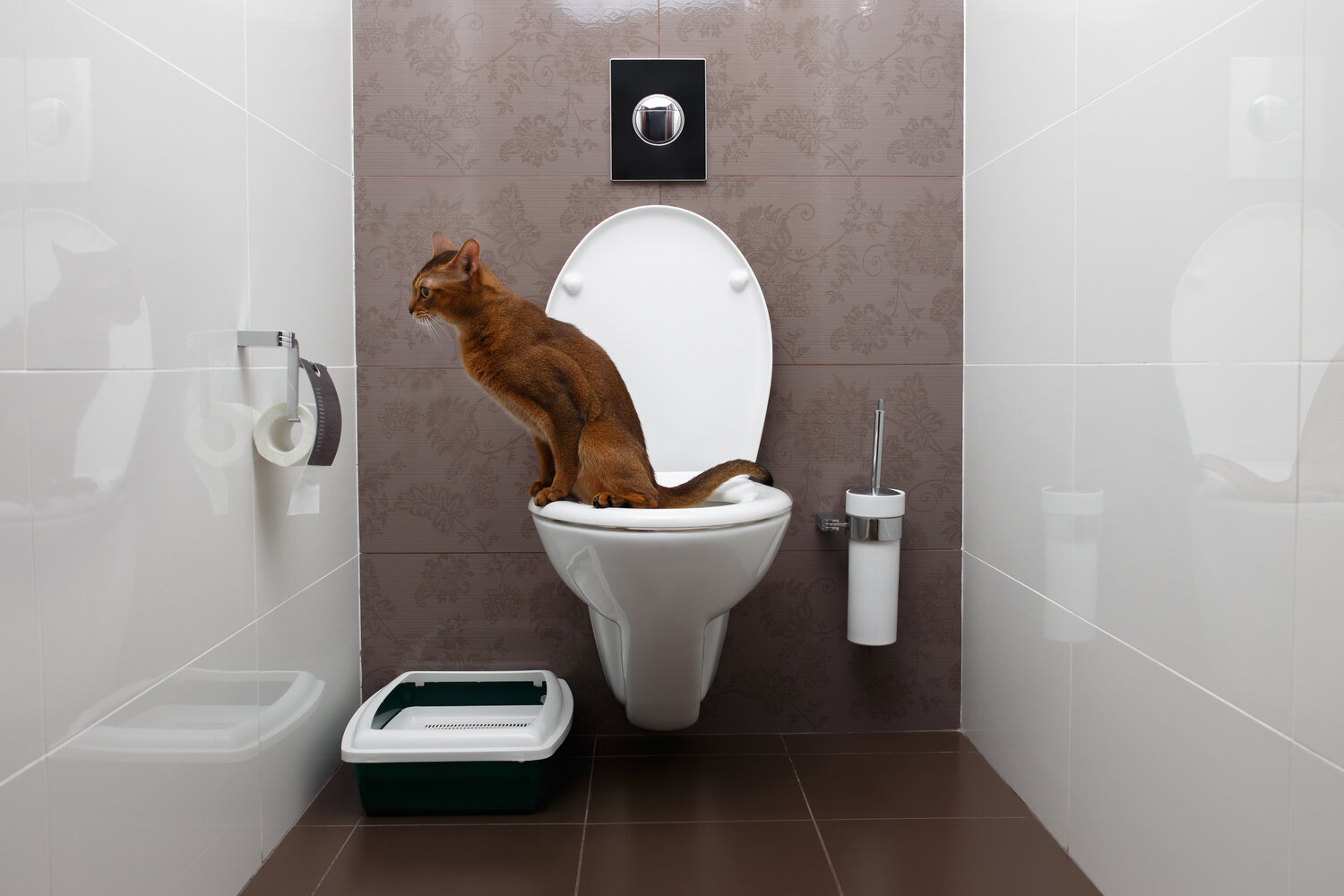
Credit: visapoint.travel
Human Interaction
Human interaction plays a key role in potty training cats. Cats are social animals that learn behaviors through communication with their owners. They respond well to gentle guidance and clear signals from people.
Owners can help cats understand where and when to use the litter box by being patient and consistent. Cats feel safe and confident when their humans are involved, which makes training easier and faster.
Positive Reinforcement
Rewarding cats for using the litter box encourages good habits. Praise, petting, or small treats show cats they did the right thing. Positive reinforcement helps cats connect the litter box with a pleasant experience.
This method builds trust between cat and owner. It also reduces accidents by guiding cats toward proper behavior instead of punishing mistakes.
Routine Establishment
Cats thrive on routine and predictability. Feeding, playtime, and litter box cleaning should happen at regular times every day. A steady schedule helps cats understand when to expect bathroom breaks.
Consistent routines reduce stress and confusion. Cats learn to anticipate their needs and act accordingly. Human interaction that maintains these routines supports faster potty training success.
Common Challenges
Potty training cats seems easy but it can have challenges. These challenges can cause accidents or stress for both cats and owners. Understanding these common issues helps in handling training better. Patience and care are key to success.
Avoiding Accidents
Accidents happen if cats find the litter box dirty or hard to reach. Cats dislike dirty spaces and may go elsewhere. Place the box in a quiet, accessible spot. Clean it daily to keep your cat comfortable. Watch for signs your cat needs to go. Prompt response reduces accidents.
Addressing Aversion
Some cats avoid the litter box due to bad past experiences. Loud noises or harsh cleaning products can scare them. Use gentle cleaners without strong smells. Avoid punishing your cat for accidents. Build trust with calm, positive interactions. Help your cat feel safe near the box.

Credit: www.purina.com
Tips For Success
Potty training cats can be simple with the right approach. Success depends on a few key factors. These tips help create a positive and clean environment for your cat. Patience and consistency also play important roles. Following these guidelines makes training easier for both you and your pet.
Choosing The Right Litter
Selecting litter that your cat likes encourages use of the box. Cats prefer fine-grained, unscented litter. Avoid strong fragrances that may repel them. Clumping litter helps keep the box clean and makes scooping easier.
- Test different types to find your cat’s favorite
- Use enough litter to cover the box floor well
- Keep the litter box in a quiet, accessible place
Maintaining Cleanliness
Clean litter boxes attract cats and reduce accidents. Scoop waste daily to keep the area fresh. Wash the box with mild soap weekly to remove odors. Avoid harsh chemicals that might deter your cat.
- Replace litter fully every 1-2 weeks
- Use multiple boxes in multi-cat households
- Check for signs of illness if your cat avoids the box
Frequently Asked Questions
Why Are Cats Naturally Easy To Potty Train?
Cats have an instinct to bury their waste, making litter use natural. This behavior simplifies potty training compared to other pets.
How Does A Cat’s Hygiene Affect Potty Training?
Cats are naturally clean animals. Their strong hygiene habits encourage consistent use of a litter box, aiding easy potty training.
What Role Does Litter Box Placement Play In Training?
Proper litter box placement in quiet, accessible areas helps cats feel safe. This encourages regular use and smooth potty training.
Can A Cat’s Intelligence Aid In Potty Training?
Cats are intelligent and learn routines quickly. Their ability to associate litter boxes with elimination speeds up potty training success.
Conclusion
Cats have natural habits that make potty training simple. They prefer clean, quiet places to do their business. This instinct helps them learn litter box use quickly. Owners just need to provide a good litter box and keep it clean.
Cats respond well to routine and consistency. These traits make potty training less stressful for both cats and owners. Understanding these facts helps create a happy home for your pet. Easy potty training is one reason cats fit well in many households.


Leave a Reply