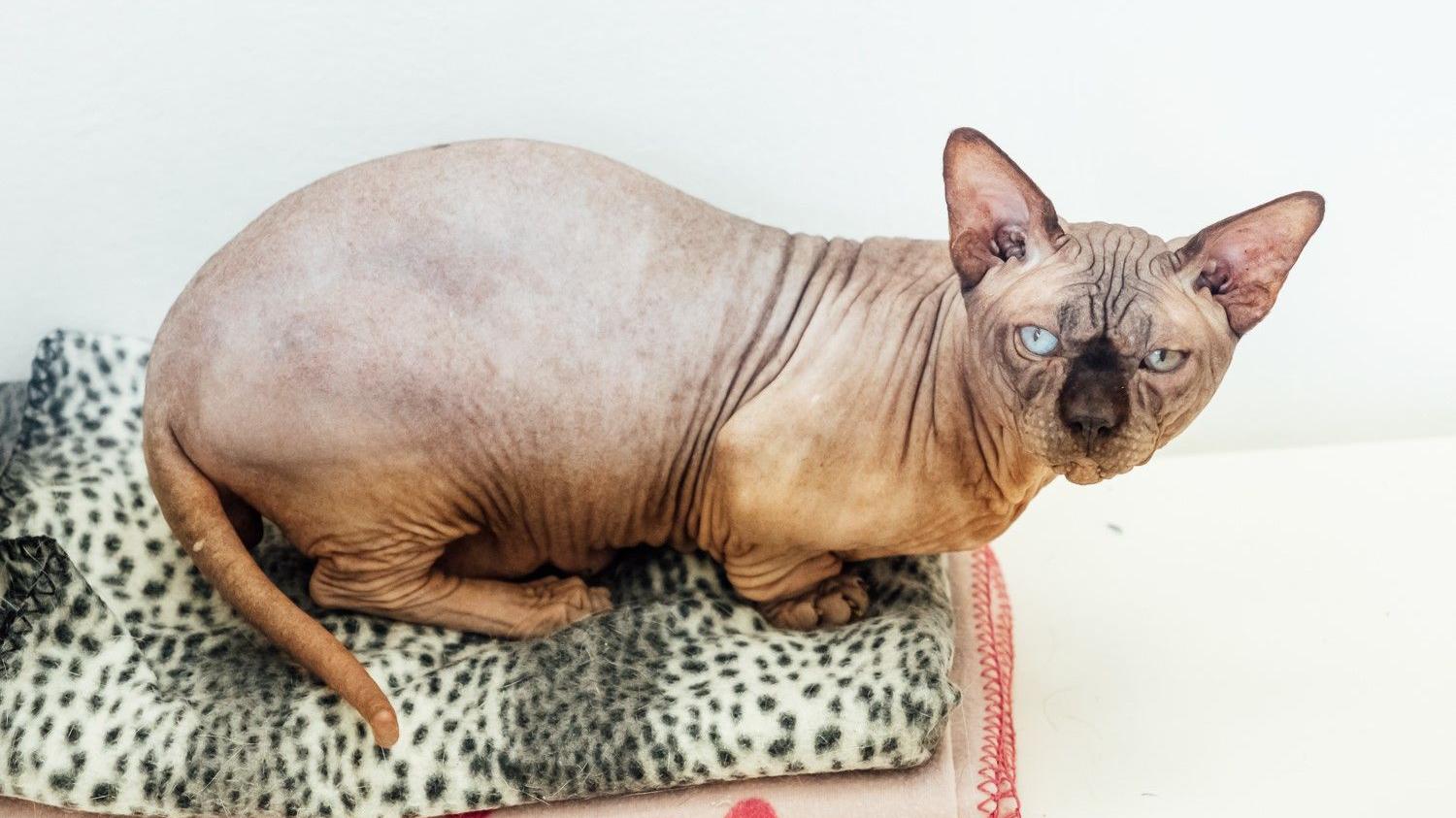
Have you ever wondered if breeding hairless cats is kind or cruel? These unique pets catch your eye with their smooth, bare skin and unusual looks.
But behind their charm, there are serious questions about their health and well-being. If you care about animals and want to know the truth, this article will guide you through what’s really happening when breeders focus on hairless cats. Keep reading to discover facts that might change the way you see these special felines—and help you make thoughtful choices for your furry friends.
Origins Of Hairless Cats
Hairless cats often spark curiosity and debate. Their unique appearance comes from fascinating origins. Understanding where these cats come from helps us see the bigger picture. It also sheds light on concerns about their breeding.
Natural Mutation Or Selective Breeding
Hairless cats appeared due to a natural genetic mutation. This mutation causes them to have little or no fur. Early sightings of hairless cats were rare and unexpected. Breeders then selectively bred these cats to keep this trait.
Selective breeding focuses on traits like hairlessness. Breeders choose cats with the hairless gene to mate. This process increases the chances of kittens being hairless. It also shapes their health and behavior over time.
Popular Hairless Cat Breeds
- Sphynx:The most famous hairless breed. Known for its wrinkled skin and large ears.
- Peterbald:Originates from Russia. Has a slim body and varying hairlessness.
- Don Sphynx:Also called Donskoy. Unique for its soft, suede-like skin.
Each breed has distinct traits but shares the hairless gene. Their care needs can differ because of their skin and body type.

Credit: uk.news.yahoo.com
Health Challenges Faced By Hairless Cats
Hairless cats face unique health challenges due to their lack of fur. Their bare skin makes them more vulnerable to environmental factors and health issues. Understanding these challenges helps to see the care they require and the risks they face.
Skin Sensitivity And Care Needs
Hairless cats have very sensitive skin that can easily dry out or get sunburned. Owners must bathe them regularly to remove oils that build up. Moisturizing their skin with vet-approved products is important. They need protection from cold and heat because they lack natural fur insulation. Special clothing or heated beds often help keep them comfortable. Without proper care, their skin can become irritated or infected.
Susceptibility To Illnesses
These cats have weaker immune defenses compared to furred cats. Their skin acts as a barrier, so without it, germs enter easier. They are prone to respiratory infections and skin diseases. Regular vet check-ups are necessary to catch illnesses early. Vaccinations and good hygiene reduce health risks. Their delicate skin and body require careful attention to avoid health problems.
Lifespan And Quality Of Life
Hairless cats generally live as long as other cats but need more care. Their quality of life depends on how well owners manage their health needs. Proper diet, environment, and medical care make a big difference. Without good care, they may suffer from chronic skin issues or infections. Many thrive with love and attention despite their special needs.
Ethical Concerns In Breeding Hairless Cats
Breeding hairless cats, such as the popular Sphynx, raises several ethical concerns. While their unique appearance may attract attention, it’s essential to consider the implications of breeding practices on these animals. Are we prioritizing aesthetics over the well-being of these cats?
Intentions Behind Breeding Practices
Breeders often aim to meet the demand for exotic pets, focusing on unique traits like hairlessness. This demand can lead to selective breeding, prioritizing specific characteristics over genetic diversity. But is it ethical to prioritize looks over health?
Impact On Animal Welfare
Hairless cats may face various health challenges due to their lack of fur, including skin issues and temperature regulation problems. They require special care that not all pet owners can provide, potentially leading to neglect. It’s crucial to ask if these cats are being bred in ways that respect their natural needs.
Breeders’ Responsibilities
Breeders have a duty to ensure the health and well-being of the animals they produce. This involves providing proper veterinary care, maintaining ethical breeding practices, and educating potential owners. Are breeders prepared to take responsibility for the lifelong welfare of these cats?
As a cat owner, your choice can influence breeding practices. By supporting ethical breeders or considering adoption, you can make a positive impact on animal welfare. What actions will you take to ensure responsible pet ownership?
Arguments Supporting Hairless Cat Breeding
There are several arguments that support the breeding of hairless cats, highlighting how it can be done ethically and responsibly. Advocates point to the genuine demand for these unique pets, improvements in veterinary care that address their needs, and strict breeding standards that focus on the cats’ well-being. Understanding these points can help you see the bigger picture beyond the controversy.
Demand And Popularity
Hairless cats have a special appeal for many pet lovers, especially those with allergies. Their unique look and affectionate nature attract a growing number of cat enthusiasts worldwide.
Because of this demand, breeders often feel motivated to produce healthy cats that fit this niche. Would you consider adopting a pet that suits your lifestyle and health needs better?
Advancements In Veterinary Care
Health concerns for hairless cats, such as skin sensitivity, are better managed today thanks to veterinary advancements. Regular check-ups and specialized skincare routines help these cats live comfortable, healthy lives.
Veterinarians now understand how to prevent common issues like temperature regulation problems and skin infections more effectively. This progress makes hairless cat ownership more practical and less risky than in the past.
Responsible Breeding Standards
Many breeders follow strict guidelines to ensure the health and welfare of hairless cats. These include health screenings, genetic testing, and careful selection to avoid passing on hereditary diseases.
By adhering to these standards, breeders reduce the risk of cruelty and neglect. If you were choosing a breeder, wouldn’t you want one committed to your pet’s long-term health?
Alternatives To Hairless Cat Breeding
Choosing alternatives to breeding hairless cats can help protect their health and well-being. Instead of encouraging more breeding, you can find ways to support these unique cats without contributing to potential genetic problems. Here are some practical options to consider.
Adopting Existing Hairless Cats
Many hairless cats need loving homes, often through shelters or rescue groups. Adopting one gives you a chance to care for a cat without fueling the demand for more breeding. Plus, you’ll be saving a life and providing a stable environment for a cat in need.
Think about the satisfaction that comes from giving a rescued hairless cat a second chance. Adoption also allows you to connect with communities focused on cat welfare, where you can learn about proper care and share experiences.
Promoting Genetic Diversity
Genetic diversity is crucial to the health of any breed, including hairless cats. Breeding too closely related cats can lead to health issues such as skin conditions or immune problems. Supporting efforts that prioritize diverse gene pools can improve the breed’s overall well-being.
You might ask yourself: How can breeders ensure healthier cats? Encouraging outcrossing programs, where hairless cats are bred with other breeds, can reduce inherited problems and produce stronger offspring.
Supporting Ethical Breeders
Not all breeders prioritize the health of hairless cats. Supporting those who follow strict ethical standards helps discourage harmful practices. Ethical breeders screen for genetic diseases, maintain good living conditions, and avoid overbreeding.
When looking for a hairless cat, ask breeders about their care routines and health testing. Your support can push the industry toward better practices and healthier cats overall.

Credit: www.yahoo.com

Credit: uk.news.yahoo.com
Frequently Asked Questions
Why Are Hairless Cats Bred Intentionally?
Hairless cats are bred to meet demand for unique pets. Breeders select genes causing hairlessness to preserve this rare trait. The aim is to maintain breed standards and satisfy enthusiasts seeking hypoallergenic cats.
Do Hairless Cats Face Health Issues?
Hairless cats can have sensitive skin and temperature regulation challenges. They need regular bathing and protection from sunburn. However, with proper care, they live healthy lives similar to other cats.
Is Breeding Hairless Cats Considered Unethical?
Many argue it’s unethical due to potential health risks and welfare concerns. Critics believe prioritizing appearance over well-being causes suffering. Supporters claim responsible breeding and care minimize cruelty.
How Does Breeding Affect Hairless Cats’ Lifespan?
Hairless cats generally have a normal lifespan of 12-15 years. Responsible breeding avoids genetic defects that could shorten life. Proper nutrition and veterinary care also contribute to longevity.
Conclusion
Breeding hairless cats raises important questions about animal welfare. These cats need special care because they lack fur for protection. Some argue it causes health issues and discomfort. Others believe responsible breeding can reduce risks. Ethical breeders focus on the cats’ well-being first.
Choosing a pet means thinking about its needs and health. Think carefully before supporting hairless cat breeding. The animal’s quality of life matters most in any decision.


Leave a Reply