If you have a cat that lives outside, you might wonder how to keep your yard clean and your pet healthy. Potty training your outdoor cat can seem tricky, but it’s definitely possible with the right approach.
Imagine a stress-free way to help your cat use one spot for their business, making your outdoor space neater and your cat happier. You’ll discover simple, practical steps that anyone can follow to potty train a cat that lives outside.
Ready to make life easier for both you and your furry friend? Let’s dive in.
Choosing The Right Spot
Choosing the right spot for potty training an outdoor cat is crucial. The place should feel natural and comfortable for your cat. It helps your cat learn faster and avoid accidents around your home.
Safe And Quiet Area
Pick a location away from loud noises and heavy foot traffic. Cats prefer calm places to do their business. A quiet spot reduces stress and distractions.
Look for areas sheltered from wind and rain. Safety helps your cat feel secure while using the spot. Avoid places near busy roads or noisy machines.
Easy Access For Your Cat
The potty spot must be easy to reach at all times. Avoid areas with obstacles like fences or dense bushes. Your cat should get there quickly and safely.
Choose a spot close enough to your cat’s usual path. This encourages your cat to use the area naturally. Keep the place visible so your cat can find it easily.

Credit: www.purina.com
Selecting A Suitable Litter Box
Selecting the right litter box plays a key role in potty training an outdoor cat. The box must fit the cat’s size and needs. Comfort and ease encourage the cat to use it consistently. The right box and litter type reduce mess and odor outside. This section explains how to pick the best box and litter for outdoor cats.
Box Size And Type
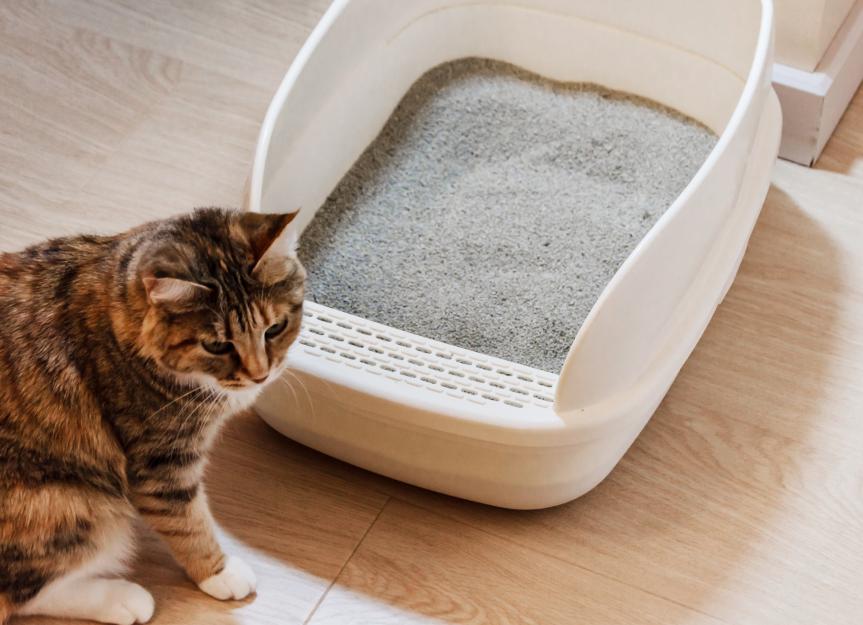
The litter box should be large enough for the cat to turn around easily. Small boxes can make cats uncomfortable and avoid using them. A box with low sides helps kittens or older cats enter easily. For outdoor cats, a covered box can keep rain and debris out.
Consider boxes made from durable plastic. They last longer outside and are easy to clean. Some owners use large storage bins as litter boxes. These offer more space and protection from weather.
Choosing The Best Litter
Pick a litter that controls odor well. Outdoor cats may prefer natural, unscented litter. Clumping litter makes cleaning easier by forming solid clumps. Avoid dusty litters; they can irritate the cat’s nose and lungs.
Materials like wood pellets or paper-based litter are good for outdoors. They absorb moisture and reduce smell naturally. Changing the litter regularly keeps the area clean and inviting. Clean litter encourages the cat to use the box every time.
Introducing The Litter Box
Introducing a litter box helps guide outdoor cats to a clean spot for their bathroom needs. Place it in a quiet, accessible area and encourage your cat to explore it often. This simple step can make potty training easier and more effective.
Introducing a litter box to an outdoor cat might seem like a daunting task, but it’s entirely possible with patience and the right approach. Cats are naturally clean creatures, and once they understand the concept of a litter box, they’ll often prefer it over random spots outdoors. The key is to introduce the litter box in a way that feels natural and inviting to your feline friend.Gradual Exposure
Start by placing the litter box in a familiar outdoor location that your cat frequents. This could be near their usual resting spot or feeding area. Ensure that the box is visible and easily accessible, but also provides some privacy. Fill the box with a type of litter that mimics the natural ground they are used to. Sand or soil might be a good start. Observe how your cat reacts—curiosity is a good sign. Gradually move the litter box closer to your home. Each day, shift it a few feet closer, allowing your cat time to adjust. This slow transition helps them accept the box as part of their environment.Encouraging Initial Use
Once your cat shows interest, encourage them to use the litter box by placing their waste inside it. This helps them associate the box with their natural habits. Praise your cat when they use the box. A gentle pat or a favorite treat can reinforce this positive behavior. Consider what makes a spot appealing for your cat. Is it the texture of the litter, the location, or perhaps the privacy? Use these insights to tweak the setup. Have you ever noticed how cats are always drawn to the same spot in your garden? This behavior can work in your favor. If your cat has a favorite area, place the litter box there initially to tap into their instinctual habits. Remember, the process requires patience. Your cat might not adapt immediately, and that’s okay. Consistent encouragement and adjustments will eventually lead to success. By understanding your cat’s preferences and maintaining a supportive environment, you’re well on your way to successfully potty training your outdoor cat. What strategies have you found effective in encouraging your cat to try something new?Establishing A Routine
Establishing a routine helps your outdoor cat feel secure and understand expectations. Cats thrive on predictability. A steady schedule reduces stress and encourages good habits. This is especially true for potty training. Outdoor cats need clear signals about where and when to go.
Consistent Feeding Times
Feed your cat at the same times every day. This helps regulate their bathroom needs. Predictable meals create a natural potty schedule. Most cats will need to go soon after eating. Set feeding times that fit your lifestyle. This makes it easier to guide your cat to the litter box afterward.
Regular Box Cleaning
Keep the litter box clean and fresh. Cats avoid dirty boxes and may go elsewhere. Scoop waste daily to maintain hygiene. Wash the box with mild soap weekly. Clean boxes attract cats and encourage use. Outdoor cats prefer a tidy spot just like indoor cats do.
Using Positive Reinforcement
Using positive reinforcement is key when potty training a cat that lives outside. Cats respond best to encouragement and rewards rather than punishment. This approach helps build trust and makes your cat more willing to learn the new habit.
Rewarding Desired Behavior
Whenever your cat uses the designated potty area outside, immediately offer a treat or gentle praise. This could be a favorite snack or a few minutes of petting if your cat enjoys it. The quicker you reward the good behavior, the clearer the connection becomes in your cat’s mind.
Try to be consistent with the rewards. Keep some treats handy near the potty spot so you can reinforce good habits right away. Over time, your cat will start associating the right place with positive experiences.
Avoiding Punishment
It’s tempting to scold or spray water when your cat goes potty in the wrong place, but this often backfires. Punishment can make your cat fearful or stressed, which delays learning. Instead, focus on guiding your cat gently back to the correct spot.
If accidents happen, clean the area thoroughly to remove odors that might attract your cat again. Avoid yelling or chasing your cat, which can damage your relationship. Think about how you would feel if you were punished for a simple mistake—would you learn better with kindness or fear?

Credit: www.purina.com
Handling Common Challenges
Potty training an outdoor cat comes with its own set of unique challenges. You might expect the process to be straightforward since the cat is already used to being outside. However, outdoor cats have habits and instincts that can make training tricky. Handling these challenges patiently will help you guide your cat toward using a designated spot consistently.
Dealing With Reluctance
Some outdoor cats resist using a litter box or a specific potty area at first. They may prefer the freedom to choose their spot or feel unsure about the new setup.
To ease this, place the potty area where your cat naturally goes. You can add soil or sand from their favorite spot to the new area to make it familiar. Try to keep the location quiet and safe from other animals or loud noises.
Have you noticed your cat avoids the potty area at certain times? Watch for distractions like neighbors, dogs, or loud vehicles. Minimizing these can encourage your cat to use the spot more comfortably.
Addressing Accidents
Accidents will happen, especially early on. It’s important not to punish your cat; this can create fear and worsen the problem.
Clean accidents thoroughly with an enzymatic cleaner to remove all smells. Cats tend to return to spots that still smell like urine or feces.
Try to observe patterns in accidents. Is your cat avoiding the potty area after rain or during busy times? Adjust the location or timing based on what you find.
Sometimes adding more than one potty spot helps, especially if your cat has a large outdoor range. This gives them options and reduces accidents.
Transitioning To Complete Indoor Use
Transitioning a cat from outdoor living to complete indoor use can be challenging but rewarding. It requires patience and understanding of your cat’s behavior. You want to make the change smooth so your cat feels safe and comfortable inside.
Gradual Indoor Introduction
Start by bringing your cat indoors for short periods. Let your cat explore one room at a time. Keep the environment quiet and filled with familiar scents like their blanket or toys.
Spend time playing and interacting to build positive associations with the indoor space. Slowly increase the time your cat spends inside over days or weeks. Have you noticed how cats respond better when they control their own pace?
Place a litter box in an easily accessible spot. Show your cat where it is and gently encourage its use. Remember, sudden changes can cause stress, so keep the transition slow.
Maintaining Outdoor Access
Allowing limited outdoor access can help your cat adjust without feeling trapped. Use a cat door or supervised outdoor time to keep the balance. This gives your cat freedom while reinforcing indoor habits.
- Set specific outdoor times, like early morning or evening, when it’s quieter.
- Create a safe outdoor space like a catio or enclosed garden area.
- Monitor your cat’s behavior to ensure they are comfortable returning indoors.
Think about how your cat’s personality affects their need for outdoor space. Some cats adapt quickly to indoor life, while others need more time and freedom outside. How will you meet your cat’s unique needs during this transition?
Credit: www.petmd.com
Frequently Asked Questions
How Do I Start Potty Training An Outdoor Cat?
Begin by placing a litter box outside near your cat’s usual bathroom spot. Gradually move it closer to your desired location. Use familiar materials like soil or sand in the box to encourage use. Consistency and patience are key during this process.
What Litter Type Works Best For Outdoor Cats?
Choose natural, unscented clumping litter or sand that mimics outdoor soil. Avoid strong scents which may deter your cat. The litter should feel familiar and comfortable to your cat’s paws to encourage use of the litter box consistently.
How Long Does Potty Training An Outdoor Cat Take?
Potty training an outdoor cat can take weeks to months. Progress varies based on the cat’s age, temperament, and consistency in training. Patience and gentle encouragement help ensure successful adaptation to using a litter box.
Can Outdoor Cats Fully Transition To Indoor Litter Boxes?
Yes, with gradual transition, outdoor cats can adapt to indoor litter boxes. Start by placing the litter box just outside, then slowly move it indoors. Reward positive behavior and maintain cleanliness to encourage consistent use indoors.
Conclusion
Potty training an outdoor cat takes time and patience. Start with a clean, quiet spot for their litter area. Be consistent and gentle during training. Watch your cat’s behavior and adjust as needed. Celebrate small successes along the way. Remember, every cat learns at its own pace.
With care and effort, your cat will adapt well. Keep the process simple and stress-free. Soon, your outdoor cat will use the potty area confidently. A happy cat means a happy home.



Leave a Reply